

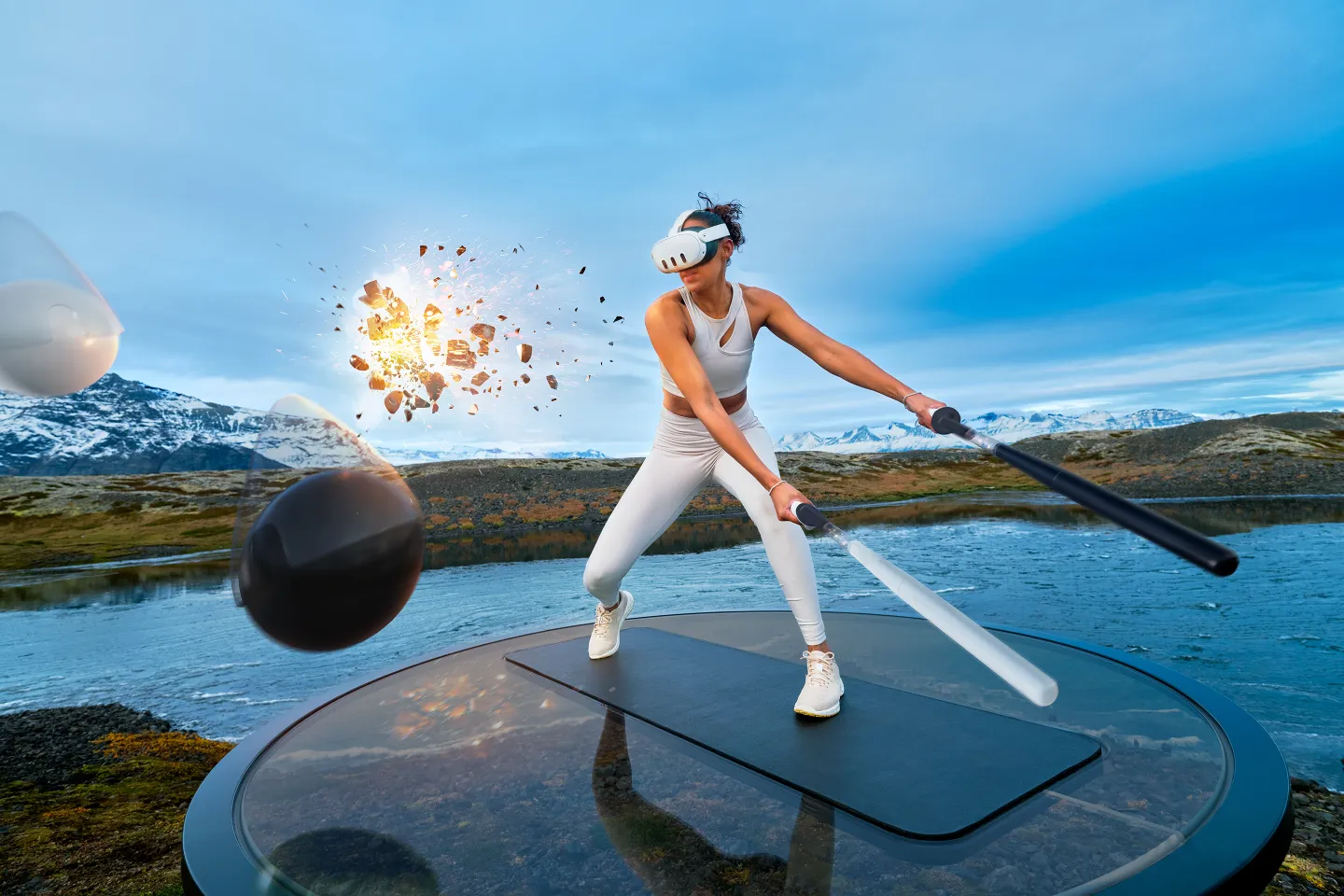
Supernatural continues to rank at or near number one on the Meta Quest charts following Meta’s decision to pause content updates and lay off much of the team responsible for one of VR’s most effective fitness apps.
Many in the VR fitness community are considering that option.
Supernatural has always been positioned as a premium experience. At the time of this writing, access is by subscription only, with users paying $9.99 per month or $99 per year. This recurring revenue, coupled with strong engagement and brand awareness, made Supernatural feel like a rare success story in consumer VR fitness.
Mehta said the existing library of thousands of workouts will remain accessible. Current subscribers can continue to pay for full access, and new users can still sign up. In the short term, Supernatural can remain viable, especially for users who are already invested in its structure and coaching. What happens to the mainstream music used in a project once the license expires?
What makes the Supernatural situation so devastating isn’t just the hiatus of new content, it’s the loss of certainty. VR fitness relies on habit, trust, and long-term commitment. If a chart-topping subscription-only app can be turned upside down overnight, some people’s entire health journey could be disrupted in the future.
In that context, ownership models, studio independence, and transparency are actually more important to many than production value alone. At a time when VR fitness is proving its ability to retain paying users and drive real behavioral change, Meta appears to be retreating from one of its strongest examples.
The good news for users navigating this moment is that the ecosystem is deeper than before. A more difficult question is which platforms are stable enough to earn long-term trust.
I tried out a few other VR fitness options besides Supernatural to see what the latest options had to offer.
fun fit land
 Photo: Funfitland
I’ve spent some meaningful time within FunFitLand, starting with the early alpha period. In the early stages, we relied heavily on Supernatural’s blueprint, with 3D real coaches and beautiful real-world and imaginary scenes for workouts. Over time, it overcame its influence and developed its own identity.
That evolution is most evident in community and coaching. The tone is collaborative and motivating, without a performative feel. Coaches have honed their virtual coaching skills with clearer cues, tighter pacing, and better movement instruction. On the workout side, the platform has expanded the movement set with additions like side steps and hammer strikes, increasing the physical scope of the session.
DanceFit has since evolved into GrooveFit, favoring slower, more expressive routines. The addition of FlowFit was especially meaningful. Introducing a meditative, Tai Chi-inspired experience that focuses on balance, breathing, and purposeful movement. This reinforces the idea that VR fitness doesn’t need all the intensity to be effective.
FunFitLand has also improved its music selection. Currently, the library includes a wide range of genres, including cinematic tracks and heavy metal. The added variety reduces the number of repetitions and gives clear distinction to the different workout modes.
FunFitLand mirrors Supernatural’s pricing structure, offering both monthly and annual subscriptions. As of this writing, it appears that new subscribers are still receiving a discount of $69.99 per year for the first year, discounting Supernatural’s standard annual fee. The app also supports hand tracking and has also been released on Apple Vision Pro, demonstrating ambition at a time when other companies are pulling back.
Fit XR
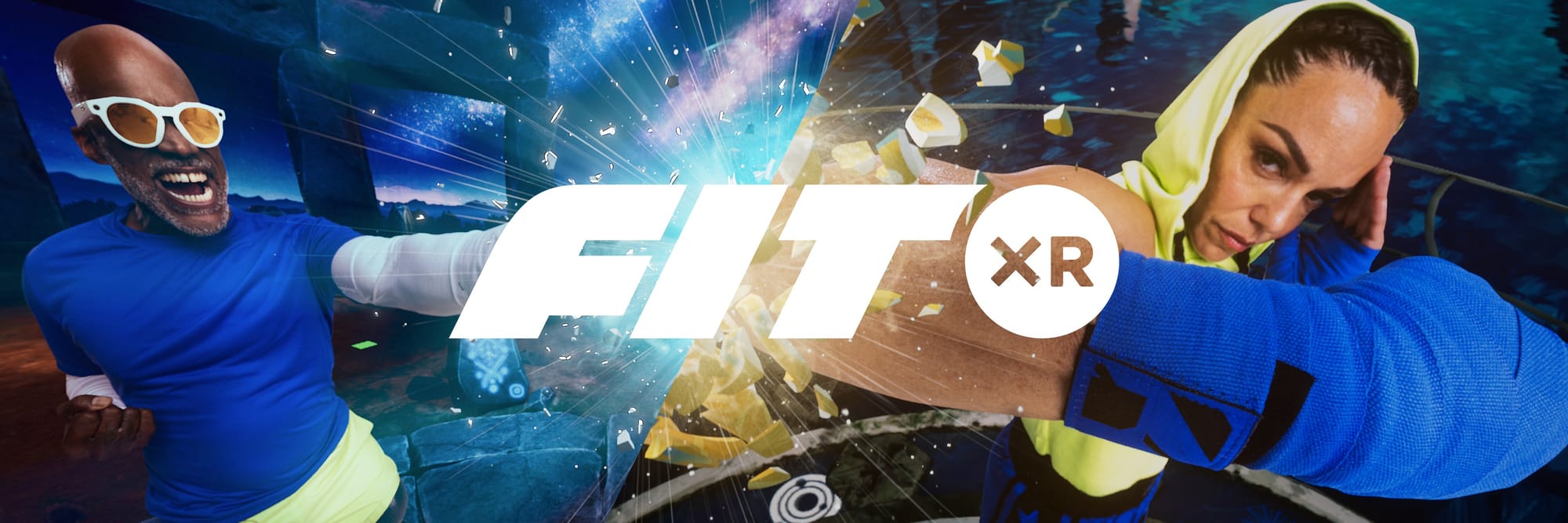 Photo: FitXR
FitXR began life as BoxVR in 2017 and has since grown to become one of the most feature-rich VR fitness platforms available. It works on a subscription model of $12.99 per month or $108.99 per year.
The platform also supports hand tracking and currently offers seven types of workouts: Box, Combat, HIIT, Sculpt, Dance, Zumba, and a new mixed reality SLAM mode. Workouts span multiple intensity levels and are supported by a progression and reward system designed to encourage consistency. Regular content updates and monthly themed challenges ensure the experience never feels static.
FitXR uses famous fitness personalities as coaches, but in some modes, especially Sculpt, Dance, and Zumba, these coaches appear as stylized cartoon avatars. The cross-discipline choreography is powerful, and the training will make you work up a real sweat.
FitXR lags slightly behind Supernatural, but FunFitLand is more refined in its environmental range. There are fewer workout environments, and those that do exist aren’t as breathtakingly beautiful. Think functional, not awe-inspiring. Hit feedback in boxing and combat modes also lacks the satisfying aural impact found in the FunFitLand, which remains the best in the field. Still, FitXR’s breadth, progression system, and consistent update frequency make it a strong long-term subscription for users who value variety and structure.
FitXR is expanding beyond the Meta ecosystem. The app is now available on Samsung’s Galaxy XR headset running Android XR, marking an early move to support next-generation mixed reality hardware outside of the Quest platform.
Les Mills XR Body Combat
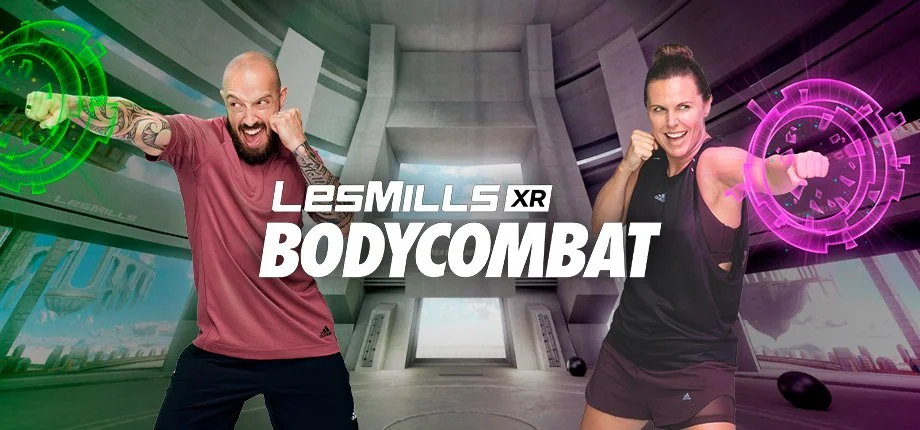 Photo: Les Mills XR Body Combat
Les Mills XR Bodycombat takes a fundamentally different approach. Sold as a one-time purchase, it costs $29.99, with optional DLC packs typically costing around $9.99. That alone is appealing to users who are wary of subscriptions.
Training is demanding and efficient. Sessions are designed to build intensity quickly, and it doesn’t take long to break a sweat. Real-life Les Mills coaches Dan Cohen and Rachel Newsham appear briefly as holograms at the beginning of the session, then transition to audio-only guidance for the remainder of the workout.
The workouts share a familiar structure, and for those who train frequently, the repetition becomes noticeable over time. Still, its effectiveness is indisputable. The sessions go quickly, the combinations are tough, and by the end you’ll feel the effort you put in. This is not a gentle program, and its intensity is what many users are looking for.
power beat VR
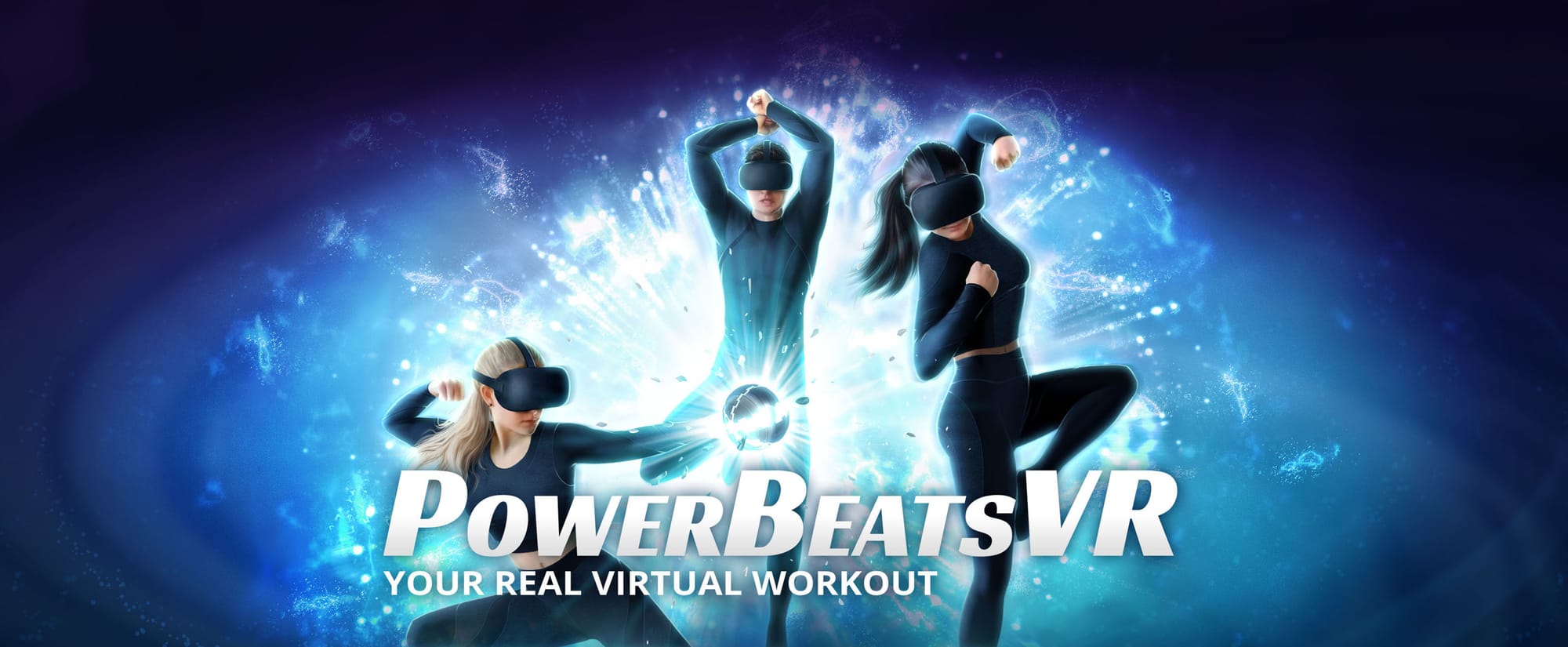 Photo: PowerBeatsVR
PowerBeats VR has been a staple in VR fitness ever since it launched on SteamVR in 2019 and arrived on Meta Quest in 2021. Quest retails for $22.99, with DLC packs typically priced between $2.99 and $5.99.
Its feature is customizability. PowerBeats VR allows users to upload their own music and fully customize their workouts, completely avoiding licensing issues. This level of control is uncommon and appealing to users with established playlists or specific training goals.
The experience itself is less polished than many of its competitors. The visuals are clear, the presentation is functional, and there is no emphasis on personality or community coaching. However, it can still be a fun and effective way to get your body moving if you tailor the workout to your personal preferences.
The combination of a one-time purchase model and deep customization makes PowerBeats VR appealing to specific audiences. It’s not in my personal top tier, but it fills a niche for many users.
XR workout
 Photo: XR Workout
XR Workouts takes a different approach than most VR fitness platforms by prioritizing open movement and functional full-body training over scripted classes and cinematic presentations. The app is free to download and use, but the free tier is limited to eight minutes per day, and the starter membership promises multiplayer. A paid Pro membership unlocks the full feature set, including longer workout times, enhanced modes, and more in-depth customization tools.
One of its features is controller-free movement with hand tracking, allowing users to exercise without a controller, even during long sessions. Workouts rely heavily on bodyweight movements such as squats, jumps, running in place, and target-based striking that uses the upper and lower body simultaneously. The result feels more like an open training circuit than a guided class.
XR Workout also supports mixed reality, blending the user’s physical space into the workout environment so that the surrounding environment remains visible during the session. Multiplayer workouts, playlist selection, and the ability to build or customize routines give the app a level of flexibility not attempted on most top platforms.
XR Workout is very different from most VR fitness apps. There is little hand-holding and little emphasis on presentation. Load up, get moving, and manage your own pace. If you’re looking for coaching, structure, and personality, it’s probably going to feel raw. If you’re used to setting your own rhythm and need some space to move hard for a few minutes, it’ll do just that.
star wave
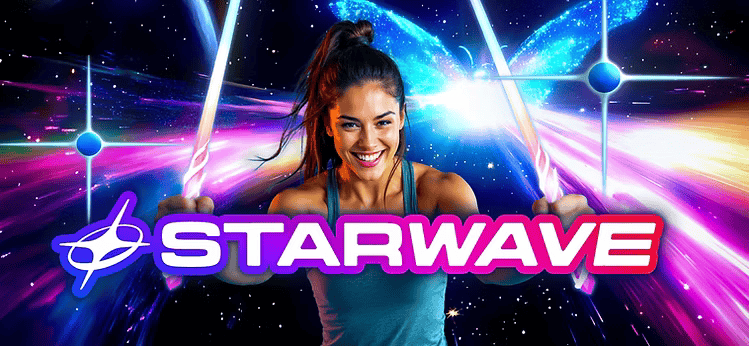 Photo: Star Wave
Starwave sits closer to the dance rhythm game end of the VR fitness spectrum, but it overlaps with Supernatural’s Flow workout in some interesting ways. The movement is driven by techno and electronic tracks, and players use glowing space batons to slash incoming sounds. The emphasis is on rhythm, timing, and sustained movement rather than accuracy or scoring.
There are no coaches, no guided programs, and no overt fitness frameworks. Load up, follow the beat, and keep moving. In fact, the experience can feel just as meditative as a flow session, especially during longer play sessions where movements become more fluid and less intentional.
I’ve found Starwave to be a fun and consistent addition to my weekly fitness rotation. This isn’t a replacement for a structured workout, but it’s great for a light session that focuses on movement while getting your heart rate up.
Starwave is a one-time purchase and costs $19.99 at the Meta Quest store (on sale at the time of this writing). Additional content is available through optional DLC packs for $4.99. There is no subscription model.
Other fitness experiences
The platforms I’ve chosen here represent what I consider to be the highest level of VR fitness experiences currently available in VR headsets. They combine sophistication, consistency, continued development, and enough depth to support long-term use. There are plenty of other VR fitness apps on the Quest platform, many of which are less polished or narrow in scope, but they’re still fun and can get you working up a good sweat. For users experimenting with VR fitness for the first time, these options are still valuable.
We don’t have a comprehensive list, so please share your favorite ways to stay healthy in VR in the comments below. If you are an app developer building something new in this space, you can also email UploadVR via [email protected].
