

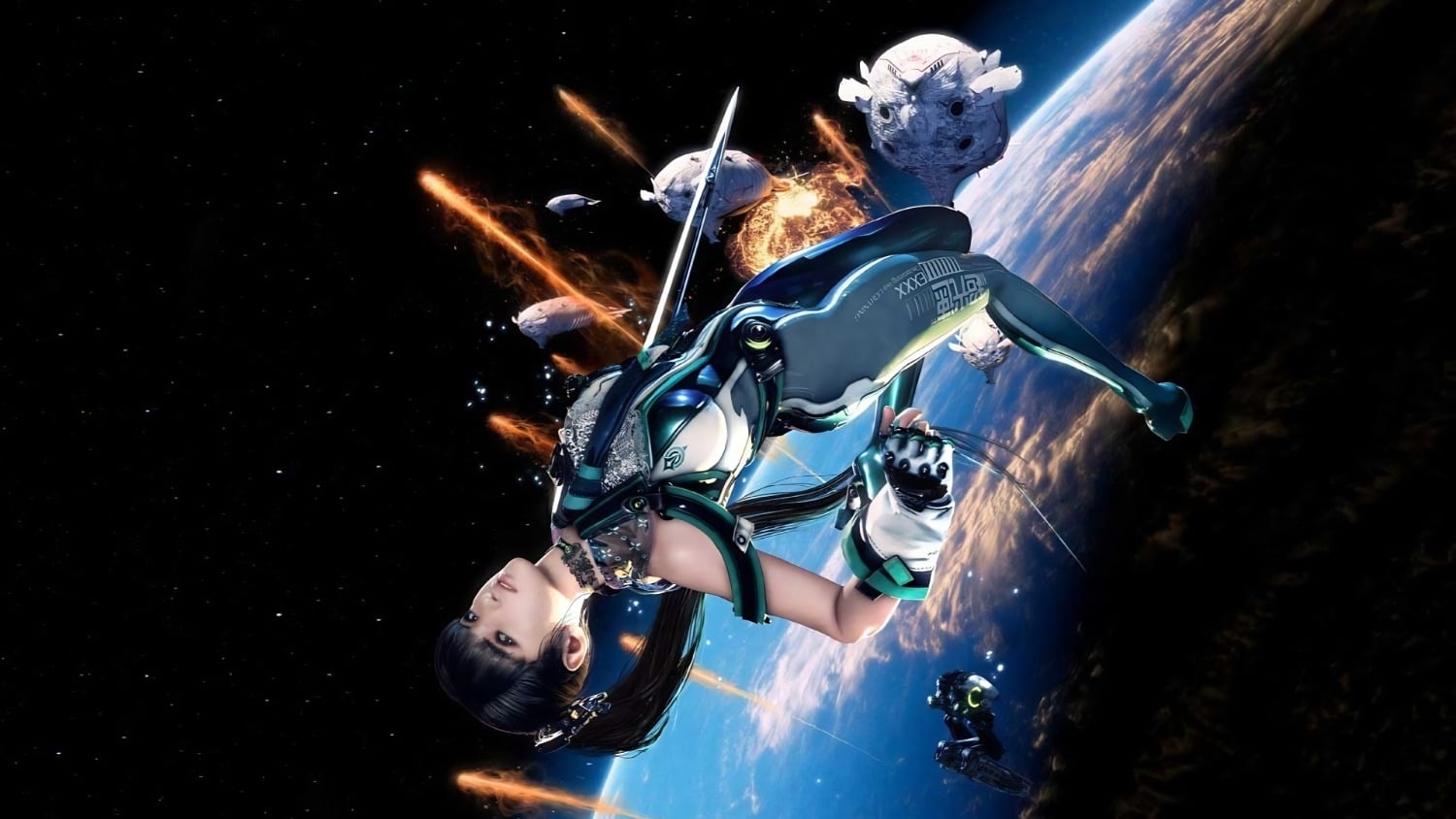
TL;DR: Shift Up will port Stellar Blade to Nintendo Switch 2 using NVIDIA DLSS for upscaling (1080p docked, 720p handheld) plus AMD FSR 3.1 Frame Generation for 60 FPS, combining DLSS Super Resolution with FSR frame interpolation despite potential latency, image artifacts, and uneven frame pacing.
Voice: Kosta AndreadisSpeed
0:00 / 2:39
Use left and right arrow keys to seek audio.
Originally published by Sony as a PlayStation 5 exclusive, developer Shift Up subsequently brought its smash-hit third-person action game Stellar Blade to PC. With a sequel currently in production, the studio is also working to bring Stellar Blade to the Nintendo Switch 2.
In a new interview with DongKi Lee, CTO and technical director at Shift Up, on Nintendo Everything, he confirms the game will use NVIDIA’s DLSS technology to achieve 60 FPS in both docked (1080p) and handheld modes (720p). Because the Switch 2 runs on a custom low-power SoC based on the GeForce RTX 30 Series’ Ampere architecture, its DLSS support will use a custom-tuned, lightweight model for AI-powered upscaling.
However, because it doesn’t support DLSS Frame Generation, Shift Up will use AMD’s FSR 3.1 Frame Generation on top of DLSS upscaling to hit the 60 FPS target.
- Read more: LEGO Batman’s PC requirements say you’ll need Frame Generation to hit 30 FPS
- Read more: Donkey Kong Bananza on the Switch 2 uses AMD FSR 1, not NVIDIA DLSS
- Read more: Nintendo Switch 2 uses a special ‘DLSS Light’ version to upscale to 4K
“What we did was take AMD’s FSR 3.1 for PC and used the feature called frame interpolation to achieve the target for 60 frames per second,” DongKi Lee says. “We use DLSS for upscaling, and then use frame interpolation from FSR 3.1 to be able to target 60 frames per second.”
It’s an interesting solution, but one that could lead to a few issues. Even though Shift Up says that “latency” is important, using any form of Frame Generation to hit a smooth 60 FPS does mean that the gameplay and movement would still “feel like” 30 FPS. Not to mention image quality taking a hit, as AMD’s FSR 3.1 Frame Generation’s generated frames do feature artifacts, with the technology also known for delivering inconsistent frame-pacing and performance when compared to DLSS Frame Generation.
Will Stellar Blade on Nintendo Switch 2 run at 60 FPS in both docked and handheld modes?
Yes. Shift Up confirms the Switch 2 port will use DLSS upscaling plus AMD FSR 3.1 frame generation to target 60 FPS in both docked (1080p) and handheld (720p) modes. The developer warns using frame generation can make gameplay still “feel like” 30 FPS and may introduce image artifacts and inconsistent frame pacing.
Question #2
How is Shift Up combining DLSS and FSR 3.1 to reach 60 FPS on Switch 2?
Shift Up uses DLSS for AI-powered upscaling (a custom-tuned lightweight model on the Switch 2) and then applies AMD FSR 3.1 Frame Generationreach a 60 FPS target. Because the Switch 2 does not support DLSS Frame Generation, the studio combined DLSS Super Resolution with FSR 3.1 Frame Generation to hit 60 FPS, though this approach can cause frame interpolation artifacts and make movement still feel like 30 FPS.
Question #3
Why is the Switch 2 using a custom DLSS model instead of standard DLSS/Frame Generation?
Because the Switch 2 runs on a custom low-power SoC based on the GeForce RTX 30 Series Ampere architecture, Shift Up says DLSS support on the console uses a custom-tuned, lightweight AI model for upscaling rather than the standard PC DLSS/Frame Generation implementation. Additionally, the Switch 2 does not support DLSS Frame Generation, so the developer will combine DLSS upscaling with AMD FSR 3.1 Frame Generation to reach 60 FPS.
Question #4
What potential latency or input-feel trade-offs should players expect from using FSR 3.1 frame interpolation?
Using FSR 3.1 frame interpolation to reach 60 FPS can make gameplay and movement still “feel like” 30 FPS, meaning higher perceived input lag or reduced input responsiveness. The article also warns of image-quality hits and generated-frame artifacts, plus inconsistent frame pacing and performance compared with DLSS Frame Generation.
Have a question about this content not listed here? Ask below and TweakBot will answer it.
This is the first time we’ve heard of a developer using both DLSS Super Resolution and FSR Frame Generation on a Nintendo Switch 2 console port, so it’ll be interesting to see how it turns out.

1 Comment
Pingback: Switch 2 vs Switch 1 Sales Comparison - Comic Vibe