

How ‘forensic fandom’ in Lindsay Clancy trial threaten postpartum psychosis awareness
Clancy’s live-streamed trial has become fodder for amateur sleuths to push viral conspiracy theories that threaten to undermine efforts to de-stigmatize illness, experts say
Meghan Cliffel was riding the subway in New York City in December 2015 when she became convinced the entire city belonged to a cult that was plotting to kill her and her two daughters. When she got back to her Manhattan apartment she believed the talking heads on the television were speaking to her directly, threatening her, and that the refrigerator was emitting poisonous gas. Her husband, she feared, was part of the cult too.
“I punch him in the face trying to get to the kids,” Cliffel recalled, “Then I’m ultimately trying to get to the roof of our building because I believe if I get up there and show I’m willing to jump, that that’ll show my loyalty to the cult and hopefully stop this whole thing.”
Eight months earlier, Cliffel had given birth to her second daughter, initially enjoying maternity leave and the “confidence of being a mom the second time around, where you’re not as worried about all the little things”, she remembers. But by the time she returned to her job, dealing with all the stress of being a working mom, she told her husband about creeping feelings of anxiety and sadness. “And he said, ‘All right, if you still feel this way in two weeks, let’s go see somebody.’ That never happened. Time passed and we were too busy.”
Cliffel and her husband, like most Americans, did not have a deep understanding of postpartum depression, a mood disorder experienced by one in seven women after giving birth that can cause extreme sadness. They had no concept at all of postpartum psychosis, a more severe psychiatric condition affecting between one and two women per 1,000 births, that can cause hallucinations and paranoid delusions.
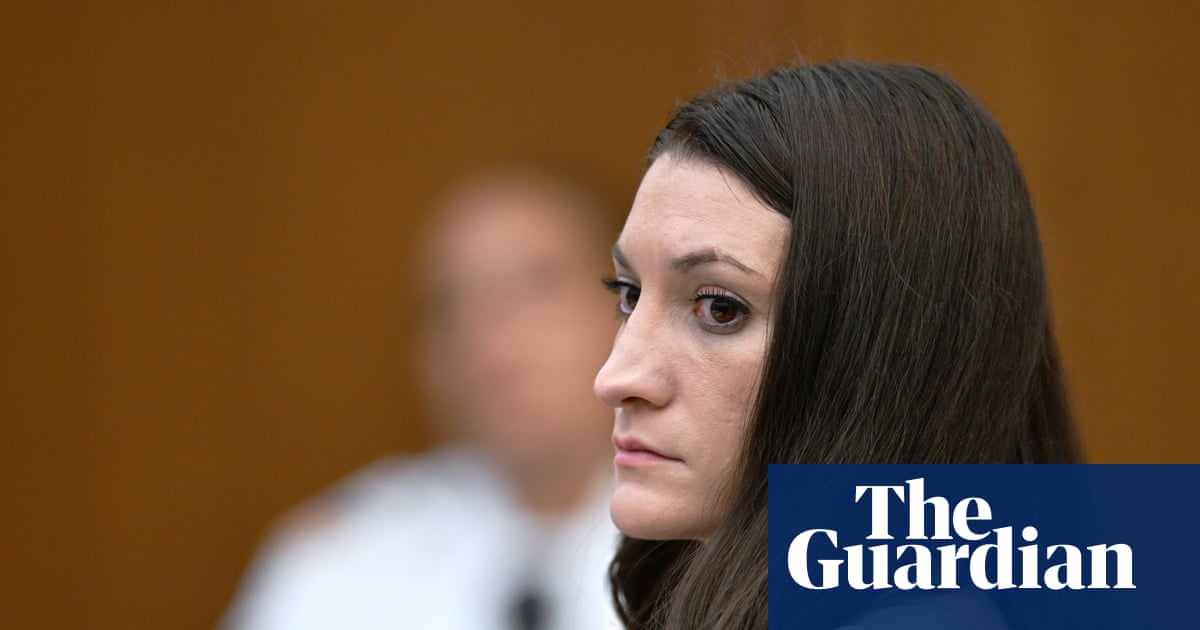
In extreme cases, the condition can lead to incidents of maternal suicide and infanticide – as demonstrated by the ongoing trial of Lindsay Clancy, the 36-year-old Massachusetts woman who has admitted to killing her three children in 2023.
Clancy is charged with three counts of murder and her team is deploying an insanity defense, arguing that the murders were committed while she was in the throes of postpartum psychosis. Clancy, who allegedly jumped from a 20-ft-high window after the murders and was paralyzed from the waist down, appeared in court this week in a wheelchair.
Cliffel did not jump from the roof of her Manhattan apartment building. Her husband eventually called the police. Two months later – after struggling to be seen by a reproductive psychiatrist – Cliffel was finally diagnosed with postpartum psychosis, a diagnosis she called a giant relief. She went from feeling like there “was something so wrong with me” to understanding that she had just been sick.
Now, a mental health advocate and writer, Cliffel has been distressed in recent weeks by the sensationalized, wall-to-wall media coverage and conspiracy theories swirling around the trial of Clancy, whose lawyers will need to convince a jury it was her sickness, not her, that took the lives of her children. Clancy’s psychosis, her lawyers have argued, was exacerbated by the treatment she received at a local hospital, where she was prescribed an incorrect mix of over a dozen psychiatric medications.
“It feels heartbreaking to have the media kind of so unrelentingly focused on this story at this moment, after not really digging in and caring about this issue outside of that for the past however many 100 years,” Cliffel observed.
Clancy’s live-streamed trial has become fodder for amateur sleuths, operating accounts on TikTok and other social media platforms, to push viral conspiracy theories that experts say threaten to undermine efforts to de-stigmatize and raise awareness of postpartum illnesses.
Though Clancy has admitted to the murders, these true-crime obsessives have zeroed in on a particular conspiracy theory: that Clancy’s ex-husband, Patrick Clancy, actually murdered their children, framing her for the crimes afterwards. The videos they post parse purported inconsistencies in Patrick’s testimony. That Patrick Clancy’s alibi seems rock solid – surveillance footage and phone records corroborate that he was at a CVS during the murders, picking up his then-wife’s medications – is of little concern. They have asserted, among other claims, that Patrick Clancy may have hired a body double to go to the CVS for him.
“Is it possible she wasn’t ever psychotic at all?” a TikToker with 100,000 followers recently speculated about Clancy, adding: “Was Patrick or someone else manufacturing conditions to actually drive Lindsay mad, so that she could seem mad?” The TikToker has posted multiple videos about the Clancy trial, some racking up millions of views.
At the heart of these conspiracy theories, experts say, is likely a refusal to confront the horrifying reality of the murders themselves: that a mother killed her three children. Additionally, the existence of postpartum illnesses and in particular, postpartum psychosis, upsets the story our society tells itself about being a mom.
“The way that misogyny and sort of patriarchy shapes the narrative about motherhood is that it’s this time when you’re supposed to be happy, and this time when you’re supposed to be filled with joy, and that mother’s first and primary job is to nurture and to care for and to protect,” Andrea Clark, deputy CEO at Postpartum Support International, said.
This idealized narrative, Clark said, often doesn’t “leave room for women” who are struggling with the myriad, everyday difficulties of being a mom, let alone postpartum disorders, and especially the terrifying psychosis Clancy has recounted experiencing.
Katy Coduto, an assistant professor of media science at Boston University, has another theory for why conspiracy theories about the Clancy case are flourishing: “forensic fandom”. It’s a social media phenomenon, Coduto explained, wherein “people engage with media in a way where they think they know more about a story than others.” They treat real-life cases of murder and other crimes with the eye of an obsessive fan of fictional shows like Lost or Severance, looking for small clues and Easter eggs they believe support a particular narrative.
“But crime cases don’t follow a clean narrative, even though viewers and listeners really want them to,” Coduto said. “It’s hard to accept that someone could do something terrible, so citizen sleuths are really trying to make anti-normative behaviors make sense and fit into a logical pattern.”
The story that Clancy and her lawyers are pushing in court – that she suffered a known, treatable psychiatric condition – is not as salacious or “neat” enough story “for conspiracy theorists or TikTokers looking for clicks”, Coduto said. Suggesting Patrick Clancy committed the murders, on the other hand, is.
Coduto fears the forensic fandom in this case, where entire online communities have been formed to investigate the murders, could be “detrimental to other women experiencing postpartum depression” who are trying to understand what happened.
Clark agrees. Denying that postpartum psychosis may have played a part in Clancy’s murder threatens to entrench the stigma surrounding the condition, creating a “chilling effect” on women coming forward to get treatment.
What also gets lost in all the obsessive true-crime fascination around the case, is the human beings at the center of it who experienced the most unimaginable tragedy: the loss of their children. Historically media coverage of infanticide, Clark says, has often “re-traumatized” family members. The TikTok conspiracy theories will undoubtedly do the same.
For Cliffel, the conspiracy theories distract from all of the systemic and societal conditions that can lead to postpartum psychosis going untreated, including “no paid leave, lack of inclusion of women in mental health trials until the 1980s, lack of board exams in reproductive psychiatry despite it affecting half the population, coupled with the ridiculous Instagram-worthy standards of motherhood, more of a focus on a beautiful baby room than mother’s well-being …”
The media and social media circus surrounding cases like Clancy’s, Cliffel said, feel akin to “witch trials” in the way the difficulties of being a woman are erased.
Those commenting on the Clancy case, whether in a newspaper or on TikTok, would do much better to show “compassion”, she said, instead of wild speculation.
Explore more on these topicsShare
Reuse this content
