

The traditional playbook for celebrity- and athlete-led charity is showing its age. For decades, influence in philanthropy has been measured through visible signals of generosity: gala tables, charity auctions, foundation names and headline-making gifts. Every year, professional leagues, teams and high-profile figures pour immense energy and millions of dollars into these efforts. While these models are well-meaning and remain important, they rely on a fundraising model built for a different era centered on a relatively small circle of wealthy donors.
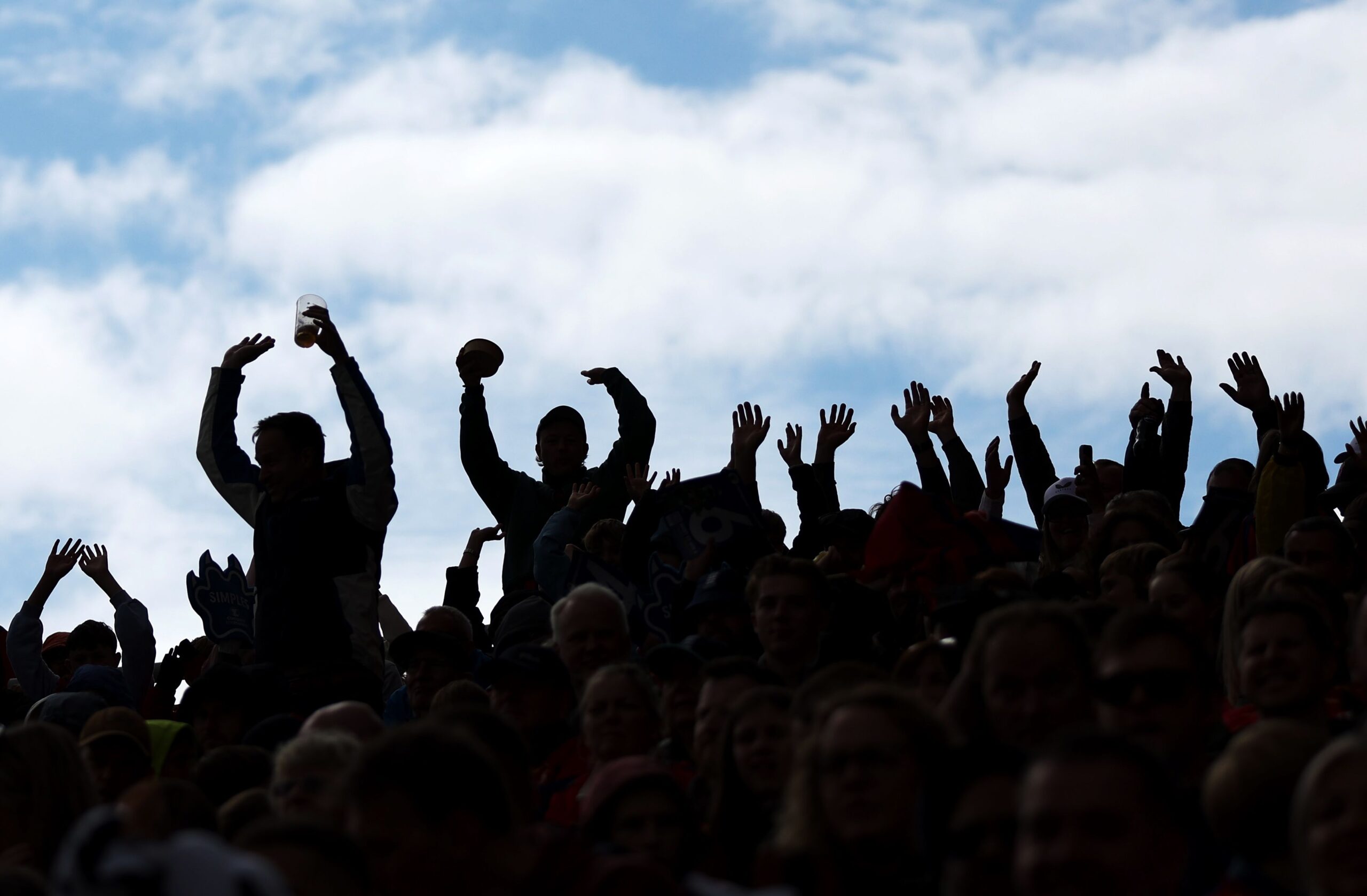
Today, influence is moving differently. One of the most powerful, energized and digitally savvy philanthropic networks already exists in plain sight: the everyday fan. Millions of fans organize themselves online around shared identities, passions and causes every day. Sports fans, in particular, are loyal, organized and digitally connected, yet many charitable organizations still treat these communities as audiences to market to rather than as participants to mobilize. In an era when influence flows through digital networks instead of traditional institutions, philanthropy has an opportunity to reconsider who gets to participate, how communities are activated and what meaningful engagement looks like.
From donor lists to digital communities
Data from the nonprofit sector demonstrates a worrying trend. According to the Fundraising Effectiveness Project (FEP), while total charity revenue has occasionally been buoyed by a handful of extraordinary gifts, theoverall number of individual donors is dropping. Small-dollar donors—those giving $500 or less—have fallen the fastest. That’s a significant participation problem. When fewer people contribute, fewer people feel personally invested in an organization’s mission. Long-term resilience comes not only from the size of donations, but from the size and engagement of the community behind them. For organizations looking to secure a future, the old analog methods of fundraising simply aren’t sustainable anymore. The opportunity is to pivot toward a model that taps into communities that already exist—groups organized around sports, entertainment, shared interests and collective identity—and offers them better ways to participate.
Charities have largely viewed fan communities as passive marketing channels, measuring success through impressions, video views and social engagement. But when organizations ask those same audiences to take action, the experience often breaks down. Fans are directed to clunky donation pages, outdated text-to-give campaigns or invitation-only fundraising events that feel disconnected from the communities themselves. The opportunity to make an impact is often hidden behind paywalls. A charity dinner that costs $100,000 per seat may generate significant funds, but it also reinforces the idea that meaningful participation belongs only to the wealthiest tier. This model conflicts with how younger generations think about influence and impact. Gen Z and millennial donors are more likely to value transparency, accessibility and being part of the action rather than just watching from the sidelines.
Fandom as a new philanthropic infrastructure
Sports and entertainment fans already behave like highly organized communities. They coordinate online, create content, moderate forums, buy merchandise, travel together and sustain year-round conversations that largely exist outside of institutional control. These are communities built on trust and shared purpose, the same elements that successful philanthropy depends on.
The biggest mistake is assuming fans are just passive consumers waiting to be marketed to. They are participants. They willingly invest their time, attention and money because they feel a sense of ownership over a team, an athlete or a shared identity. Research from More in Common and FOX Sports reinforces this intuition, finding that passionatesports fans are more likely to volunteerand engage in their communities than non-fans. Fandom, in other words, is a form of social infrastructure. The challenge for nonprofits is learning how to activate that infrastructure rather than ask supporters to step outside it.
In 2017, NHL player Jason Zucker offered an early glimpse into what that could look like with his #Give16 campaign to fund a pediatric broadcast studio and patient suite at the University of Minnesota Masonic Children’s Hospital. Rather than relying on a traditional gala or auction, Zucker invited the hockey community to donate in amounts matching his jersey number ($16 for #16). By lowering the financial barrier to entry and making participation feel personal, he mobilized a massive web of supporters, raising more than $1.2 million in less than a year. The campaign demonstrated how large-scale micro-giving could rival major institutional checks while building a loyal, long-term donor pipeline.
The success of #Give16 informed the creation of Alltroo, a platform designed around the idea that access, not exclusivity, can be a powerful fundraising incentive. Instead of relying primarily on high-priced auctions or invitation-only events, digital experiences can allow thousands of supporters to participate through smaller contributions. A $10 entry allows a supporter the same chance to secure a unique experience once reserved for the ultra-wealthy. The broader lesson extends well beyond one platform: lowering barriers to participation can expand both donor pools and long-term community engagement.
The future of influence is decentralized
The shift also reflects a wider change in where influence is created. For years, philanthropy often operated through public displays of wealth: the named building, the gala photograph, the prominent donor list. Influence has progressively become more about the ability to activate trusted networks than visibility. Communities are organizing themselves outside traditional institutions, in private group chats, online forums, creator communities and fan networks. Those decentralized spaces have become remarkably effective at mobilizing attention, money and action. Philanthropy should stop treating those networks as distribution channels and begin treating them as partners.
These lessons should be applied to rebuilding frameworks for any charitable organization, whether or not they operate in sports or entertainment. The goal is to move beyond major-gift dependency and embrace digital-first strategies to engage communities that have already built an infrastructure around a shared passion, interest or goal. Building for this future means lowering the barriers to participation from the outset. Small donations should be as frictionless as buying merchandise. Digital experiences should reward engagement rather than wealth. And fundraising should happen where communities already gather, not only at black-tie galas, but within the digital ecosystems where conversations, relationships and fandom already exist.
The nonprofit sector does not suffer from a lack of public generosity. It suffers from an outdated fundraising system that locks out the mass market. The internet has made it easier than ever for people with shared interests to find one another, build trust and act collectively. If charitable institutions want to survive the current donor crisis and rebuild public trust, they need to change how they view these cultural networks. It is time to stop asking highly engaged communities to watch from the sidelines and finally provide the tools they need to step onto the field. In an era when influence lives off-grid—within communities rather than institutions—the future of philanthropy may depend less on finding the next major donor than on mobilizing the next million small donors.
