

We may receive a commission on purchases made from links.
Regardless of being an existing gaming rig owner or someone new to the hobby, building a PC today is practically alien compared to the last 20 years. The four- to five-year cycle of replacing components to keep up with the latest graphical prowess is dead, thanks to chip manufacturers prioritizing AI data centers and their pockets over providing competitive deals on RAM, storage, GPUs, and much more.
We’re also seeing diminishing returns on graphical upgrades across the board, which is a mix of Moore’s Law becoming less relevant (doubling the number of transistors on a microchip roughly every two years) and focusing less on photorealistic graphics and more on lighting in ray tracing and path tracing. While how long a PC will last you depends on your individual gaming needs, your current build could go for much longer than you think.
All of these factors combined are forcing component manufacturers’ hands and supporting legacy hardware such as DDR4 RAM and AM4 processor sockets on motherboards. This is a good thing; not everyone needs an Nvidia GeForce RTX 5090, 128GB of DDR5 RAM, and a Threadripper CPU, and there‘s money to be saved on top of keeping a gaming rig relevant at a time where buying DDR5 RAM costs as much as a game console. Having tested a wide range of setups, including an RTX 4070 + 64GB DDR4 RAM MainGear MG-1, RTX 5080 + 32GB DDR5 MainGear Ultima 18 laptop, and a Radeon RX 9070 XT + 48GB DDR5 MainGear Rush, the main priority is getting the components one needs for their gameplay habits in order for their PC to last.
Legacy CPU platforms like socket AM4 are re-entering the budget market
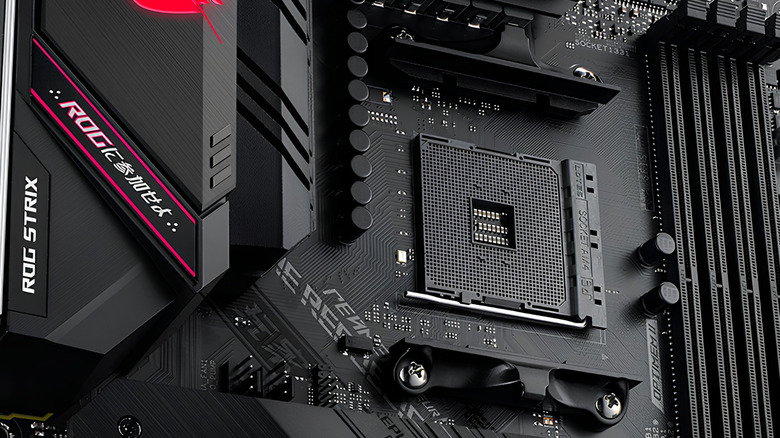
It’s a waste of money buying a ridiculously powerful CPU without having a motherboard that can handle all of those mega transfers, or the correct socket to match. In response to persistent manufacturing supply bottlenecks and steep pricing for current-generation motherboard chipsets, hardware vendors are taking an unconventional path. Rather than abandoning legacy CPU platforms, prominent manufacturers are actively increasing production of and still selling older motherboard designs such as the ROG Strix B550-F AM4 motherboard that can handle the best DDR4 RAM-compatible processor, the AMD Ryzen 7 5800X3D.
This market pivot has given an unexpected second life to established platforms like the AMD socket AM4. Despite launching back in 2016, PC building services point to the platform still being great for 1080p and 1440p gaming performance, especially esports and getting the best value for money when upgrading from an even older platform.
Game developers have to maintain minimum specifications for their games to make sure they’re not cutting out the core or a major part of their audiences, which is where the Steam Hardware & Software Survey comes in handy. As of June 2026, we can see users are mostly using six-core processors, so comparing this to the higher core count of eight in the aforementioned AMD Ryzen 7 5800X3D ($346.81) with a CPU speed of 4.5 GHz makes it clear that AM4 builds will remain relevant for a very long time.
High DDR5 memory prices make sticking with DDR4 practical
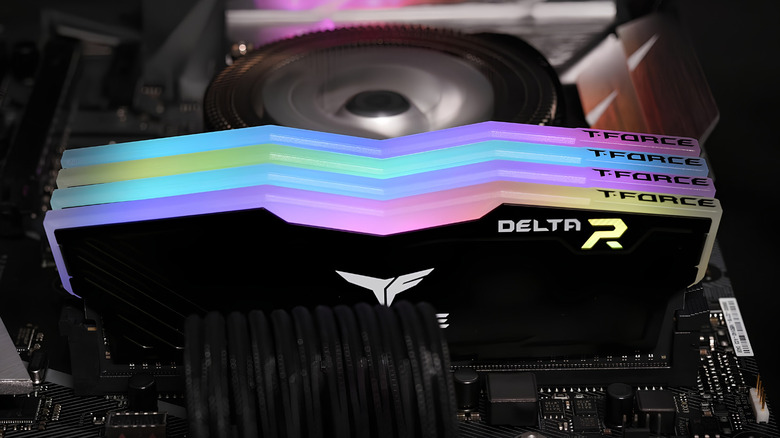
Random Access Memory (RAM) was once the cheapest and easiest system component to upgrade, but ongoing market pressures have flipped the table on the DDR5 RAM market. The massive industry expansion of enterprise artificial data centers has consumed unbelievable quantities of high-bandwidth memory, triggering a widespread consumer memory crisis and a cartel of major DRAM memory manufacturers accused of driving up market pricing by up to 700% over four years. Because DDR5 modules remain heavily taxed by the ever-inflating AI bubble, jumping to the newest memory standard requires a serious investment alongside a compatible motherboard and CPU that everyday gamers can’t afford or justify.
As a result of these extortionate prices, component vendors are shifting strategies to keep system upgrades reasonable. Manufacturers are expanding production of DDR4 memory to meet this strong consumer demand. Performance testing DDR4 memory build options in the current market reveals that even the most demanding 4K games lean more on graphics card DRAM and performance, meaning DDR5 headroom doesn’t make enough difference to warrant the price hike.
Carrying over an existing kit of 16GB or 32GB of DDR4 memory from an older build represents one of the most effective ways to avoid paying the “AI tax” on memory sticks. Sticking with DDR4 allows smart PC builders to use their budgets on a better graphics card or larger solid-state M.2 storage drives while maintaining reliable, snappy system responsiveness across many games.
GPU driver support windows dictate longevity
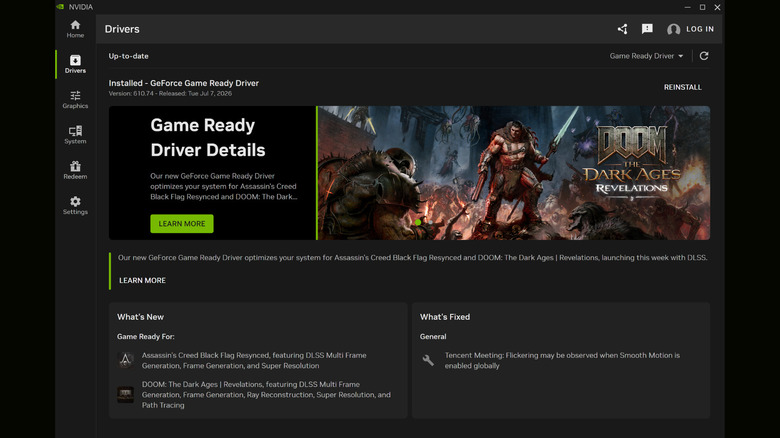
A dedicated graphics card typically claims the largest portion of any PC budget, but its operational lifespan is governed not just by physical component durability, but also by official driver support. A good example is Nvidia supporting its GTX 10-series graphics cards, and its Pascal architecture, for nine years between its launch in 2016 and its retirement in 2025. It’ll still get quarterly updates until October 2028, bringing software support to a total of 12 years.
While older GPUs remain physically running for desktop productivity and lighter computing tasks, they’re still remaining relevant even for AAA gaming, although it would be best to start at the RTX 30-series or equivalent to take advantage of solid Deep Learning Super Sampling (DLSS) and frame generation technology. Renewed and refurbished tech is a good call for the budget-conscious here, with RTX 3080s going for around $450 at the moment.
The main point here is that graphics card longevity is growing, which it should, considering Nvidia and AMD are moving away from high-horsepower rendering machines for pushing higher resolutions. The focus is realism and quality through AI-driven upscaling, dynamic lighting models, and frame generation technology. But eventually, a lack of driver updates will catch up with users of legacy cards, with no support for more advanced rendering techniques and features.
High-end gaming laptops deliver surprising performance
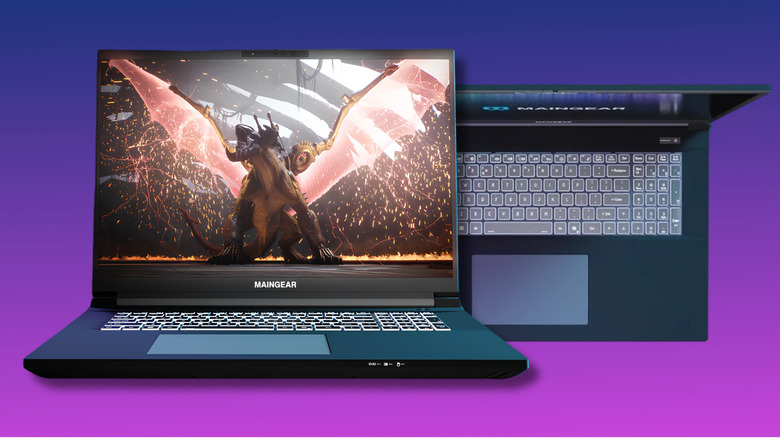
It’s been common knowledge for decades that desktop gaming rigs often outlast and outpower laptops because of better thermal headroom and upgradable components. However, when comparing my MainGear laptop and PC, I’ve actually managed to get better performance from the Ultima 18 versus my Rush Artist series. The kicker here is the laptop option comes in at $3,699, whereas a comparable Rush PC build is coming in at $4,230. Here are the specifications:
- CPU: AMD Ryzen 7 9850X3D
- RAM: 32GB 6000 MT/s DDR5 RAM
- GPU: AMD Radeon RX 9070 XT
- Storage: 2TB 7,400/6,800 MB/s PCIe Gen 4 M.2
- CPU: Intel Core Ultra 9 290HX Plus
- RAM: 32GB DDR5 4800MT/s
- GPU: NVIDIA GeForce RTX 5080 Mobile
- Storage: 2TB Gen4 NVMe SSD
- Screen: 18″ 16:10 4K 240Hz G-Sync
When trying out “Halo: Campaign Evolved” and “Oblivion Remastered,” they hit over 100 FPS on Ultra settings, no ray tracing and DLSS/FSR enabled, alongside frame generation with balanced settings.
That’s standard performance for both, but the kicker here is that the desktop PC was at 1440p, lowering to sub-60 frames per second at 4K. The laptop sat comfortably at 100 FPS at 4K, which is fantastic. The lesson here is to do some homework before going for an expensive build, and of course, there’s plenty of reasons why these aren’t comparable builds. However, when it just comes down to price tags and performance, gaming laptops could be a great way to save some money and still have a rig that lasts without needing major upgrades.
Diminishing graphical returns and the end of Moore’s Law
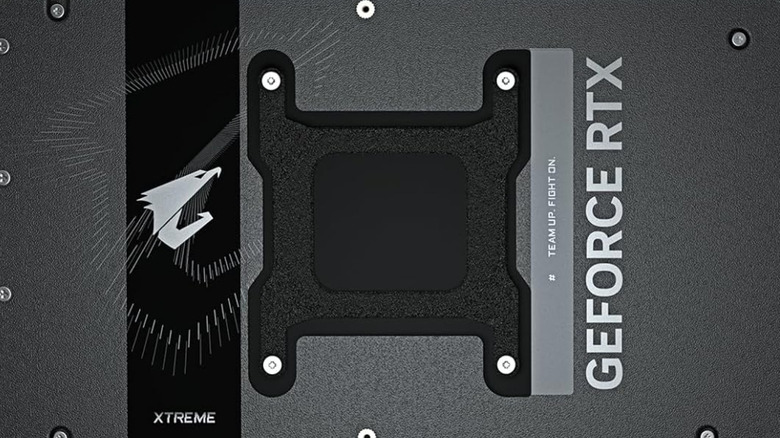
For decades, the computer industry at large depended on Moore’s Law to deliver dramatic generational performance leaps every two years. With physical transistor scaling slowing down significantly, hardware manufacturers have shifted away from hardware-only updates. Rather than attempting to push expensive 4K and 8K monster cards that consumers can’t afford, chipmakers and game developers are focusing on intelligent upscaling, refined ray-tracing lighting models, and frame generation. This means gamers are getting far more performance out of their graphics cards than their native hardware is capable of.
This pivot is great news for anyone maintaining a gaming PC today. Since software requirements aren’t expecting a big leap in hardware power every two years, the effective window for future-proofing a gaming PC is substantially wider than at any point over the last 20 years. Building a PC with the best priorities in mind or looking for the right specifications for a laptop allows users to keep their existing configurations relevant far longer than previously thought.
Given the realities of chip shortages and elevated component prices, extending hardware lifespans has become the dominant consumer strategy. Taking proper care of one’s desktop or laptop gaming PC, keeping drivers updated, and embracing software upscaling makes sure that magical investment will keep chugging out solid frames for your favorite games for years to come.
