

Nintendo Switch 2 physical media is here to stay (for now) – here’s why
Nintendo Switch 2 physical media is here to stay (for now) – here’s why
Posted on July 10, 2026 by Ethan in Features, Switch 2
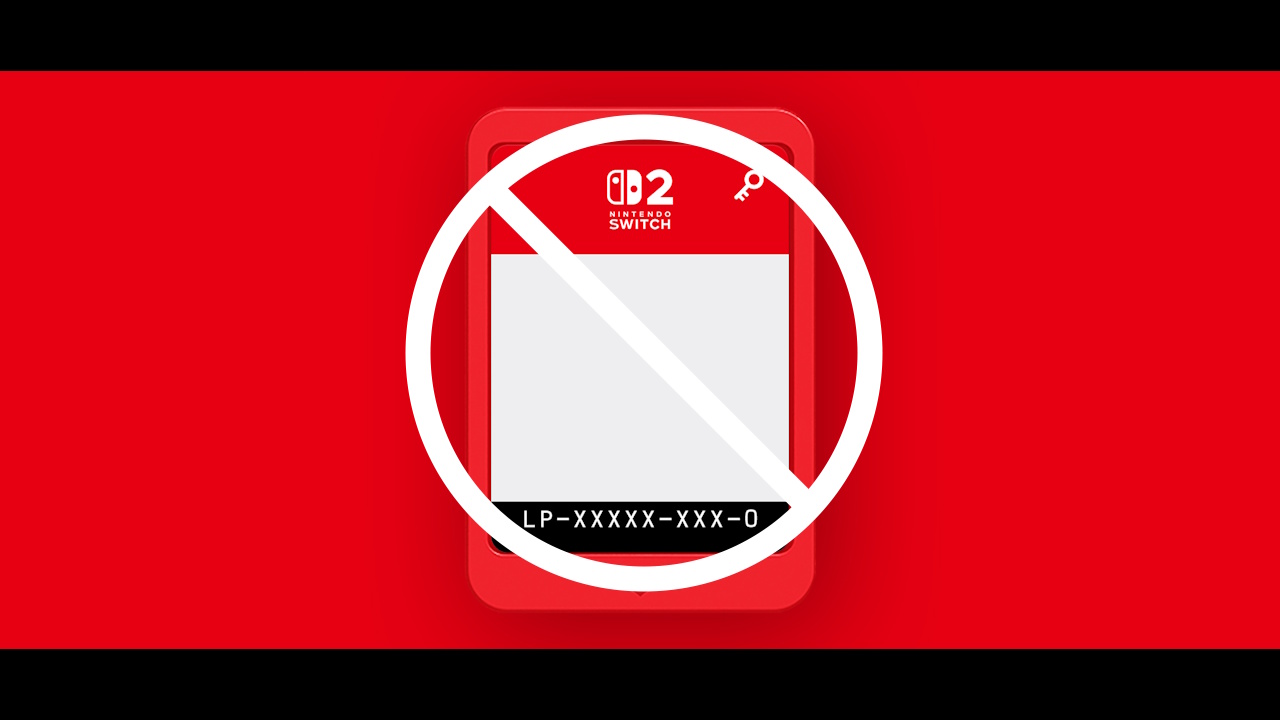
Things haven’t been so good for the video game industry lately – that’s a very light way to put it, at least. Between Microsoft laying off over 1,000 Xbox employees and Sony completely phasing out production of new physical discs by 2028, deep-rooted issues have taken hold of both consumers and employees. And with all of that news about Sony cutting disc production, we’ve actually noticed a surprising number of people saying that all NintendoSwitch 2 games are game-key cards, which is definitely not true.
Game-key cards are a constant hassle for physical collectors – if you don’t know about them already, they’re cartridges that serve only as digital licenses, and don’t have data present on them. But there’s also a good bit of misinformation about them, so today we’re clearing up which titles are game-key cards, which ones aren’t, and why we think Nintendo will stick with physical media on Switch 2
(Almost) all first-party physical releases are 100% on cart
As has been very commonly reported, memory prices are skyrocketing in recent months thanks (or in this case, no thanks) to the rise of AI data centers hogging as much storage as they possibly can. This means everything from game consoles to phones to computers to game cards are impacted, and that’s probably a big reason why so many game companies have been moving away from physical releases (but definitely not the only reason)
Though this is mostly conjecture, it’s thought that each 64 GB game card costs Nintendo between $15 and $20 to make per unit. Considering most games cost $60 to $80 on Nintendo Switch and Switch 2, that’s a pretty hefty amount of money subtracted from each sale. But Nintendo can afford to pay it, whereas third-party companies mostly opt for game-key cards. These are much cheaper to make because they only store enough data for a digital license, rather than enough data to store an entire game.
With that in mind, every single first-party release from Nintendo currently has a true physical release other than Pokemon Pokopia, which is the only major Switch 2 title that’s a game-key card. Mario Kart World, Donkey Kong Bananza, Kirby Air Riders, Yoshi and the Mysterious Book, Star Fox, Splatoon Raiders, Hyrule Warriors: Age of Imprisonment, and every Nintendo-published title with “Nintendo Switch 2 Edition” in the name is 100% on card. You can pop it in your system and play it right away, if you wanted.
That being said, a lot of these games received updates since they had physical releases, so those game cards technically are not fully updated. With Switch 1, some Nintendo-published games received updated physical releases that included DLC and updates, though we’ve yet to see if the same will be true on Switch 2.
Game-Key Cards
While almost all of Nintendo’s own releases are true physical cartridges, the same can’t be said for third-party games, which winds up being a huge bummer for collectors. In a way, game-key cards offer the worst of both worlds – you have to grab a physical cartridge to put in your system, but you still have to download the full game to your system storage. And you have to have that cartridge popped in in order to actually play the game. So for most, if you see a game you want to buy that only has a game-key card physical version, it’s probably best to buy digital.
That said, game-key cards offer one advantage: they can be resold. Generally speaking, you cannot refund or give away titles you purchase digitally on Nintendo Switch or Switch 2. But with these cards, you can give a game a try and then sell it on a resale website when you’re done with it. Likewise, prices for secondhand game-key cards often wind up much cheaper than buying these games digitally (since they don’t sell anywhere near as much as true physical releases).
While game-key cards definitely have a lot of disadvantages, it does at least keep the resale market alive. It’s frustrating to see games you want get released this way, but chances are, if that’s the case, there was no chance the developers were ever planning to ship the title as a true physical edition. In other words, it’s better to release as a game-key card than exclusively digitally because it does at least give buyers another option
To an extent, it’s unfortunately understandable why third-party developers opt for cheap game-key cards rather than true physical versions. As mentioned earlier, it’s thought that Nintendo themselves pays between $15 and $20 per unit, and third-party developers definitely don’t want to eat that cost when they could just sell a game digitally and not have to lose that amount of money. On the other hand, raising the price of a $70 game to $90 or $100 for a physical version would possibly cause physical buyers to lose interest anyhow. So it’s a tough and unfortunate situation, but it does mean that it’s more important than ever to support developers who do make the effort to make their games available via a true physical version.
Some examples of third-party games with true physical releases are Cyberpunk 2077: Ultimate Edition, Orbitals, Indiana Jones and the Great Circle, and Marvel Cosmic Invasion, among others. Support for these games with true physical editions has been very high, and continued support may help convince other companies to follow suit with their own true physical releases. Although Nintendo may eventually switch to a digital-only platform in the far future, they’ve made efforts to keep their physical market sustainable. Digital versions of Nintendo games now cost $10 less than their physical counterparts, for instance, and another good point: with Sony leaving the physical market, Nintendo’s physical store presence is going to increase. Right now, the company shows no signs of stopping their physical releases, though Game-Key Cards do remain a frustration for third-party titles. Though you can at least resell them, and buy them used – a big factor that is erased when you switch to a digital-only platform.
How many physical games have you been buying on Nintendo Switch 2? Do you go for true physical editions and skip game-key cards, or do you prefer just buying digital? Let us know in the comments down below. Also, don’t forget that we have a running list of all game-key cards here
More: highlight, top
© Copyright 2026
