

Sometimes, all it takes to feel a little less alone is finding a fandom where someone else is cheering for exactly the same thing.
It usually starts with something small. Maybe it’s a song you can’t stop replaying, a book you can’t put down, a TV show that makes you think about the characters as the credits roll, or a sports team that somehow affects your mood every weekend. Before you know it, you’re searching for theories on subreddits, sending memes on Instagram, joining conversations on X, or exchanging excited messages with strangers who understand how you feel.
Finding Your People
After spending years being online and immersed in fandoms, I know the thrill of waiting until midnight alongside millions of people worldwide. The countdown ends, a music video or new episode drops, and fans start dissecting lyrics, spotting Easter eggs, and sharing reactions in real time. A fan in Japan posts a translation within minutes, someone in Brazil explains a cultural reference, and another in London uploads fan edits. For those few hours, geography doesn’t matter because you’re part of a community experiencing the same moment together.
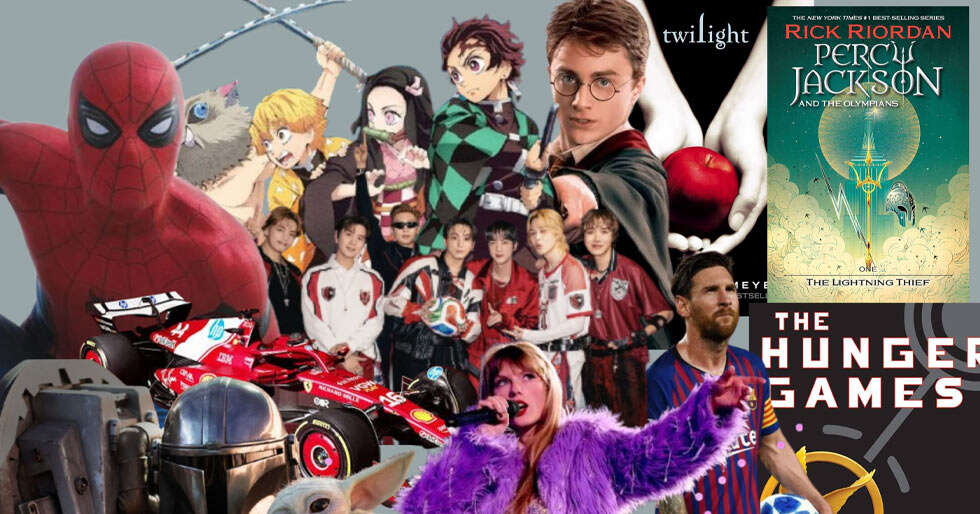
That feeling is everywhere. Just ask anyone who stayed up for the release ofHarry Potter and the Deathly Hallowsor raced throughThe Hunger Gamesto join the conversation and share their thoughts online. It’s the same feeling when thousands of Swifties sing the bridge to Taylor Swift’sCruel Summerin unison, share friendship bracelets with strangers, or when fans fervently defend Team Jeremiah or Team Conrad after watchingThe Summer I Turned Pretty. In a fandom, media stops being something we consume alone and becomes something we all experience together, complete with the highs and, yes, even the lows.
The K-Pop Effect K-pop fandoms might understand this best. Whether it’s ARMYs counting down to a BTS comeback, MOAs decoding TXT’s lore, or BLINKs celebrating BLACKPINK’s latest release, fans translate livestreams for international audiences, organise birthday fundraisers, swcards across continents, and line up overnight for concerts. Often, they leave with friendships and memories that might last longer than the groups they love
Few experiences compare to watching an entire stadium erupt after a last-minute goal or seeing millions celebrate a FIFA World Cup or Formula 1 victory together. Whether you’re refreshing the score every few seconds or celebrating with strangers at a watch party, fandoms make victories feel shared, and losses feel personal. These are people we might never meet, fictional worlds that don’t exist, and games whose outcomes we can’t control. Yet they become some of the most important parts of our lives.
The Feeling of Belonging
Psychologists often say that belonging is one of our most basic needs, and fandoms provide just that. Of course, some downsides exist, such as disagreements that turn toxic and unnecessary competition. But, for every fan war, there are countless quieter acts of kindness. Fans raise money for charity in an artist’s name, organise book swaps, create accessibility guides, hand out freebies at concerts, or simply check in on someone they’ve connected with over their favourite artist.
When life feels overwhelming, fandoms can offer comfort and something to look forward to. Sometimes, the most crucial reminder we need is that, even when the world feels disconnected, there’s always someone else refreshing the same countdown, singing the same lyrics, or cheering for the same thing you are too.
Next Story :Megha And Pritesh Asher On Building Juicy Chemistry Without Compromising On What Matters
Next Story
