

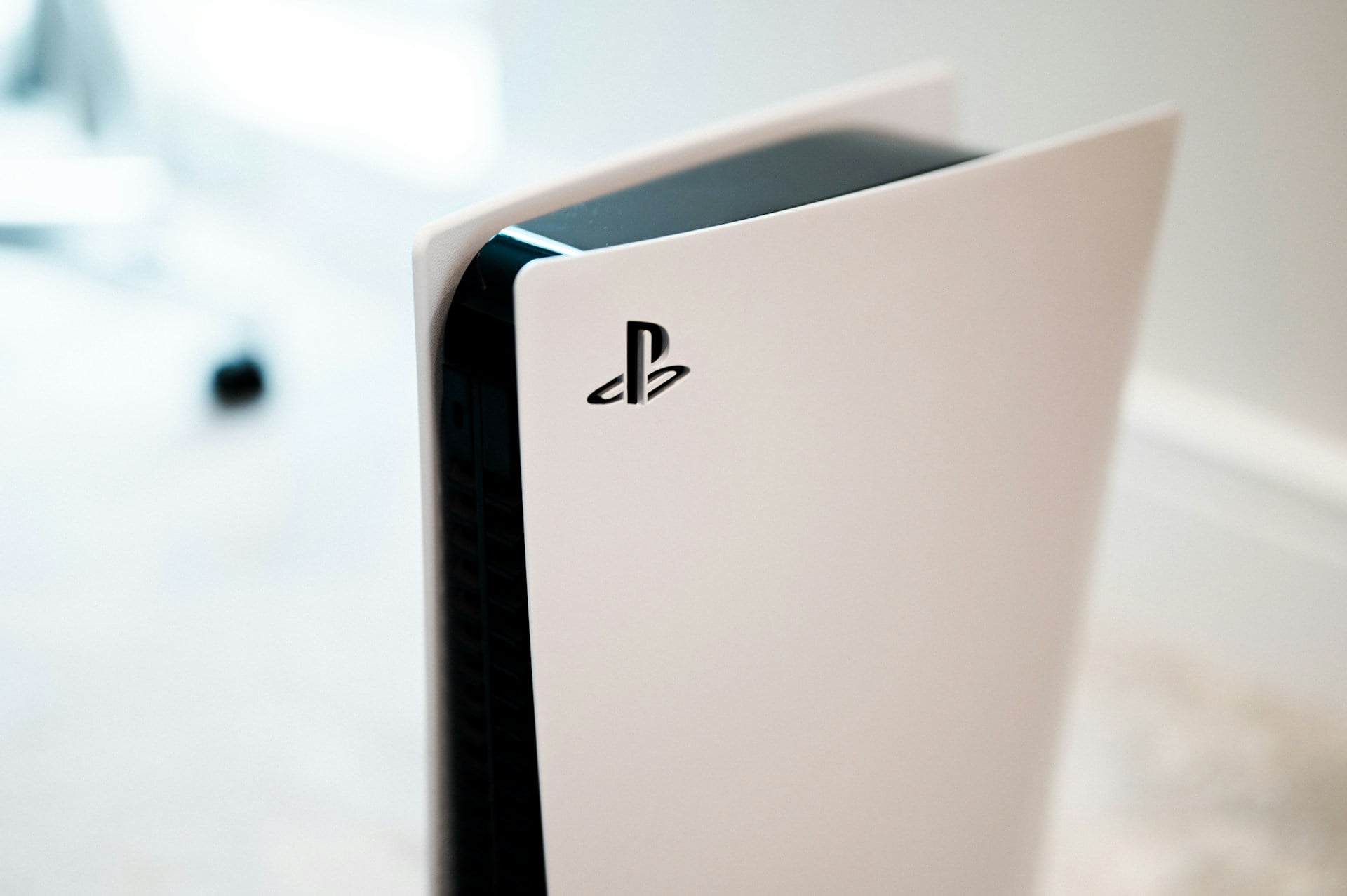
Dividing Sony’s $7.85 Million
Start with the arithmetic. Lawyers may request up to 25% of the fund in fees, plus expenses, plus $30,000 in service awards for the three named plaintiffs, plus administration costs. Assume the full fee award is claimed, which is the safe assumption, and roughly $5.89 million remains. That gets divided across 4,407,533 eligible PlayStation Network accounts. The resulting cheque, or rather the resulting store credit, works out to a dollar or two per qualifying purchase for most people.
Key Takeaways
- Eligible US accounts were enrolled automatically with no claim form required, and payment arrives as PlayStation Store credit rather than cash.
- Nothing pays out before a final fairness hearing on 15 October in San Francisco, where Judge Araceli Martínez-Olguín rules on approval and the allocation plan.
- Lead counsel Michael Buchanan has said individual recoveries should fall between $0.91 and $33.66 in store credit, prorated by qualifying purchases.
The eligibility rules are narrower than most people assume. A purchase counts only if it was made through the PlayStation Store between 1 April 2019 and 31 December 2023, and only if that specific game had a download voucher available at retail before 1 April 2019. The title also needed at least 200 voucher redemptions, and its price had to rise by at least 50 cents after Sony ended the voucher programme. Sony supplied a fixed list of qualifying titles, which includes The Last of Us Remastered, Bloodborne and Until Dawn alongside third-party releases such as NBA 2K18 and No Man’s Sky. <a href="https://comicvibe.com/nintendo-customer-appreciation-sale-2026-everything-you-need-to-know-to-shop-now/” title=”Nintendo Customer Appreciation sale 2026: Everything you need to know to shop now”>Everything else bought in that window is excluded.
Each account’s share is prorated against how many qualifying purchases it made relative to the rest of the pool. The final figure depends entirely on the total volume of qualifying purchases and their distribution, which is why the estimated range spans a factor of 37.
How the Case Got Here
Agustin Caccuri sued Sony on 5 May 2021, two years after game-specific vouchers stopped reaching retailers. Two further suits, from Adrian Cendejas and Allen Neumark, were folded into his as a class action. Before April 2019, shops including Amazon and GameStop could sell download codes and discount them against PlayStation Store pricing. Once the vouchers ended, Sony’s storefront became the only route to a digital PlayStation game. The complaint called that monopolisation under the Sherman Act.
Chief Judge Richard Seeborg dismissed the original complaint on 15 July 2022, finding the anticompetitive conduct inadequately alleged, but allowed the plaintiffs another attempt. The reworked version survived in February 2023, with Seeborg finding it plausibly alleged that Sony had “sacrificed short-term profits for long-term gain” by cutting retailers off. Sony then tried to block the class action using the waiver in its terms of service. The court rejected that in May 2024, and Sony chose settlement over trial.
The settlement itself took three attempts. Judge Martínez-Olguín rejected the first version, finding “glaring shortcomings” in the approval motion and observing that settlements paid in credits rather than cash are “generally disfavored.” A renewed motion with a reworked allocation plan was filed on 26 February this year, and preliminary approval followed in April 2026.
What Does Not Change
Settling is not an admission of wrongdoing, and nothing about the PlayStation Store’s operation changes as a result. Retail vouchers are not returning. Sony’s storefront remains the only place to buy digital PlayStation games, at whatever price Sony sets. For $7.85 million, which is a rounding error against PlayStation’s digital revenue, the case closes.
The larger reckoning is happening elsewhere. A £2.7 billion antitrust action over PlayStation Store pricing, brought on behalf of roughly 12 million consumers, went to trial at the UK Competition Appeal Tribunal this spring with judgment still pending. That case attacks the commission structure directly rather than the voucher question, and a loss there would cost Sony several orders of magnitude more.
The pattern extends well past gaming. Courts and regulators across several jurisdictions have spent five years testing whether a platform owner may be the sole retailer on its own storefront, and the answers keep arriving as damages rather than as structural remedies. Coverage of the approved settlement terms and the automatic distribution mechanism shows how little the outcome disturbs the underlying business, and analysis of the rejected first version and the coupon-settlement objection explains why judges have grown sceptical of credits as compensation in the first place.
Platform economics are moving in the opposite direction elsewhere, which sharpens the contrast. Roblox has just committed to letting creators build and ship games through its own tooling while opening distribution outside its app entirely. One platform is loosening its grip voluntarily. Another spent five years in court defending a storefront monopoly and kept it.
- Diablo V Set for Spring 2029, Blizzard Confirms Netflix Series
- GM Leads the Retreat From CarPlay as Apple Pushes CarPlay Ultra
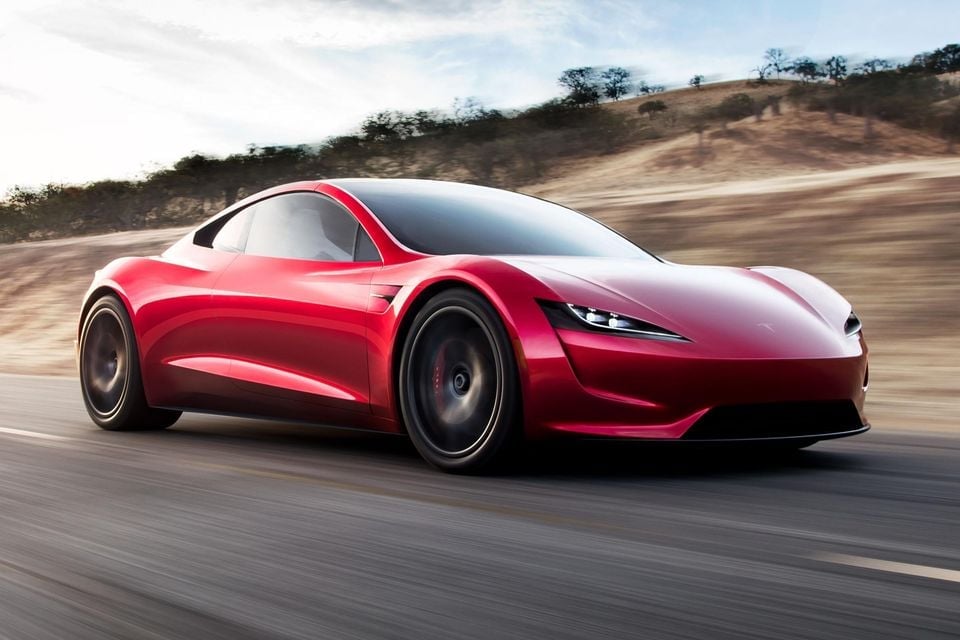
Tesla Sets 1 October Reveal for the Second-Generation Roadster
Where to Find GPT-6 Astra in ChatGPT, and What It Costs
Hyundai Delays Its Own Driver-Assist Software to Late 2029
DeepSeek’s Smallest New-Architecture Model Adds Vision and a Million-Token Window
NASA and IBM Release an Open-Source AI Model Built for the Moon Exploration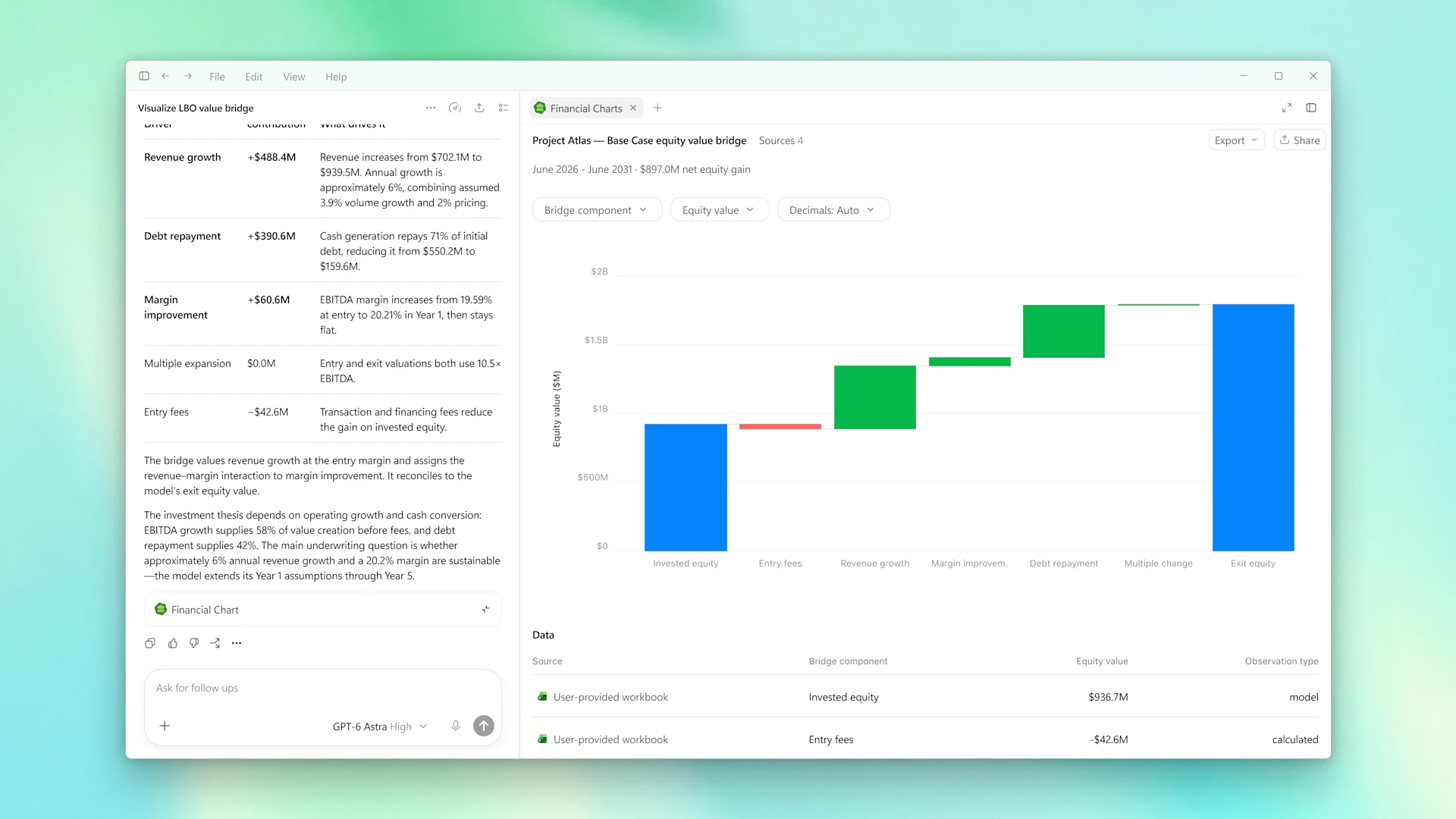
OpenAI Builds a ChatGPT Aimed Squarely at Investment Banking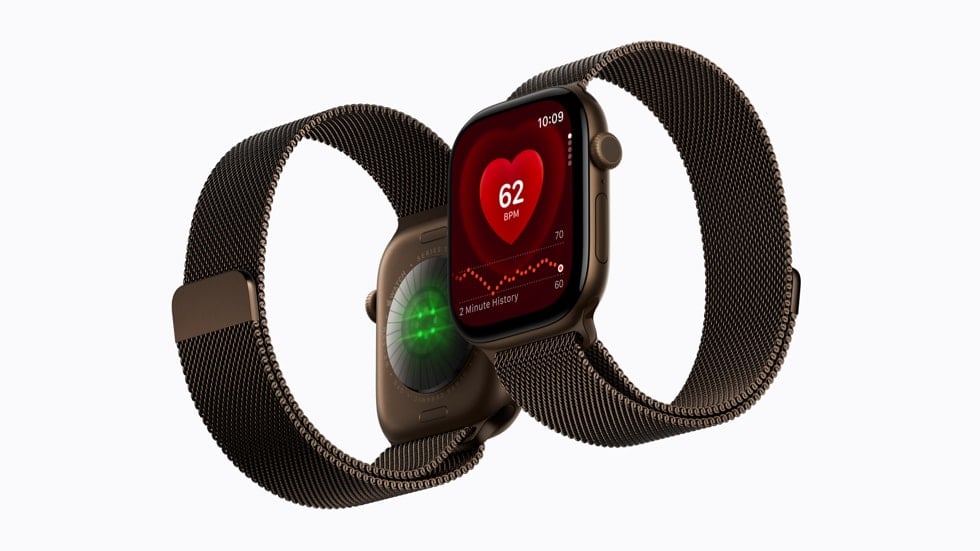
New Apple Watch Transcribes Conversations and Reads Heart Rate Every Five Seconds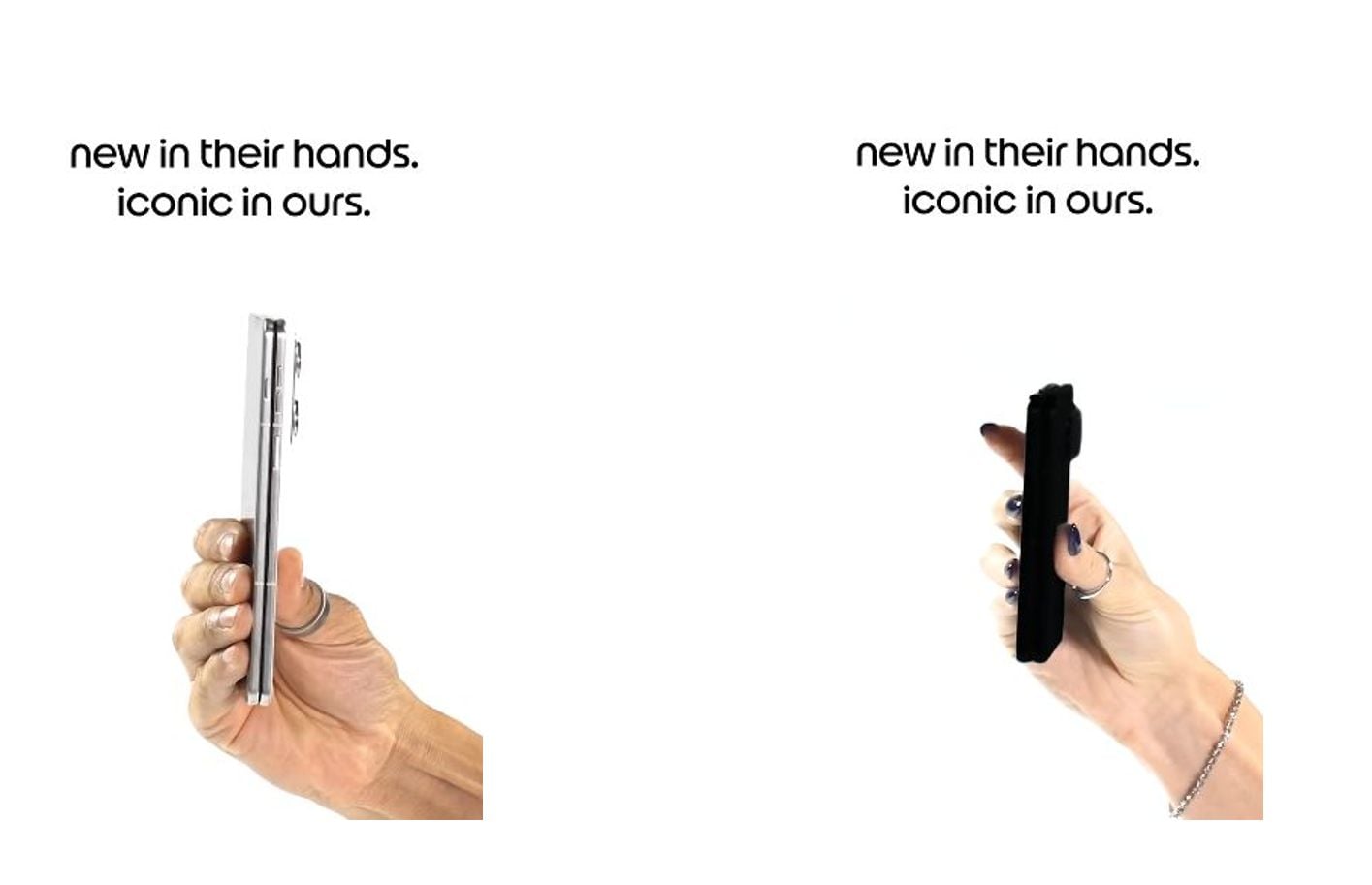
Next Razr Will Fold Sideways, Motorola Video Suggests
