

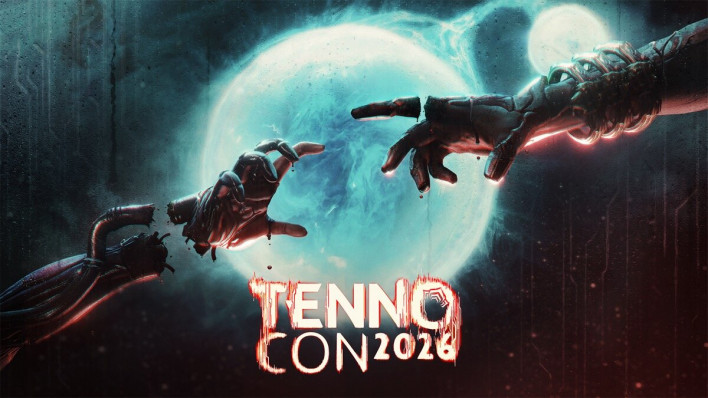
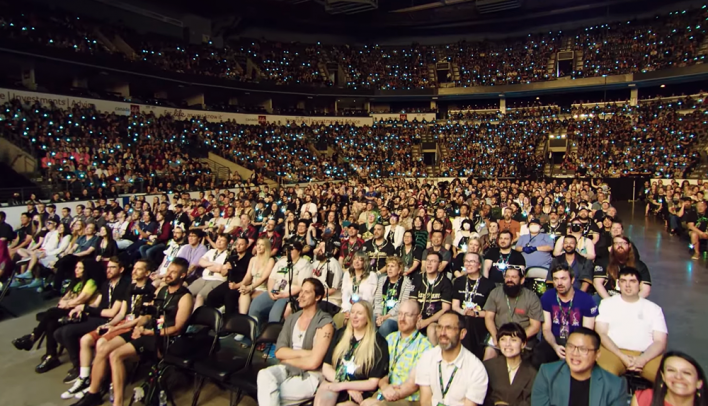
‘TennoCon 2026,’ the festival for the global long-running title ‘Warframe’—which has undergone continuous evolution over 13 long years—has kicked off in London, Canada, the home of Digital Extremes, at its largest scale ever
The event, which proved the fervent passion of fans worldwide by selling out all tickets in just 30 minutes, captured gamers’ attention by unveiling the new Warframe star chart ‘Tau’ and the core systems of the major new title ‘Soulframe’ for the first time. Notably, this year featured a massive in-game live showcase that synchronized players globally, presenting a new dimension of community events where developers and users could interact in a single space-time
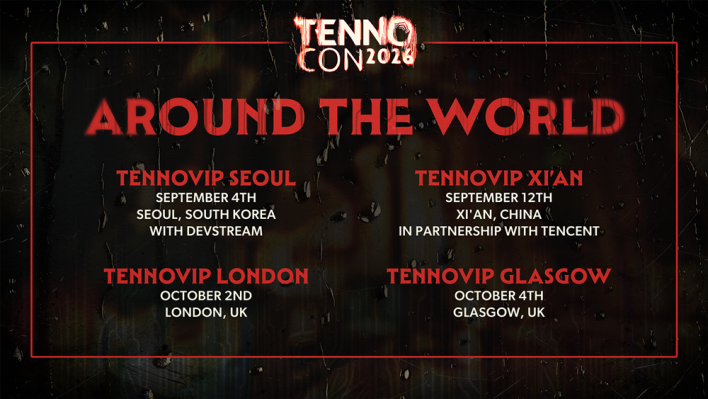
Above all, the aspect of this event that most strongly caught the eyes of domestic gamers was Digital Extremes’ bold move toward the Korean market. Seoul, South Korea, was announced as the first stop for the ‘Tenno VIP World Tour,’ which will travel across the globe. The offline ‘Tenno VIP’ event and ‘Live Devstream’ to be held in Seoul on September 4 are a measure of Digital Extremes’ deep affection for the Korean fandom, which has grown quietly but firmly, and a strong expression of their will to breathe more closely with domestic users and expand direct communication moving forward.
Following last year, we were able to meet Sheldon Carter, President of Digital Extremes, who has been leading the studio for a long time, at the TennoCon venue again this year. We listened to his sincere stories about leading two massive projects over the past year with ‘trust’ in players as the top priority—from the endless scalability of the Warframe ecosystem and its solid monetization philosophy to the weapons of the new title Soulframe, which is establishing its own identity among formidable dark fantasy competitors.
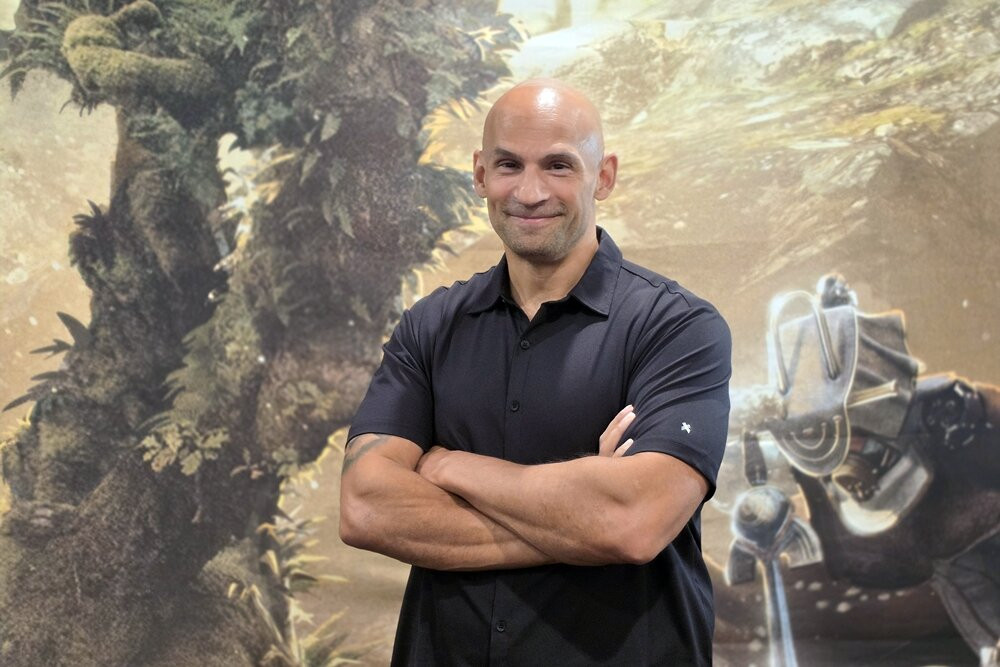
Q. Warframe has achieved the phenomenal milestone of its 13rd anniversary. As the president who has led the studio for a long time, you must have special feelings watching this year’s TennoCon 2026, the largest ever, on-site
“It is wonderful to be able to hold TennoCon in our home city of London every year. The entire city of London is proud of the TennoCon event. Local merchants are even excited enough to sell TennoCon special drinks, and the fact that all our employees can participate in the event directly is very meaningful. It is a truly important and significant event for the studio as well. We gain the driving force to work all year round by meeting community members in person and feeling their passion. It is truly the best.
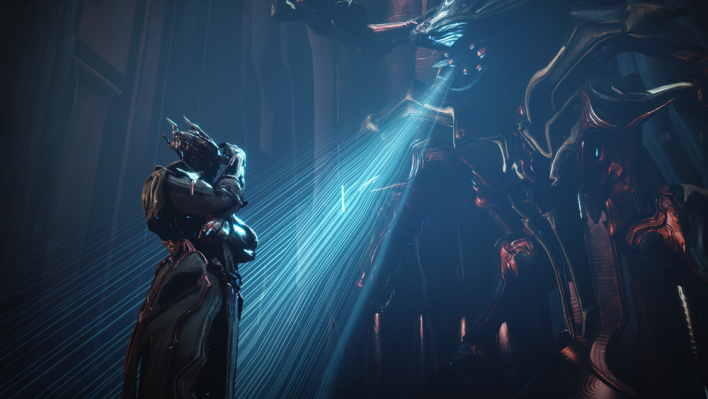
Q. The new star chart ‘Tau’ was unveiled for the first time through ‘TennoLive.’ In expanding the vast worldview built over 13 years, you chose a method of leading the stories of both worlds together without leaving the existing ‘Origin System’ behind. What was the development philosophy you pondered most intensely during the planning stage of this new chapter?
“What we definitely wanted was to give the feeling that even if you travel to Tau, you can return to the Origin System at any time. The Origin System still has numerous story branches in progress, and there are conflict elements that are very familiar and precious to players. The core of our development philosophy lies in ‘Variety’ for both us and the players. In Tau, you can meet a detective Warframe with an excellent skill set never seen before, or experience completely new elements like interesting casino features.The rain in Tau corrupts the Sentients, so there is so much that can be done with just that one planet. At the same time, we can always develop the story by saying, “Meanwhile, in the Origin System, these things are happening to the characters you loved.” I think this method will be a great help in keeping both the game and the players interested and immersed for a long time.
Q. The ‘TennoCon 2026 Relay’ held in-game this year was a massive attempt to synchronize players worldwide in real-time. What was the motivation behind this attempt, and what new paradigm do you expect this in-game live synchronization technology to bring to Digital Extremes’ global user communication and event deployment in the future?
“Whatever demo we do, we don’t pre-record it; we just play it live. Even if there’s a bug in the middle. That’s all a risk factor, but a few years ago, we decided to take that risk one step further. That’s why we decided on this TennoCon Relay.Players go beyond just watching the TennoCon event on YouTube or Twitch; through the TennoCon Relay, they can have the experience of being connected with the developers and Tenno from all over the world within the game. Because they can log into the game at the same time and see that it’s actually happening and their own ship appearing. This powerful experience of connection that links the audience and everyone watching online was really important to us, and that’s why we attempted it despite knowing the high risk.
Q. In last year’s TennoCon interview, you mentioned improving the new user experience as a key task, and since then, various barrier-to-entry reduction efforts have been made, such as adding ‘The Teacher’ quest and revamping the Junction guide. How much have these system improvements influenced the influx of new users and the prevention of churn rates?
“The ‘The Teacher’ quest was a huge success. We realized that a key reason many players were leaving the game was simply because they didn’t know how to equip mods. By creating a process that helped them understand how to equip mods and how combinations affect damage, we saw a major shift. As a result, Warframe’s new player retention is currently at an all-time high. Thanks to this, we didn’t have to force ourselves to lower the barrier to entry for the Tau update; instead, we were able to design it with a long-term view, giving new players a goal to strive for.
Q. The Android version of Warframe was officially released this past February. How does the team evaluate its performance internally, and have you discovered any interesting new metrics regarding feedback or usage patterns from players enjoying the game on mobile?
“I would say that the mobile market is still an unfamiliar territory for the 14-15-year-old Warframe, so we are still in the learning stage. However, a dedicated user base that logs in and plays only on mobile devices every day has emerged, and we are also witnessing phenomena such as playing while switching between various platforms, like playing briefly on Android while riding the bus or commuting. Currently, user engagement is performing well on both iOS and Android platforms. The biggest achievement is the fact that players from regions who haven’t been able to play Warframe before are newly joining and participating in the community. I think we are achieving the goal of ‘improving accessibility’ well through mobile.
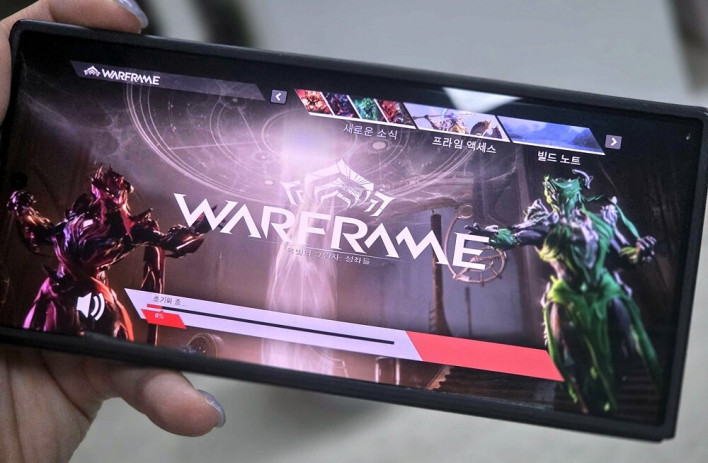
Q. Currently, Warframe supports almost all devices, including PC, PlayStation, Xbox, Nintendo Switch and Switch 2, as well as iOS and Android. Through comprehensive multi-platform support and the construction of a cross-play ecosystem, what is the ‘vision of experience’ or ‘final direction of service’ that Digital Extremes ultimately wants to provide to players?
“It is in line with our motto: “Let as many people as possible play Warframe.” In a world where hardware prices are getting more expensive, it means you don’t have to be tied to which device you chose or which device your friend uses; you can just ‘play the game you love on any device you have.’ Since we are on all platforms, you can enjoy it with other players at any time.
Q. During last year’s interview, I remember your impressive answer regarding Warframe’s monetization model (BM): ‘If you build the right relationship with players and provide valuable content, there is no need to force aggressive monetization.’ Looking back on the past year of service, do you evaluate that this philosophy is still working successfully from a business perspective?
“I can confidently say that that model is still being maintained very firmly and is working better than ever. It’s easy for new users to think, “I have to pay for all these items” when they first enter the shop, but as they play the game, they realize, “I can get everything just by playing the game hard.”Most of what we do is based on ‘building trust’ with the community. Even if we release cool paid items like Deluxe Skins, we try to balance them so that users don’t feel fatigued, thinking, “They’re asking me to open my wallet every time.” This philosophy of providing major content updates and optional cosmetic items separately will basically continue in the same way for our new title, ‘Soulframe.’
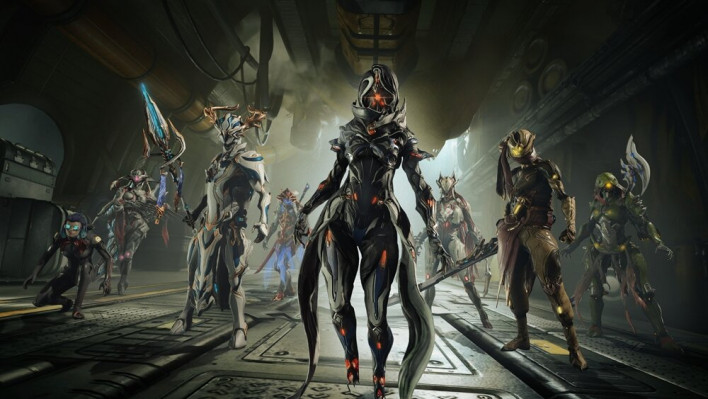
Q. You have to stably continue the massive live service that is Warframe while putting the major new title Soulframe on track. I am curious if there is any positive synergy or collaboration between the two project teams, technically or artistically
“There is positive synergy because both games use our proprietary ‘Evolution Engine.’ If one team develops, “We need this new shader,” the other team takes it and uses it. Interestingly, ‘Rain’ appears as an important element in the demo videos of both games unveiled this time; this is a case where the Soulframe team saw the shader the Warframe team made first and applied it. Although the genres are completely different, since they share the same development tools, there is technical exchange, and the scenario writers and voice actors (like Ben Starr) also move freely between projects, creating positive synergy.
Q. Soulframe is different in tone from the speedy Warframe you have been developing and servicing so far, and you are jumping into the dark fantasy action RPG market, which is already overflowing with formidable competitors. You are facing two major challenges: internal change and external competition. In this fierce market, what do you see as the most powerful weapon and unique identity that only Soulframe can show users?
“This is a part we are also constantly thinking about. First, the first differentiator is the theme of communing with nature and restoring ruined nature. In the dark fantasy market, the foundation of Soulframe is still bright and hopeful. The second differentiator is ‘Co-op multiplayer.’ We recently expanded to 4-player squad play, and I think being able to enjoy action with colleagues between single-focused action RPGs or heavy MMOs will be a great strength.Lastly, while you have to move carefully and tactically, it is not a harsh method where you take a painful hit if you make one mistake like in ‘Souls-like’ games. I believe the combination of combat that is not overly harsh and multiplayer will create great synergy.
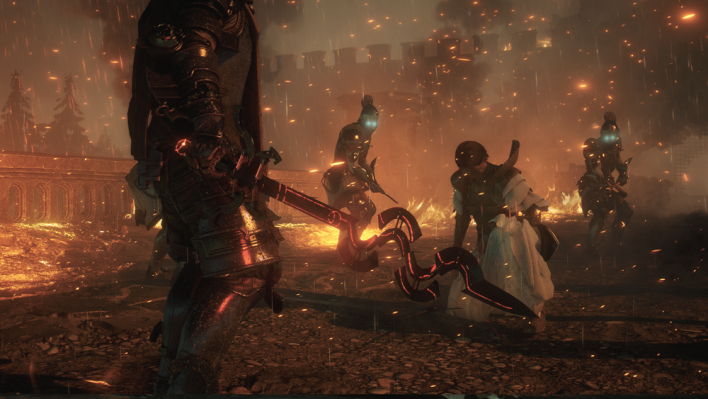
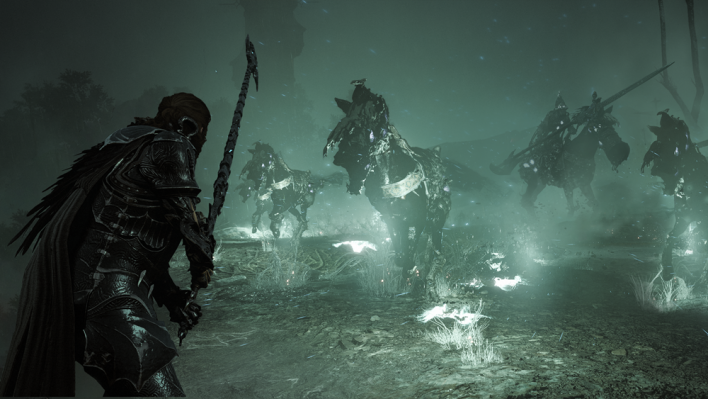
Q. The Korean game market has a high preference for the RPG genre with sophisticated combat mechanisms and deep action. From the developers’ perspective, what systems or unique features of Soulframe do you expect will strongly capture the tastes of these Korean users?
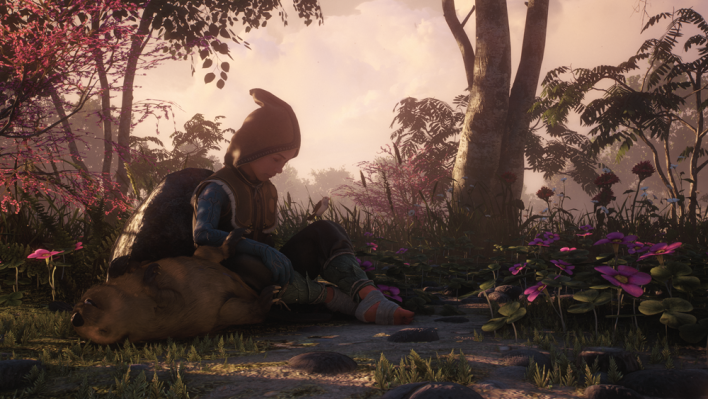
“In Soulframe, the various ‘Pacts’ given to players and the abilities derived from them provide deep mechanisms. In the case of the weapon system, it is not about crafting weapons entirely from the beginning, but a structure of defeating enemies and obtaining ‘Temper,’ which are various skill elements attached to weapons, to upgrade them. Through these elements, we expect to provide enjoyment that will satisfy Korean users who like deep RPGs. In addition to this, nature-friendly elements where players can commune with and manipulate animals like wolves or beavers will also surely approach users as a fresh charm.
Q. A surprise for Korean fans, the September Seoul Tenno VIP tour and local live devstream were announced at this TennoCon. I am curious what Korean users mean to Digital Extremes, and starting with this event, what changes you plan to make to communication with the Korean market in the future
“When we consider hosting events in other countries, the first thing we look at is whether the fandom in that region is growing noticeably. When we announce that we are holding an event in a specific region, it means, ‘We are now stepping into this region in earnest and intend to establish a greater presence.’Over the past few years, the fandom in Korea has been growing steadily and impressively, and we decided, “Then we should go there right away and communicate more closely with our Korean users!” Since Korean Tenno have been consistently and clearly making their voices heard, we want to respond by creating an opportunity to meet in person. We look forward to meeting and connecting with you all as soon as possible.
This article was originally written in Korean and translated with the help of NC AI. It was then edited by a native English-speaking editor. All AI-assisted translations are reviewed and refined by our newsroom.
[Read Original]
