

As Graham Platner bowed out of the Maine senatorial race amid further scandal, this time a sexual assault accusation, various names were floated as his replacement. Some of the ideas seemed natural enough, like the progressive former state senator Troy Jackson, who finished third in the Democratic primary for governor in June. There was also preliminary buzz around Boston College history professor and prolific Substacker Heather Cox Richardson
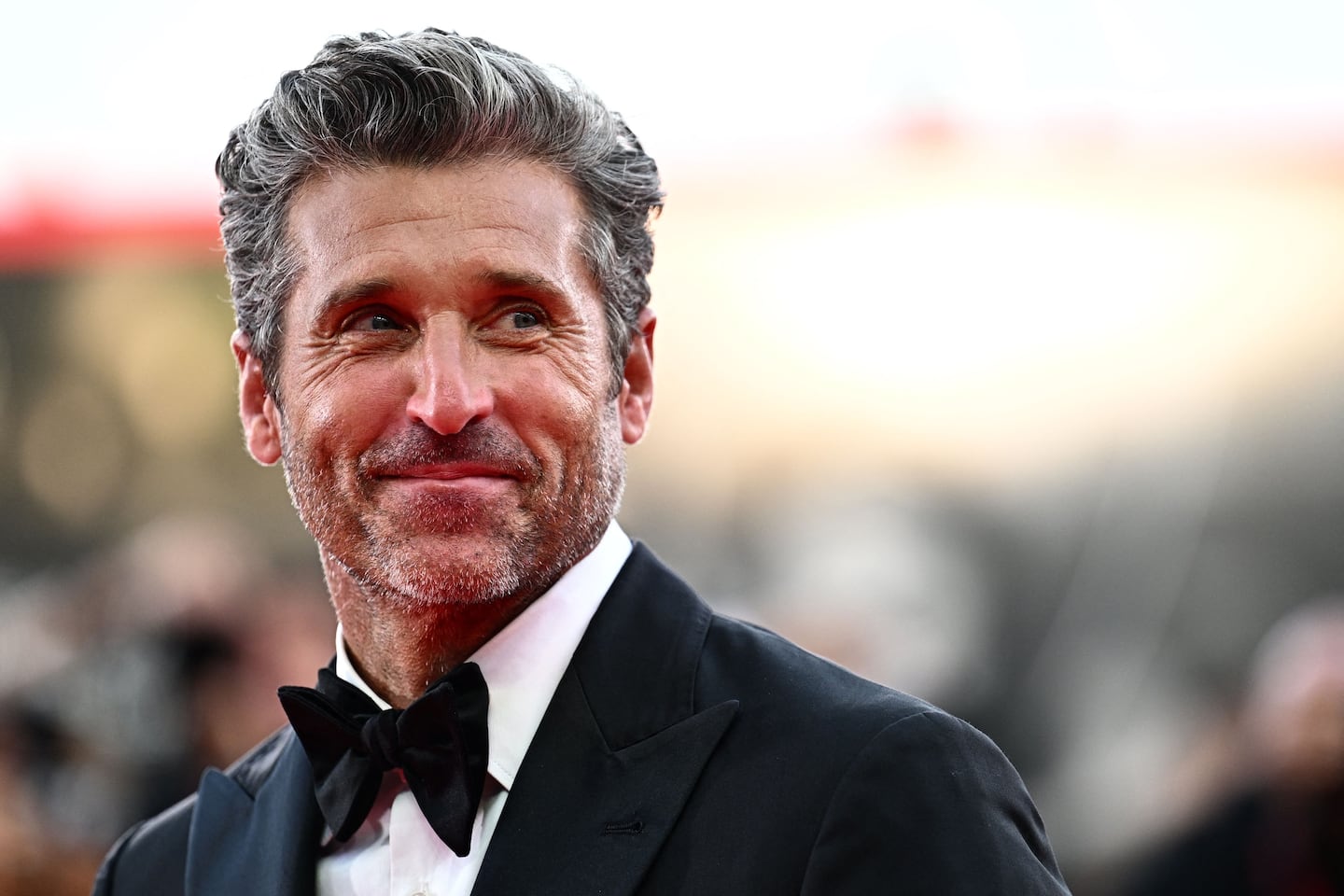
But the name that really got tongues wagging was favorite Maine son Patrick Dempsey, the actor best known for playing Dr. Derek “McDreamy” Shepherd on “Grey’s Anatomy.” The star of a steamy nighttime soap opera? As a US senatorfrom the Pine Tree State? There was a time when the very notion would have seemed absurd
But that time has passed, along with so many other political norms
Dempsey, 60, won’t be running, as he explained in an eloquent op-ed in The Portland Press Herald. (Richardson isn’t interested, either.) He’ll continue his work in cancer care as founder of the Dempsey Center. “I believe I can contribute more effectively through the life I’ve already built,” he wrote, though he added that he briefly considered entering the race
Dempsey, who started the Dempsey Center for cancer patients in response to his mother’s battles with breast cancer and also helped raise funds for families of the Lewiston shooting victims, is a beloved figure in his native state
Had he entered, it wouldn’t have come as a shock: Pop culture colonized electoral politics long ago. The prime example, of course, sits in the Oval Office, at least when he isn’t playing golf. Donald Trump is a creation of television, most famously through the reality series “The Apprentice,” on which he gained fame for snarling his catchphrase, “You’re fired.” Mentioned less often are his frequent guest spots on “Fox & Friends,” where he yukked it up with the hosts and built a bond with the viewers who would become his political base. This is where Trump directly appealed to many of those who would eventually vote for him, and where he could bask in his bottomless narcissism.
On TV, you can build a brand that has little to do with policy, a potential plus in an era when distrust in government is common, a background in actual politics can be construed as a weakness, and seemingly everyone is surgically attached to their screens. Al Franken, who got his start on “Saturday Night Live,” rode his dry, progressive sense of humor to a Senate seat in Minnesota (though he was also a policy wonk). Earlier this year, reality TV star and Trump chum Spencer Pratt (of “The Hills”) ran for mayor of Los Angeles; he was eliminated from the race after finishing third. The movies work pretty well, too. Arnold Schwarzenegger became the “Governator” of California on the strength of his career as an action star of few words, promising fiscal if not social conservatism.
And then there’s the big one, who turned his presence on movies andtelevision into a two-term presidency. Ronald Reagan went from B-movie actor (hard to believe the future union-buster was also a seven-term president of the Screen Actors Guild); to General Electric TV pitchman; to governor of California; to president of the United States. Somehow it seemed like a natural continuum. Reagan understood like no one before him how to talk to the camera, when to smile and nod, how to keep things punchy (“Mr. Gorbachev, tear down this wall!”). He spent his life playing roles; the presidency just happened to be his biggest. He knew intuitively what Richard Nixon learned only after hiring future Fox News head Roger Ailes to craft his image: how to communicate with the folks out there in TV Land.
For TV Land is not reality. It’s a fantasy world where an upstart presidential candidate named Bill Clinton can don shades, pick up a sax, and bleat out an Elvis Presley tune on “The Arsenio Hall Show,” just to show how cool he can be. Or two-term president Barack Obama can produce (and appear as himself on) HBO’s new Larry David sketch comedy series “Life, Larry, and the Pursuit of Unhappiness.”
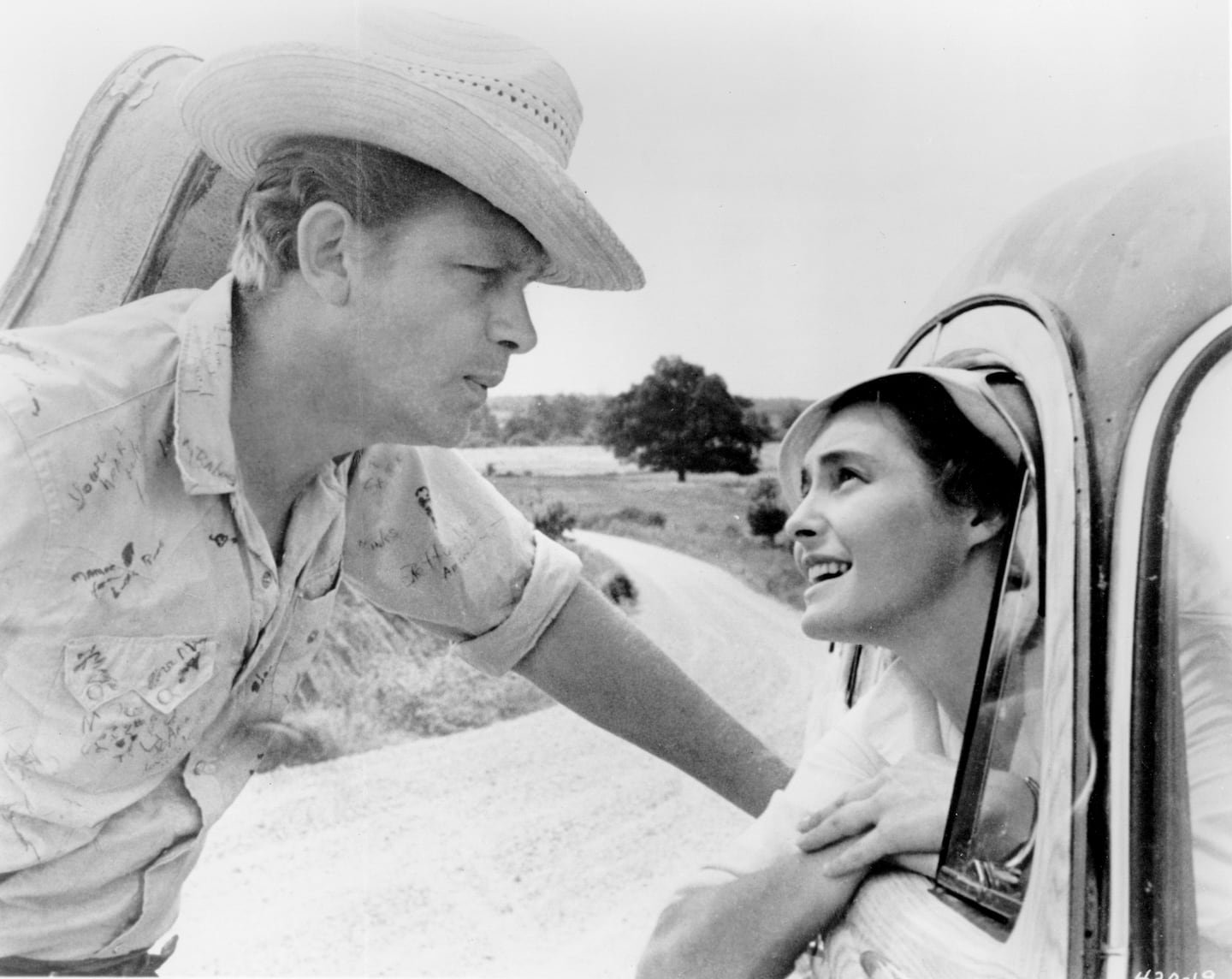
In the sharp-fanged 1957 satire “A Face in the Crowd,” the egomaniacal country boy Lonesome Rhodes (Andy Griffith) uses his aw-shucks charm and TV profile to rebrand an oligarchical presidential candidate as an everyman. It’s an ever-relevant movie, with one key caveat: Today, the candidates don’t need an onscreen surrogate. They can smile or snarl for the cameras all on their own
This is the world Dempsey chose not to enter. He’s still acting; in the recent Fox series “Memory of a Killer,” he plays a hitman suffering from early-onset Alzheimer’s. In his op-ed he issued a plea for those seeking office to “lead with humility.” Definitely not spoken like a politician
Chris Vognar can be reached at chris.vognar@globe.com. Follow him on Instagram at @chrisvognar and on Bluesky at chrisvognar.bsky.social
