

Growing up, I realised, very early, that while films made for women were widely consumed and much talked about, they rarely commanded the kind of respect they deserved. Legally Blonde (2001), Mean Girls (2004), orThe Devil Wears Prada (2006)were often dismissed as chick flicks — as if stories centred around female protagonists carried less cultural weight. Yet these were the very films that shaped how so many girls around me understood confidence, ambition and the power of female friendships. Long before ‘girlhood’ became an internet aesthetic reduced to Pinterest boards and social media trends,Legally Blonde’s Elle Woods (Reese Witherspoon in her most iconic role) gave audiences a radical hero to idolise — a hyper-feminine woman who refused to apologise for taking up space exactly as she was.
Elle loved pink, fashion, manicures, romance and beauty, and still walked into Harvard Law School as the smartest person in the room. At a time when female ambition in cinema was often depicted through seriousness, emotional restraint or the rejection of traditionally ‘girly’ interests, Elle Woods dared to insist that intellect and femininity could coexist. She did not abandon her pink car to be perceived as intelligent. The world simply had to change its perspective
Taking a legacy forward
Nearly twenty-five years later, that message remains painfully relevant. The upcoming prequel series arrives at a cultural moment where women are still negotiating the same exhausting binaries – smart or pretty, ambitious or soft, feminine or powerful – as though all those things cannot exist together. In this context, Reese Witherspoon’s decision to return to the world of Elle Woods as executive producer feels like a reclamation. Producer Lauren Neustadter previously shared that the idea stemmed from frustration with the narratives young women are constantly fed today. Where were the hopeful stories? Where were the girls allowed to be joyful, emotional, glamorous or imperfect, and still worthy of respect?
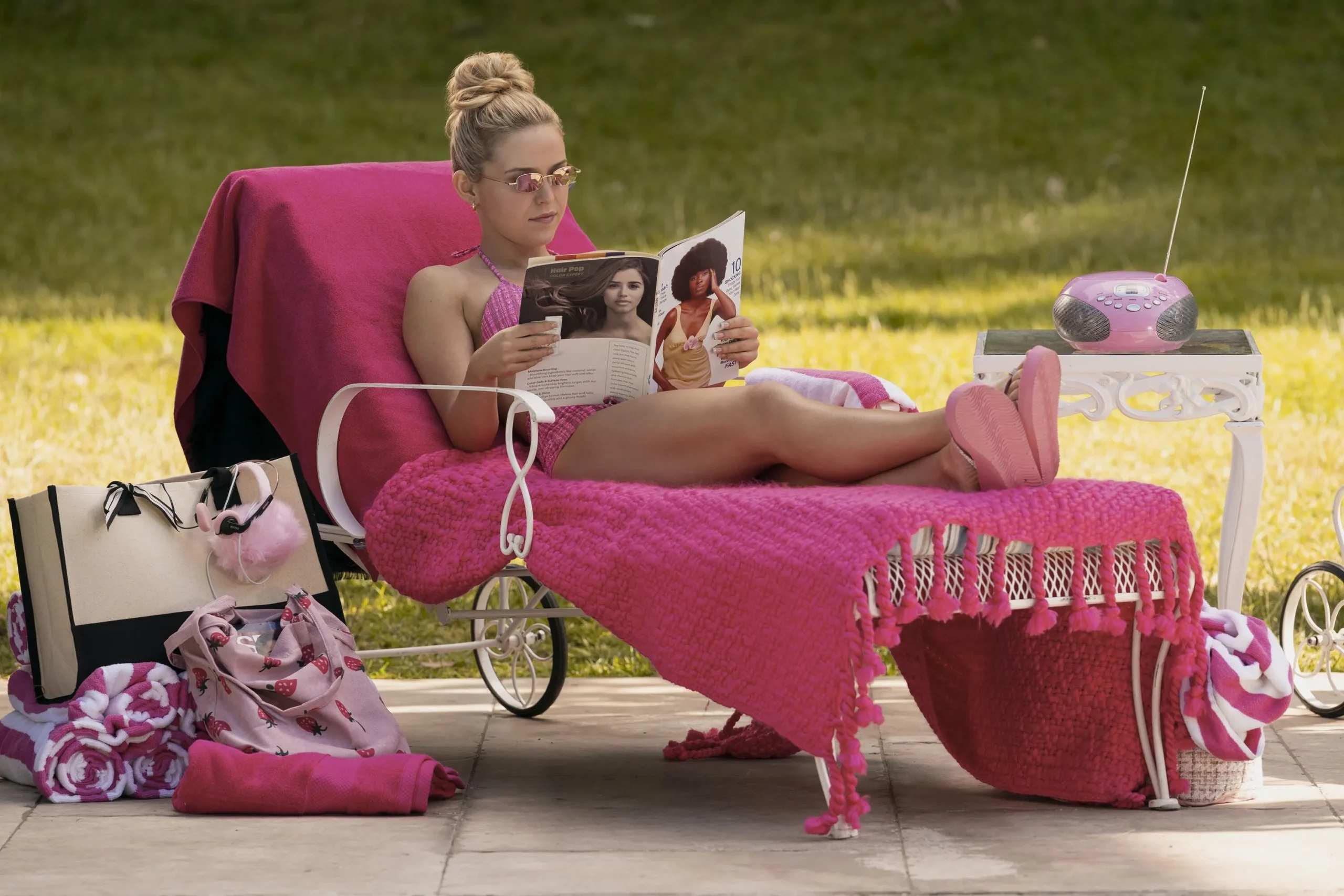
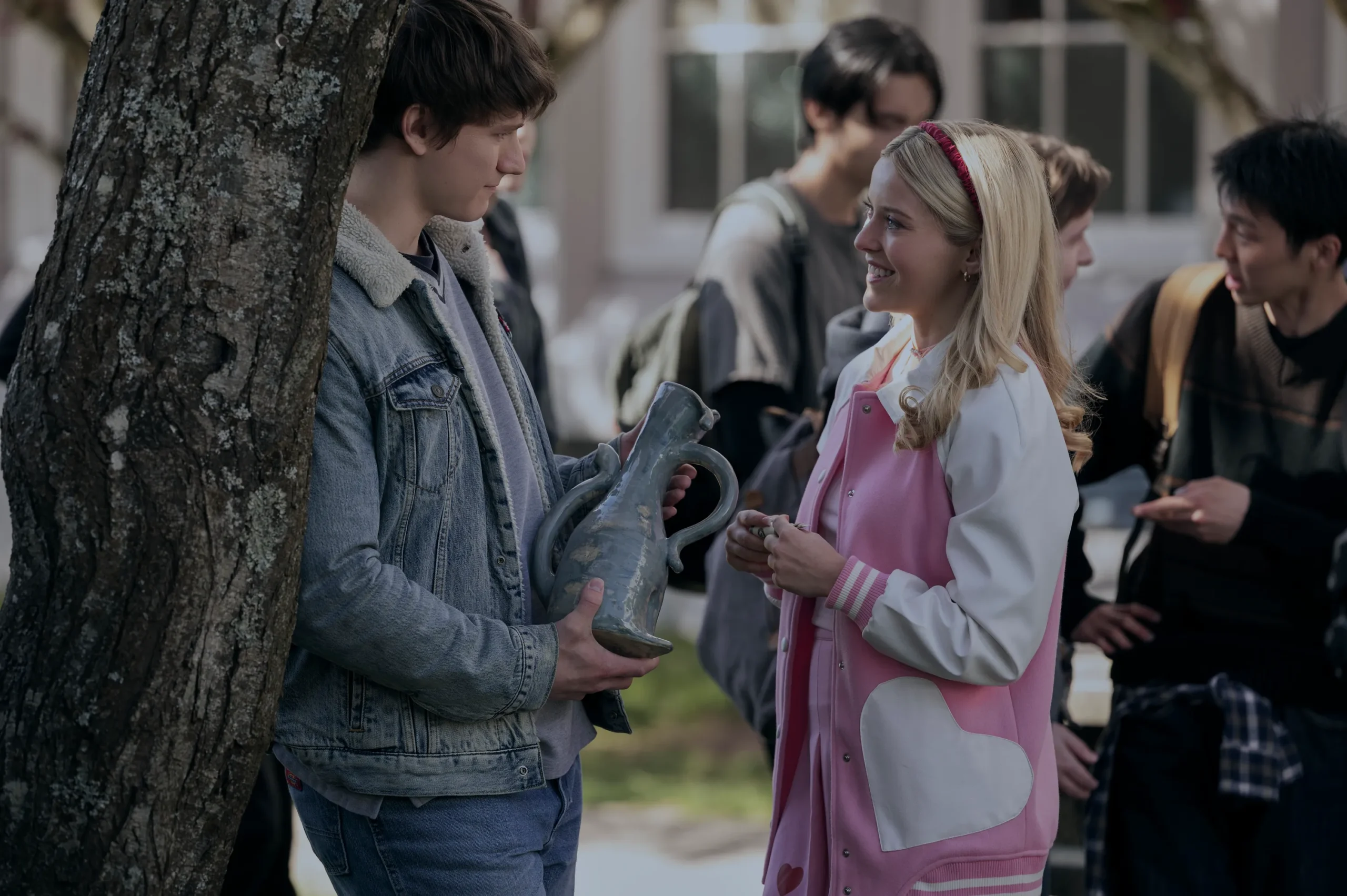
The new series travels back with Elle Woods to a time before Harvard, before the courtroom victories, before “What, like it’s hard?” became cultural canon. The show asks an intimate question: how does a girl become someone capable of refusing the world’s assumptions about her? The answer lies somewhere between teenage heartbreak, mother-daughter relationships, glossy wardrobes and the awkwardness of growing up in 1990s Bel Air, Los Angeles
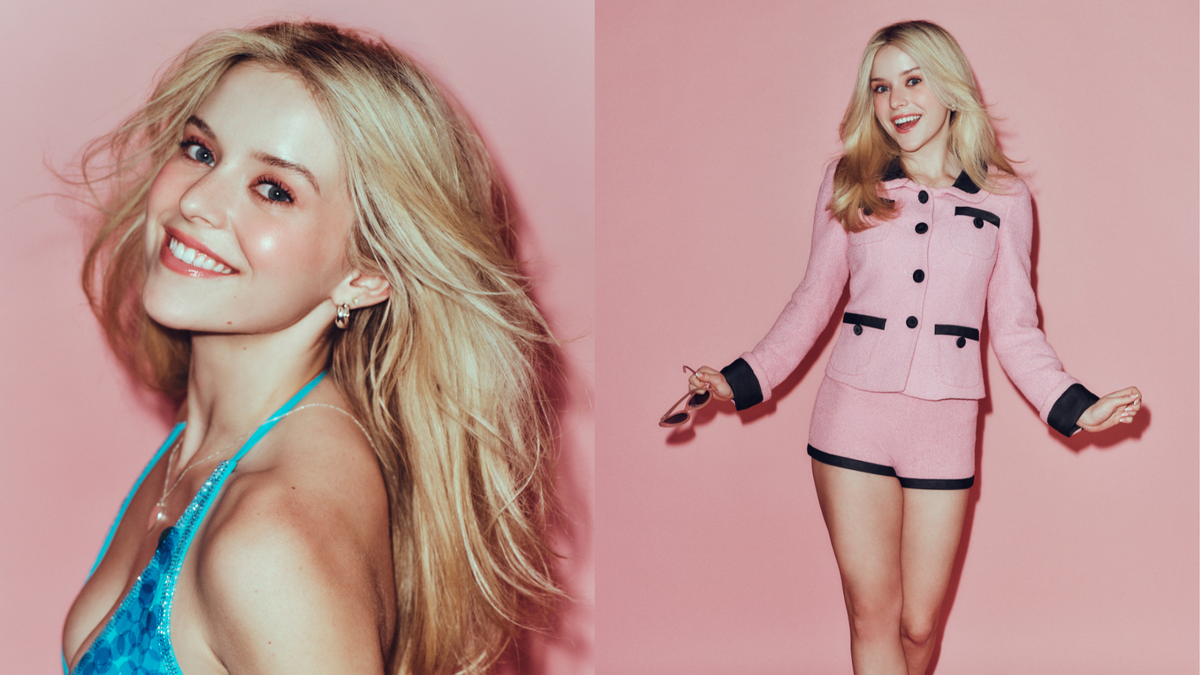
At the centre of this coming of age tale stands newcomer Lexi Minetree, stepping into one of pop culture’s most recognisable heels. For Minetree, inheriting Elle Woods from Reese Witherspoon felt affirming. Meeting Witherspoon for the first time, she recalls being struck not just by her kindness, but by how similar their energies felt,“southern gals,” as she puts it, cut from the same warm, fast-talking cloth
Unlearning societal mores
When she first watched Legally Blondeas a child, Minetree admits she initially interpreted the story the way many audiences did: a bubbly blonde girl chasing a boy to college before eventually “becoming smart.” Revisiting the film years later completely changed her perspective. “That’s not it at all,” she says. “Elle was always capable and intelligent. Everyone else just had to catch up to her.”
BecauseLegally Blondewas never truly about transformation, it was about perception. Society saw Elle’s femininity and immediately assumed incompetence. The question was never for Elle to become worthy of respect; it was for the world to unlearn its misogyny. “We are so much more than first impressions,” Minetree reflects. “We can care about makeup and reading. We can be nuanced human beings.”
The series, however, has the luxury of time, unlike the original film. Across eight episodes,Elledelves into the emotional ecosystem that shaped its protagonist long before audiences met her. That emotional core emerges most powerfully through her relationship with her mother, Eva Woods, played by June Diane Raphael. Raphael describes binge-reading all eight episodes in one sitting, captivated not just by the comedy but by the emotional depth embedded within the scripts. “The show really explores the heart of the character,” she says. “And where she got so much of who she is.”
From one generation to another
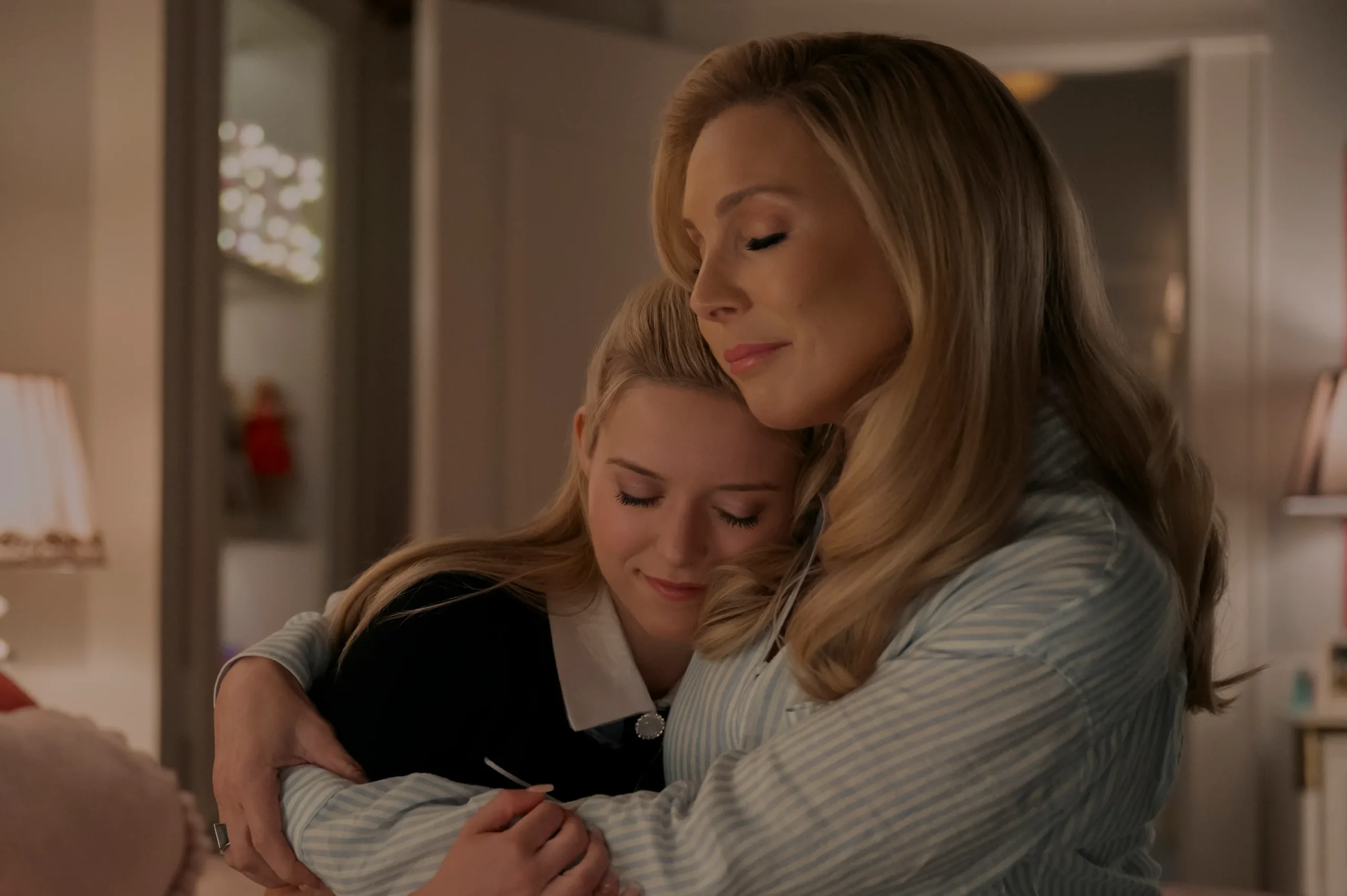
For Raphael, the mother-daughter relationship becomes one of the series’ feminist foundations. Eva is not portrayed simply as a glamorous Bel Air mother dressed in archival Chanel and Yves Saint Laurent, though the wardrobe certainly delivers on that fantasy. Instead, she becomes the emotional architect behind her confidence. As a result she becomes a young woman raised in an environment where femininity was never treated as a limitation
What makes the relationship heart warming, Raphael explains, is thatthe showallows both women to evolve simultaneously. While she navigates adolescence, Eva herself begins confronting questions about identity, womanhood, and purpose beyond motherhood. “The two of us are both on our coming-of-age journeys,” she says
That multigenerational exploration of femininity givesEllesurprising emotional depth. It understands that girlhood does not end at adolescence. Women are continuously becoming and learning what it means to stand up for themselves
Meanwhile, Tom Everett Scott brings warmth to Wyatt Woods, Elle’s father, describing the family dynamic as goofy, affectionate, and deeply loving. “He loves his daughter,” Scott says simply. “They’re very close.” Unlike Eva’s emotional intuition, Wyatt connects with the show through humour and ease, a softer, gentler father-daughter dynamic that quietly reinforces the show’s larger emotional ecosystem. There is no cynicism in the Woods household when it comes to Elle’s personality; nobody is asking her to be less herself.
Scott, who says his own daughter was ecstatic when he landed the role because of her love for the characters , also believes the series arrives at exactly the right cultural moment. “I think the younger generation is going to love this show,” he says. “It’s got comedy, romance, positivity… and people need that right now.” Growing up surrounded by female energy, three sisters, a wife, and daughter, Scott says he deeply admires the kind of stories Reese Witherspoon and her production company Hello Sunshine continue to champion.
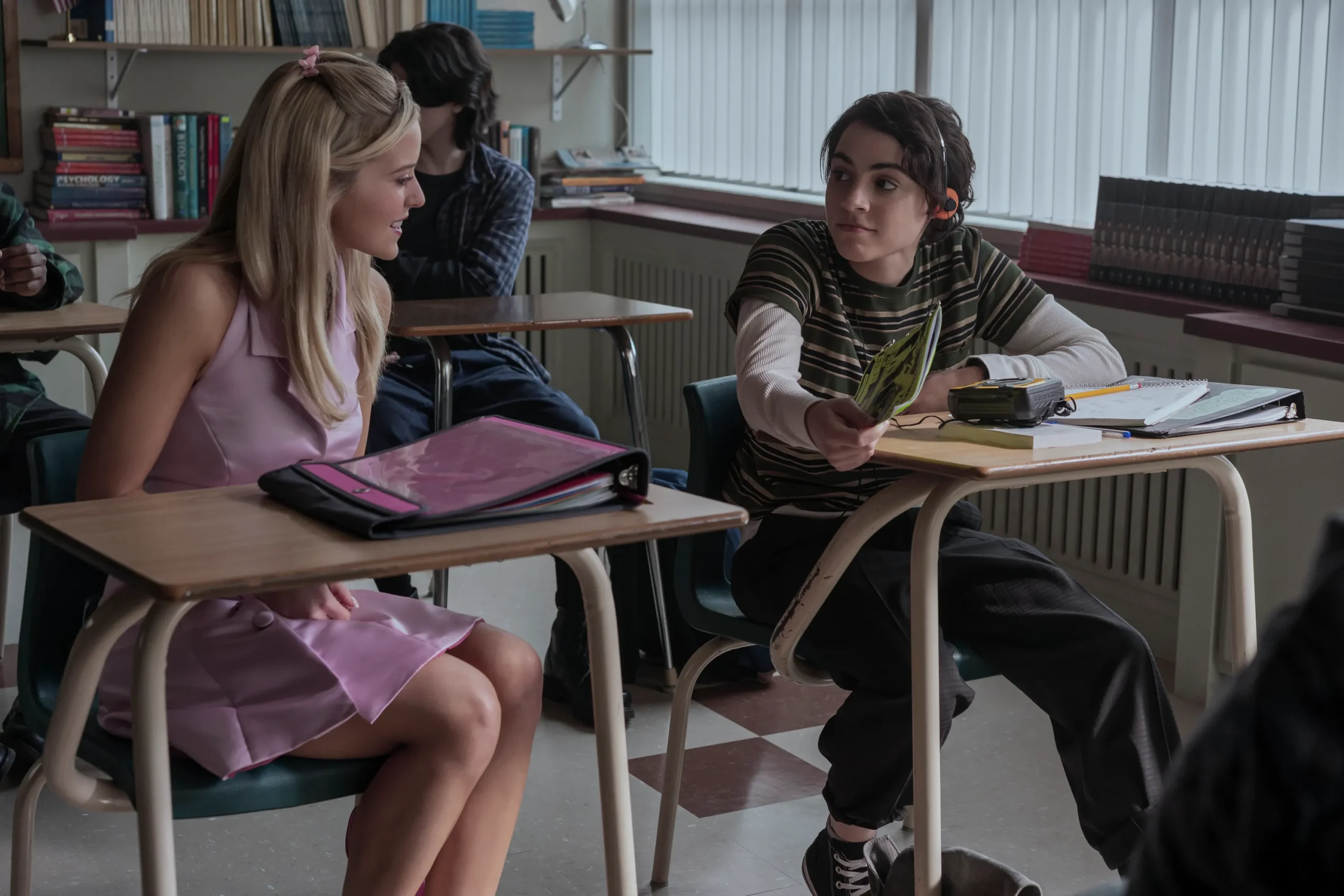
And perhaps that is ultimately why this showfeels so necessary in 2026. Because somewhere along the way, culture convinced women that to be respected, they must dilute themselves. Be less emotional. Less pink. Less loud. Less “girly.” The show pushes back against that narrative with glossy determination. It insists there is power in softness, intelligence in glamour, and feminism in refusing to abandon the things women genuinely love
The original famously inspired waves of young women to apply to law school and the permission to imagine ambition without sacrificing femininity.The showseems poised to take the baton and run with it.
Also, read:
‘The Invite’ Review: Olinner Party
