

If there’s one thing the Marvel Cinematic Universe has always done well, it’s introducing new characters and storylines. Even though the studio has struggled in the past few years and is now carefully trying to get back on track, it’s long been known for the way it connects its movies and ties one chapter into the next. That was especially true throughout the 2010s, when the Avengersfranchise was at its peak, and Avengers: Infinity War had just hit theaters, leaving fans desperate to know what would happen after Thanos’ snap. So from that moment on, everyone was asking the same question: what comes next? Which movie or series would pick up the story? And one of the projects most responsible for answering that question arrived quietly, without much fanfare.
Videos by ComicBook.com
Right in the middle of the emotional aftermath of the third Avengers movie, it felt light, almost like a functional entry in the MCU’s lineup at the time — something people watched, enjoyed, and then forgot about. Why? Simply because it was the second solo outing for a hero everyone liked, but few considered a favorite. However,it turned out to be incredibly important, as it laid the groundwork that allowed Avengers: Endgame to become one of the biggest box office hits of all time. More than that, it planted the first seeds of the temporal chaos that continues to shape the MCU today and ultimately led to the concept of Kang the Conqueror.
Ant-Man and the WaspPaved the Way for the MCU Multiverse
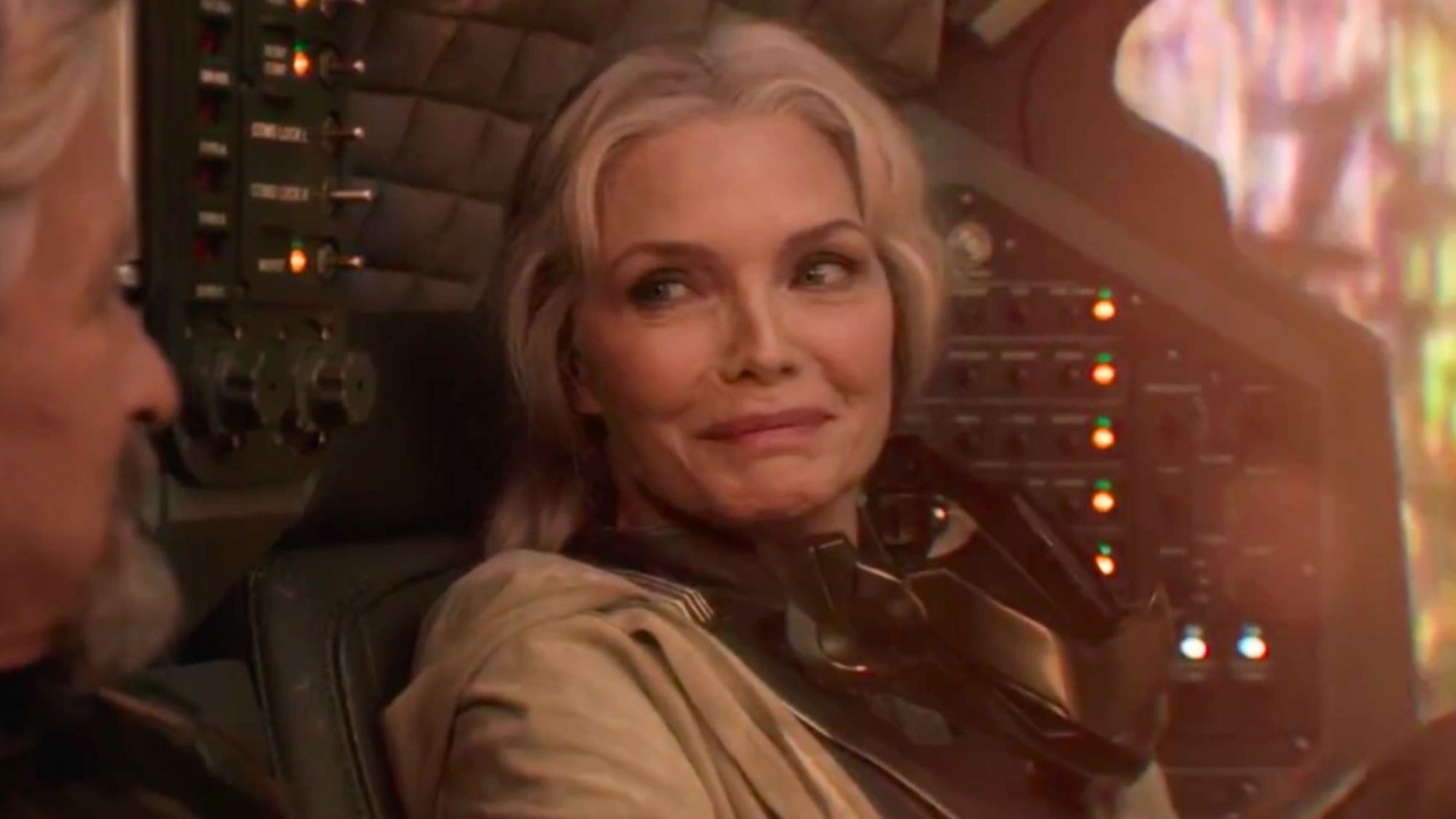
Released in 2018, Ant-Man and the Wasp picks up after the events of Captain America: Civil War. Scott Lang (Paul Rudd) is under house arrest, trying to balance life with his daughter Cassie (Abby Ryder Fortson) while Hank (Michael Douglas) and Hope (Evangeline Lilly) discover that Janet (Michelle Pfeiffer), the family’s matriarch, may still be alive. So, they recruit Scott to help rescue her from the microscopic world known as the Quantum Realm. That’s where the movie starts carrying much more weight than it initially seems — and where it begins shaping the MCU’s future.
In the first Ant-Man, the Quantum Realm was mostly treated as a clever shrinking gimmick. Here, it becomes something much bigger: a place governed by its own set of rules. Janet didn’t just survive in the microscopic world; she returned with the understanding that it isn’t an ordinary physical location. Time doesn’t move in a linear way, perception changes, and parts of the realm don’t follow conventional spatial logic. And that’s more than just world-building. The Quantum Realm fundamentally changes the MCU’s framework because, in Endgame, reversing the Blip depends entirely on applying science to that space. The movie’s time travel only works because the Quantum Realm makes it possible to access different points in the timeline almost like navigable destinations.
But what’s really nice about Ant-Man and the Wasp is how subtle all of this is at first, because most people didn’t realize its importance until Endgame, when the Avengers needed Scott’s help. The movie sets the stage for the franchise’s biggest course correction up to that point, and almost nobody noticed it happening. Then, a few years later, as the MCU completely embraces the multiverse, the Quantum Realm evolves from a useful alternate dimension into a kind of gateway connecting different realities. And that’s where the connection to Kang the Conqueror really begins.
As everyone knows by now, behind-the-scenes issues eventually led Marvel Studios to abandon Kang’s storyline as the overarching villain of the MCU. For many fans, that’s one of the franchise’s biggest missed opportunities, especially since it had the potential to become something every bit as huge as Endgame. After all, Kang was never just another powerful villain; he’s a character whose entire existence depends on one key idea: that time isn’t fixed, but flexible, fragmented, and something that can be explored. But that idea only gained a foothold because Ant-Man and the Wasp had already started playing with it years earlier, even though it did so in a far less obvious way, before everything culminated in the disappointing Ant-Man and the Wasp: Quantumania.
In the end, the Quantum Realm started as a simple tool for time travel, but it became the structural foundation for variants, branching timelines, and the multiversal conflicts that continue to drive the MCU today — and will keep doing so with Doctor Doom officially stepping into the next Avengersmovie. But it’s a shame that the film that kicked all of this off was so overlooked and continues to be underestimated even now
Why Nobody Really Remembers Ant-Man and the Wasp
Ant-Man and the Wasp rewrote the logic behind the Infinity Saga without ever drawing attention to it, and that may be one of the biggest reasons why it still doesn’t get the credit it deserves. At the time, it was mostly seen as comic relief after the emotional weight of Infinity War, especially since it arrived just a few months later, when every conversation revolved around what Thanos had done. People wanted answers, theories, and clues about the MCU’s future, but instead they got another relatively small-scale Scott adventure. The movie still earned $622.7 million worldwide, but compared to the biggest cliffhanger Marvel Studios had ever delivered, it was almost inevitable that it would feel like a detour.
That perception was also shaped by the fact that the Ant-Man movies have always occupied a different place within the MCU. While other heroes were fighting wars, alien invasions, and universe-ending threats, Scott remained a much more grounded character, starring in stories built around comedy, family dynamics, and smaller-scale adventures. That’s exactly what makes his movies so charming, but it’s also what convinced many fans they weren’t particularly important to the bigger picture. Most people remember the jokes and the Pym Particles, yet completely overlook how much these productions actually influenced the universe as a whole.
Isn’t that ironic? It never had the impact of Captain America: Civil War or Thor: Ragnarok, for example, nor has it ever ranked among most fans’ favorite MCU movies. Even so, very few films in the franchise have had such a significant influence on Marvel’s overall direction while receiving so little recognition. It’s much easier to talk about Loki, Spider-Man: No Way Home, or Doctor Strange in the Multiverse of Madness when discussing the multiverse than it is to bring up this movie. Eight years ago, Ant-Man and the Wasp changed the rules — it just did it so discreetly that most audiences never even realized it.
What do you think? Leave a comment below and join the conversation now in the ComicBook Forum!
Kang’s MCU Return Confirms Marvel’s Big Multiverse Saga Mistake
