


Anyone who has wandered through the neon‑lit alleys of Akihabara knows that Japan treats gaming not just as a pastime but as an art; arcades ring with the clack of buttons, and console releases are events.
Crypto has slipped into everyday life, and it’s now knocking on the doors of game studios.
Game Tokens Meet the Joystick
It’s not a matter of launching a blockbuster on a blockchain; the buzz starts at the cashier, where the choice of currency shapes the experience. Shiba‑focused casinos have already turned a meme token into money. They let fans top up their accounts quickly, place bets, and cash out without banks. It’s a sign that payments are evolving as fast as graphics. Services that handle SHIBA deposits demonstrate this trend and show how cross‑border micro transactions could fuel more social play.
The World Is Playing
More than 560 million people worldwide hold digital currencies, and that’s almost 7% of the planet and a 34% jump from a year earlier. Asia dominates this user base, and Japan counts more than nine million holders. When digital cash becomes the default way to buy in‑game items, Japanese studios aren’t just building for homegrown fans; they’re tapping into a market that already spans every region. When players pay with tokens, the barrier of exchange rates melts away and communities stretch beyond borders.
From Sega to Square
Big publishers are backing the trend: Sony invested $3.5 million in a web3 incubation program with Startale Labs, Bandai Namco’s 021 Fund committed $23.8 million to metaverse and blockchain ventures, and Square Enix purchased a stake in The Sandbox and partnered with Elixir. These bets are small relative to their main franchises, but they signal that crypto is becoming part of mainstream planning.
When well‑known publishers experiment with tokenised items or player‑owned worlds, they pave the way for independent studios to follow and show that Japanese creativity can flourish globally.
Rules and Trust
The Financial Services Agency enforces strict licensing, travel‑rule compliance, and stablecoin oversight, making Japan one of the most regulated crypto markets. Such regulation builds confidence among foreign players because exchanges must meet KYC and consumer‑protection rules and best transaction practices. Lawmakers are considering tax reforms that would treat crypto gains like stock profits.
If that happens, more casual gamers may join the ecosystem. Regulators also insist that all transfers comply with the travel rule, so senders and receivers are identified, and strict stablecoin guidelines mean token issuers must hold real currency reserves. That kind of detail reassures both developers and players, too. This framework might feel stiff at times, but it allows new services to launch without the spectre of hacks and scams that plagued early exchanges, and that trust is essential when your wallet is linked to your favourite game.
Gaming With Ownership
Blockchains give players actual ownership of digital items as NFTs that can be traded or used across titles. The play‑to‑earn model rewards time with tokens, while public ledgers reduce cheating, and some games even let fans vote on future updates.
The cross-over of crypto and gaming is more than just turning every title into a get‑rich scheme. It’s about giving players new ways to participate and carrying Japanese craftsmanship onto a global stage. Missteps will happen, rules will evolve, but the conversation has moved from if to when, and those who grew up mashing buttons in tiny arcades can sense that something familiar is about to go worldwide, right now.
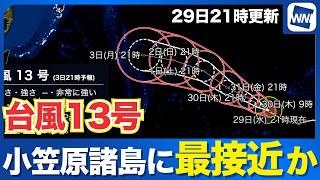
Typhoon No. 13 Forecast to Make Closest Approach to Japan Next Week
Typhoon No. 13 (Dolphin) is forecast to intensify into a violent storm before approaching the Ogasawara Islands early next week, while a possible westward shift in its track is raising concern over potential effects in western Japan and Kyushu.

Kumamoto Quake Survivors Face Heat, Water Shortages
Residents across earthquake-stricken Kumamoto Prefecture are enduring extreme heat without water, electricity or air conditioning as rescue teams continue searching collapsed buildings following the powerful earthquake that registered the maximum seismic intensity of 7.
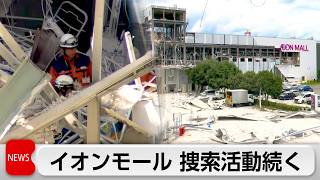
Three Dead, Three Missing After Explosion Devastates Aeon Mall Kumamoto
Three women have been confirmed dead, one person is in cardiopulmonary arrest and three employees remain unaccounted for after a powerful explosion devastated Aeon Mall Kumamoto following the magnitude 7.1 earthquake that struck Kumamoto Prefecture on July 28.
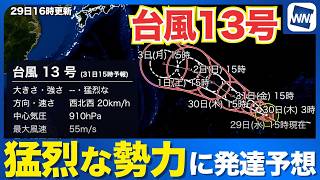
Typhoon No. 13 Forecast to Reach Violent Strength Before Approaching Ogasawara Islands
Typhoon No. 13 (Dolphin) continued to intensify over the Marshall Islands on July 29 and is forecast to become a violent typhoon by July 31 before approaching the Ogasawara Islands early next week, potentially bringing severe winds, high waves and other effects to Japanese territory.
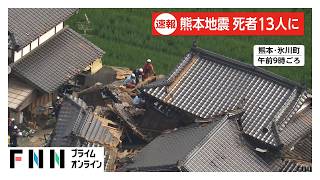
Kumamoto Earthquake Death Toll Rises to 13
Prime Minister Sanae Takaichi said on July 29 that 13 people had died following the powerful earthquake that registered the maximum seismic intensity of 7 in Kumamoto Prefecture, including cases still being investigated for a possible connection to the disaster.

Sharp to Launch Generative AI-Enabled Hot Cook Appliance
Sharp will launch a new Healsio Hot Cook automatic cooking pot on September 17 that uses generative artificial intelligence to suggest menus and explain food preparation steps through a smartphone app.
How to make the most of an online casino bonus
Online casino bonuses can be unexpected, satisfying, and worth savoring. But be careful–they can disappear fast if you’re not paying attention.
MGM Osaka Casino Resort Officially Breaks Ground
Japan’s tourism and entertainment sector hit a new milestone following the groundbreaking ceremony to celebrate the official beginning of construction of the MGM Casino Resort.

Nvidia Leads 37-Company Alliance to Advance Open AI
U.S. semiconductor giant Nvidia said on July 27 that it has established a corporate alliance to prevent cyberattacks using open artificial intelligence technology whose underlying systems are publicly available.
PayPay Acquires 40% Stake in Binance Japan, Signaling Major Shift in Japan’s Digital Payment and Crypto Market
Japanese mobile payment industry leader PayPay has purchased a 40 percent stake in the Japanese division of the largest cryptocurrency exchange in the world, Binance.
Japan’s Plan to Reform Crypto Gaming Regulations
Japan is taking significant steps to update its cryptocurrency gaming laws, demonstrating its commitment to adapting to the evolving digital landscape.
Is Japan on the Verge of a Crypto Market Explosion Fueled by Regulatory Reform?
Japan feels ready for another big financial moment. The talk everywhere is about digital money and how fast it has moved from curiosity to common ground. Everyone seems to sense a change coming.
How Crypto Can Expand the Global Appeal of the Japanese Gaming Industry
Anyone who has wandered through the neon‑lit alleys of Akihabara knows that Japan treats gaming not just as a pastime but as an art; arcades ring with the clack of buttons, and console releases are events.
