

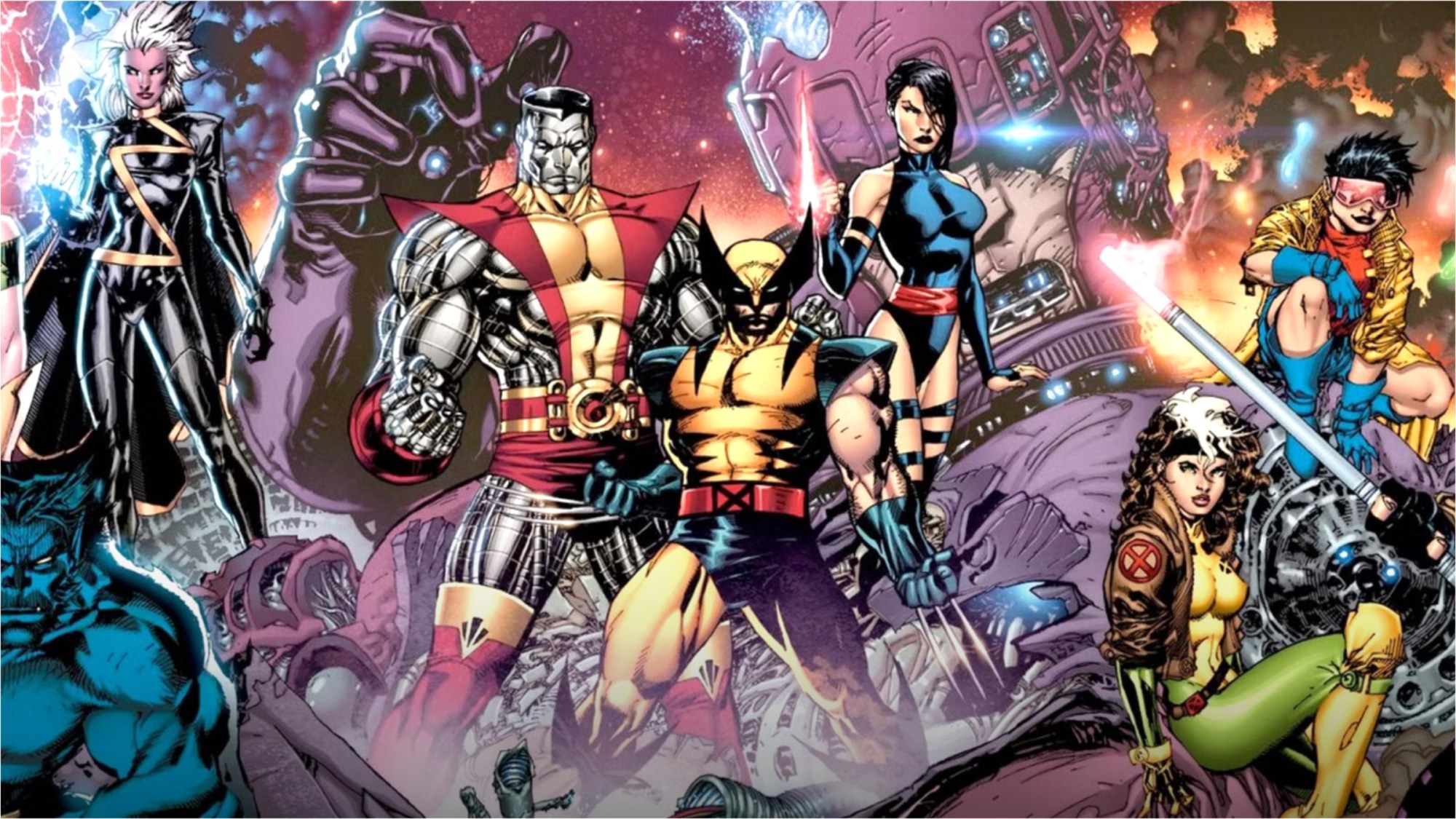
TheX-Men have long been one of the most popular superhero groups, whether it be on the printed page or the big screen. The team became massive over the ’80s, with an entire sub-Marvel Universe growing from their books, leading to the huge successes of the ’90s, including X-Men: The Animated <a href="https://comicvibe.com/apple-watch-series-12-watch-ultra-4-may-get-these-two-health-updates/” title=”Apple Watch Series 12, Watch Ultra 4 may get these two health updates”>Series and Fox eventually buying the movie rights from Marvel. Over the decades, the group has been one of the most interesting superhero groups in the history of comics; the team is more than just an assemblage of heroes out to do right, but a found family of oppressed people fighting for the future of their race and equality. The X-Men have starred in brilliant stories, introducing readers to some of the coolest characters ever, and their MCU debut is one of the most exciting things to ever happen to them.
Videos by ComicBook.com
Bringing the group to the MCU should be the shot in the arm the franchise needs. Ever since Avengers: Endgame, Marvel Studios has been flailing, putting out projects that haven’t engendered the same love as what’s came before. The X-Men will introduce a load of all-new heroes to fans who have never been to the comic store (or as I call it, the majority of the MCU fandom), as well as some of the coolest stories ever. One of the watchwords of the X-Men has always been “change”; mutants are, after all, the next evolution of humanity. Over the years, the best X-Men tales have been able to take this theme and run with it, giving fans everything they could want. However, there is a problem that has often infected the X-Men books, one that plays off the popularity of the team and it’s one that Marvel Studios need to avoid if they want the group to be as successful as they can be.
Nostalgia Can Become a Prison for the X-Men
It all started with revolutionary X-Men writer Chris Claremont. Claremont came aboard X-Men (soon to be Uncanny X-Men) after the success of Giant-Size X-Men #1. His job was to flesh out the new team and make them stars, something that he succeeded at wildly. He gave readers amazing sci-fi adventures, brought back classic villains like Magneto and Juggernaut, laid the seeds for Wolverine to become a superstar, and gave readers the introductions of the Shi’Ar Empire, the M’Kraan Crystal, and the Phoenix Force. Claremont was an idea engine, and he spent 16 years fleshing out the team and its world.
One of the reasons that he was able to write the book for so long was because he kept changing the team’s status quo, never letting things grow stagnant. He threw massive change at numerous characters, all while introducing amazing characters all the time. Fans never got bored and neither did he. After Claremont left in the ’90s, pushed out to give artists Jim Lee and Rob Liefeld more power, we got story after story that tried to be Claremont, sometimes by copying his ideas and other times by trying to remind readers of what they loved about his version of the team. Things got so boring over the ’90s, as Marvel kept trying to use nostalgia to keep readers around, culminating in Claremont returning in 2000 and failing. Nostalgia has proven poisonous to the team, but that would change.
Grant Morrison’s New X-Men came and did its best to take the old ideas of Claremont and make them new. Morrison was using nostalgia, but they were taking it to new places, revealing facets that weren’t there before and building plots that other people could use with these familiar elements. Meanwhile, over in Uncanny X-Men, writer Chuck Austen was trying to do Claremont-style superhero soap opera with none of the skill or wit. In the years to come, we’d see Astonishing X-Men used nostalgia for Claremont to get readers in the door and kept them there by making it new, like Morrison did. House of M broke the X-Men status quo, leading to years of great stories that went in new directions, barely touching on nostalgia for the past.
All of this led to the biggest change of them all with the Krakoa Era, taking the team to their own mutant nation and putting them through their paces in a variety of ways. It was unique in the history of the team and fans loved it. However, the success of X-Men ’97 saw Marvel pull the plug early with “From the Ashes”, a heavily ’90s-influenced status quo that tried to use nostalgia to get people in the door instead of actual great storytelling. The books have been struggling since the status quo started, with the abysmal “Age of Revelation” showing just how much the nostalgia approach fails with the team.
The X-Men are meant to be the future. That’s the entire point of the characters – humans are afraid of them because they’re the next big thing. Nostalgia has its place in the X-Men – New X-Men, Astonishing, and the Krakoa Era all used to it an extent – but it can too often become a prison. This is a problem with most superhero comics, but the X-Men are especially prone to failure because of it. You can’t keep them stagnant in the same place too long; you have to keep them vital, keep changing them, keeping finding ways to use the old ideas that are new and compelling. It’s a lesson from the comics that the MCU needs to learn.
Mutants Are the Future and Marvel Studios Needs to Remember That
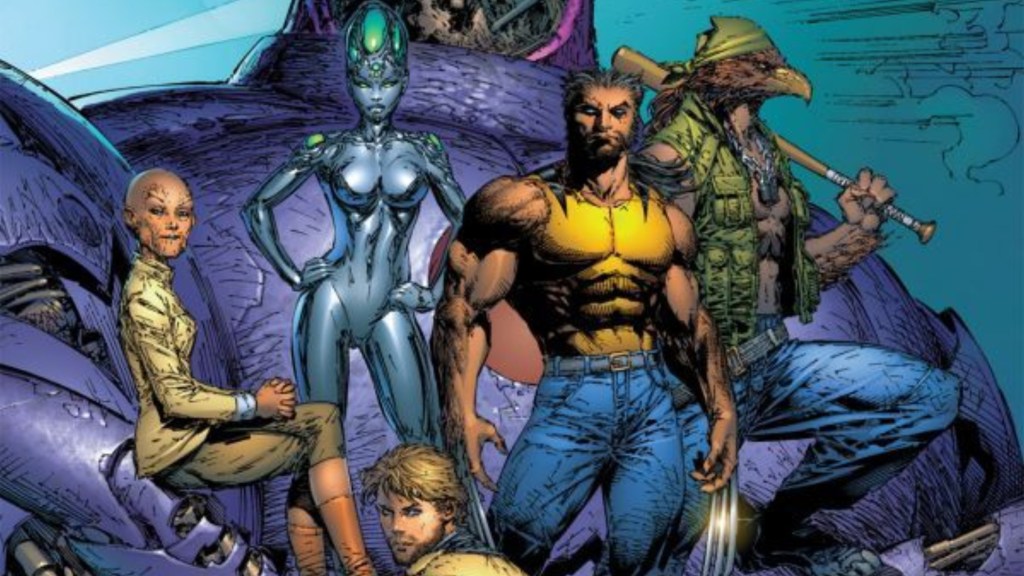
The above image comes from New X-Men‘s “Here Comes Tomorrow”. The story was a dystopian future in the vein of “Days of Future Past”, but it went in new directions with the idea. It used nostalgia, but it used it to tell a new story starring the team. It’s fantastic and it’s a pitch perfect way of dealing with nostalgia in the X-books. There are things everyone wants to see from the X-Men, but they want to see it in new ways. They don’t want rehashes of the past.
One of the biggest problems with the MCU, and superheroes in general, is the desire to use the past to recapture the glories of what was. Even right now, we’re seeing Marvel Studios go back to the well with Avengers: Doomsday and Avengers: Secret Wars, movies that are playing on the success of the previous Avengers movies. Nostalgia is fine in small doses, but going too far with it can be a massive problem. Nostalgia bait has been a huge problem for the X-Men over the years and Marvel Studios needs to remembers that.
5 Marvel Events That Couldn’t Live Up to the Hype, No Matter How Big They Got
More Comics
Image Courtesy of Marvel Comics Comics
14 hours agoApocalypse Just Recruited Two Familiar Faces and Their X-Men History Makes It Even Stranger
-
Image Courtesy of DC Comics Comics
17 hours agoThe Flash’s Greatest Strength May Be Turning Him Into the Justice League’s Next Threat
-
Image Courtesy of DC Comics Comics
1 day agoDC Just Made a Massive Change to Superman and We Should Have Seen It Coming
-
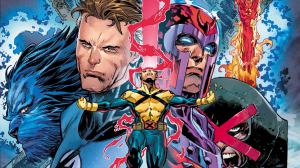
Image Courtesy of Marvel Comics Comics
1 day agoMarvel Keeps Making the Same Mistake With the X-Men, and It’s Happening Again
Image Courtesy of Marvel Comics Comics
1 day agoOver a Decade Before Vertigo, Marvel Had Their Own Mature Imprint But Comics Fans Have All But Forgotten It
