

- English News
- Originals
- US Pop Culture Interesting Facts; Indian Influence Impact | McAloo Tikki Burger Hollywood
Explained
Hollywood, McDonald’s, MTV and Netflix:How America shaped pop culture and why it’s fading in India
1 day agoAuthor: Kartikay Chaturvedi
- Copy link
For much of the 1990s and 2000s, America didn’t need fighter jets to expand its influence in India
It had McDonald’s, MTV, Hollywood, Levi’s and Coca-Cola, and an endless ability to convince the world that whatever was new and aspirational would arrive first from the US
The American century wasn’t built only on military alliances or the dollar
It was also built on a teenager in Delhi wearing American denim, a family eating its first McAloo Tikki in a mall food court, kids copying WWE wrestlers in their living rooms
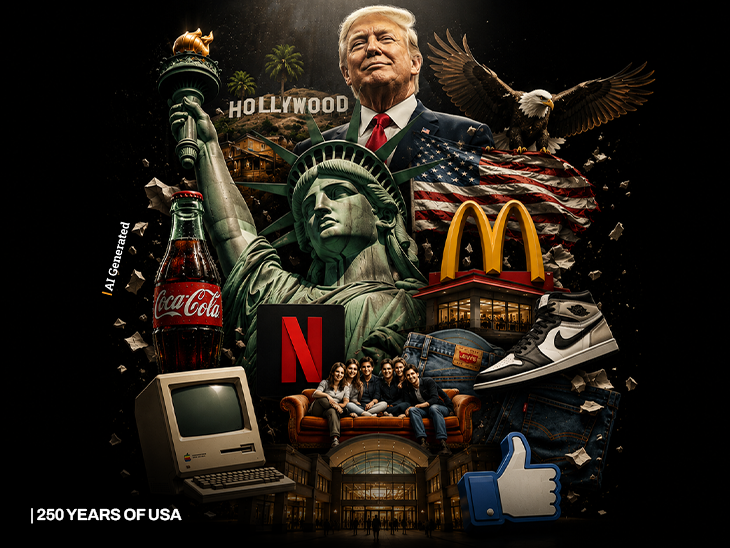
As the US marks 250 years of independence on 4 July 2026, this Explained traces how America won India with burgers, malls and blockbusters, and why that recipe is no longer working
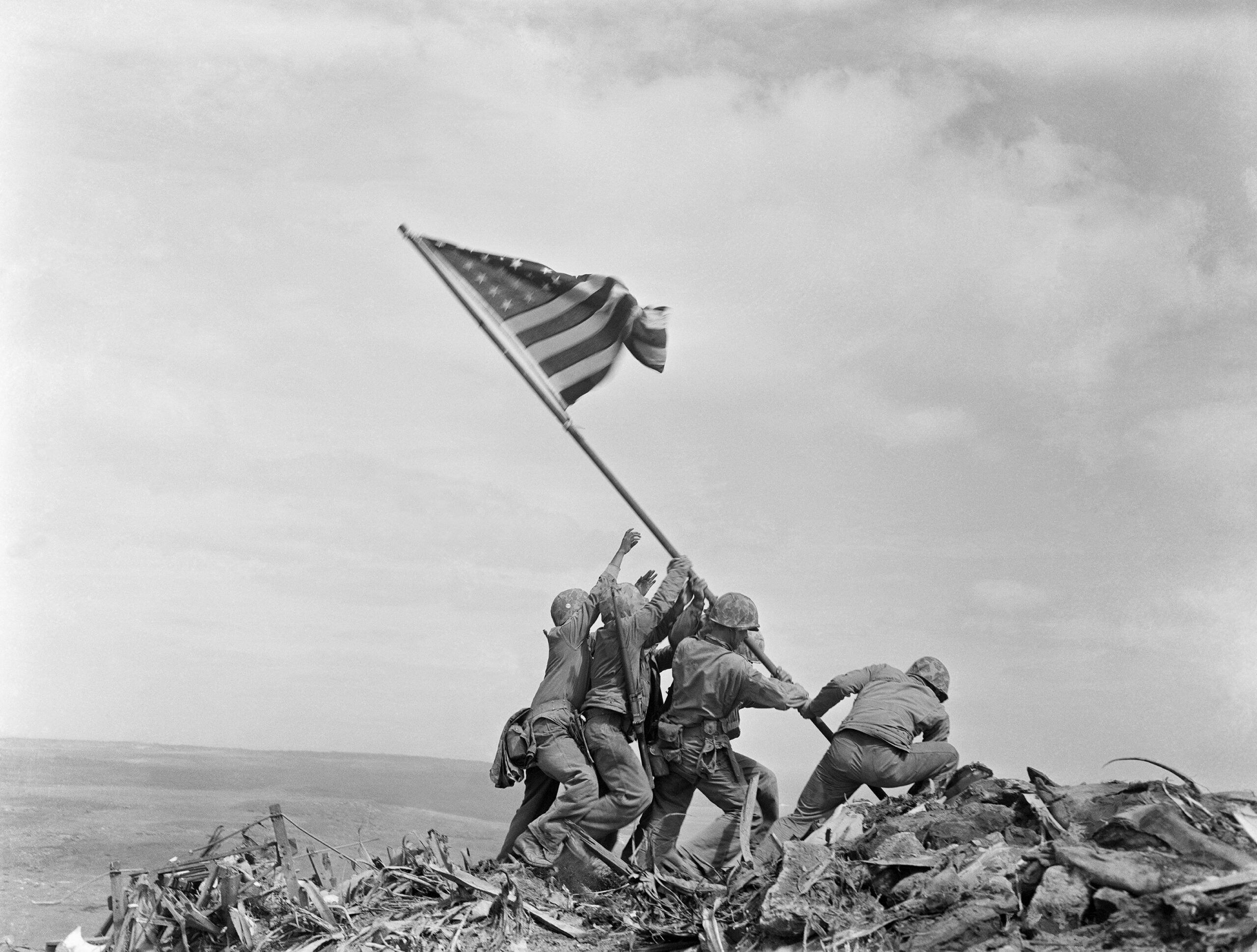
The iconic flag-raising on Iwo Jima, Japan photographed in February 1945, came to symbolise US military strength and America’s rise as a global superpower at the end of the Second World War.
US influence has never rested on military and economic strength alone
Brands such as Nike, films like Transformers and iconic lines such as “I am Optimus Prime”, along with songs like Smack That by Akon, helped export American culture, values and lifestyles across the world
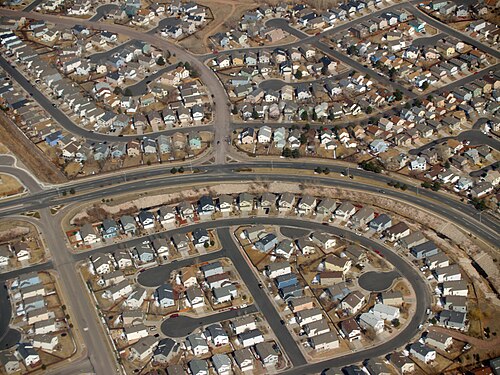
The post WW2 economic boom that followed transformed everyday life, with suburban homes filling up with refrigerators, televisions and, later, microwave ovens, while an expanding highway network fuelled a new era of mass consumption.
In many ways, pop culture became one of America’s most effective instruments of soft power. Yet soft power is not permanent
1. Hard power under scrutiny
President Donald Trump returned to office in 2025 promising to end major conflicts. However, his strike on Iran in 2026 and close alignment with Israel drew criticism at home and abroad
Allies including the United Kingdom, Germany and France appeared reluctant to fully support Washington’s approach. International affairs expert Mohsin Raza Khan says this reflected concerns over America’s decision to act without consulting its allies
2. A changing global order
The rise of China, growing trade tensions and the emergence of new centres of influence have made the world more multipolar, forcing Washington to balance military strength with cultural and diplomatic influence
3. India’s independent path
India’s ties with the US reflect this changing order. New Delhi rejected Trump’s repeated claims that he ended the India Pakistan conflict after the 2025 Pahalgam attack and continued pursuing its own defence and trade priorities
During Marco Rubio’s 2026 visit, External Affairs Minister S. Jaishankar reportedly summed up the approach: while Washington follows an America First policy, India follows an India First policy
Soft power: Burger autonomy
Significantly, this approach was also tested 30 years ago when fast-food giant McDonald’s entered India
Long before Big Macs and Happy Meals, McDonald’s started as a drive-in restaurant in California in 1940. The chain first expanded outside the US in 1967 with a restaurant in Canada
When McDonald’s entered India in 1996, it realised that success would depend on adapting to Indian tastes rather than exporting an American menu unchanged
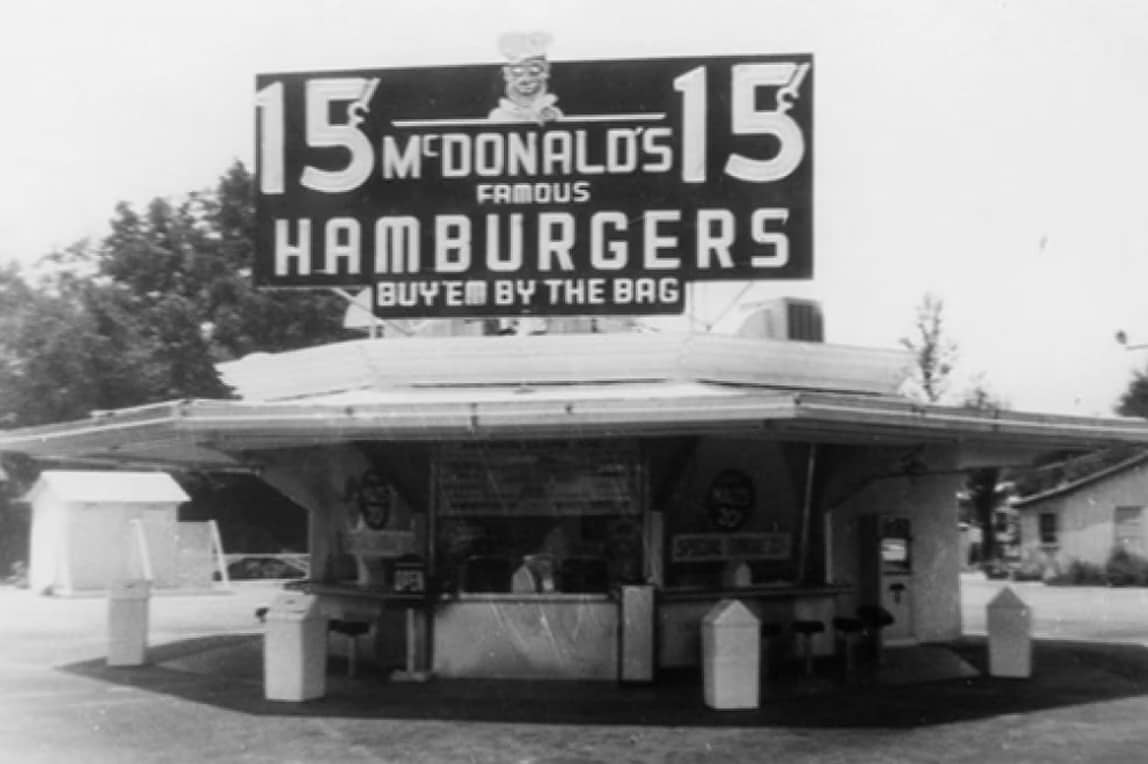
In picture, the first McDonald brothers McDonald’s California restaurant 1948-1955.
1. McAloo Tikki
Known globally for its beef burgers, McDonald’s faced a unique challenge in a country shaped by strong vegetarian traditions and Hindu sensitivities surrounding cattle. The company responded by removing beef from its menu and introducing vegetarian options
On 13 October 1996, as Delhi entered autumn the air carried the first hint of winter, while the golden autumn sun bathed the city in a gentle yellow glow, the company opened its first Indian outlet in the capital’s upscale neighbourhood Vasant Vihar
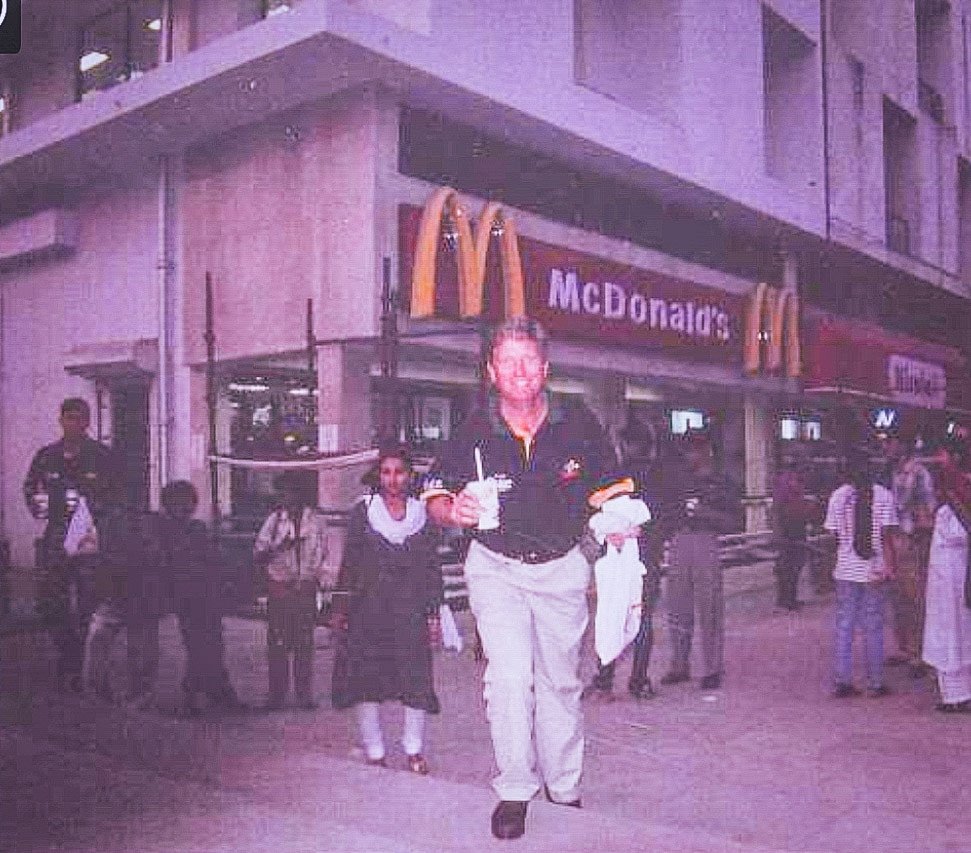
Ian Healy, former Australian cricketer, visits the first McDonald’s in New Delhi, in 1996, becoming one of its first customers during Australia’s tour of India. (Photo: @cricfinity)
The McAloo Tikki, rather than the cheeseburger, became the face of McDonald’s in India
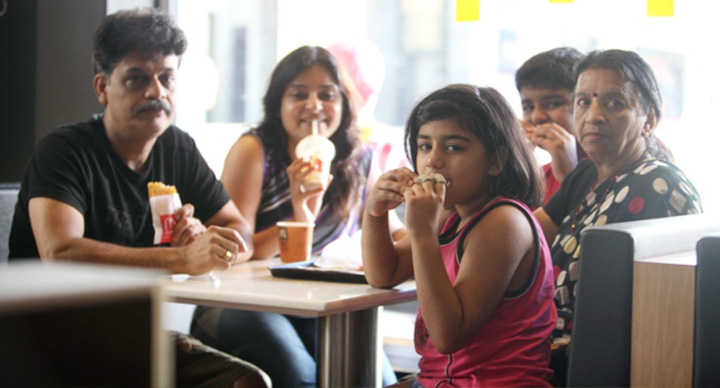
The McAloo Tikki, Maharaja Mac, McCurry Pan, Masala Grill Chicken and Big Spicy McWrap Paneer reflected how an American brand reshaped itself for Indian consumers.
2. Global brand, local flavour
In his book McAtlas, Gary He argues that the world’s most global fast food chain is also one of its most local
India became the first market where McDonald’s did not serve beef and developed products tailored specifically to local tastes

If there is an Indian ingredient or flavour profile, McDonald’s has found a way to turn it into a menu item
India became the first market where McDonald’s did not serve beef and introduced a dedicated vegetarian menu
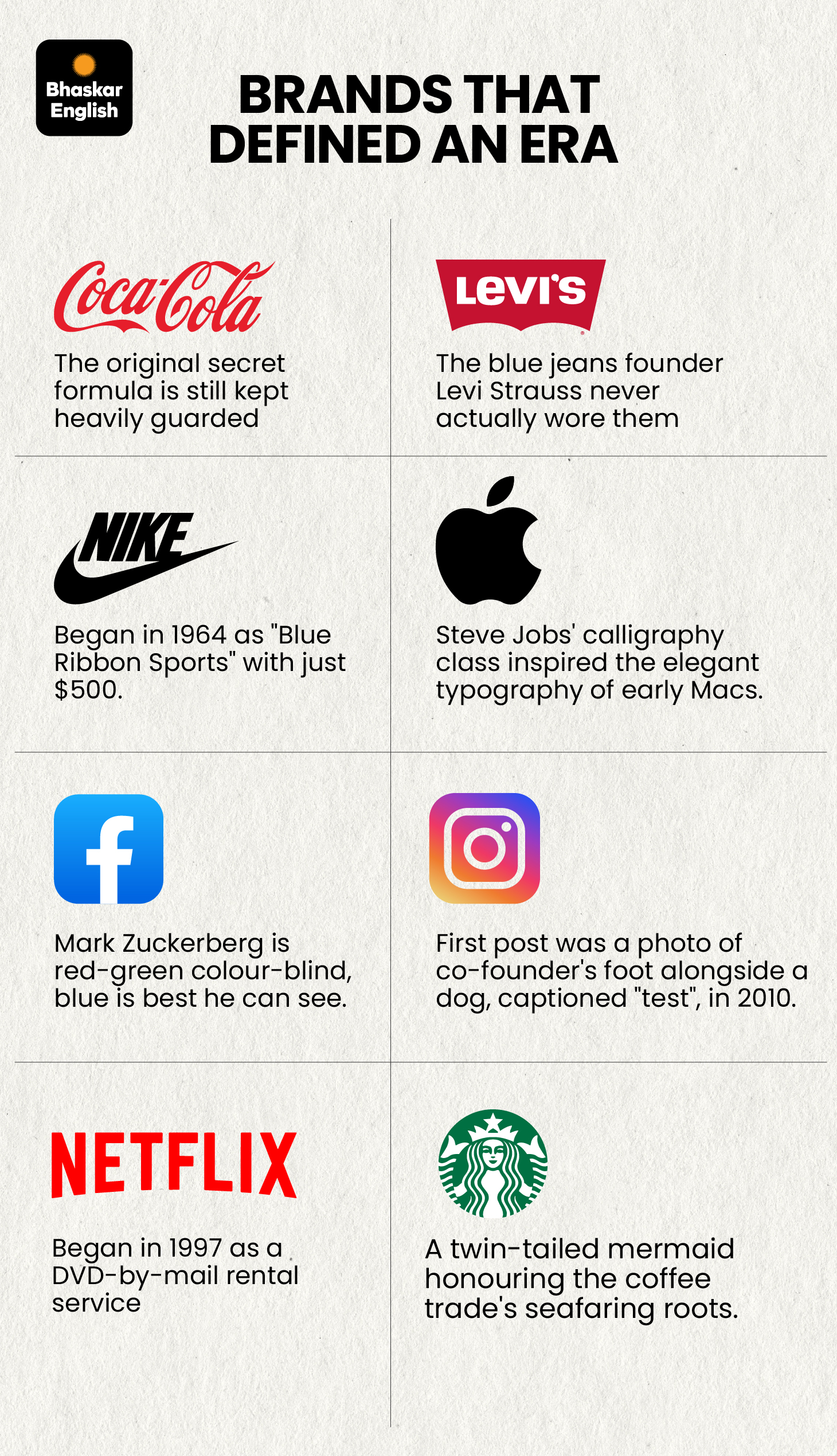
3. The Americanisation of urban India
The late 1990s witnessed an unprecedented visibility of American brands and culture in urban India
Young professionals wearing Levi’s jeans and working night shifts at American call centres often gathered at McDonald’s after work
Domino’s Pizza entered India in 1996, while Coca-Cola, yearning to return, was back in 1993 after a 16 year absence
In the 2000s, Kodak photographs featuring iconic clown Ronald McDonald became a familiar feature of India’s emerging urban mall culture
Rise and fall of American malls—ripples in India
For decades, the shopping mall was more than a retail destination in the United States. It was an economic engine, a social hub and often a teenager’s first taste of landing a job
The mall emerged in the 1950s as the US enjoyed a post-World War II economic boom
Rising incomes, suburban growth and President Dwight Eisenhower’s Federal-Aid Highway Act transformed how Americans lived and shopped
Yet suburbs lacked what sociologist Ray Oldenburg later called “third places”, spaces outside home and work where communities could gather
Architect Victor Gruen sought to solve that problem
1. The first mall
Gruen’s vision became reality on 8 October 1956 with the opening of Southdale Center in Edina, Minnesota, America’s first enclosed shopping mall
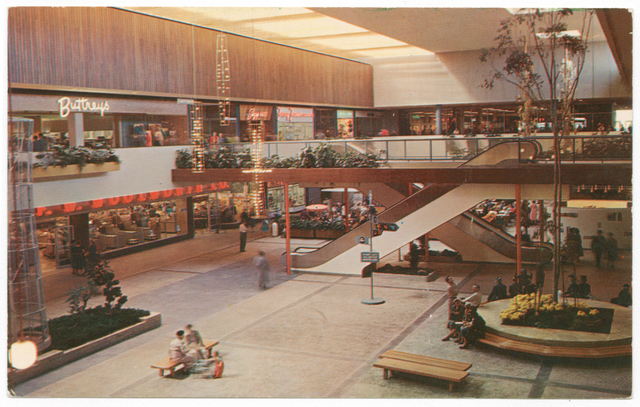
Featuring fountains, art installations and indoor public spaces, it was envisioned as a community centre rather than simply a shopping destination.
The concept quickly took off. By 1960, the United States had 4,500 large shopping complexes, and by 1975, malls and shopping centres accounted for 33% of all retail sales, according to the Association for Consumer Research (ACR)
2. The golden age
The 1980s marked the golden age of malls. More than 1,000 shopping complexes were being built annually
In 1986, Consumer Reports listed the shopping mall among the 50 innovations that had transformed consumers’ lives, alongside antibiotics, the birth-control pill and the personal computer
Malls became cultural landmarks. Films, board games and concert tours revolved around them, while teenagers embraced them as places to socialise and spend time away from home
3. ‘Go big or go home’
The trend culminated in 1992 with the opening up of a massive Mall of America in Minnesota, featuring more than 500 stores, an amusement park, aquarium, wedding chapel and cinema, of course
The decline
But America had simply built too much retail space
By the mid-1990s, Americans had roughly 24 square feet of retail space per person, far higher than Britain or Germany. Developers kept building even as consumer habits began changing.
Then came the internet
Amazon launched in 1995, followed by eBay. Shopping increasingly moved online. The mall did not die overnight, but its dominance slowly eroded as consumers chose convenience over parking lots and food courts
India’s ghost malls
The decline eventually reached India
According to Knight Frank India’s Think India Think Retail 2024 report, smaller malls have increasingly struggled as consumers shift towards e commerce and larger experiential retail destinations
The number of “ghost malls”, defined as malls with vacancy rates above 40 per cent, rose from 57 in 2022 to 64 in 2024
Following the report’s release, Knight Frank India Director Gulam Zia told Reuters that many smaller malls were nearing closure
India’s mall journey had begun much earlier
India’s first Mall
Spencer Plaza in Chennai, widely regarded as India’s first retail mall, opened in 1991
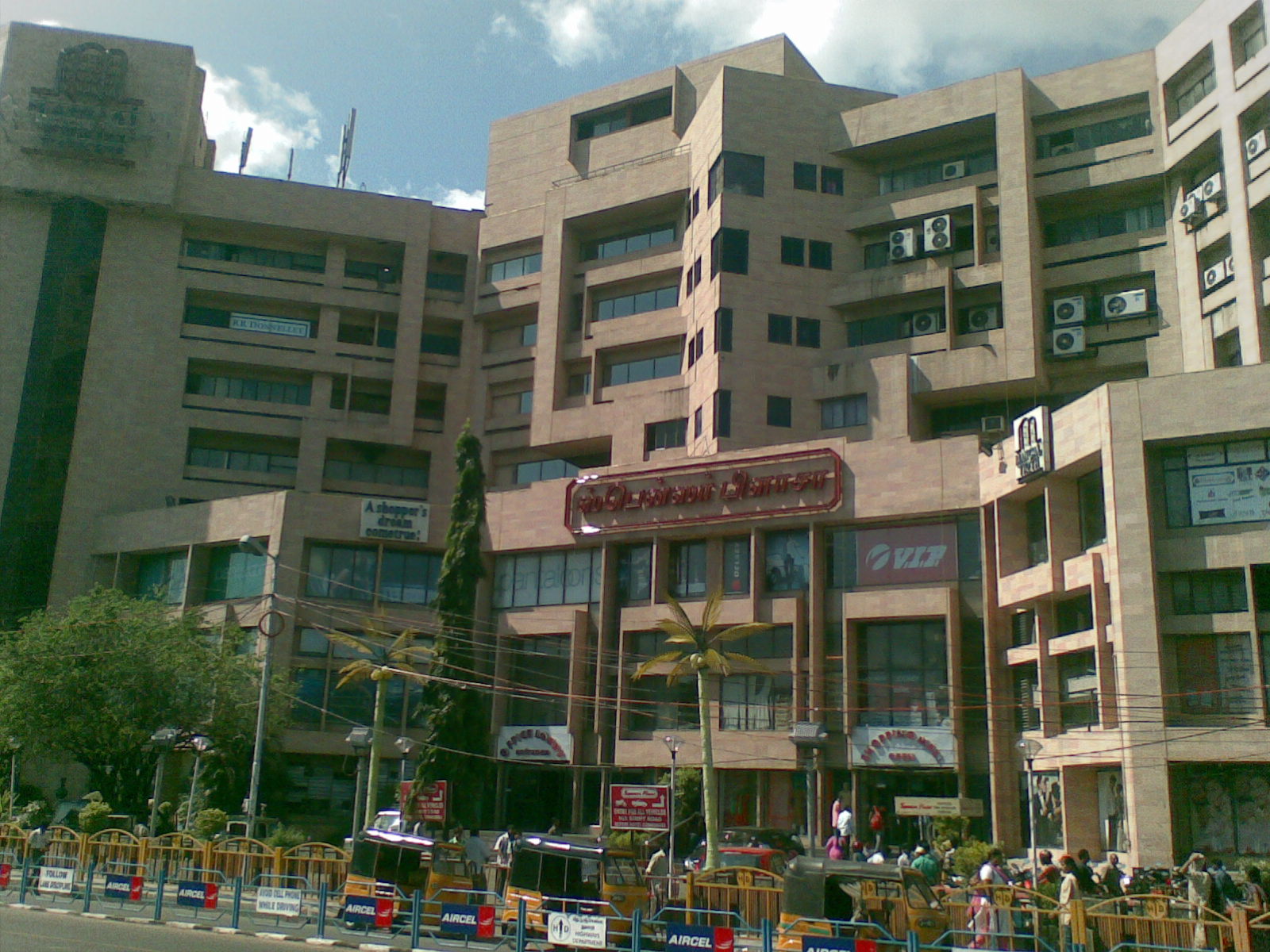
India’s first retail mall, Spencer Plaza in Chennai, opened in 1991.
Then came Crossroads in Mumbai and Ansal Plaza in Delhi in 1999
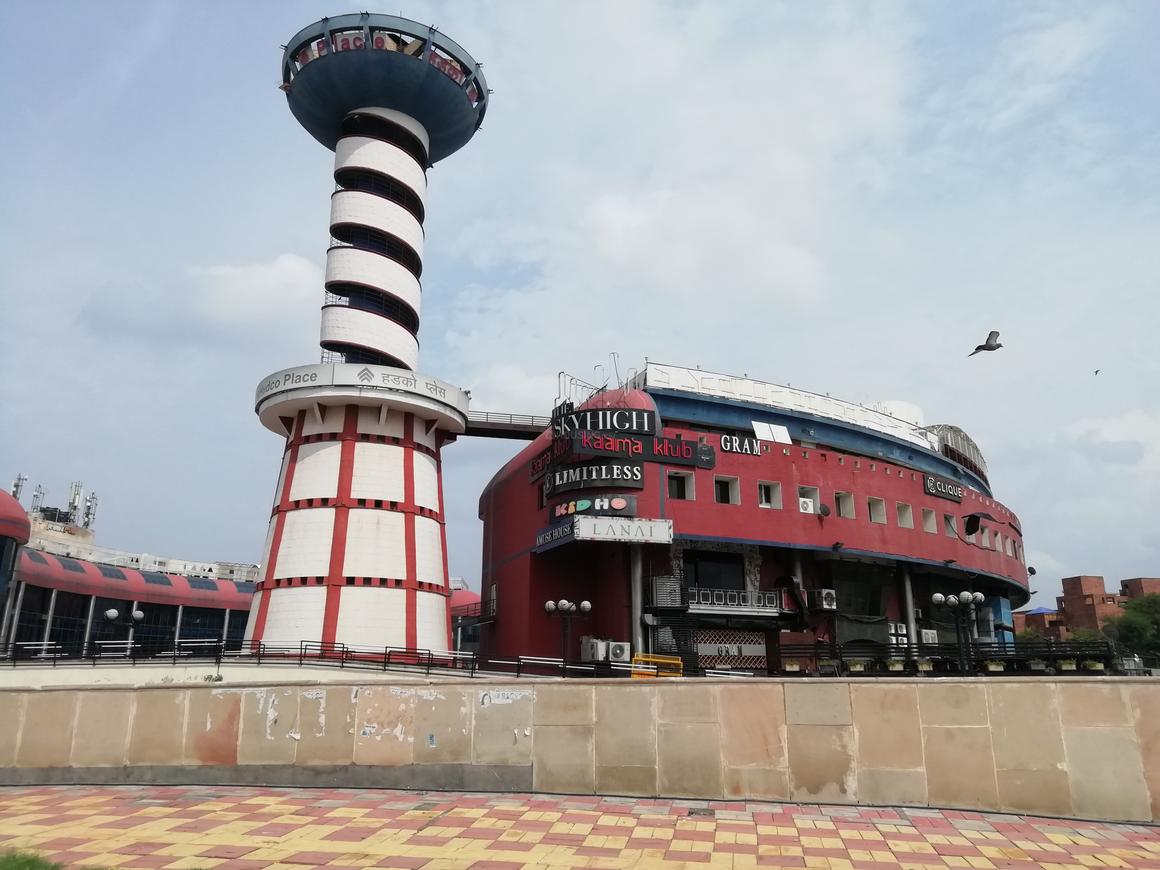
At Delhi’s Ansal Plaza, one of the first malls in the National Capital Region, visitors hardly come for shopping and more for passing by nostalgia. (Photo: Kartikay Chaturvedi)
After 2003, malls multiplied rapidly across metropolitan and emerging urban centres
Today, some are confronting the same challenges that transformed retail in the United States
‘We are here just to relive our good old times, but the mall feels like a complete ghost town now. The McDonald’s up there feels like a distant memory,’ said Farah Hayat, 35, from Delhi while stopping by Ansal Plaza, now dull and dim
In Lucknow, Sahara Ganj Mall, once home to the city’s first McDonald’s, no longer attracts crowds like it did in the 2000s, instead wannabe upstarts hang around with e-hookahs in hand and the worst, beedi (Indian cigarettes) can be seen loitering around its landscape
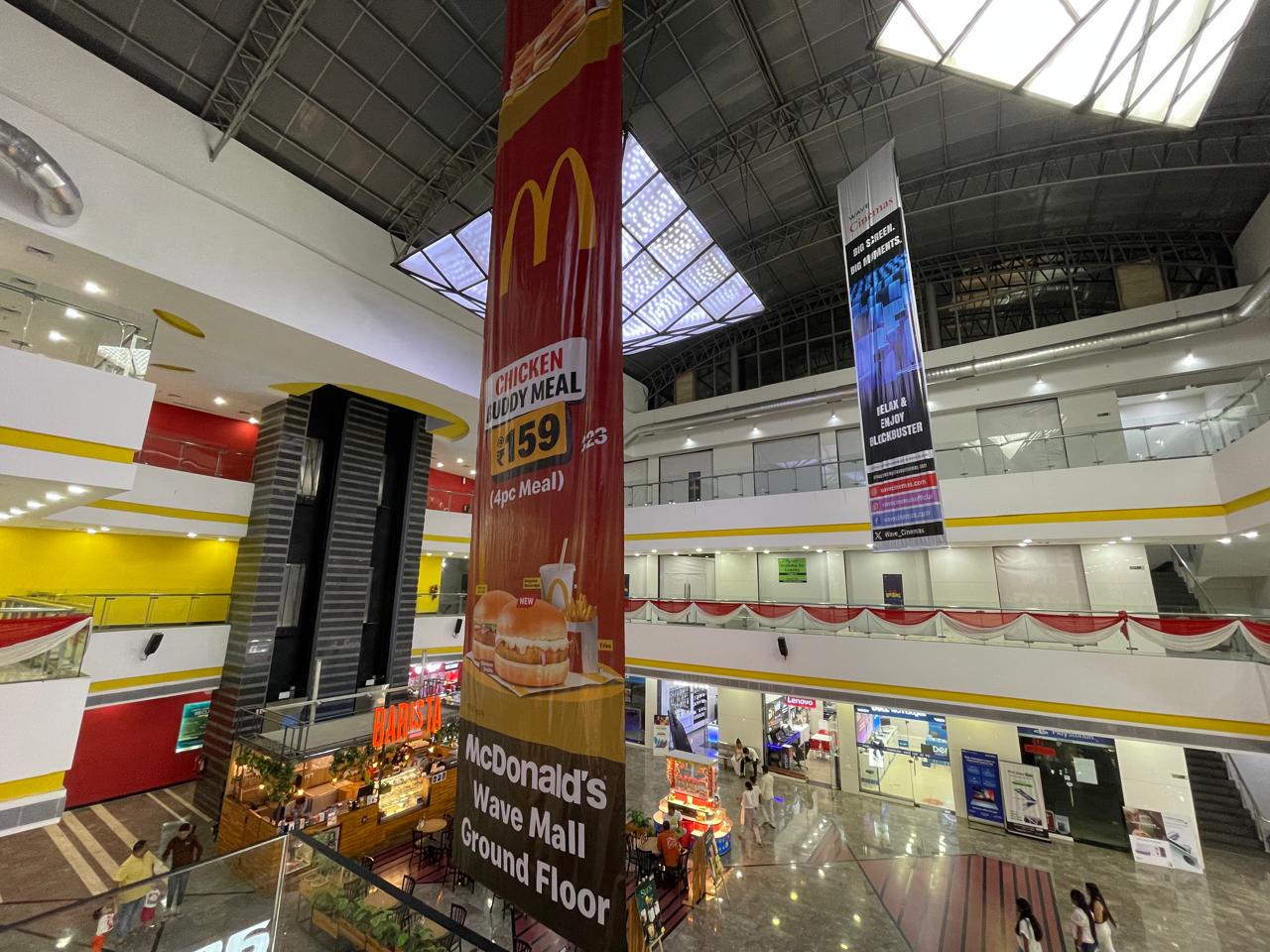
Lucknow’s Wave Mall: Once home to several American fashion brands, much of city’s oldest mall now stands shuttered. McDonald’s, still operates, but the restaurant is no longer filled with children celebrating birthdays over Happy Meals and surprise toys, as it once was. (Photo: Kartikay Chaturvedi)
The same generation that grew up in malls now returns only to revisit memories
Pranshu tiwari, 25, a resident of the city of Nawabs (Lucknow) says:
It’s been shut down now. I remember how we celebrated special occasions in our family, whether birthdays or anniversaries.The mall was our go-to destination, but now I feel malls are no longer places to hang out. Even teenagers avoid going to malls
Entertainment, entertainment and only entertainment
America’s cultural influence extended far beyond fast food and retail
Hollywood’s realistic action, grounded storytelling, scientific imagination and genre-driven filmmaking found audiences in India despite lacking the song-and-dance format central to Bollywood
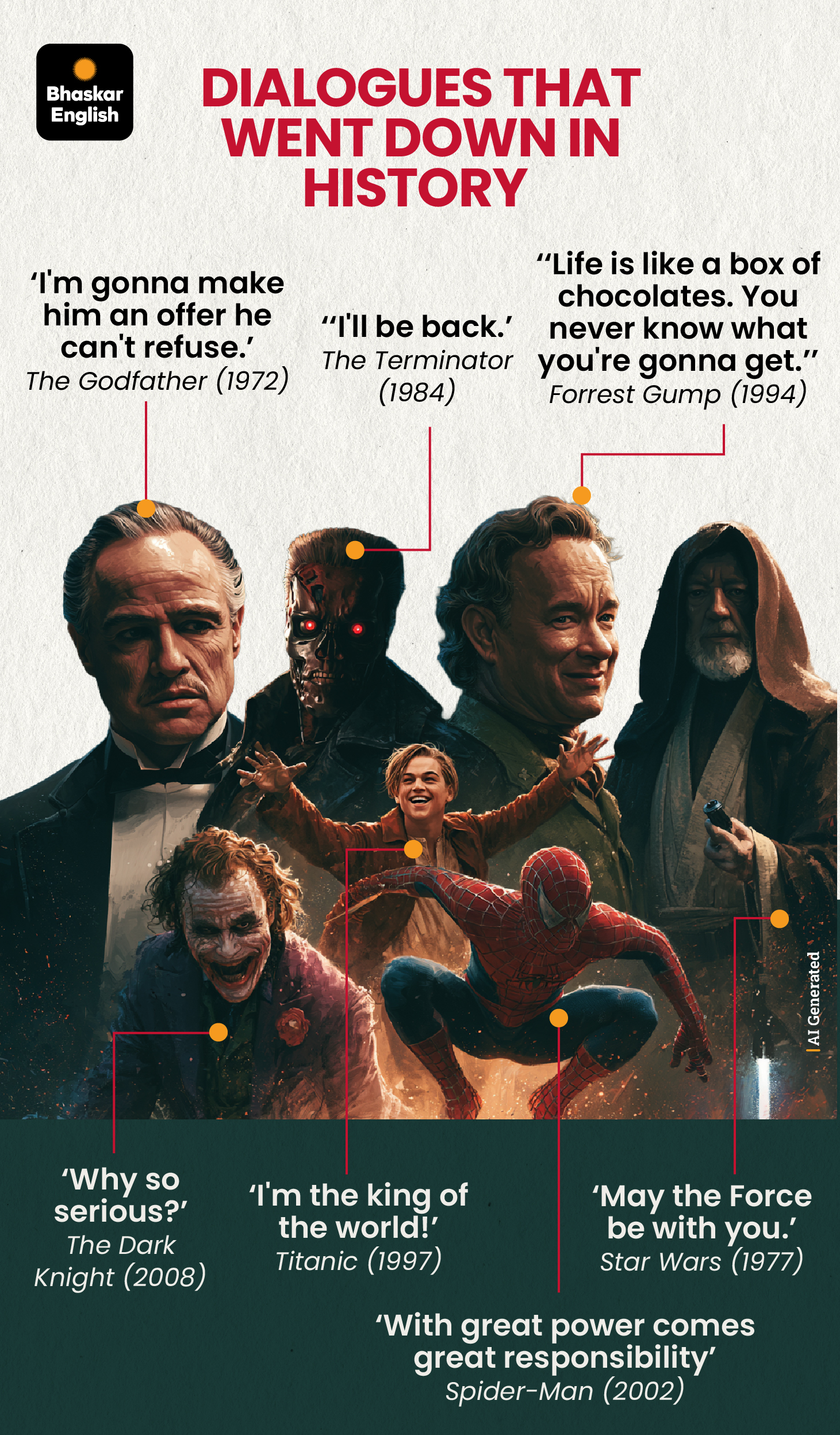
At the same time, MTV and VH1 introduced Indian youth to hip-hop, EDM and American pop culture in the 2000s mornings
The dubbed release of Jurassic Park in Hindi, Tamil and Telugu in 1993 showed that American films could reach audiences far beyond English speaking urban centres
WWE, short for World Wrestling Entertainment, became a phenomenon. Across middle-class homes, youngsters could often be found jumping off sofas and attempting the very chokeslams and wrestling moves that came with the famous disclaimer: “Don’t try this at home.”
Facebook (2004) Instagram (2006) and streaming services like Netflix (2016) the reach of US culture across generations
1. MTV generation
For many Indians growing up in the 1990s and 2000s, MTV was a break free window to the world
It brought artists such as Britney Spears, Michael Jackson and Green Day into Indian homes, introducing global music, fashion and youth culture
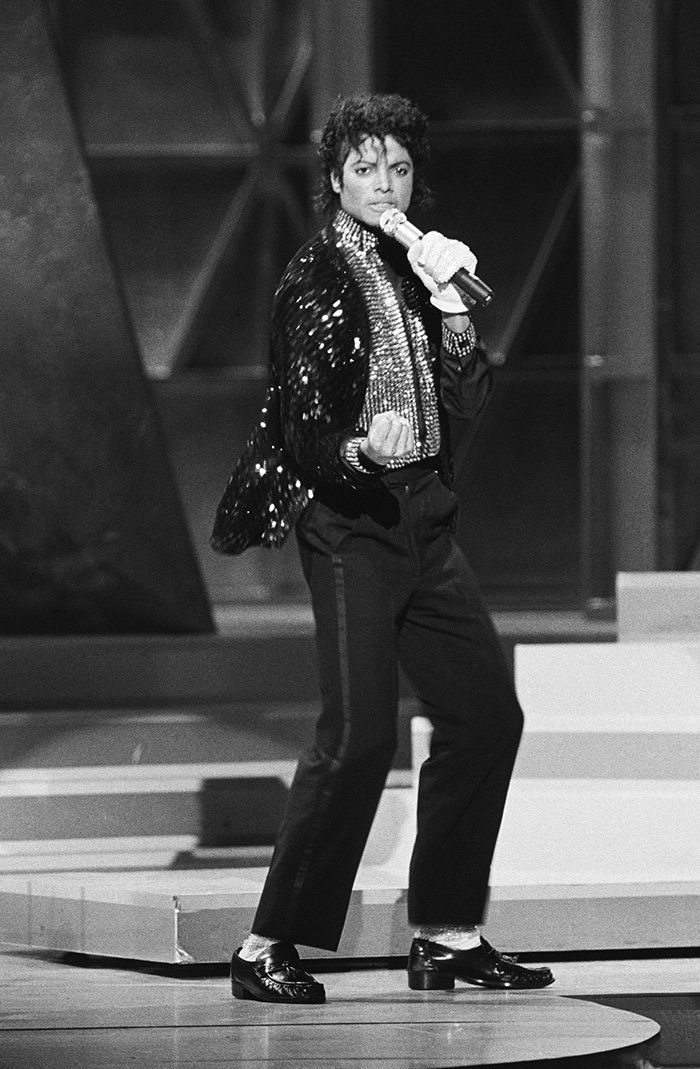
Michael’s first public moonwalk in 1983 became one of the defining moments of American pop culture, captivating generations across the 1990s, 2000s and beyond, including in India.
It inspired teenagers to think differently. Michael Jackson’s They Don’t Care About Us became a soundtrack of defiance, Pink Floyd’s Another Brick in the Wall celebrated individuality, and JAY-Z and Alicia Keys’ Empire State of Mind made New York feel familiar even to those who had never been there
As music tastes changed and India’s indie-pop wave faded, MTV scaled back music in favour of youth reality hits such as Roadies and Splitsvilla, where young people embraced rebellion, ambition and self-expression
2. The Indian challenge
Yet entertainment is changing. The boom in Indian web series has challenged American dominance on streaming platforms
Shows such as Sacred Games, Mirzapur, Scam 1992 and The Family Man proved that local stories could command the same attention once reserved for American hits
Delhi Crime won an International Emmy, while Aspirants and Gullak found audiences in everyday Indian experiences
For much of the 1990s and 2000s, the United States dominated the business of giving the world something new, whether fast food, malls, movies, music or internet culture
But as America turns 250, one of its greatest success stories, India, is also becoming evidence that soft power has limits
The country that once imported American aspirations is increasingly creating its own
Happy birthday, Uncle Sam
Graphics:Anas Shakir
.
