

The steady rise inblockchain-powered gameshas pushed more players to askwhat is crypto gamingas the industry continues to expand at a rapid pace. Projects are attracting more attention as the global blockchain gaming market moves toward an estimated$279 billion in 2026,changing how you interact with digital assets online. Here’s what you need to know about how crypto gaming works, why the model has changed, and where the industry is heading.
What Is Crypto Gaming?
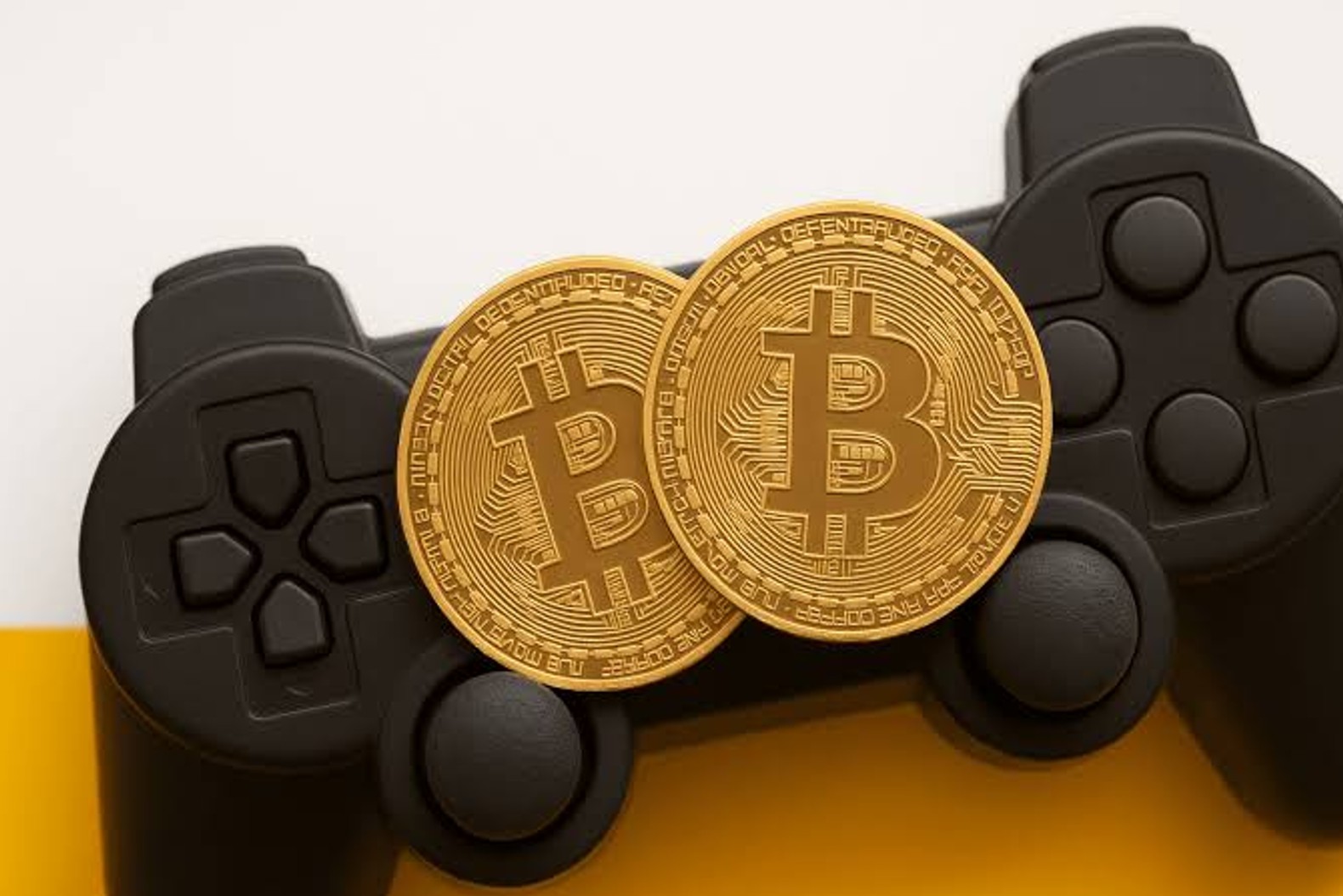
Crypto gamingrefers to video games that useblockchain technologyto give players ownership of in-game assets and create economies that exist beyond the game itself. Unlike traditional games, where items remain locked inside a developer’s ecosystem, this model allows you to hold digital assets that can move across marketplaces or stay under your control
The sector has grown quickly as developers look for new ways to connect gaming with decentralized technology. Recent market data shows theblockchain gaming market was valued at USD13 billionin 2024, which highlights how much investment and attention this space continues to attract. You will often see crypto-based games built around digital ownership, token-powered economies, and systems that reward player participation. This shift is changing how you interact with virtual items, because progress inside a game can now carry value outside the platform.
How Does Crypto Gaming Work?
Cryptocurrency gamingruns on blockchain networks that record ownership and keep transactions transparent, instead of relying on systems controlled by game publishers. When you play, the assets you earn remain connected to your account and remain under your control beyond the game itself
Developers usesmart contractsto manage how assets move within the game and verify who owns them without needing a central authority. This creates an environment where your in-game progress can directly connect to digital ownership in a way that traditional gaming does not allow. The model continues to grow because it changes how you interact with virtual economies. Instead of spending time unlocking items locked inside one platform, you participate in a system where ownership follows you outside the game environment.
As blockchain adoption expands, players are gaining more control over digital assets earned through gameplay, including tradableNFTslinked to in-game ownership. The relationship between developers and players is gradually shifting because ownership no longer stays limited to systems controlled by publishers. Over time, more studios are building ecosystems that allow players to carry digital assets beyond the game itself
Play-to-Earn vs. Play-and-Own: How the Model Has Changed
Early blockchain games became popular through theplay to earn gamesmodel because they allowed players to earn tokens while spending time inside a game. The idea was simple. You played regularly, completed tasks, and received rewards that could carry real-world value outside the platform
That model started losing momentum when several projects struggled to maintain sustainable economies over time. As more players focused on earning rewards instead of enjoying gameplay, token values dropped, and some ecosystems were under pressure from constant selling activity. A similar pattern has also shaped parts of thecrypto casinosector, where platforms built heavily around token incentives have faced similar sustainability concerns when user participation becomes tied more to rewards than long-term engagement.
Play-and-ownemerged as a response to that shift, and game developers started changing how blockchain games create value for players. Instead of rewarding you mainly through token payouts, this model focuses on giving you ownership of digital assets that remain yours even after leaving the game
The difference is clear.Play-to-earn treats gaming as a reward system tied to token incentives, while play-and-own focuses on long-term ownership connected to the player experience.You are no longer entering a game simply to extract value, because the model now places more attention on utility and sustainable engagement
Top Crypto Games 2026
The crypto gaming market has changed significantly as developers move away from short-term reward systems and focus more on stronger gameplay design. As this shift continues,blockchain gamingis becoming more competitive, because studios are now building experiences that can attract players beyond token incentives alone. Here are some of the leading games shaping the space in 2026
1. Axie Infinity
Axie Infinity remains one of the most influential projects after helping introduce millions of players to blockchain-based gaming. The game allows you to collect digital creatures known as Axies and use them in strategic battles, while participating in an economy connected to asset ownership
The platform has changed considerably after its early play-to-earn boom, and developers have spent the last few years rebuilding the ecosystem around sustainability. You now engage more with competitive gameplay and progression systems, instead of relying purely on token rewards, which has helped the project stay relevant despite heavy market changes
2. Illuvium
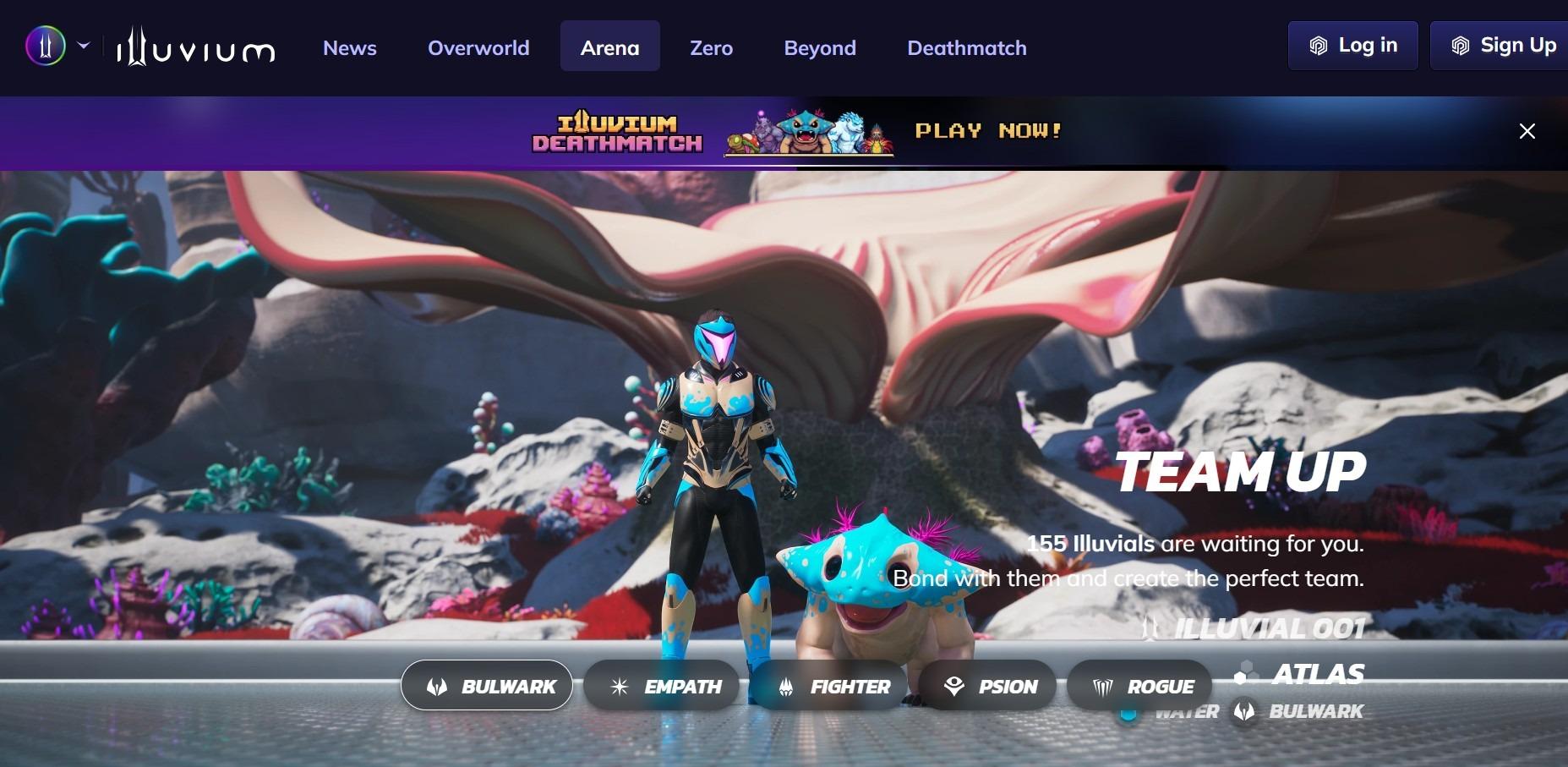
Illuvium has positioned itself as one of the most ambitiousblockchaintitles because it combines large-scale exploration with visually advanced gameplay rarely seen in this sector. You move through an open world environment while searching for creatures called Illu
The project stands out because developers have placed stronger attention on game quality than speculation. Instead of pushing financial incentives first, the ecosystem is designed around long-term engagement, which reflects how newer blockchain games are evolving beyond early crypto trends
3. Pixels
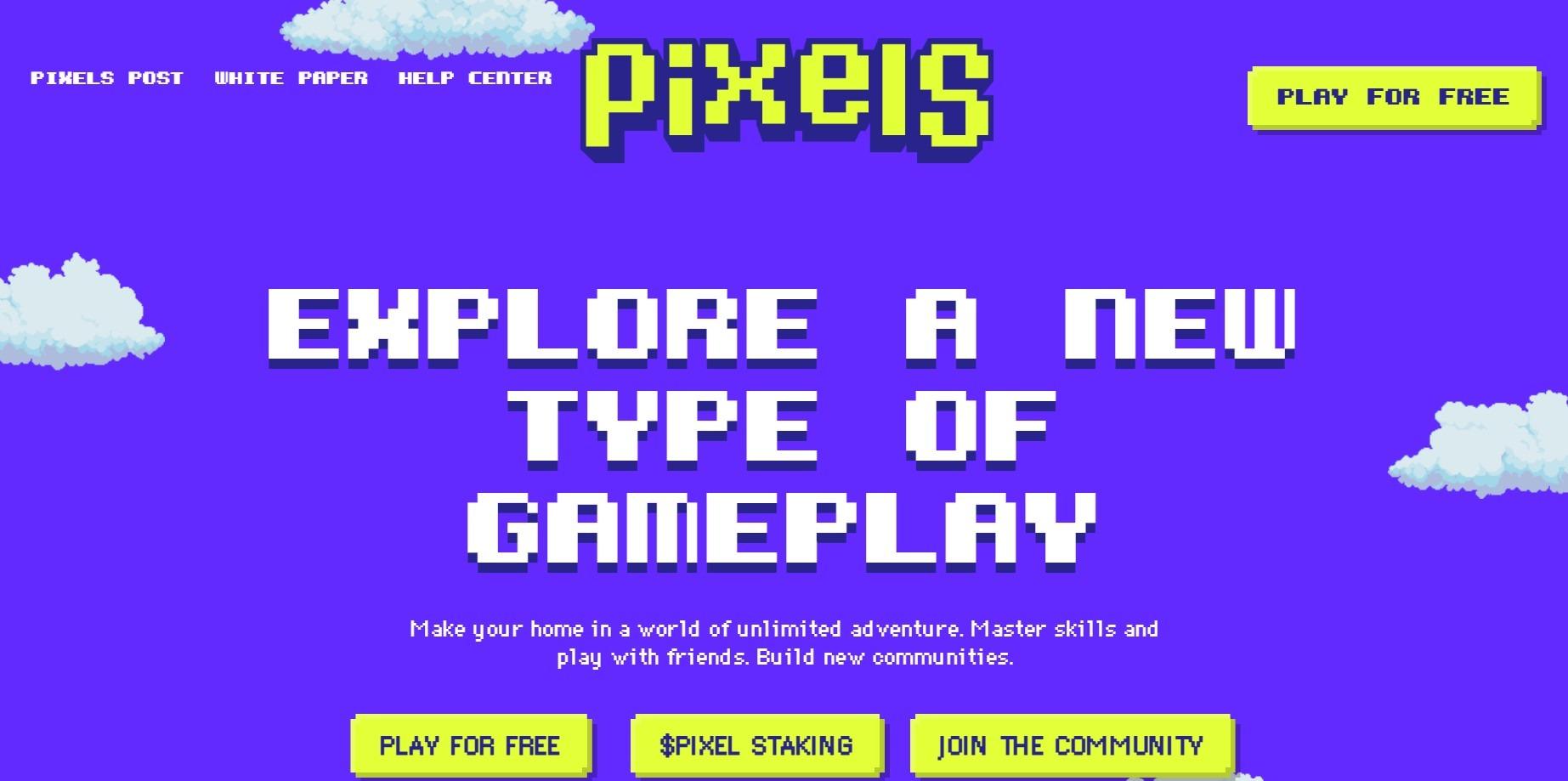
Pixels has gained momentum as one of the fastest-growing names inonline crypto gamingbecause the game removes many technical barriers that once slowed adoption. Unlike complex blockchain titles that require deeper technical understanding, Pixels focuses on a browser-based experience that feels familiar even to casual players
You spend time farming, gathering reven economy built around consistent participation. This accessibility has helped the project attract users who want blockchain integration without navigating complicated systems before getting started
4. Wilder World
Wilder World represents a more advanced direction forcryptocurrency gamingas developers push toward immersive virtual environments connected to digital ownership. The project is building a large-scale metaverse game where players interact inside persistent digital spaces instead of traditional closed gaming ecosystems
You can explore virtual cities, own digital assets, customize experiences, and participate in an economy designed around long-term ownership. The project continues to attract attention because it shows how developers are experimenting with gaming experiences closer to fully connected digital worlds, rather than standalone blockchain applications
Why Did So Many Crypto Games Fail?
The early wave of blockchain-based games attracted strong attention as developers experimented with new ownership models. Yet market data showed growing pressure across the sector, and reports from DappRadar estimated thatover 30% of blockchain gaming projectsbecame inactive during the broader crypto downturn in 2023 and 2024, highlighting how difficult long-term sustainability can be in this space. Here is why few crypto games survive:
1. Weak Token Economies
Early projects often relied heavily on token rewards to keep users engaged. The challenge appeared when players focused more on extracting value than participating in the game itself, which created constant selling pressure that weakened the broader ecosystem over time. As a player, you need to pay attention to how a project balances rewards with long-term sustainability. A system built only around payouts may struggle once demand begins slowing
2. Limited Gameplay Depth
Some early projects placed stronger attention on blockchain integration, while giving less attention to actual game design. As a result, players could lose interest quickly because the experience itself lacked enough depth to support long-term engagement. You should look beyond token mechanics and ask whether the game remains enjoyable even without financial incentives attached. Strong gameplay usually plays a bigger role in retention than speculative rewards
3. High Entry Costs
Several blockchain games initially required players to purchase expensive digital assets before joining the ecosystem. This created barriers that limited accessibility and reduced the number of new users entering the platform. If a game requires significant upfront spending before you can begin playing, adoption may become harder to sustain over time. Lower barriers often make long-term growth easier
4. Overdependence on Market Cycles
The broader cryptocurrency market often affects blockchain-based games, because token value remains connected to external market conditions. During periods of market decline, user activity can slow, as confidence across the ecosystem weakens. For you as a player, this creates uncertainty, because game participation may become closely tied to conditions outside the game environment itself
5. Unrealistic Development Expectations
Some projects launched ambitious roadmaps that proved difficult to execute within expected timelines. Delays can affect community confidence, which may reduce long-term engagement, as users begin to question whether development goals remain achievable. You should always examine whether a project has realistic development plans, rather than focusing only on early hype surrounding its launch
How AI Is Changing Crypto Gaming
Artificial intelligence is starting to influence how developers build blockchain-based games as studios look for effective ways to improve gameplay and strengthen digital economies. As this shift continues,AI is helping create systems that feel more adaptive, which changes how you interact with game environments and player-owned assets
Here are some waysAI is changing crypto gamingin 2026
- Creating smarter NPCs.Developers now use AI to build non-playable characters that react more naturally to player behavior. This creates game environments that feel less predictable and more responsive to your actions.
- Improving fraud detection.AI systems help identify suspicious wallet activity and unusual transaction patterns inside blockchain ecosystems. This can help reduce exploit attempts that may affect in-game economies.
- Personalizing gameplay experiences.Some platforms are using AI to adjust missions, in game rewards, and player progression based on how you interact with the game. This helps create experiences that feel more tailored to your playing style.
- Supporting virtual asset creation.Developers are using AI tools to generate digital environments, in-game objects, and character designs more efficiently. This can reduce development time while expanding content creation.
- Balancing in-game economies.AI can analyze player behavior and transaction patterns to help developers manage token circulation more effectively. This allows game economies to adjust more efficiently as player activity changes over time.
Is Crypto Gaming Safe?
Crypto gaming can be safe, but your experience often depends on the project you choose and how well you understand the risks involved. Since these games connect directly to blockchain networks, you often interact withdigital walletsandtoken-based systemsthat require stronger security awareness than traditional gaming platforms. If you connect to unverified platforms, your assets may be exposed to avoidable security risks
The safest approach starts with understanding how a project handleswallet security, smart contract protection,crypto staking, and asset ownership systemsbefore you begin playing. You should also verify whether developers maintain active communities and transparent development updates, because stronger transparency often gives you a clearer picture of how secure a gaming ecosystem may be over time
Security also depends on the habits you develop while using these platforms. You should avoid sharing wallet credentials and take time to confirm whether a platform has been independently audited before connecting your assets. Small security checks often reduce the chances of exposing yourself to unnecessary risks.
The Dark Side of Crypto Gaming
The rapid growth of blockchain-based games has also exposed risks that continue shaping how players approach this space. Data from Chainalysis showed that crypto-related hacks led to more than$2.2 billionin stolen funds during 2024, which highlights why understanding the risks around these ecosystems matters before you engage with them
Some of the biggest concerns surrounding crypto gaming include:
- Wallet security vulnerabilities
- Scam projects with weak transparency
- Token price volatility affecting asset value
- Smart contract exploits inside game ecosystems
- High entry costs tied to digital assets
- Market speculation replacing actual gameplay
These risks make research an important part of the decision-making process before joining any blockchain-based game. You should spend time reviewing how the project operates before connecting your wallet. It also helps to understand whether developers remain active and transparent over time. The stronger your understanding of the ecosystem, the easier it becomes to avoid unnecessary risks.
Is Crypto Gaming Legal?
Since multiple games involve cryptocurrencies, token economies, and digital ownership systems, regulators continue paying closer attention to how developers operate within this fast-changing sector. At the same time, legal frameworks are evolving at different speeds across major markets. Because regulation directly affects how platforms launch and operate, understanding these rules helps you see how the future of crypto gaming may develop globally. Below are two major regions currently shaping that regulatory conversation.
Regulation in the US
The United States continues allowing crypto gaming platforms to operate, although regulation remains fragmented across different agencies. Bodies such as theU.S. Securities and Exchange Commissionand theCommodity Futures Trading Commissionhave increased oversight as questions continue around whether certain gaming tokens fall under securities law
As a player, this leaves you operating in a market where access remains open, yet developers still face uncertainty when designing token-based gaming ecosystems
Regulation in the EU
The European Union has taken a more structured approach through the Markets in Crypto-Assets Regulation, commonly known asMiCA, which introduced clearer rules around crypto asset operations across member states. This framework is gradually creating stronger oversight for game companies operating within blockchain-based ecosystems
As a result, developers targeting European markets may need to follow stricter compliance standards when building token-based gaming ecosystems. This gives players greater clarity while pushing developers to operate under more defined compliance standards across the European market
How to Get Started With Crypto Gaming
Getting started can feel unfamiliar when you first begin exploringwhat is crypto gamingbecause blockchain-based platforms work differently from traditional video games. Still, once you understand the basic setup, navigating these ecosystems becomes much easier and helps you avoid mistakes early on
The process starts with understanding how digital ownership works inside blockchain ecosystems. After that, you can focus on setting up the right tools and learning howcryptocurrency gamingplatforms function before spending time or money. Here is how to get started:
Step 1: Set Up a Crypto Wallet
A crypto wallet is the first thing you need because it stores the digital assets connected to blockchain-based games. Unlike standard gaming accounts controlled by publishers, these wallets allow you to keep direct control over assets linked to your account rather than leaving them inside a closed platform
Before moving forward, choose a wallet that supports the blockchain network connected to the game you want to play. Security matters from the start, so protecting wallet credentials should always remain a priority
Step 2: Choose a Beginner-Friendly Game
Once your wallet is ready, the next step is choosing a game that makes the onboarding process easier. Some blockchain-based games require technical knowledge from the beginning, while others focus more on accessibility and allow new players to learn gradually
Starting with a beginner-friendly platform gives you time to understand how ownership systems work without immediately dealing with more advanced blockchain game mechanics. A simpler entry point often makes the learning process far easier
Step 3: Understand the Token Before You Invest Time or Money
Every blockchain game uses its own economic structure, which makes understanding the token system important before making long-term commitments. Some projects use tokens mainly for transactions inside the game, while others connect them directly to player participation and ecosystem activity
Spend time learning how the token functions before committing money or investing significant time into a platform. The stronger your understanding of the economy, the easier it becomes to decide whether the project fits what you are looking for
The Future of Crypto Gaming
The future of crypto gaming looks increasingly tied to how developers improve gameplay rather than how they build token-based economies. We are already seeing studios shift their attention toward stronger game design as digital ownership becomes a more natural part of the player experience
We can also expect deeper integration between blockchain systems and emerging technologies such as artificial intelligence, which could make virtual world feel more adaptive over time. As these technologies continue evolving together, developers will likely focus on creating ecosystems where ownership and gameplay feel connected rather than separate systems working independently
At the same time, regulation will continue shaping how the industry grows across major markets. We are moving toward a phase where long-term sustainability matters more than early experimentation, and that shift will likely define how crypto gaming develops over the next few years
FAQs
Is crypto gaming legal?
Crypto gaming is legal in many countries, although regulations vary depending on how governments classify digital assets and blockchain-based platforms. You should always check local laws because rules around cryptocurrency use continue changing across different regions
Do crypto games pay real money?
Some crypto games allow players to earn digital tokens that can hold real-world value, although payment depends on how the game’s economy is structured. In most cases, rewards are tied to blockchain assets that may be exchanged through external marketplaces
Can you make money with crypto games?
You can make money with crypto games when a platform allows players to earn assets that carry market value outside the game ecosystem. The outcome often depends on token demand, project design, and how the game structures player participation over time
Do you need cryptocurrency to start crypto gaming?
You do not always need cryptocurrency to begin because some blockchain games allow free entry before requiring wallet connections or digital assets. The starting requirements usually depend on how each platform structures access and in-game ownership systems
What is the difference between crypto gaming and traditional gaming?
Crypto gaming gives you ownership of certain digital assets through blockchain technology, while traditional gaming keeps assets locked inside systems controlled by publishers. This changes how you interact with in-game items because ownership can extend beyond a single platform
