

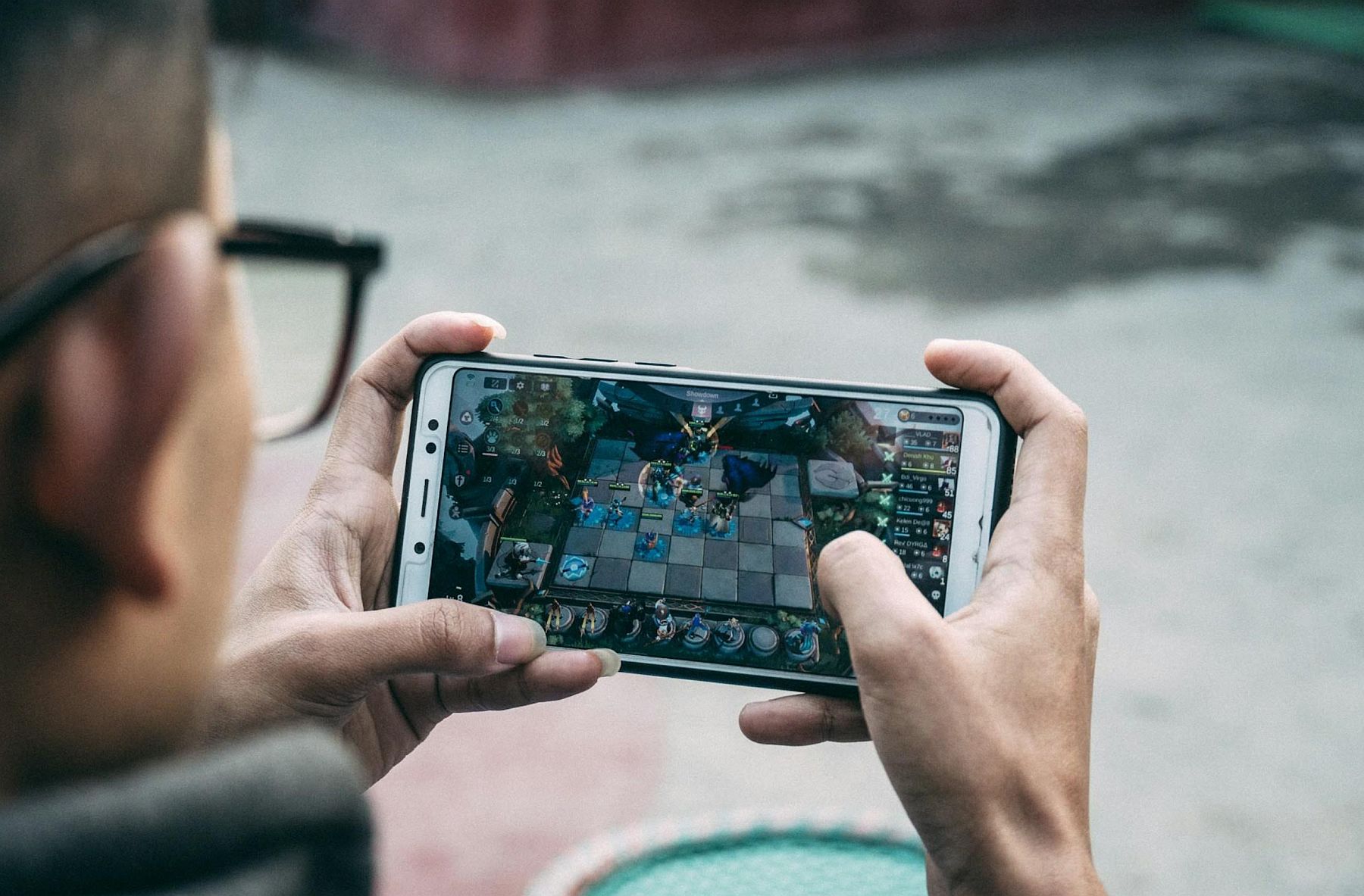
The Best Mobile Hardware Features for Serious Casual Gamers
By Kelvin •
July 15, 2026
•
Let’s clear something up first. “Serious casual gamer” isn’t a contradiction. It describes most of us, honestly. You’re not grinding ranked matches for six hours a night, but you do care whether your phone stutters mid-session. You want smooth, responsive play without buying a device that looks like it escaped from a sci-fi film set. The good news? In 2026, the hardware that matters for this kind of player has never been easier to find, and you don’t always need a dedicated gaming phone to get it.
So what should you actually look for? Let’s walk through the features that make a real difference
The Display Does More Heavy Lifting Than You Think
Refresh rate is the headline spec, and for good reason. A 120Hz panel is the practical sweet spot for most players, while dedicated gaming phones now push 144Hz, 165Hz, and beyond. Everything feels more fluid, from scrolling menus to landing a precise tap in a rhythm game. Touch sampling rate matters just as much, though it gets far less attention. That’s the speed at which the screen registers your finger, and higher numbers mean your inputs land when you expect them to
Here’s the thing, though. You don’t need a demanding shooter to appreciate this. Lighter play benefits enormously too. Spinning through a few rounds at a sweepstakes casino on your own device, where everything runs on virtual coins, feels noticeably crisper on a high refresh OLED, with animations gliding instead of chugging along. Card games, puzzle titles, match-threes, they all pick up that same buttery quality. Once you’ve experienced it, going back to a 60Hz screen feels like wading through syrup.
An OLED panel rounds out the picture, quite literally. Deeper blacks, punchier colors, better contrast in dark scenes. If your budget forces a choice, prioritize OLED with 120Hz over an LCD with a higher number
Chipsets Are Fast. Thermals Decide Who Stays Fast
Modern flagship silicon like the Snapdragon 8 Elite family is absurdly capable. Even mid-range phones now carry last year’s flagship chips, which is why sub-$500 devices can run console-quality titles without breaking a sweat. Raw power is no longer the bottleneck
Heat is. A phone that benchmarks brilliantly for five minutes but throttles hard at the twenty-minute mark will frustrate you far more than a slightly slower device that holds steady. This is where vapor chambers, graphite layers, and (on gaming-focused models) active cooling fans earn their keep. Reviewers have noted that some sleek flagships start dropping frames after 15 to 20 minutes of sustained load, while phones built with serious cooling barely flinch. If you tend to play in longer stretches, sustained performance should outrank peak benchmark scores on your priority list. Search for a thermal throttling test of any phone you’re considering. Five-minute demos hide the truth.
Battery Life Is Quietly Having a Moment
Silicon-carbon battery tech has changed the conversation. Capacities of 6,500mAh and even 7,500mAh are showing up in phones that aren’t noticeably thicker than before. For a casual player, that translates to something simple: you can play on your commute, at lunch, and in the evening without babysitting a charger
Bypass charging deserves a mention here too. It’s a feature that powers the phone directly from the wall while gaming, skipping the battery entirely. Less heat, less long-term battery wear. It used to be exclusive to gaming phones, and it’s slowly spreading. Worth checking the spec sheet for
The Little Things That Add Up
Don’t sleep on haptics. A precise vibration motor makes every tap and win animation feel tactile and satisfying, and cheap buzzy haptics can genuinely sour an otherwise great phone. Stereo speakers with real separation matter more than you’d guess, especially for games where audio cues carry information
Shoulder triggers, whether physical or capacitive touch zones, are lovely if you play shooters or racers, but they’re optional for everyone else. Same goes for 24GB of RAM. Nice to have? Sure. Necessary? Not remotely
So Where Does That Leave You?
You’ve got two solid paths. A mainstream flagship with a 120Hz OLED, a recent chipset, and a big battery covers the serious casual crowd beautifully. Or, if your sessions run long and hot, a gaming-focused phone with proper cooling gets you sustained performance at a surprisingly reasonable price these days
Either way, the era of compromising is over. Figure out how you actually play, match the hardware to that, and ignore the rest of the spec sheet noise. Your thumbs will thank you
