

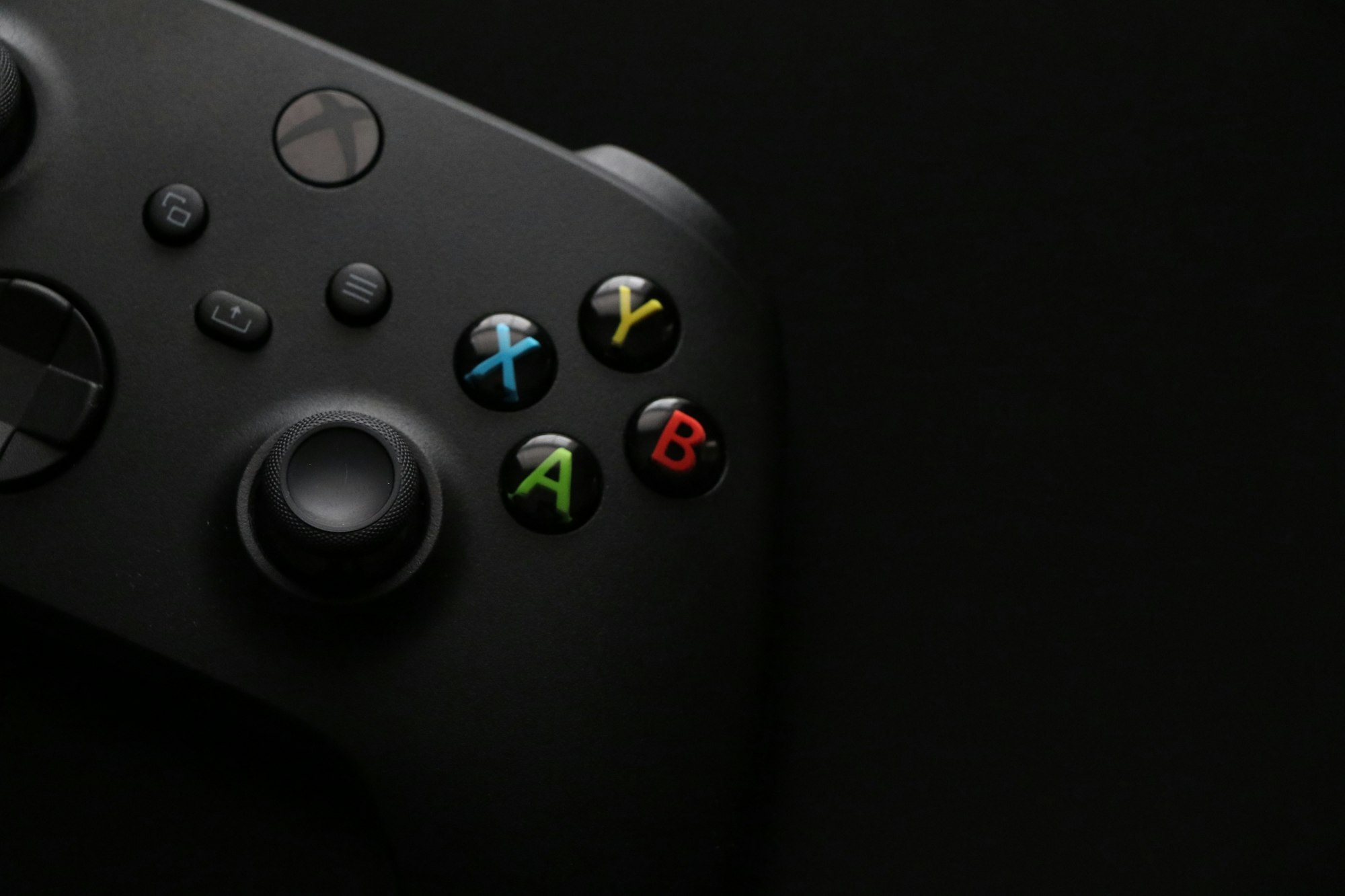
Both Sony Interactive <a href="https://comicvibe.com/shemaroo-entertainment-ltd-upgraded-to-sell-on-technical-improvements-despite-weak-fundamentals/” title=”Shemaroo Entertainment Ltd Upgraded to Sell on Technical Improvements Despite Weak Fundamentals”>Entertainment and Nintendo are being sued over consumer tariff refunds. Now, Microsoft will join them in court. Trevor Hastings, from California, purchased an Xbox console from a retail store after Microsoft increased the price of the console, according to a proposed class action lawsuit filed in June in Washington Superior Court and obtained by Aftermath. The case has since been moved to the U.S. District Court for the Western District of Washington, where it became available in an online docket.
Microsoft raised the prices of its Xbox consoles sold in the United States three times in the past two years. The <a href="https://kotaku.com/microsoft-xbox-series-x-s-price-increase-may-2025-185177861?ref=aftermath.site” rel=”nofollow noopener” target=”_blank”>first increase was in May 2025, due to “the macroeconomic environment,” i.e., tariffs, then in October for the same reason. Microsoft raised the price of its Xbox consoles again in June. It now costs $800 for a 1TB Xbox Series X, which launched with a $500 price tag. This lawsuit, however, seemingly will apply only to the tariff-related increases—the last one was due to the chip shortage.
Lots of companies increased their prices after United States president Donald Trump ordered massive tariffs on companies bringing products in from other countries. The Supreme Court ruled the tariffs were illegal, after thousands of companies, including Nintendo, sued the government to get that money back. The government has started issuing those refunds, and by mid-July haspaid out $81 billion in refunds. These console makers may be some of the companies getting some of that money back, though it’s unclear how much has been paid out to individual companies. Aftermath has reached out to Nintendo, Microsoft, and Sony Interactive Entertainment for comment. Customs and Border Control told a court in March it collected $166 billion in tariffs.
Hastings’ argument is no different from the ones opened against Sony Interactive Entertainment and Nintendo. “If unchecked, Microsoft will reap those tariff payments twice – once in the form of pass-through costs imposed on consumers like Plaintiff, and then again from the federal
government through its tariff refund program, including interest,” Hastings’ lawyer wrote. Microsoft has not yet responded.
Days ago, Nintendo’s lawyers claimed the company’s customers are “not entitled to a [tariff] rebate,” according to new court documents filed Monday. Two people, Gregory Hoffert and Prashant Sharan, filed a proposed class action complaint in the United States District Court’s Western District of Washington in April, asking the court to force Nintendo into paying back customers after it raised prices due to tariffs. Game File first reported the new document, in which Nintendo’s lawyers argue that customers who purchased its products—like consoles and various accessories—after it increased prices in April aren’t entitled to a refund. (That increase, and the subsequent lawsuit, is seemingly unrelated to the price increase in May, which bumped the Nintendo Switch 2 up to $500 from $450. That price increase is due to “various changes in market conditions,” i.e., the chip shortage.)
“If a consumer did not want to pay the advertised price, they were free to abstain from purchasing the product or seek out competing products,” Nintendo’s lawyers wrote. The company was, in fact, “protect[ing] consumers, not deceiv[ing] them,” according to the complaint.
Nintendo itself is sued the U.S. government, alongside thousands of other companies, for tariff refunds. The government was ordered, in a separate ruling, to pay back companies for the tariffs then deemed illegal.
Hoffert and Sharan’s lawyers said in the complaint the money is a “windfall” for Nintendo, since it has already “recouped tariff costs from consumers through higher prices, and it now stands in line to recover the same unlawful tariff payments from the federal government.”
Nintendo’s argument about not refunding that money to consumers is that anyone buying a Nintendo Switch or different product during that time got what they paid for: “Nintendo products that Plaintiffs knowingly and voluntarily purchased at the advertised price,” while the company itself “bore the primary brunt of the tariffs.”
“Nor is there anything ‘unjust’ about Nintendo retaining money that it may receive from the government as tariff refunds,” Nintendo lawyers said. “The fact that Nintendo stands to receive tariff refunds does not give Plaintiffs any legal entitlement to those funds.”
Nintendo “proactively communicated that tariffs were among the levers informing pricing strategy,” lawyers said. Customers knew that, they said, and “decided the Nintendo products they purchased were worth the price they paid, including any tariff-related price increases.”
Regardless, Nintendo’s lawyers argued, it would be simply too hard to refund everyone. “Even confined to this case, Plaintiffs’ theory would require the Court to take each of Nintendo’s products and determine how much of its price was attributable to the tariff, separating that duty from the many other inputs that move a price,” they said. “That allocation is difficult enough product by product within a single company.”
Each of these companies are likely to use a similar defense, should these cases move forward. The case against Sony Interactive Entertainment was filed in May, and the company has not yet responded.
Some companies, though, have vowed to give that money back to customers. FedEx said in June that it plans to refund $800 million to customers. That’ll begin in August. UPS said it would do that, too—with a cost of up to $5 billion, according Fortune.
