A government-backed K-culture festival has revived a question that follows Korean pop culture abroad: how much of it was the government’s doing?
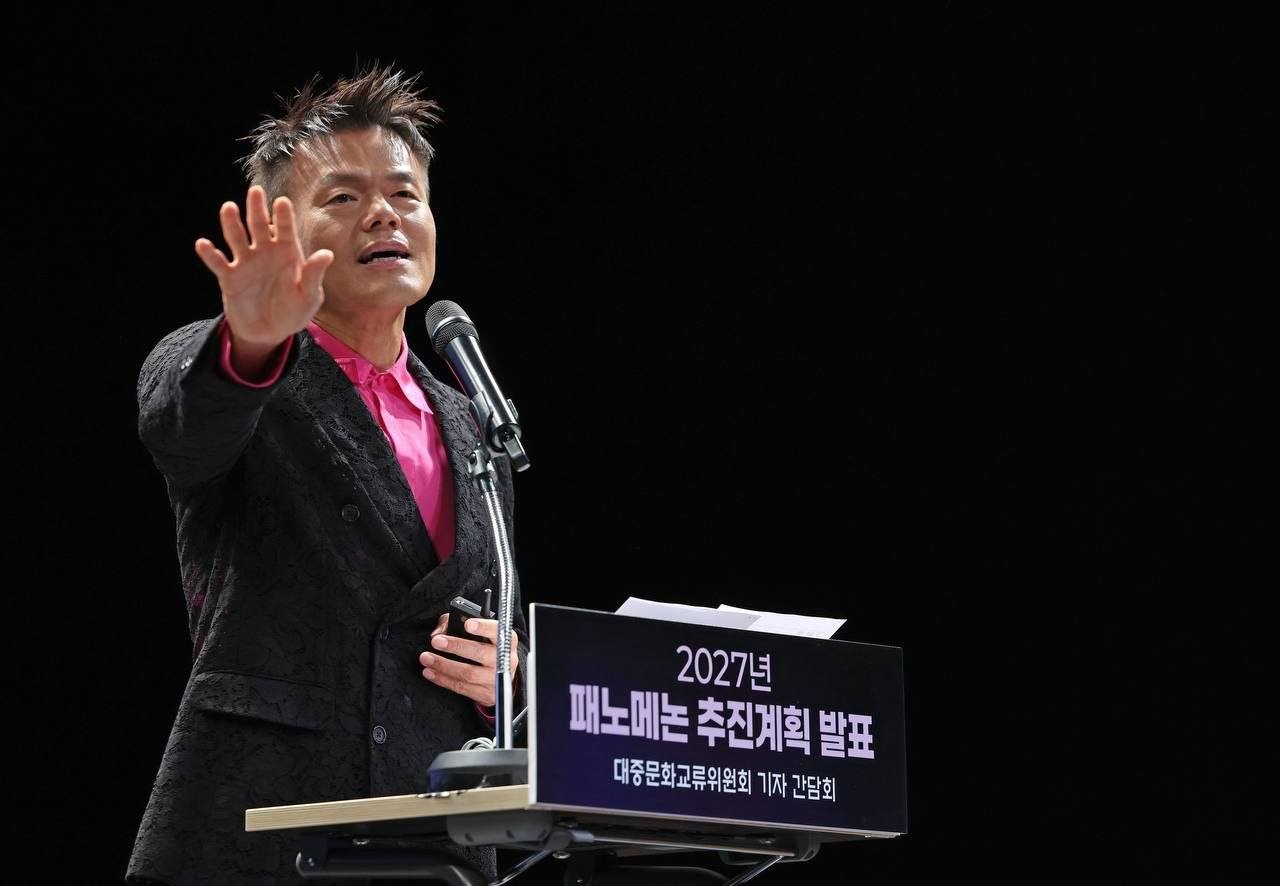
The question was put to the organizers of Fanomenon on Monday. The 11-day festival of concerts, fandom awards and industry exhibitions, set for December 2027, will be staged by Korea’s four biggest music agencies with state support, under the Presidential Committee on Popular Culture Exchange.
Asked whether an event of that scale could reinforce a perception held by some — that Hallyu is a state-driven project —J.Y. Park rejected the premise. Park is thefounder of JYP Entertainment and serves as co-chair of the presidential committee
“The best response is to make it clear that simply isn’t true, because it isn’t,” he said. “Was government support the main reason K-pop and Korean culture became popular around the world? As you all know, it wasn’t.”
Park said the collaboration was initiated when the government requested input from the industry, not the other way around.
“When the government comes up with a plan and tells companies to carry it out, that’s very risky,” he said. “It makes a big difference who does the planning.”
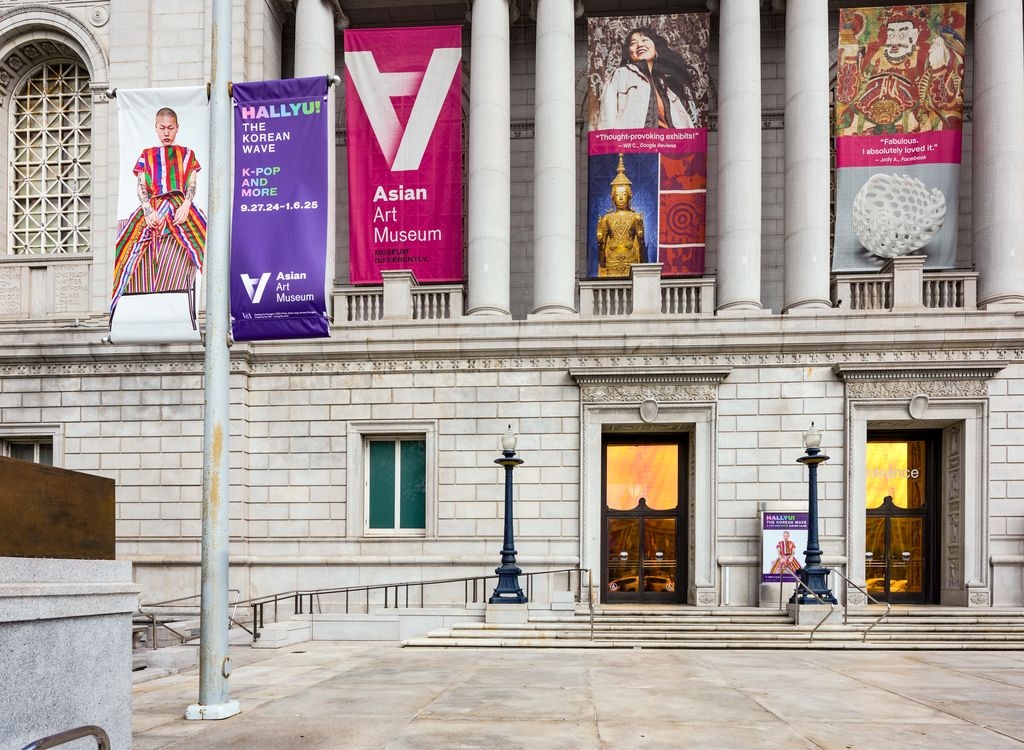
Culture Minister Chae Hwi-young, the committee’s other co-chair,echoed that point.”The government is good at what it does. But it does not have the capacity to have lifted K-pop this far,” he said.
“The government’s job is to ask the people working in the field what needs to be done, and then support the answer.”
Still, the suspicion has plausible roots. South Korea enacted legislation to promote its cultural industries in the late 1990s, just as Korean dramas began finding overseas audiences. Many know about the country’s state-led Five-Year Economic Development Plans that drove its rapid industrialization from the 1960s to 1990s, making it easy for some to assume South Korea’s cultural success followed a similar model.
Hong Seok-kyoung, a Seoul National University communications professor who studies Hallyu, has written that the belief among foreign diplomats, reporters and officials that Korean pop culture was built by subsidy is close to unshakable.
Seoul, Hong adds, made it worse by putting the state at the front of its cultural diplomacy, but she counters that Hallyu was received, not transmitted.
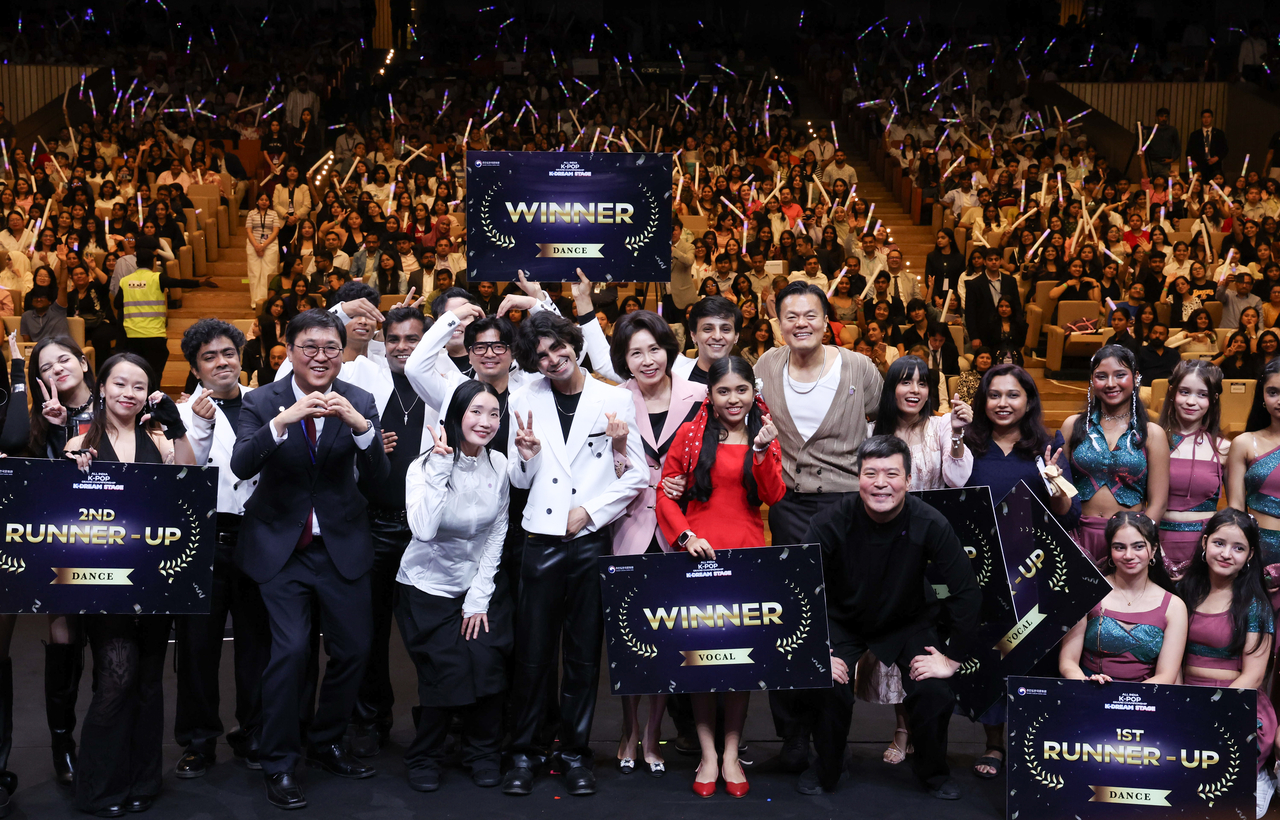
Different countries fell for different dramas and different actors, and for different reasons, which is not the pattern a designed campaign produces. What changed in Korea, she argues, was democratization in the 1980s and the lifting of cultural restrictions in the 1990s. That gave creators room to work.
The narrative has also served political purposes elsewhere. In a paper published last year in the Journal of Korea Culture Industry, Chung In-sun of Soonchunhyang University argued that Japanese government reports have portrayed Hallyu as a state-led project partly to justify Tokyo’s own cultural spending. With postwar Japan long wary of government intervention in culture, framing South Korea as a precedent helped legitimize similar policies at home.
What the Korean government has committed to, however, is logistics rather than creative direction. Under the committee’s plan, it will oversee immigration procedures and public safety for the event, promote inbound tourism to boost attendance and help smaller K-culture companies participate in exhibitions. Since April, a government-run hotline has also handled industry concerns over customs clearance, certification and the cross-border movement of personnel and goods.
For Park, however, the case for the festival is not primarily economic.
He recalled the skepticism that greeted JYP Entertainment’s attempt to break Wonder Girls into the US market and the roughly 10 billion won ($6.8 million) the company lost after the global financial crisis derailed those plans. Even so, he said, pursuing the effort felt worthwhile.
“When I watch Stray Kids or Twice at a place like SoFi Stadium, the picture I drew in my mind back in 2003 and 2004, sitting in a room with Bang Si-hyuk, has actually happened,” he said. “It brings me to tears. How did this become real?”
This time there is a ministry behind him. But, he said, the motivation remains the same.
“Just imagining fans around the world turning their eyes to Seoul every December takes my breath away,” Park said. “This is a hard, almost absurd thing to pull off. Please help us a little.”