


Quick Answer: What Makes a Game “Indie”?
An indie game is a video game created by independent developers without the financial or creative control of a major publisher. At its core, it’s about creative independence—not budget size, art style, or team size.
Key characteristics: – Independence: Creative control remains with the developers – Team size: Typically 1-30 people (e.g., Among Us was created by 3 developers) – Funding: Self-funded, crowdfunded, or small publisher support – Distribution: Primarily digital platforms like Steam, Epic Games Store, itch.io
If you think indie games are just low-budget, pixel-art games, that’s a common misconception. While some indie games fit that description, the indie gaming landscape now encompasses AAA-quality graphics, diverse genres, complex narratives, and multi-million dollar budgets—all while maintaining creative independence.
Moreover, they encompass many genres, such as action, RPG, puzzle, simulation, and visual novels, and most don’t require powerful PCs to run smoothly. Some of gaming’s most memorable experiences come from small teams, and you can play most indie games with satisfying performance even on modest gaming laptops.
Let’s take a closer look at this movement, which holds significance for the creative future of the gaming industry, and explore what it means, what it offers, and how it differs from AAA games.
Indie Game Definition: More Than Just Budget
What Defines an Independent Game?
The term “indie” is short for “independent,” referring to the development process rather than the final product’s appearance or price. An indie game is a title created by independent developers without the financial/creative control of a major publisher. In other words, at its core, it’s about creative independence.
Key characteristics of independent video games:
– Independence: Creative control remains with the developers
– Scale:Typically developed by small teams (for example, Among Us was created by a team of three, and even today the team size is less than 30 people)
– Funding: Self-funded, crowdfunded, or funded by small publishers (to preserve creative freedom)
– Distribution: Almost always digital-first, meaning they are sold through platforms such as Steam and Epic, instead of physical copies in stores
Common Misconceptions About Indie Games
We can better understand what indie games are by addressing the most common misconceptions:
Misconception #1:“All indie games are cheaper” Reality: No. It is true that they are often cheaper than AAA games, but this is not an absolute “rule.” For example, the price of the “Java & Bedrock Deluxe” edition of Minecraft, which is always listed among the best indie games, was $39.99 USD at the time this article was written.
Misconception #2:“All indie games are the same genre” Reality: No. Indie game creators work with many different themes, and there is no particular genre that is preferred. Horror, RPG, adventure, third-person shooter, FPS, simulation – they are just as diverse in terms of genre as AAA games.
Misconception #3:“All indie games use retro or 8-bit graphics” Reality: No. While this was true to some extent in the past, today they use very different art styles and graphics engines. Modern indie games range from photorealistic 3D graphics to hand-drawn animation, from pixel art to Unreal Engine 5 implementations.
Misconception #4:“You need powerful hardware for AAA games, basic computers for indie games” Reality: While many indie games run smoothly on modest gaming laptops, some indie titles with advanced graphics require powerful hardware comparable to AAA requirements. Check individual game requirements.
Indie vs AAA Games: Understanding the Difference?
| Category | Indie Games | AAA Games |
|---|---|---|
| Team Size | 1–30 people (single studio) | Hundreds to thousands (multiple studios) |
| Budget | $10,000 to $10+ million | $100+ million (for example, it is reported that several thousand people are working on GTA VI) |
| Development Time | 1–5 years typically | 3–7+ years typically |
| Creative Control | Developers maintain full creative freedom | Major publisher determines creative limits and direction |
| Risk Tolerance | Can take experimental risks | Risk-averse due to massive budgets |
| Marketing Budget | Minimal to moderate | Often equals or exceeds development budget |
| Distribution | Digital-first (Steam, Epic, consoles) | Digital and physical retail |
| Post-Launch Support | Varies widely | Typically extensive (planned DLC, seasons) |
Why the Distinction Matters
The indie vs AAA distinction isn’t about quality—it’s about creative process and business model. AAA games excel at polish, production value, and scale. Indie games excel at innovation, risk-taking, and personal storytelling.
Both have their place in gaming, and the line between them is blurring. Some “indie” studios now have larger budgets than early AAA games, while some AAA publishers create smaller, indie-style projects.
What Makes Independent Video Games Special: Innovation and Creativity
What makes indie games special is their unique characteristics and the innovation they bring:
Creative Freedom and Experimentation
Indie developers can take risks that big-budget studios avoid:
- Genre-blending gameplay: Combining mechanics from different genres without market research approval (e.g., roguelikes + narrative games, farming sims + dating sims)
- Unconventional narratives: Telling stories about topics AAA publishers consider uncommercial—mental health, personal loss, cultural identity, social issues
- Rule-breaking mechanics: Creating gameplay that defies established conventions, challenging player expectations and industry norms
- Artistic vision: Pursuing unique visual styles, unconventional UI design, and experimental sound design without corporate focus groups
Personal Storytelling and Diverse Voices
Like independent films, indie game developers design games as a form of personal expression:
- Diverse perspectives: Games created by developers from different cultures, backgrounds, and life experiences bring fresh viewpoints to gaming
- Cultural stories: Representation of underrepresented communities and cultures that rarely appear in AAA gaming
- Emotional authenticity: Personal experiences inform narrative design, creating genuine emotional resonance rather than focus-tested sentiment
- Artistic vulnerability: Developers can explore personal themes, trauma, joy, and human experiences without commercial compromise
Innovative Gameplay
Indie developers pioneer new mechanics that often later appear in AAA games:
- New game mechanics: Fresh systems that major studios consider too risky or unproven
- Fresh genre takes: Reinventing established genres with unexpected twists and innovations
- Experimental player experiences: Challenging traditional game structure, pacing, and player expectations
- Gameplay-narrative integration: Mechanics that serve the story, where player actions have thematic meaning
Iconic Indie Game Examples
Minecraft (2011):The ultimate sandbox creativity game that demonstrated independent games could achieve mainstream cultural impact. Now owned by Microsoft but started as a solo developer project. Set an example for countless survival-crafting games.
Stardew Valley (2016): A “one-person labor of love” developed by Eric Barone over four years. Won numerous awards, including BAFTA and Golden Joystick. Proved that solo developers could create deeply engaging, content-rich experiences.
Hollow Knight (2017): Set an incredibly high bar for artistic mastery in indie games. Demonstrated that indie studios could match AAA production values in art direction and world-building.
Celeste (2018): Combined tight platforming mechanics with a mental health narrative, offering a unique gameplay experience that resonated with players struggling with anxiety and depression.
Hades (2020): Revolutionized roguelike mechanics through narrative innovation. Proved that procedurally generated games could tell meaningful, character-driven stories.
Among Us (2018): Started the social deduction phenomenon despite launching to modest attention. Created by just three developers. Demonstrated how games can explode years after release through community discovery.
How Independent Developers Changed the Gaming Industry
Indie game development changed the established rules of the gaming industry in several key ways:
Democratization of Game Development
- Accessible tools: Game development engines like Unity, Unreal Engine, and Godot became free or affordable, removing technical barriers to entry
- Lower barriers: Anyone with a computer can now learn game development through free tutorials, documentation, and online communities
- Digital distribution: Platforms like Steam removed physical retail gatekeepers, allowing direct developer-to-player sales
- Alternative funding: Crowdfunding platforms (Kickstarter, Patreon) enabled direct creator-to-player funding without publisher intermediaries
Influence on AAA Development
- Mechanic adoption: Major studios now incorporate successful indie mechanics into AAA titles
- Aesthetic borrowing: AAA games increasingly adopt indie-style visual approaches and art direction
- Industry recognition: Events like The Game Awards now prominently feature indie categories, validating independent games as legitimate competition
- Talent exchange: Indie developers join AAA studios, while AAA veterans found indie studios, creating valuable cross-pollination
Cultural Impact
- Gaming as art: Indie games helped establish video games as a legitimate artistic medium worthy of critical analysis
- Diverse voices: Independent development lowered barriers for creators from underrepresented backgrounds
- New genre legitimization: Genres like walking simulators, narrative adventures, and experimental games gained mainstream acceptance
- Massive cultural moments: Proved that small teams could create games that dominate cultural conversation
Economic
- Sustainable careers: Indie game development became a viable career path, not just a hobby
- Success inspiration: Hit indie games inspired thousands of new developers to pursue their own projects
- Platform support: Services like Xbox Game Pass, PlayStation Plus, and Apple Arcade actively support indie titles
- Evolved publisher models: New publishing relationships emerged that support indie creativity without removing control
The Indie Game Industry Today
We can summarize the current state of the indie game movement as follows:
Distribution Platforms
- Steam:Remains the primary indie marketplace with the largest audience
- Epic Games Store:Offers competitive terms and exclusive deals for indie developers
- itch.io:Developer-friendly platform with flexible pricing including pay-what-you-want
- GOG:DRM-free distribution appealing to specific player demographics
- ID@Xbox:Microsoft’s indie developer program
- PlayStation Indies:Sony’s indie showcase and support initiative
- Nintendo Indie World:Dedicated indie game presentations and featured content
- Mobile Growth: The mobile indie scene is growing at an increasing pace and reaching many more players beyond traditional gaming demographics.
- Content creator amplification: Streaming platforms and YouTubers significantly boost indie game visibility through gameplay and coverage
- Gaming media coverage: Dedicated indie game coverage from sites like Rock Paper Shotgun, Kotaku, and IGN’s indie sections
- Social media virality: Games like Among Us prove that social media can create breakout success years after release
- Early access engagement: Gamer communities can actively support the development process through early access programs, providing feedback and funding
- Indie games can be played comfortably even on modest gaming PCs
- Cross-platform releases: Indie games frequently launch simultaneously on PC, console, mobile, and Switch to reach broader audiences
- Cloud gaming expansion: Services like Xbox Cloud Gaming and NVIDIA GeForce NOW make indie games accessible without powerful hardware
- Engine optimization: Graphics engines offering cross-platform support, such as Unity, offer excellent cross-platform support, bringing players together regardless of platform
Why the Indie Game Movement Matters for Gaming’s Future
The indie game industry is important for the future of gaming because:
Preserving Creative Risk-Taking
- Innovation pipeline: They bring an innovation pipeline for the entire industry
- Experimentation playground: Low budgets relative to AAA allow for experimentation without catastrophic financial risk
- Alternative to sequels: They create a real alternative for sequel-focused AAA development
- Genre evolution:Indie developers push genre boundaries, preventing stagnation
- Global perspectives: Global creators can tell different stories from different perspectives
- Varied life experiences: Games explore topics and perspectives rarely seen in mainstream gaming The game development community is becoming more inclusive
- Authentic representation:Characters, stories, and themes reflect genuine experiences rather than corporate diversity checklists
- Museum recognition: There are even indie games featured in museums
- Academic study: Indie game narratives are becoming subjects of academic research
- Critical discourse:Indie games receive serious critical analysis comparable to film and literature The cultural preservation of gaming history is becoming possible
- Alternative business models:Indie games experiment with pricing, monetization, and distribution approaches
- Direct creator-player relationships:Patreon and similar platforms enable sustainable independent development
- Market diversity:Indie games serve niche audiences that AAA games ignore, proving these markets are viable
- Development sustainability:Indie success stories demonstrate that small teams can build long-term sustainable businesses
Hardware Requirements: Playing Indie Games
Can You Play Indie Games on a Budget PC?
Yes, most indie games run smoothly on modest gaming hardware. While AAA games often require high-end GPUs and processors, many indie games are optimized for broader hardware compatibility.
Typical indie game requirements:
- Processor:Intel Core i3 or AMD Ryzen 3 (or equivalent)
- RAM:4-8 GB – Graphics: Integrated graphics or entry-level dedicated GPU
- Storage:1-10 GB (smaller than most AAA games)
Exceptions:Some indie games with advanced graphics (like those using Unreal Engine 5) require more powerful hardware comparable to AAA requirements.
Best HP Gaming Systems for Indie Games
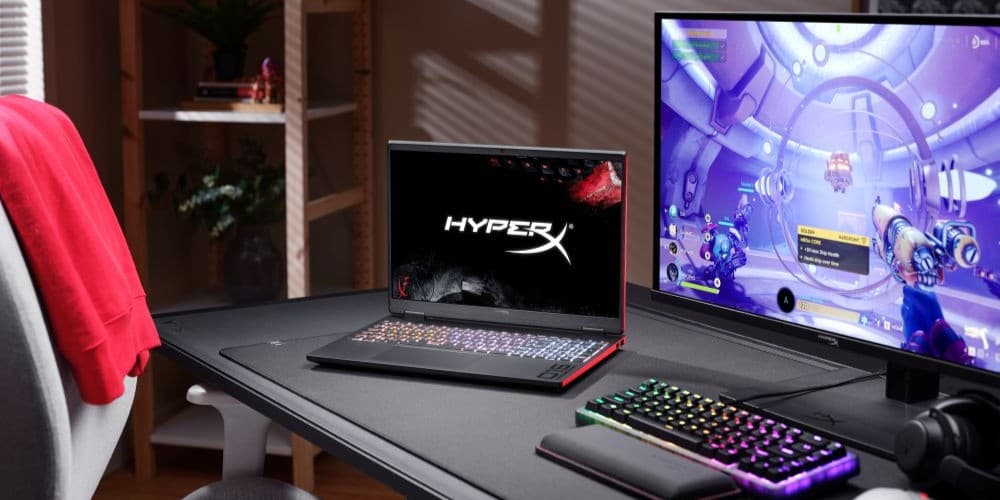
HP HyperX OMEN Gaming Laptops: HP’s HyperX OMEN series provides excellent performance for indie gaming, with configurations ranging from entry-level to high-end. These systems handle both indie games and AAA titles, offering flexibility as your gaming interests expand.
Key features for indie gaming:
- AMD Ryzen or Intel Core processors handle varied indie game requirements
- NVIDIA GeForce RTX graphics support both pixel-art games and graphically intensive indie titles
- High refresh rate displays enhance responsive gameplay
- Efficient cooling for extended gaming sessions
Versatility advantage: HP gaming systems designed for AAA performance easily handle indie games while leaving headroom for future titles.
Many indie games support cross-platform play and cloud saves, allowing you to start on your gaming PC and continue on your laptop or even mobile device. This flexibility fits the mobile nature of modern gaming.
Common Questions About Indie Games
Q: Are all indie games cheap or low-budget?
A: No. While indie games often cost less than $60 AAA titles, this isn’t a universal rule. Development budgets range from a few thousand dollars to tens of millions. For example, Star Citizen had raised over $930 million in crowdfunding at the time this article was written, and its cheapest package was selling for $45. Successful indie studios reinvest profits into larger productions.
Q: Can indie games be as good as AAA games?
A: Yes, and sometimes better in specific aspects. Indie games often excel at innovation, storytelling, and emotional impact. While AAA games typically lead in production scale and polish, indie games frequently win awards for narrative, art direction, and gameplay innovation. Quality depends on what you value—technical achievement or creative vision.
Q: How do independent game developers make money?
A: Indie developers earn revenue through:
- Direct sales:Digital platform sales (Steam, Epic, console stores) with 70-80% revenue after platform fees
- Subscription services:Deals with Xbox Game Pass, PlayStation Plus, Apple Arcade
- Crowdfunding:Kickstarter, Patreon support during development
- Merchandise:Successful indie games sell related products
- DLC and expansions:Post-launch content for successful titles
Q: What’s the difference between indie and AA games?
A: Double A (AA) games occupy a middle ground:
- Team size:50-100 people (larger than indie, smaller than AAA)
- Budget:$10-50 million (between indie and AAA)
- Creative control:Often limited by mid-size publisher relationships
Polish:More production value than typical indie, less than AAA
The line between large indie studios and AA developers is blurry and often debated.
Q: Are pixel art games always indie?
A: No. Pixel art is an artistic choice, not an indicator of independence. AAA publishers sometimes use pixel art for stylistic reasons. For example, Octopath Traveler is published by a major publisher (Square Enix) and its physical copies are sold in stores—characteristics of AAA publishing.
Q: Do I need a powerful PC to play indie games?
A: Generally, no. Most indie games run smoothly even on laptops aimed at students, but there are also indie titles with advanced graphics that require powerful hardware.
Rule of thumb:Check system requirements for each game. Most indie games are optimized for broad hardware compatibility.
Q: How long does it take to develop an indie game?
A: Development time varies dramatically:
- Small projects: 6 months to 2 years
- Medium projects: 2-4 years (like Stardew Valley’s 4-year solo development)
- Large projects: 4-7+ years for ambitious indie studios
Time depends on team size, scope, funding, and whether developers work full-time or part-time.
Q: Where can I find indie games?
- Steam (largest selection)
- Epic Games Store
- itch.io (most developer-friendly)
- GOG (DRM-free)
- PlayStation Store (PlayStation Indies section)
- Xbox Store (ID@Xbox titles)
- Nintendo eShop (Indie World games)
- Steam’s discovery queue and tags
- Indie game showcases and festivals
- Gaming content creators and streamers
- Social media recommendations
- Gaming websites’ indie sections
Getting Started with Indie Games
Where to Begin
If you’re new to indie games, start with acclaimed titles that match your preferred genres:
For action fans:Hollow Knight, Dead Cells, Hades For story lovers: Celeste, Gris, What Remains of Edith Finch For puzzle enthusiasts: Baba Is You, The Witness, Return of the Obra Dinn For simulation players: Stardew Valley, Spiritfarer, Unpacking For horror seekers: Little Nightmares, Inside, Limbo
Supporting Indie Developers
Direct purchases: Buy games directly from developers when possible (itch.io often offers this)
Leave reviews:Positive reviews significantly help visibility on platforms like Steam
Share discoveries:Word-of-mouth and social media sharing boost indie game reach Wishlist games: Wishlisting on Steam helps algorithms recommend games to similar players
Engage with communities:Participate in discussions, provide constructive feedback, and support development
Celebrating Independent Creativity
Indie games are defined by creative independence and innovation, transforming the gaming industry through diverse voices, experimental mechanics, and personal storytelling. The accessibility they offer is broader and more inclusive compared to traditional AAA development, both for creators and players.
Whether you’re drawn to atmospheric narratives, challenging gameplay, unique art styles, or experimental mechanics, indie games offer something for everyone. The beauty of independent gaming is its diversity—you’re not limited to what major publishers think will sell to the widest audience.
Everyone can enjoy them, and every player can find something that appeals to them. Ready to explore indie gaming? If you haven’t tried them yet, you can start today with the HP Gaming PC collection. HP gaming systems provide the performance flexibility to enjoy everything from retro-style indie titles to graphically intensive independent games. Explore HP gaming PCs perfect for indie gaming!
About the Author
Ant Koksal began writing about the PC gaming & tech industry after a long-term career as a lawyer and has over fifteen years of experience in both. He worked as a writer and editor in magazines such as Electronic Gaming Monthly and Level.
