

Artists have to think about a lot today, and that includes new experiences like VR (or Virtual Reality). This may be the last thing you want to hear, but when done right, VR isn’t like many of the other jobs tech has dumped in artists’ laps, such as social media expert or video producer.
VR lets you do what you already do so well (ie: play music live) in a new format with new audiences. If you’ve had a chance to experience VR, you know it’s way more than what the metaverse guys were selling. Immersive sound and 360 images can provide a truly moving, deeply human experience.
For a remote technology, it has the power to put you right there in front of the stage, right there with the performers. I’ve been a musician, audio engineer, and studio owner for decades. I know and treasure that live-music feeling. Let’s talk about it.
For me, VR is the only tech that’s ever gotten close to sparking the feeling of sitting with a talented musician in an intimate club, the rush and the wonder of an amazing live performance.
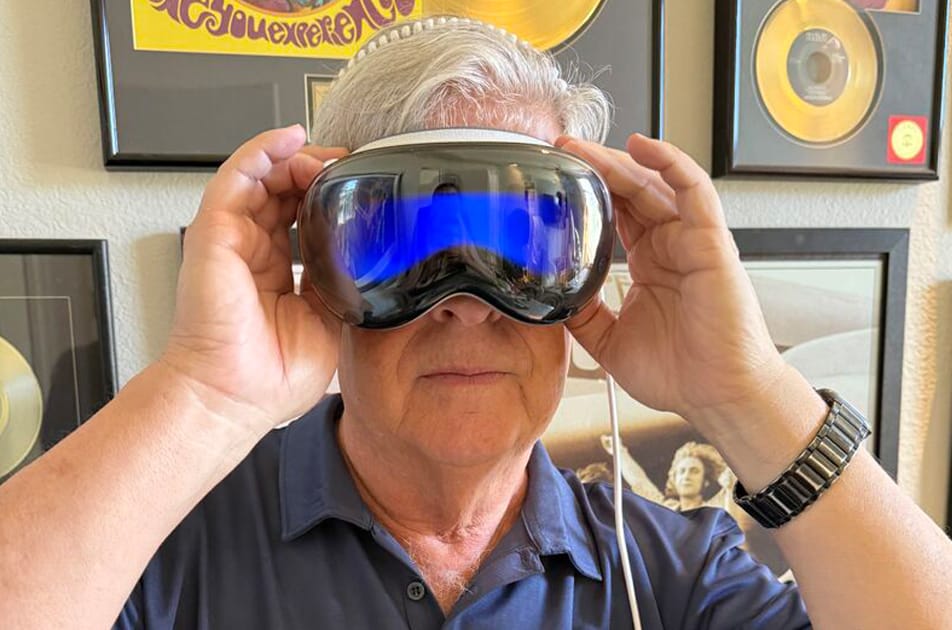
To capture this energy, there are some technical aspects that matter, things we learned the hard way by trying to create some of the first live music content for the Apple Vision Pro in our Vancouver area live performance space. VR is more challenging than a traditional video or audio recording to produce, but it also has more long-term value than a concert you shot to post on socials.
As VR comes into its own at last, thanks to a real shift in the infrastructure and consumer adoption supporting it, artists can grow creatively and financially by embracing it. I am confident that soon, VR will become adependent mid-career artists, too
With that in mind, it’s worth understanding VR as a medium. So let’s talk about how music content works in VR, some technical lessons we’ve learned from shooting dozens of shows for VR.
+Read more:“8 Payment Tools Built for Concert Venues”
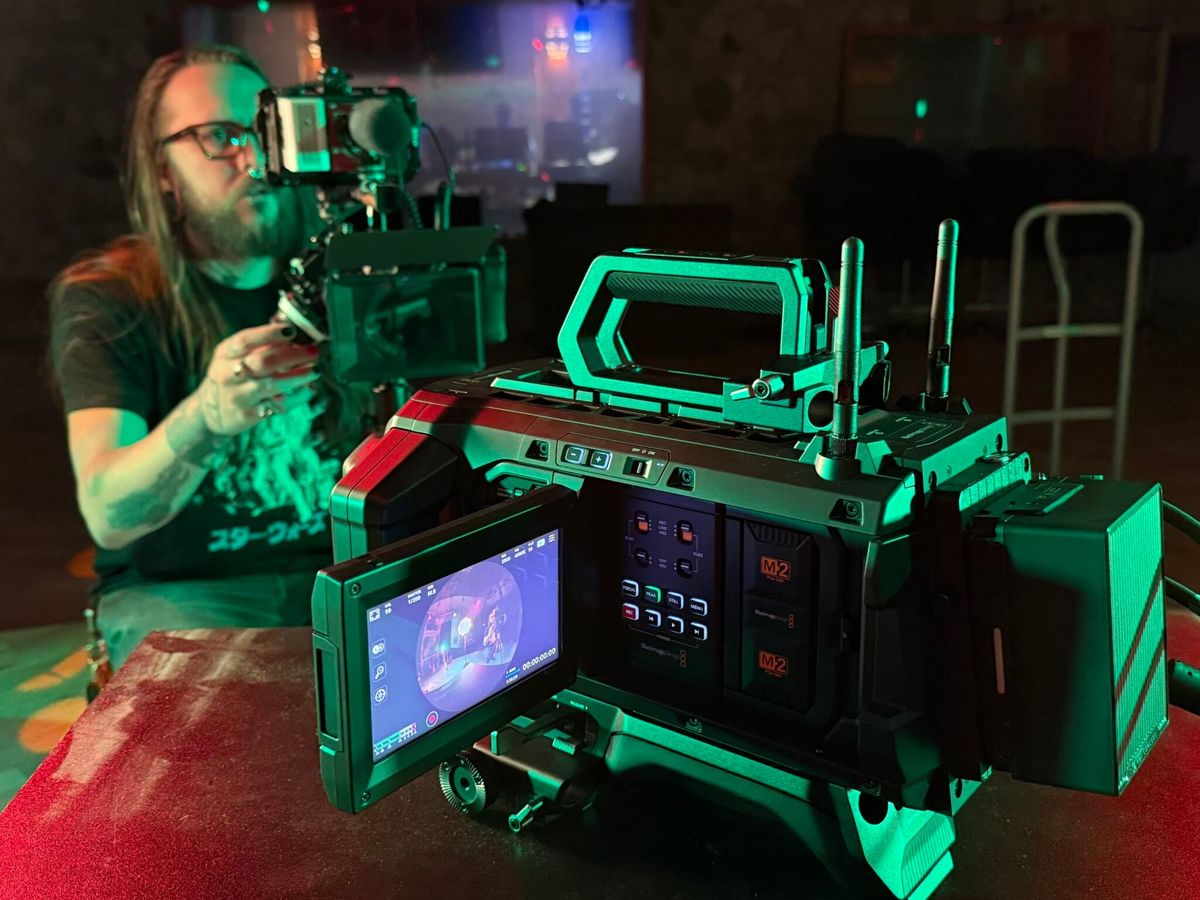
First off, immersive cameras are their own beast. You can’t treat them like a regular video camera in the audience. VR cameras work differently.
They have two lenses, roughly spaced like human eyes. They tend to work best when positioned right in front of the artist, about 6-8 feet away, and roughly eye level. Positioned too high or too low and the VR viewer feels like they are on a steep slope about to fall over. And the camera cannot make any sudden movements or the viewer may get nauseous (something that takes a bit of getting used to).
To ensure a good result, you have to treat that camera as a person standing in front of you. Make the camera your friend.
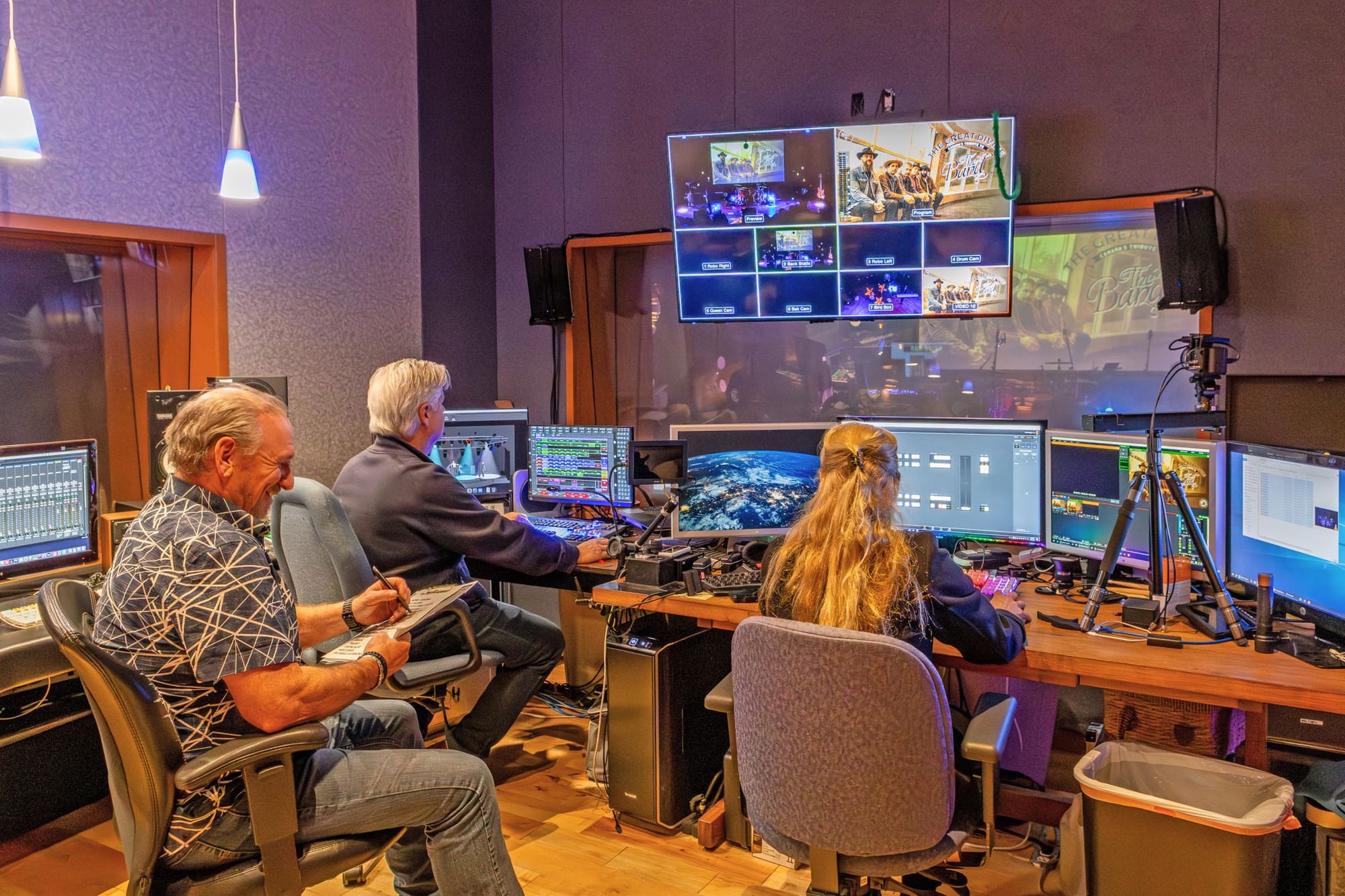
Anyone smart can point or position a camera, but it’s knowing how songs and shows flow that can make or break the shoot. To get a good live music experience in VR, we’ve found you need to work with a production crew that has strong musical understanding. They need to get how songs and setlists tend to flow.
That’s because, when capturing a live show, you don’t get multiple takes.
That’s part of the beauty, and that gives the final VR experience a human edge; you want there to be some friction, some moments that aren’t perfectly polished. Everyone on our production team has some sort of music background, and many of them are pro or studio session players. They know how to react to those powerful, if not always perfect, moments.
Like immersive cameras, immersive sound has its own requirements. We have a great sounding room. We know how to put the mics in the right place. We run each VR session the same way we run an album recording, then we take and translate the results into spatial audio. As you do, you need to make sure that the audio feels like a concert, not something acoustically jarring. If you see a guitarist in front of you, it shouldn’t sound like she’s playing behind your left shoulder.
While that can be fun for games or other experiences, it doesn’t work for live music.
We expect sound engineers to be music people, but with VR, the person running your lighting also needs a strong feel for music. We’re hearing a band’s song for the first time; there’s no cue sheet. The lighting technician has to figure out that there’s a chorus and has to change the lighting. You need that vibe. You have to hit the sound right on the beat, so that the visuals harmonize with the audio.
Once the shoot is over, our first job is to watch the whole show in immersive and judge what works. It’s not always what you’d expect. When it works, it’s breathtaking. You get goosebumps and say, yeah, they nailed it. If we get that feeling, we know someone else watching it will, too
One last, very important moment: You need to own both sides of the songs you’re performing if you want to sell a VR experience of a live show. One thing artists can begin thinking about right now is licensing for new formats and tech like VR. If you work with a publisher, check with them about how they approach VR. Laying some groundwork might serve you well as opportunities in this format grow.
+Read more:“60 Years of the SM58 🎤 A Lesson in Branding”
VR at the moment isn’t really a DIY proposition. You need a specialized studio or setup at a performance space and people to run and produce it. But we hope more and more live venues and studios will consider VR setups as a way to support artists, who can grab a show and turn it into something lasting that fans will love (and pay for) for months and years to come.
That’s what we do at our studio, and we think this approach could be one of the morenew way to make money doing what they love and excel at
Kelly Breaks is Co-Founder ofBlue Frog Studios, Canada’s premier live recording theatre and streaming venue. Since launching the studio in 2010, he has produced more than 150 concerts annually and has been streaming live performances globally since April 2014, beginning with an Earth Day broadcast featuring Jefferson Starship.
