

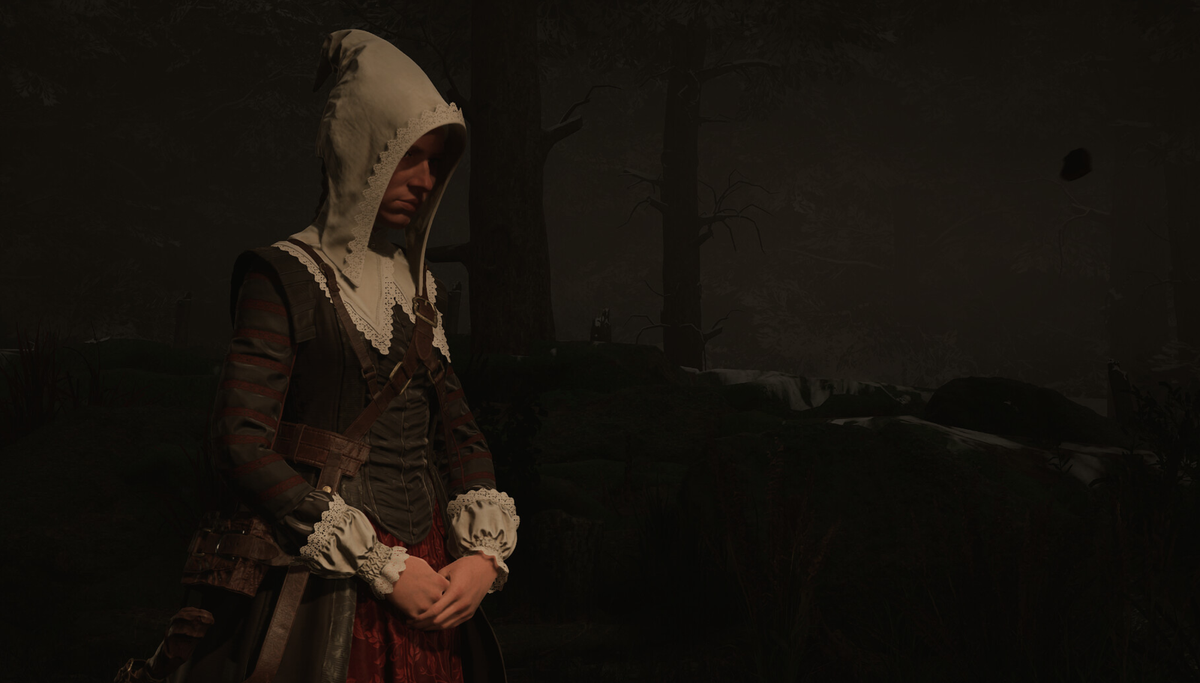
The first time I wrote about the upcoming 1666: Amsterdamwas when the game’s reveal was found to be riddled with some absolutely dogshitAI-generated imagery. The second, and hopefully final, time is to say that the studio’s co-founder Patrice Désilets has not learned a damn thing from it.
‘We are actively reviewing the assets in question’
AftermathLuke Plunkett
<img src="https://comicvibe.com/wp-content/uploads/2026/08/1666-amsterdam-6pwhj-aab34b83-38f3-4622-afd9-4d36e3b959e5.png” alt=””>
In an extraordinary interviewpublished on Eurogamer earlier this week, Désilets–most famous for his work on the early Assassin’s Creed games–tries to explain away the reveal’s AI content by saying “We live in a world full of AI – let’s be honest between ourselves – but there were some [assets] we didn’t retouch enough in the pipeline, and since then we made sure that there will not be any use of AI anywhere in the game.”
That’s a quote from a man who sounds absolutely cookedon the tech, up to his eyeballs in it, trying to explain away a grievous and insulting public relations disaster by saying “well everyone is doing it, sorry we got caught”. My guy we–and I’m talking about video games here in particular–do not live in a world full of AI. The only people who would assume that we areare those either trying to sell the technology or who have become hooked on its conveniences and shortcuts.
Désilets then digs a deeper hole, saying “I can ask the AI to give me 75 different variations of one thing, but I cannot have 75 different illustrators come up with a variation in three seconds. This is the world in which we’re living, and while we were this small team and building [the game], we put it in. We didn’t even realise it was AI any more because we were used to seeing it.”
To say this proudly and publicly,when he has ‘over a dozen’ professional artists working on the game’, and given the public’sgeneral disdain for AI in all aspects of game development (but especiallywhen it comes to art) is insane.
The part of the interview that reallygot to me, though, was this section, where Eurogamer’s Robert Purchese helpfully provides some context for what was going on in the room (the interview took place during a press event in Amsterdam) beyond Désilets’ direct quotes.
He continued: “We can have a big discussion about AI as human beings, but right now it’s tough to have the discussion.” At this, another member of the press and a creator said they didn’t need this discussion because it was just another tool to be used. To which Désilets added: “And it’s everywhere: trying to find something on Google without AI…” But with a laugh he said he didn’t want to have this discussion in front of a room of journalists.
While I understand developers would prefer not have interviews about their upcoming game divert from whatever it is theywant to talk about, the fact here is that for many peoplethe use of AI is all they know and care about 1666, so questions about it should be fair game. Trying to laugh that concern off with some AI-boosting ‘creator’ in the room is just the latest example ofwhere the relationship between developers and what’s left of video games media is at in the year 2026.
Anyway, like I’ve said, hopefully this is the last time I have to write about 1666. I can leave that coverage to others, like this carefully stage-managed preview event still managing to end on a succession of critical findings.
