

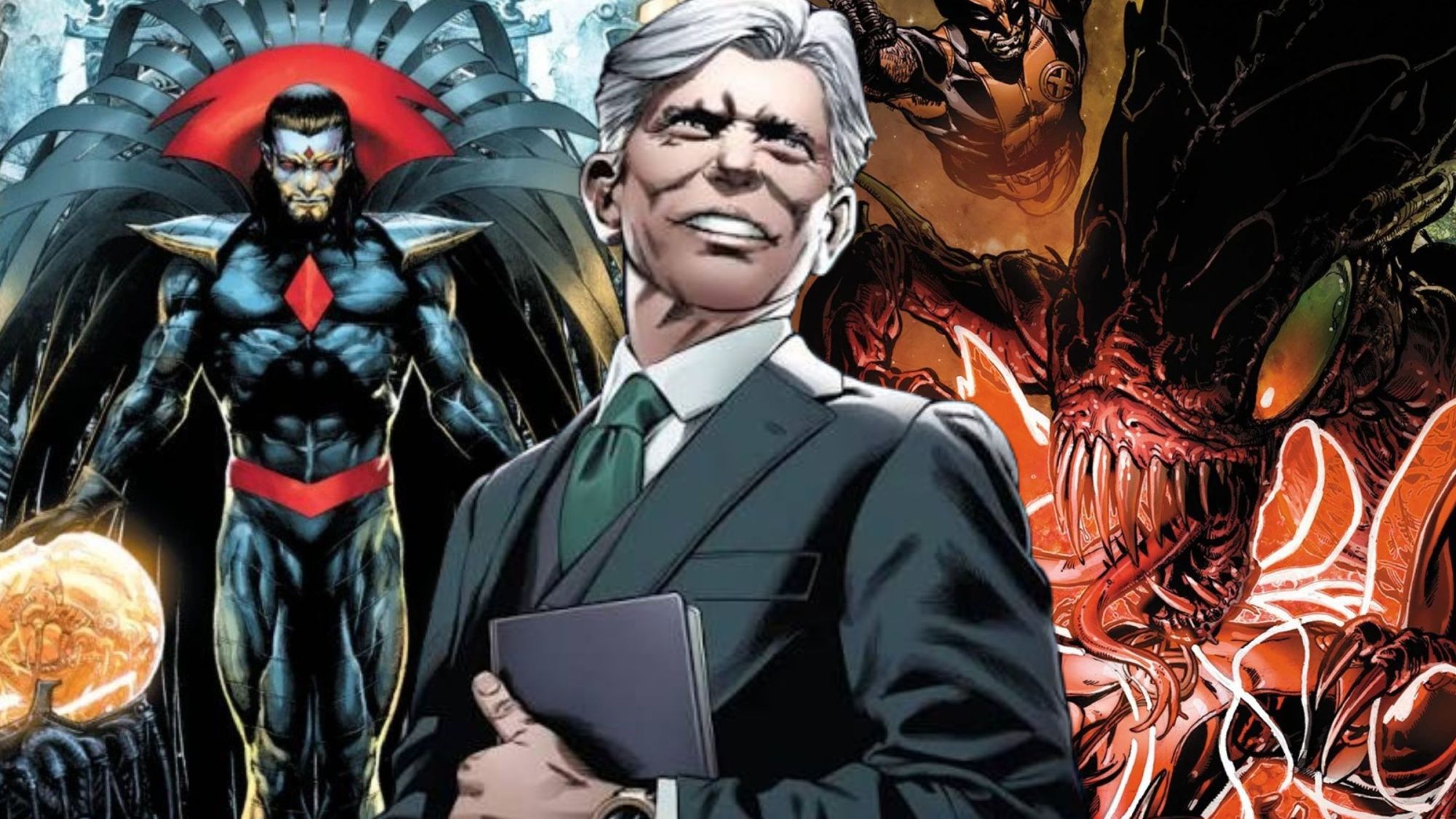
In the 1970s, the X-Men faced cancellation, and reprints were all that carried the comic book series on. However, with Giant Size X-Men introducing the new mutant heroes to the team, it changed everything, and the title skyrocketed in popularity. By the 1980s, the X-Men were the most popular characters in Marvel Comics and the best-selling books for the line. This was because of incredible stories by Chris Claremont and a strong line of villains that he brought into the world of mutants. Claremont’s 1980s rogues’ gallery developed a deep line of villains that would dwarf any superhero title.
Videos by ComicBook.com
From psychic vampires and immortals to corporate aristocrats, sociopathic geneticists, and more, these are the 10 most important X-Men villains of the 1980s
10) Nimrod
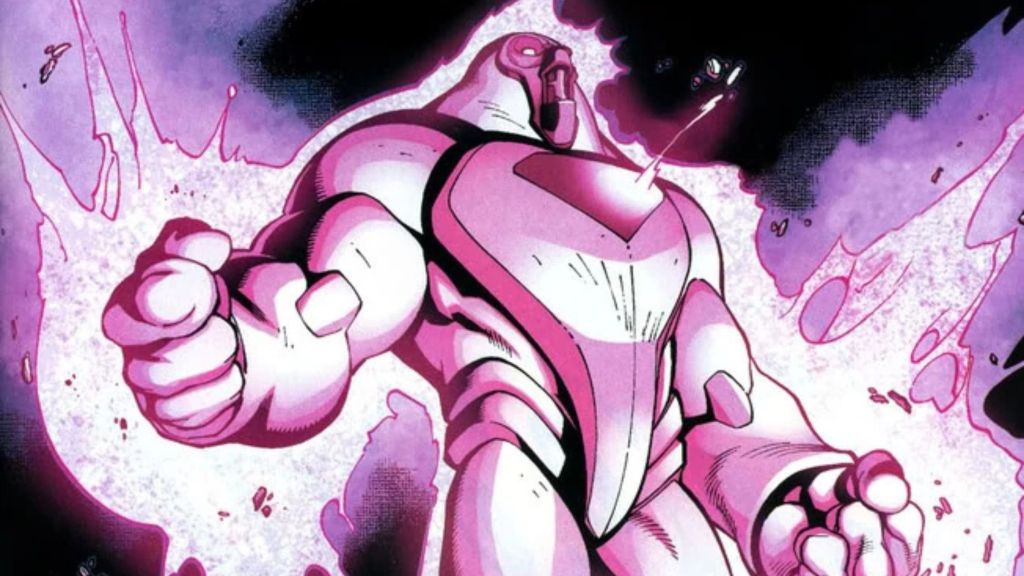
Nimrod debuted in Uncanny X-Men #191 (1985) by Chris Claremont and John Romita Jr. He is a virtually indestructible, adaptive descendant of the mutant-hunting Sentinels, created from the “Days of Future Past” timeline. His arrival tied him directly to Rachel Summers, who had time-traveled to the present, with Nimrod following her back. When he showed up, he was one of the most technologically advanced enemies, despite debuting inside a magic-themed story, “Raiders of the Lost Temple.”
Nimrod ended up more important in the grand scheme of things than most time travelers to Earth-616. He ended up merging with Master Mold, and when the X-Men forced the amalgam through the Siege Perilous, it re-emerged as Bastion. This was an even deadlier villain who founded Operation: Zero Tolerance, meaning that this 1985 future-robot seeded a 1997 crossover. Before this, Nimrod embodied pure power-versus-power escalation. Nimrod was an enemy so unkillable that the X-Men could only remove him through the mystical Siege Perilous rather than defeating him.
9) The Reavers
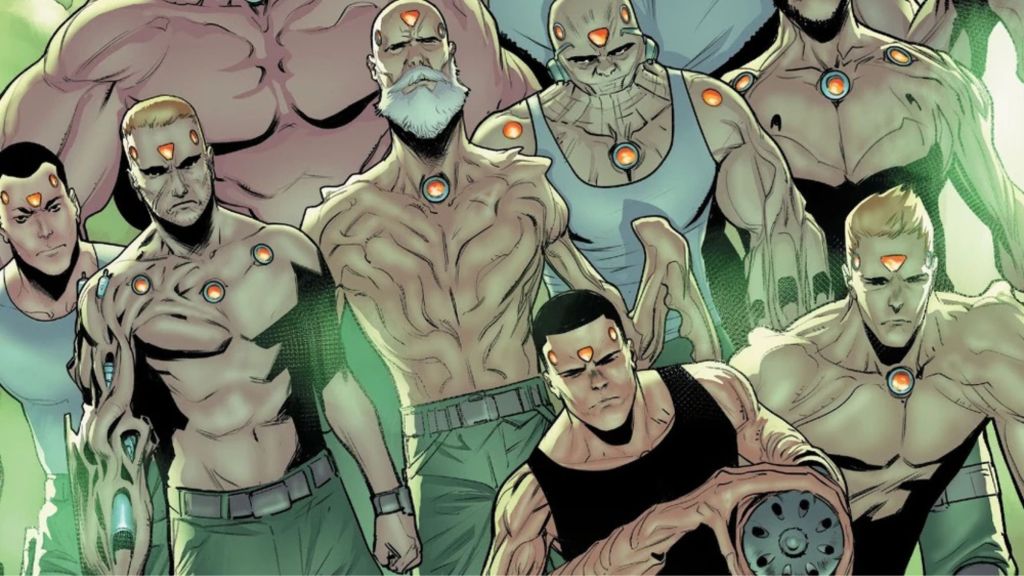
The Reavers first appeared in Uncanny X-Men #229 (1988) by Chris Claremont and Marc Silvestri. They were a band of cyborg mercenaries operating out of an underground complex beneath the ghost town of Cooterman’s Creek in North Central Australia. The original core members were Bonebreaker, Pretty Boy, and Skullbuster. However, when Donald Pierce later reorganized the team, they ended up working with Lady Deathstrike and former Hellfire Club mercenaries
Donald Pierce remains one of the X-Men’s deadliest villains because he caused problems for mutants for almost a decade before the Reavers ever debuted. Pierce himself debuted in Uncanny X-Men #132 (1980) by Claremont and John Byrne. He was the Hellfire Club’s cyborg White Bishop, secretly a genocidal mutant-hater. His cybernetic nature was famously revealed when Wolverine severed his arm. The Reavers were cold, mutant-hating machines led by a man who mutilated himself with technology out of hatred for people born different.
8) Mojo
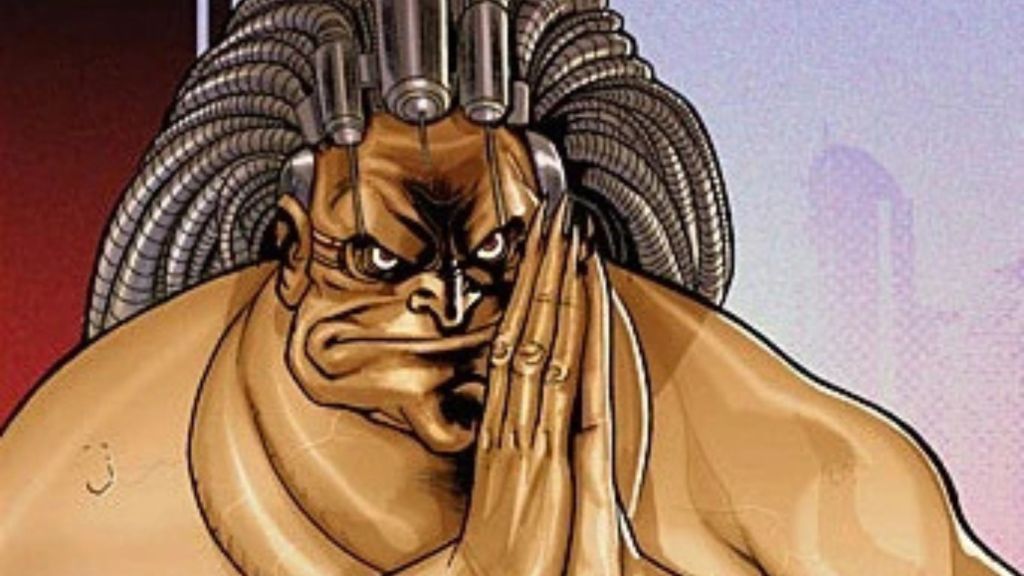
Mojo is one of the X-Men’s most bizarre villains in history. He debuted in Longshot #3 (1985) by Ann Nocenti and Art Adams. Mojo rules the “Mojoverse,” an alien dimension whose residents are addicted to gladiator-like television. Mojo himself is one of the “Spineless Ones,” an alien race immobile without advanced technology. His first battle with the X-Men came in X-Men Annual #10, where Mojo’s plot de-ages the team into children, the same story that saw Longshot join the X-Men and Spiral gain her freedom.
Mojo is a pointed satire of network TV executives. The entire purpose of his life is to create addictive reality television, and he knows mutants offer the best entertainment. That’s why he never stops trying to abduct them and force them into his servitude. This was shown with the punchline of his first battle with the X-Men. He lost, but when he returned to his dimension, he learned it received incredible ratings, so even in defeat, he still won
7) William Stryker
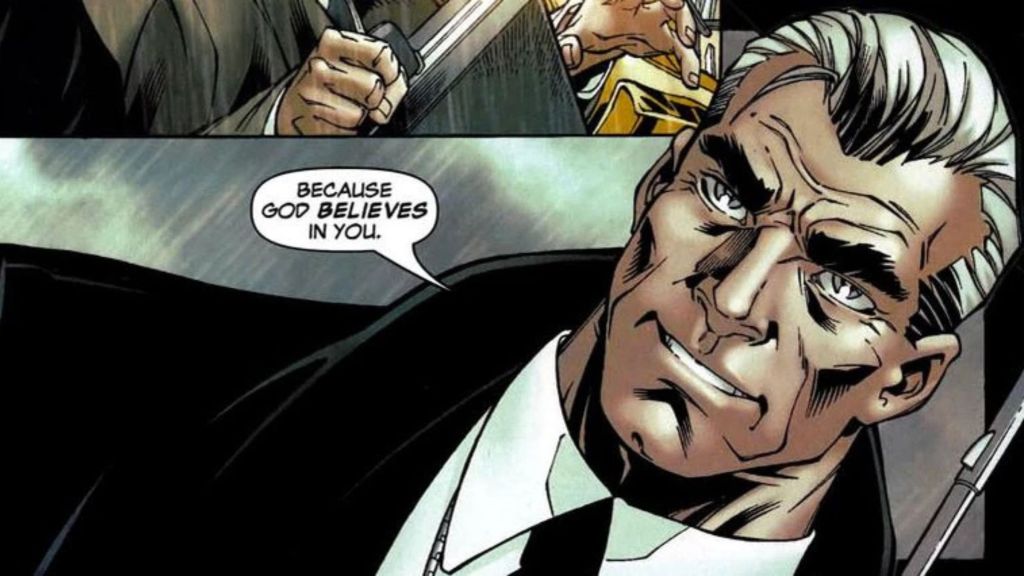
William Stryker debuted in X-Men: God Loves, Man Kills, a 1982 graphic novel by Chris Claremont and Brent Anderson. This was the fifth Marvel Graphic Novel, and it remains among the best in the line. In this story, Stryker is a televangelist leading an anti-mutant crusade, forcing the X-Men into an uneasy team-up with their enemy Magneto to stop him. It was a clear look at the 1980s morality movement, where anyone different was persecuted as being like the devil
This story masterfully showed that when Stryker pointed at Nightcrawler, the most genuinely good X-Men of them all, and proclaimed him a demon. Stryker was redesigned in the movies as a paramilitary leader who brought strike forces to bring down mutants, but in the comics, he was even more terrifying. He used his role as a preacher to rally people to hate mutants, and when he weaponized fear and faith, he helped convince people to strike out and murder mutants, even if they were children
6) Selene
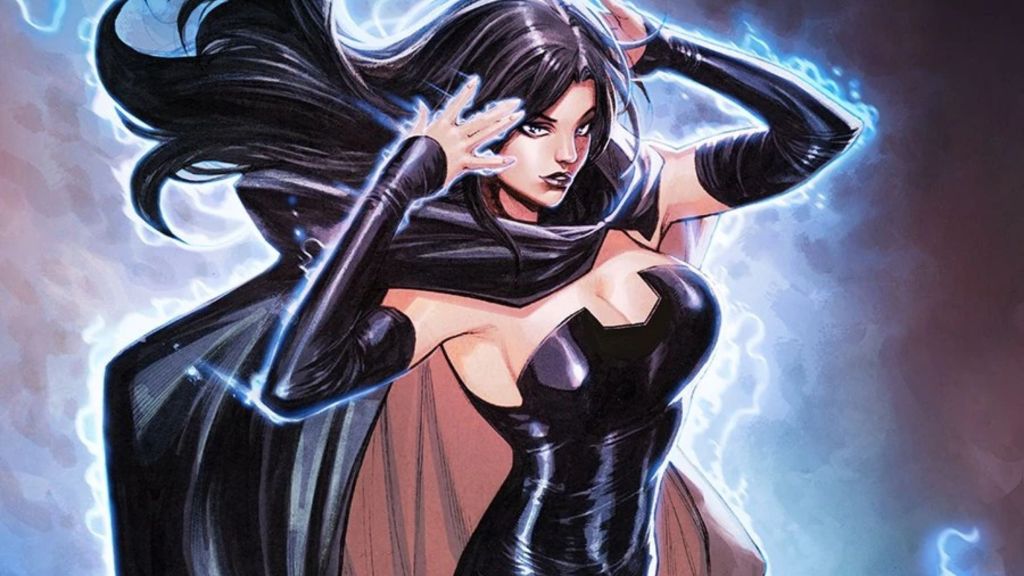
Selene debuted in The New Mutants #9 (1983) by Chris Claremont and Sal Buscema. She lived in Nova Roma, a hidden ancient Roman city in the Amazon rainforest of Brazil, where she had ruled for ages. This was where the New Mutants met Magma, who would go on to join the team. Selene is a psychic vampire who is thousands of years old and functionally immortal, sustaining herself by draining the life essence of others
Her debut targeted the New Mutants directly. She attempted to ritually sacrifice Magma, whose mother she had already killed, and sought to turn Danielle Moonstar into a psychic vampire like herself. However, she moved on to become a major villain for the X-Men, as she joined the Hellfire Club as the Black Queen. She held this title for years, and ended up using her powers to prey on teenage mutants, making her one of the scariest horror-based X-Men villains of the 1980s
5) Apocalypse
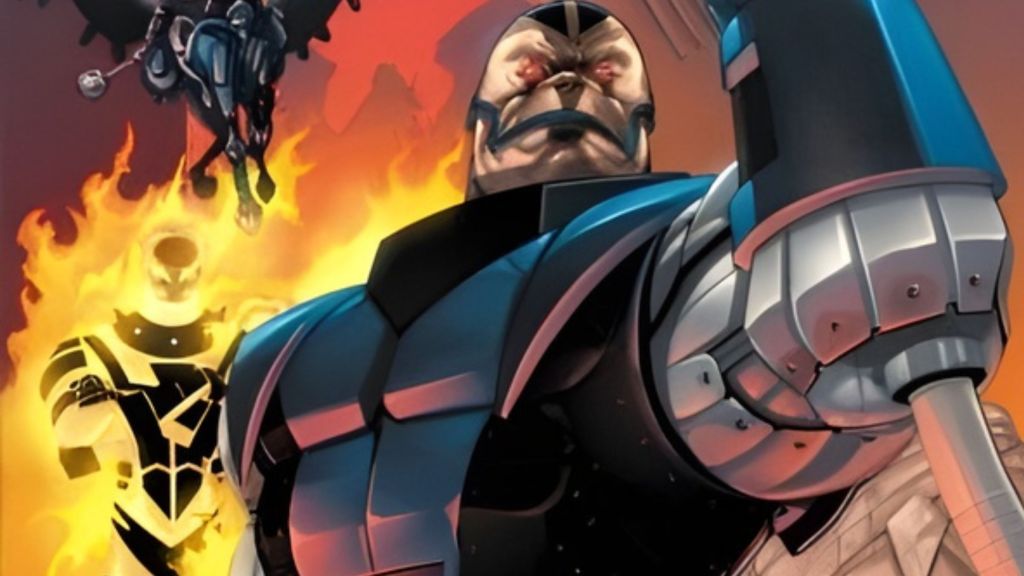
Apocalypse first appeared unnamed in silhouette in X-Factor #5 (1986) and made his full debut in X-Factor #6 by Louise Simonson and Jackson Guice. Of course, this means his first enemies were X-Factor and not the X-Men, but that would change when he became one of the mutant world’s most dangerous and reality-bending enemies. He was born En Sabah Nur (“The First One”), raised by Baal of the Sandstormers, and adopted the “survival of the fittest” credo that defines his villainy
Known as the first mutant, he soon eclipsed X-Factor in every way. There wasn’t a villain more dominating in the 1990s than Apocalypse, anchoring the 1995 “Age of Apocalypse” crossover, in which Legion travels back in time to kill Magneto but accidentally kills Professor Xavier, prompting Apocalypse to conquer the world a decade early. He was also deeply tied to Mister Sinister’s motives, which ties him to another powerful 1980s X-Men villain
4) The Marauders
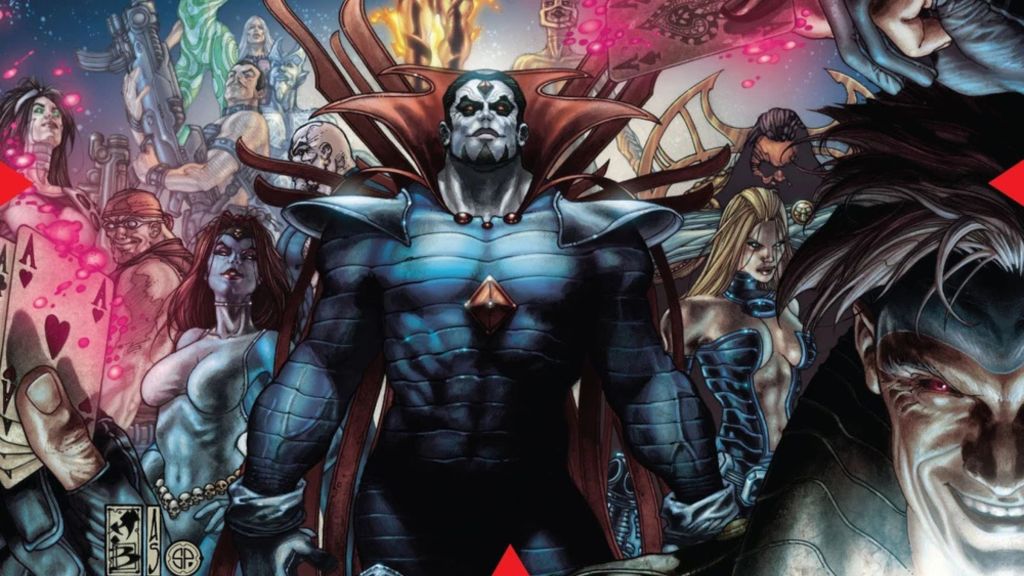
The Marauders first appeared (in shadow) in Uncanny X-Men #210 (1986) by Chris Claremont and John Romita Jr., with early members including Arclight, Vertigo, Harpoon, Malice, Scalphunter, and Scrambler. They ended up as some of the most important villains the X-Men faced in the 1980s because they were the catalysts for “The Mutant Massacre,” where they went into the tunnels under New York City and slaughtered almost every Morlock in existence
This was a plan by Mister Sinister, but at the time, it was all on the Marauders, who also included Sabretooth. On top of killing almost all the Morlocks, they also crucified Angel, which led to him losing his wings and eventually to him becoming Archangel as one of Apocalypse’s Four Horsemen. Colossus, Shadowcat, and Nightcrawler were all severely wounded, making this one of the X-Men’s most consequential battles. “The Mutant Massacre” permanently darkened the franchise’s tone and directly injured the core team, proving the X-Men could lose.
3) The Hellfire Club
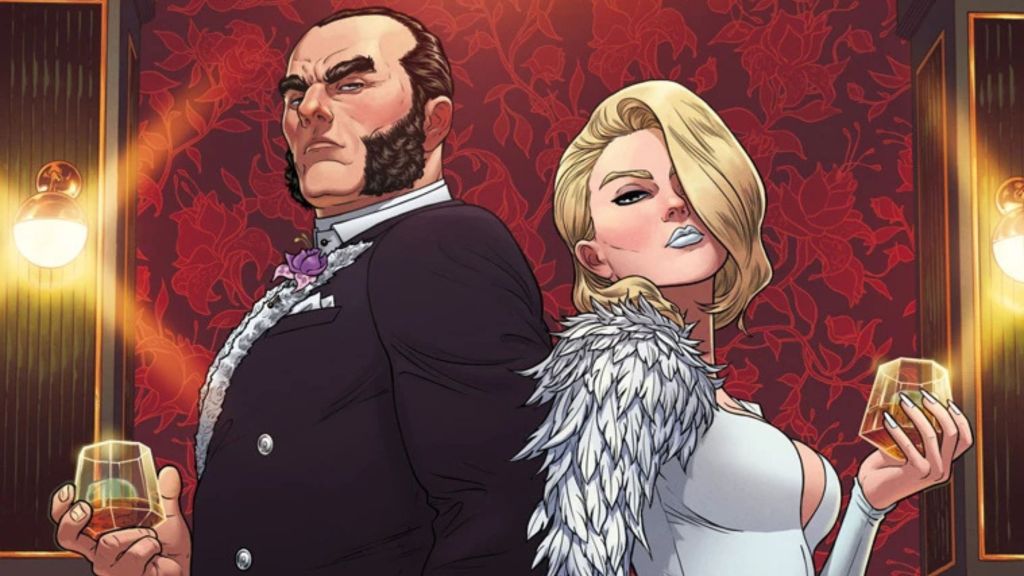
The Hellfire Club debuted at the start of “The Dark Phoenix Saga,” appearing in silhouette in Uncanny X-Men #129 and fully in #130 by Chris Claremont and John Byrne. They are the aristocratic power brokers whose manipulation of Jean Grey helped tip her into becoming Dark Phoenix, embedding them in the single most famous X-Men story. They are why she flew into space, consumed a star, and killed billions, marking her for death by the Shi’ar Empire
This group introduced some of the X-Men’s most iconic villains, some of whom went on to become noted allies. Emma Frost was the White Queen, and she soon became a hero in her own right. Sebastian Shaw was the leader for years, and he was immortalized thanks to the movie X-Men: First Class. Selene was a major 1980s X-Men villain who soon rose up the ranks. Donald Pierce was a member when he created the Reavers. With money and political power, the Hellfire Club was behind many of the X-Men’s darkest moments.
2) The Brood
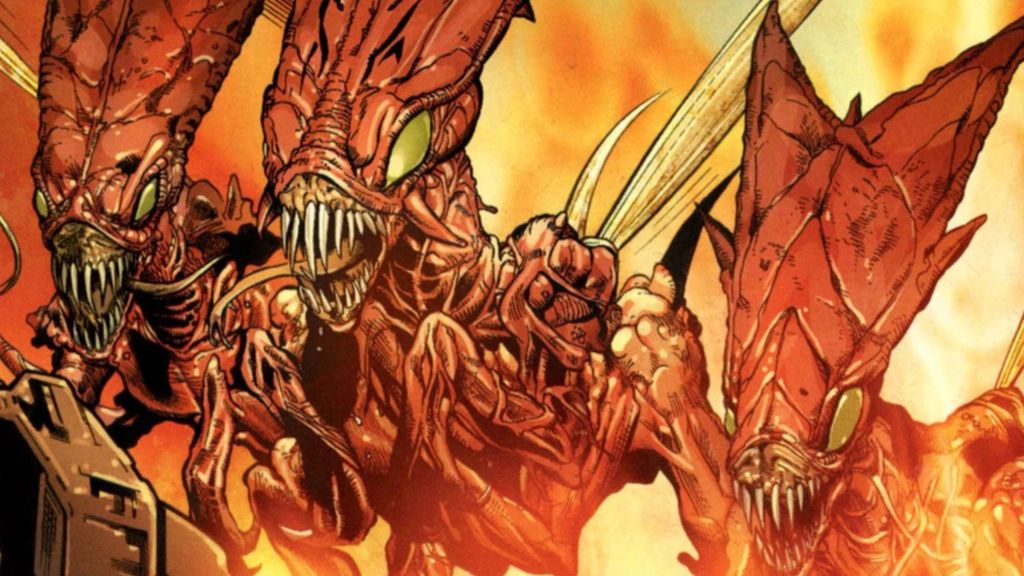
The Brood first appeared in Uncanny X-Men #155 (1982) by Chris Claremont and Dave Cockrum. They are insectoid alien parasites who reproduce by implanting eggs that transform hosts into new Brood. Their first clash was “The Brood Saga,” running from Uncanny X-Men #155–167, and it drew the X-Men into a space-horror nightmare where the whole team was implanted with Brood eggs. The Brood then dominated battles with not only the X-Men, but also the New Mutants and members of the Shi’ar Empire. It was the X-Men’s big cosmic threat of the 1980s.
The Brood are an open pastiche of the xenomorphs from Alien, and their nickname “sleazoids” was coined in-story. Only Wolverine’s healing factor purged his Brood embryo, leaving him the lone hope while his teammates faced body-horror transformation, a rare instance of genuine survival horror for mainstream superhero comics of the era. The Brood turned the X-Men from a superhero comic into a legitimate horror book, and it raised the stakes and helped define the team’s identity for years to come.
1) Mister Sinister
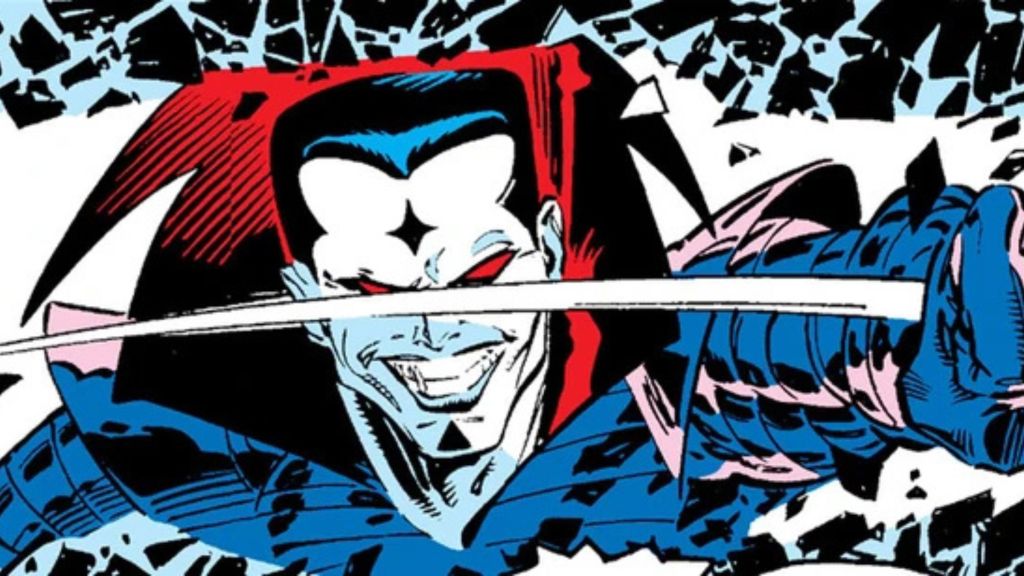
Mister Sinister was teased as the unseen employer of the Marauders in Uncanny X-Men #212 (1986) and glimpsed in silhouette in #213 during “The Mutant Massacre.” He made his first full appearance in Uncanny X-Men #221 (1987) by Chris Claremont and Marc Silvestri. He was the mastermind behind the Marauders and “The Mutant Massacre,” making him the hidden architect of the decade’s darkest X-Men event before readers ever saw his face
Mister Sinister’s defining obsession is the Summers-Grey bloodline. As a geneticist, Mister Sinister sought a child born of Cyclops and Jean Grey, powerful enough to defeat his ancient enemy, Apocalypse. He created a Jean Grey clone, Madelyne Pryor, engineered her marriage to Cyclops, and the resulting son, Nathan, grew up to become Cable. Mister Sinister is the most important X-Men villain of the 1980s because he links the Marauders, “The Mutant Massacre,” Cyclops’s family tragedy, the birth of Cable, and the war with Apocalypse.
What do you think? Leave a comment below and join the conversation now in the ComicBook Forum!
5 Great 1960s X-Men Villains Not Enough Marvel Fans Talk About
