

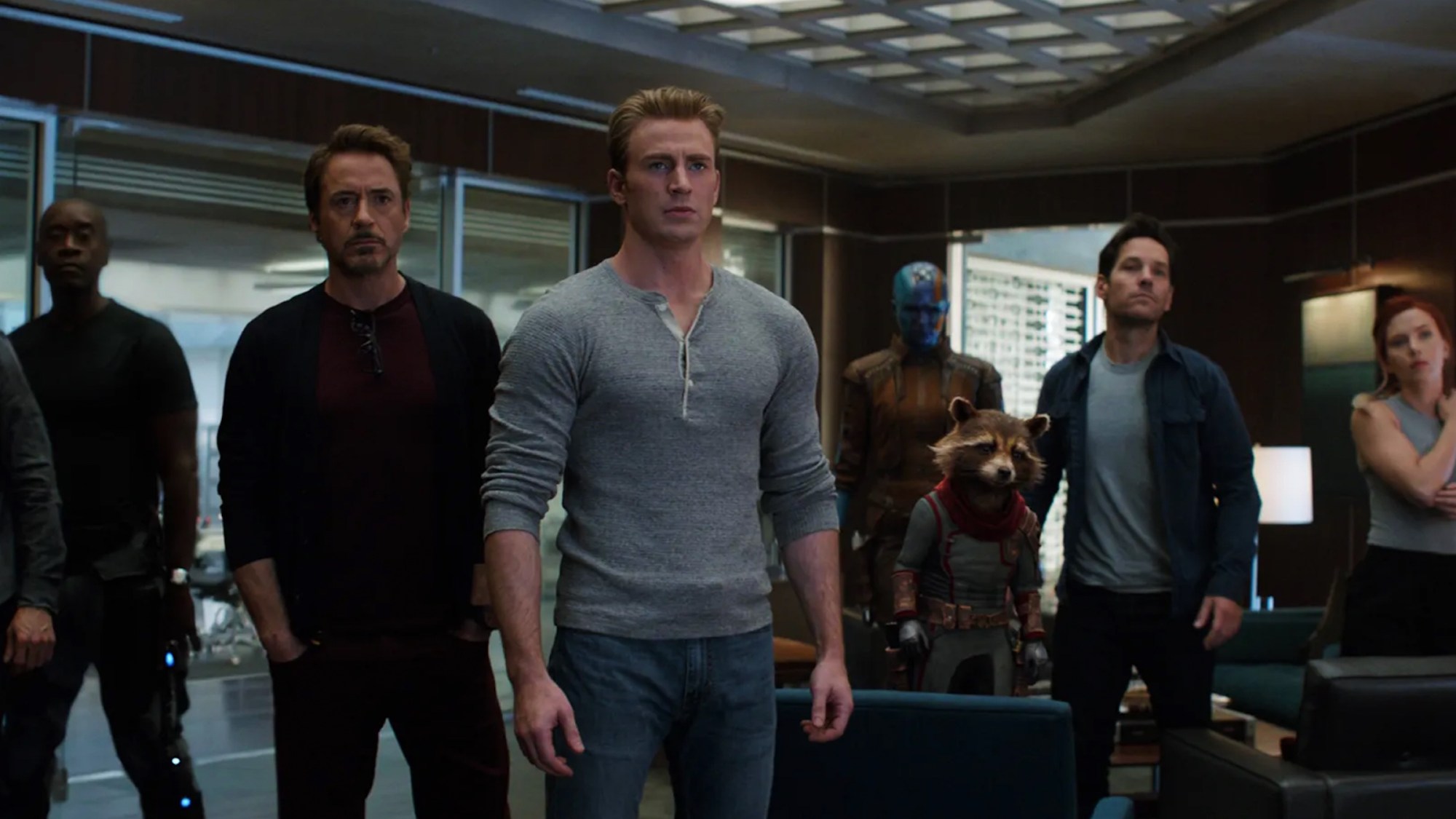
Avengers: Endgame is arguably the single most important MCU project thus far, and even if it isn’t the absolute most important overall, it’s certainly high on that list. In addition to Endgame depicting the Avengers taking down their greatest adversary to date, Thanos, and including some major deaths, including Black Widow/Natasha Romanoff and Tony Stark/Iron Man, this movie saw the return of half of all life. This was, of course, a thrilling and emotional moment, especially due to how brutal the ending of Avengers: Infinity Warhad been.
Videos by ComicBook.com
In the years, since, the MCU has also given audiences some additional looks into what that return looked like for various characters, such as Yelena Belova’s disappearance and return in front of a bathroom mirror and Monica Rambeau’s heartbreaking discovery that her mother, Maria, had died in the five years since she had been gone. In that sense, the return of so many people has been explored to a fair degree on an individual level. However, seven years after Endgamebrought everyone back, it has really started to feel like the franchise wants to gloss over this unimaginably massive event.
Endgame’s Victory Has Major Plot Implications
It is difficult to even fathom how big an impact the return of half of all life after a five year absence would really be. As mentioned, certain characters’ stories have been shown (although even those arcs haven’t really gone that in depth with the extent of the fallout that would have been caused by this five year period). On a grander scale, though, the impact would be frankly immeasurable
People would return to find that their homes were now inhabited by someone else. Governments would have to be completely restructured, as there would no doubt be debates about who was really in office/the elected official. Even in interpersonal relationships, this would be a nightmare. People would return to find out their romantic partner had now been in a years-long relationship with someone else. Children would have undoubtedly been adopted by other families only for their parent(s) to come back.
And all of this isn’t even to mention how reversing this ‘Blip’ and literally doubling the population after a five-year period would put strains on countries that would presumably be even greater than the strains had been before Thanos came along and wiped out half of all life with a single snap
It really isn’t overstating the matter to argue that societies could literally crumble from something this massive, and over the last several years, MCU shows and movies haven’t realistically shown how catastrophic this would be. If anything, the MCU seems to be stepping off the gas when it comes to this event, wanting to focus on other stories
The MCU’s Movies And Shows Have Started To Brush Past This Fallout
In fairness to the MCU, not every show and movie has fallen into this issue of basically ignoring how significant the impact of this return would have been. A major plot in The Falcon and the Winter Soldier, for example, was the group the Flag Smashers’ unwillingness to accept the changes that has come with everyone returning; in part, they wanted to do away with the segmentation of countries across the world, which had evidently (sort of) happened after Infinity War
However, many shows and movies have all but ignored it, which comes either with little if any mention of this return in the narrative or a convenient plot that effectively makes the events of Infinity Warand Endgame feel much less monumental. For example, while Spider-Man: Far From Home does acknowledge some of the issues with students returning to school after being away for five years, also drastically increasing the student population size, it is incredibly convenient that MJ, Ned, and Peter were all ‘blipped,’ thus keeping them the same age and not disrupting the narrative.
Recently, I re-watched Guardians of the Galaxy Vol. 3, which is set after Endgame, and I was struck by how minimally important this event felt. Yes, Gamora’s death in Infinity Warwas important to the narrative, and the return of Gamora from a different time was significant, but in terms of the actual return of half of all life, there was little acknowledgment or impact. Separate from Gamora, viewers could easily watch Guardians of the Galaxy Vol. 3 without having watched Infinity Waror Endgame, and they would still understand the movie just fine. That really shouldn’t be the case.
Can The MCU Really Tackle Something This Big?
Based on the MCU’s (seeming) approach to the events of Infinity War and Endgame today, the question becomes: Can the MCU actually tackle a plot detail this significant? Thus far, the answer has arguably been no, and that may only worsen given that Avengers: Doomsday is just around the corner. In theory, the return of half the population would have some level of bearing on this new story, and Endgame should certainly play a key role in various ways—the changes to Endgame for Doomsday do at least suggest that will be the case.
However, it’s possible that Doomsdaywill come along and want to focus on a new story rather than feel too tied to the previous Avengersmovies. While that would make sense to a degree, it will be a real shame if Doomsday falls into the same problem that so many other post-Endgame projects have by glossing over just how seismic the events of that movie really were
What do you think? Leave a comment below and join the conversation now in the ComicBook Forum!
The MCU Has Officially Wasted Both of Iron Man’s Successors
