

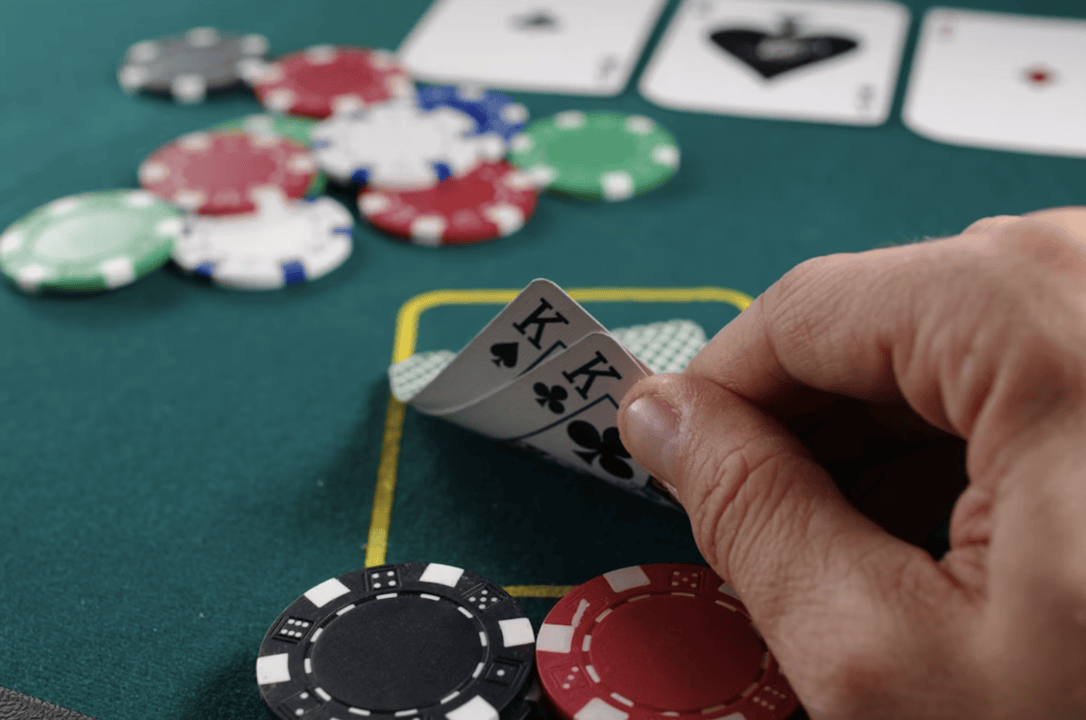
Casinos are often seen on the biggest TV shows around – just in the last few years, Poker Face(with Natasha Lyonne playing a casino employee) and Tilt(with cameos from real poker stars like Phil Hellmuth and David Williams) have used casinos for atmosphere and plot. Further back, the high-roller aesthetic played a part in The Sopranos, where Tony and his sidemen allow business acquaintances to bet big in hotel rooms; later, Tony visits Caesar’s Palace in Las Vegas.
Major, successful films have shown casinos and cards for at least 85 years: the 1941 screwball comedy The Lady Eve was marketed with the tagline, “When you deal a fast shuffle … love is in the cards.” But the big milestone was probably Dr. No(1962), where James Bond’s behaviour in a casino was seen as “attributes of a gentleman”, according to author Jeremy Black. Casinos had played a part in the Bond novels that inspired the movies since 1953, where 007 tried to bankrupt the treasurer of a French union in Casino Royale(which inspired the 1967 satirical film and the 2006, more serious remake with Daniel Craig).
But why are directors, producers, and actors still so attracted to poker rooms, roulette wheels, and throwing dice (and money)?
Big spenders
Big spending, high risk, and nightlife is alluring to filmmakers for the same reason as fancy cars, racing, and sporting finals are: it’s entertaining, and takes audiences out of their day-to-day monotony. In the best Bondfilms (and in the recent game, First Light, it has been argued by critics like Cole Burgett), 007 is treated as a complicated, human hero. He is imperfect, “amused by danger” (as Burgett writes), and has a sense of humour. But Bond is in settings unfamiliar to the average viewer, and generally people don’t give the box office their money to see what they could at work or at home. In the Craig version of Casino Royale, Bond goes all in with $40.5 million.
Of course, the average viewer is never going to risk that amount (or be able to), and that’s part of the entertainment. Online poker players generally bet far more modest sums, and aren’t dealing with Le Ciffre, based on occultist Aleister Crowley, and have to be more careful. Smart players research licensed, trustworthy platforms and may wish to look out for generous rewards and welcome offers. Certain casinos, like Caesars, offer more generous rewards structures, per the latest structural analysis conducted by reviewers. That platform’s sizable slot selection (more than 1,000 titles) offers options for different preferences. Players should remember to check the legality of gambling in their state: some states allow poker, others allow sports betting, and others don’t permit any online casinos.
Casino metaphors
There’s also what poker and gambling scenes represent. Not always, but sometimes in film and TV these scenes serve as metaphors for big life decisions. A character is bluffing, taking a risk, reading people they don’t trust, or losing control. That makes poker, roulette, and other games a kind of shortcut for writers and directors to explore themes like ambition, discipline and deception – and big consequences. At best, an average poker player might break even – (warning: spoiler for 1998 film Rounders!) as anyone who’s watched Matt Damon’s Mike character may recall. For anyone playing online, it’s sensible to consider the risks. In online casino games, the house usually has a mathematical edge, and skill helps in poker, but players always face the possibility of losing money.
Remember the old adage – the house always wins!
