

- A childhood novelty sold through comic book ads quietly planted the seeds of one of Florida’s most overlooked wildlife crises. Trace the pet trade origins →
- The protections that saved alligators unintentionally left another similar-looking reptile available in the pet trade.
- Florida’s ambitious plan to restore the Everglades may be handing invasive caimans exactly what they need to take over. See the restoration paradox →
- Caimans aren’t just lurking in ditches anymore, and where they’re headed next is what worries scientists most. See where caimans are spreading →
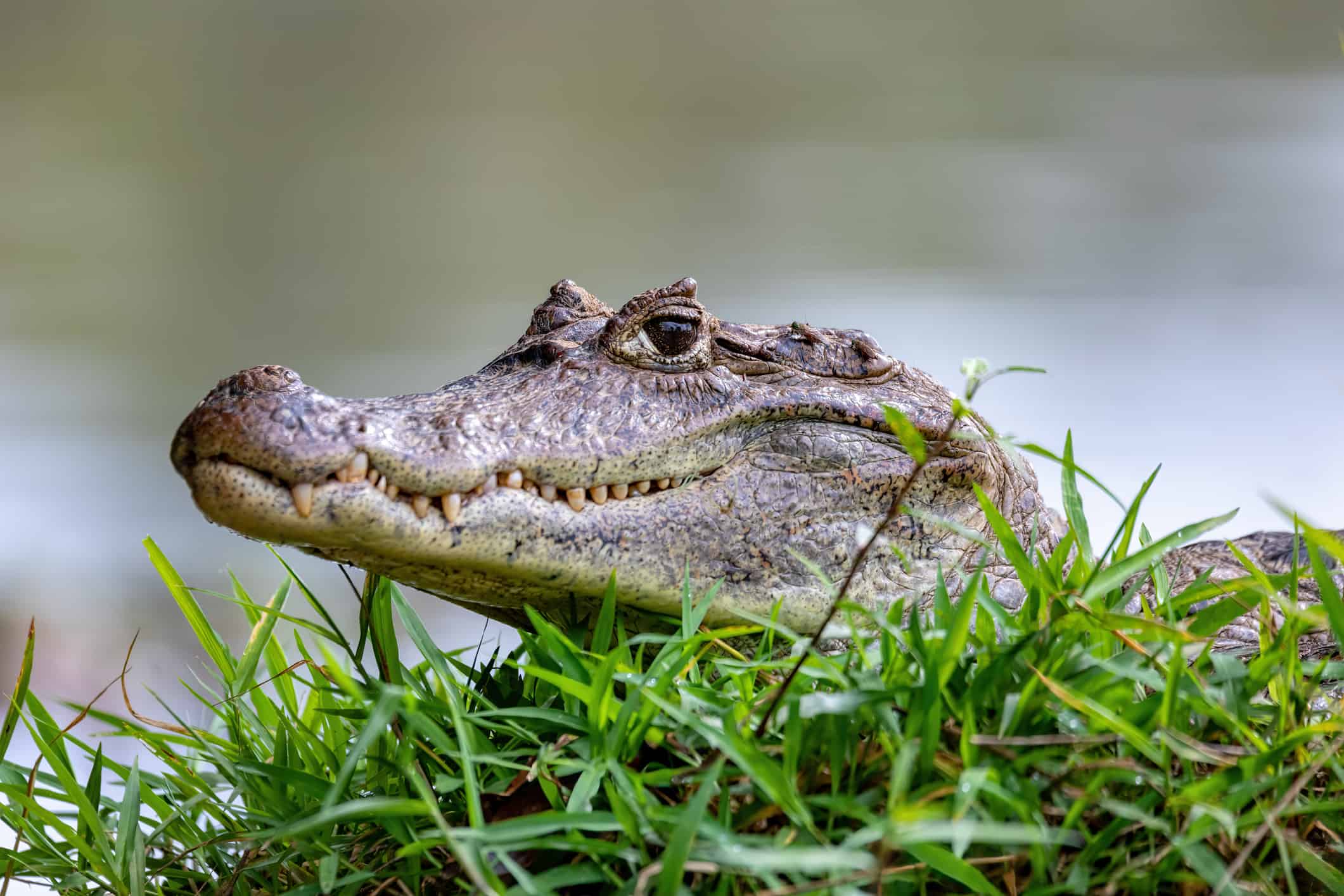
You’ve probably heard about the invasive Burmese python that is rapidly expanding its range in the Florida Everglades. While the battle against the pythons is widely publicized, a smaller, less well-known reptile is staging its own takeover. The spectacled caiman (Caiman crocodilus), brought to Florida from the pet trade, is spreading into protected wilderness areas and outcompeting native alligators and crocodiles
We spoke Division of Habitat and Species Conservation at the Florida Fish and Wildlife Conservation Commission (FWC), to learn more about this invasive swamp predator
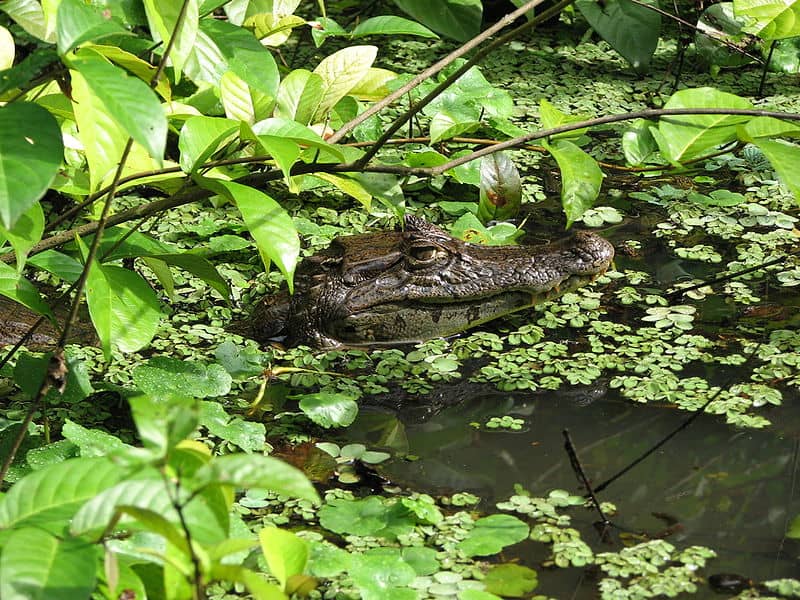
As strange as it seems, there was a time when you could find an ad in a comic book to have a live baby alligator shipped straight to your home. Tourists visiting Florida could also bring home a baby alligator or other similar species as a souvenir. The alligator pet trade peaked in the 1950s and early 1960s, before state and federal laws were enacted to protect the endangered species
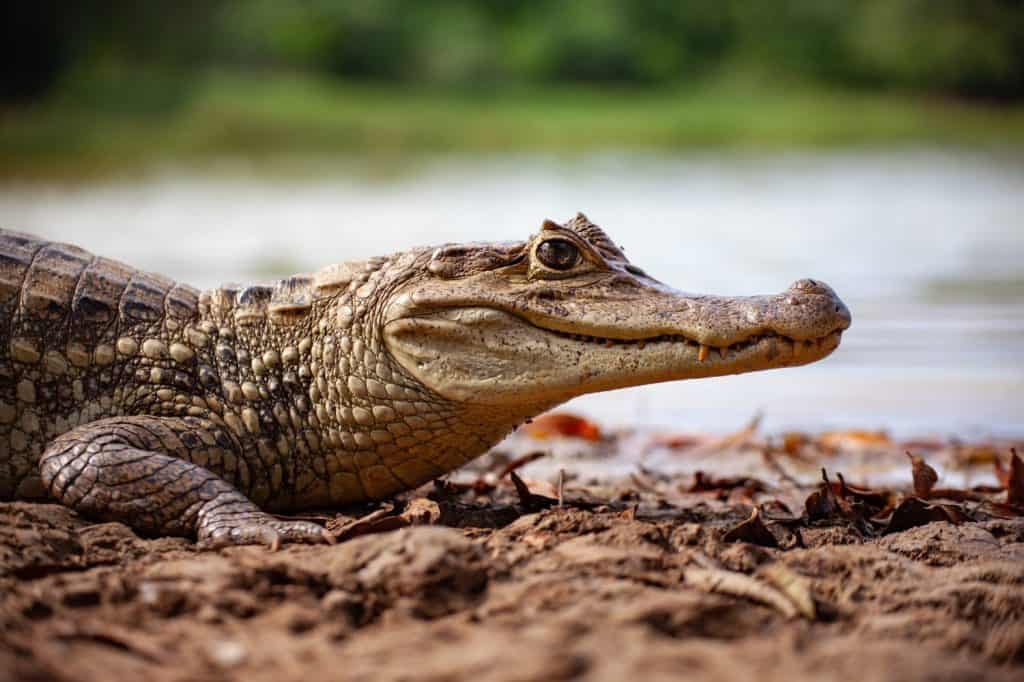
Not only did pet traders sell alligators, but also caimans, a species that looked very similar to alligators, especially at birth. What’s more, caimans were still legal to sell after alligators had legal protection. Spectacled caimans, native to Central and South America, live in freshwater lakes and canals. As newborns, they are only about 8 to 12 inches long. However, much to the surprise of parents who had bought what they thought was a small pet for their kids, caimans can grow up to 8 feet long.
Once the caimans grew to unmanageable sizes, owners sometimes dumped them into streams and lakes. The first reports of caimans living in the wild in Florida occurred in Palm Beach County in the 1960s. By the 1980s, caimans were living and reproducing on their own in South Florida
Today, Florida designates spectacled caimans as a Class II species, and it is illegal to own one without a permit. Unfortunately, the damage has already begun, and the invasive reptile has made its home in southern Florida
Thompson tells us the FWC considers caimans to be a priority species “due to their negative impacts on native wildlife.” A 2026 study in the journal Frontiers in Amphibian and Reptile Science found that caimans have spread rapidly in South Florida due to a combination of factors
Initially, at least several pairs were released. Because caimans can breed when they are still small, they begin reproducing quickly. Caimans are incredibly adaptable and can live in a variety of habitats. They are not picky eaters and will eat almost anything. The breeding pairs and their offspring adjusted well to South Florida’s warm climate and began to spread
Their presence upsets the delicate balance of Florida ecosystems. Thompson explains, “Caimans compete for re are also generalist predators. They prey upon birds, small mammals, fish, and other reptiles.”
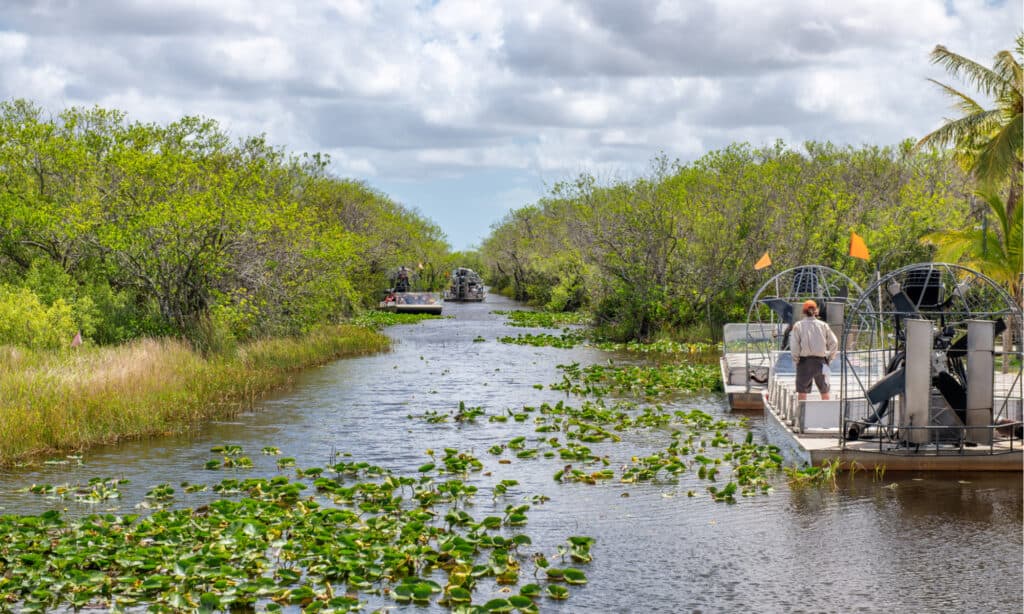
Most caimans in Florida are found in human-made waterways, such as ditches, canals, and ponds. However, scientists are concerned that caimans are beginning to move into natural habitats. The more they expand into protected areas, the harder their populations will be to control
Thompson says, “Breeding populations of this invasive species are currently found in Miami-Dade and Broward Counties.” She continues, “Caiman have the potential to expand their territory and become more widespread in the Everglades and throughout South Florida.”
The Comprehensive Everglades Restoration Plan is a federal and state program designed to protect southern Florida’s unique ecosystem. However, improving critical freshwater habitats may have the unintended consequence of providing the perfect environment for the invasive caimans to increase their populations
Changing water corridors requires strict coordination with multiple agencies so that caimans don’t end up having new travel routes into the Everglades. Thompson says, “A number of federal and state agencies, including the FWC, are coordinating on and monitoring how Everglades Restoration efforts will impact native and nonnative plant and animal populations. Special attention is given to anticipating and mitigating the effects of nonnative species expanding their current ranges.”
Caimans compete for re are also generalist predators. They prey upon birds, small mammals, fish, and other reptiles
Lisa Thompson, spokesperson for the Division of Habitat and Species Conservation at the Florida Fish and Wildlife Conservation Commission (FWC)
The public can help protect Florida’s delicate ecosystems. Thompson says you can report a sighting in the wild: “Reports of sightings by the public can help FWC staff and partners with tracking distribution and inform control efforts.”
- Use the free IveGot1 app, online at IveGot1.org
- Call the FWC’s Invasive Species Hotline at 888-Ive-Got1 (483-4681)
Jennifer Geer
Jennifer Geer is a writer at A-Z Animals where her primary focus is on animals, news topics, travel, and weather. Jennifer holds a Master‘s Degree from the University of Tulsa, and she has been researching and writing about news topics and animals for over four years.
A resident of Illinois, Jennifer enjoys hiking, gardening, and caring for her three pugs.
Connect:
Thank you for reading! Have some feedback for us?
Thank you for your feedback!
We appreciate your help in improving our content
Our editorial team will review your suggestions and make any necessary updates
There was an error submitting your feedback. Please try again
