

Skip to commentsPublished: September 8, 20264 minutes6 comments
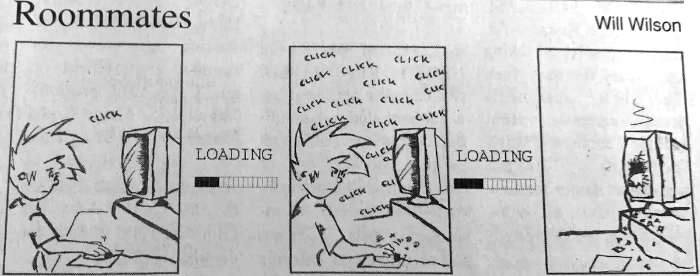
Like many cartoonists, Will Henry cut his cartooning teeth with a college comic strip. Will’s strip, Roommates, ran in the University of Connecticut student newspaper. Back then, he published his work under his real name Will Wilson.
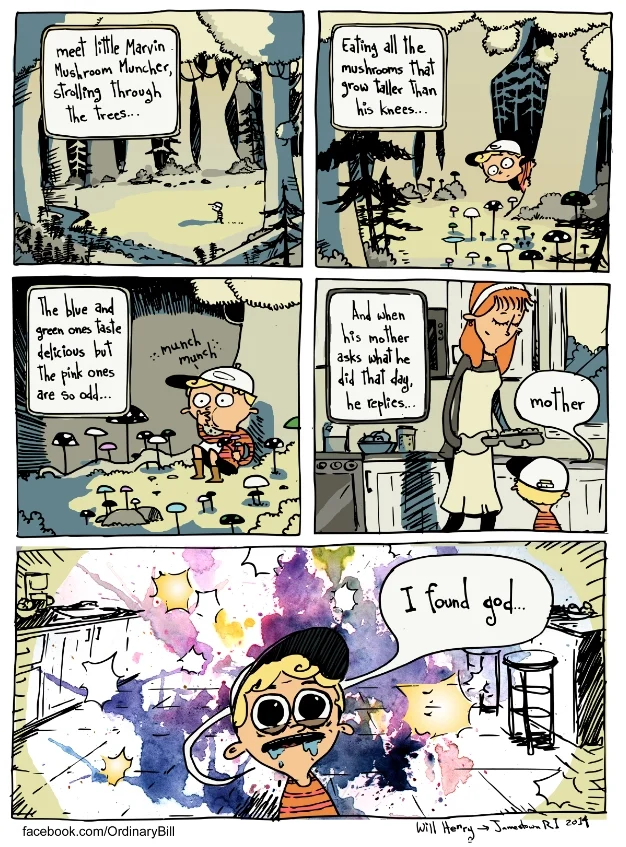
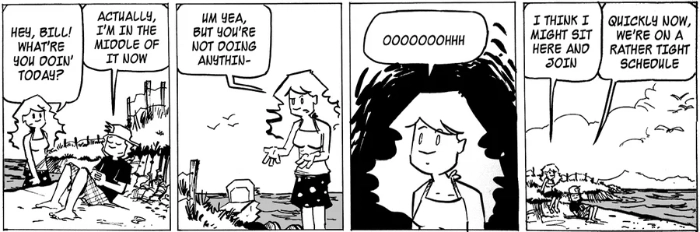
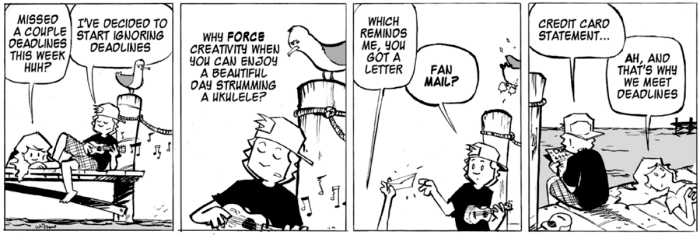
He later went on to create a semi-biographical three times a week comic called Ordinary Bill about a beach bum cartoonist and his girlfriend. It ran for seven years while Will worked the family liquor/cheese shop. To the Rhode Island Monthly he described Ordinary Bill as “a crash course in how to meet deadlines, punchline writing and story and character development.“
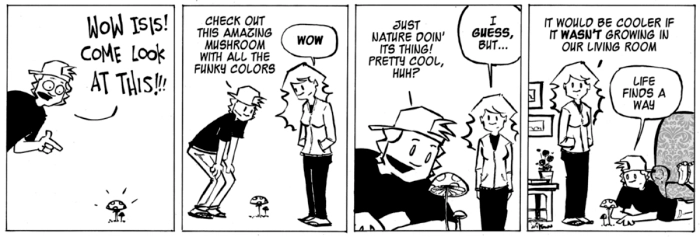
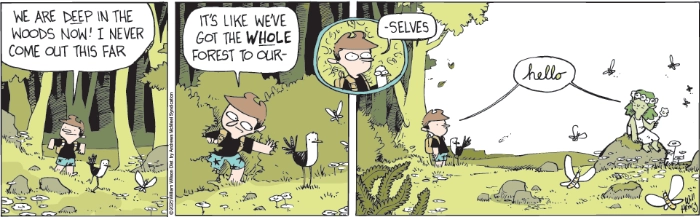
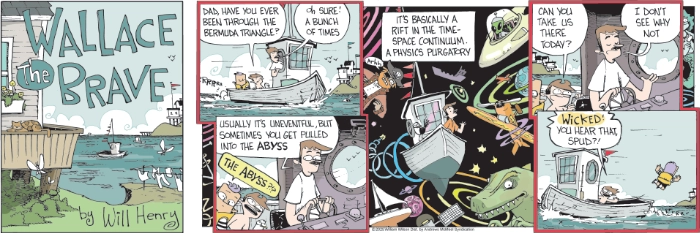
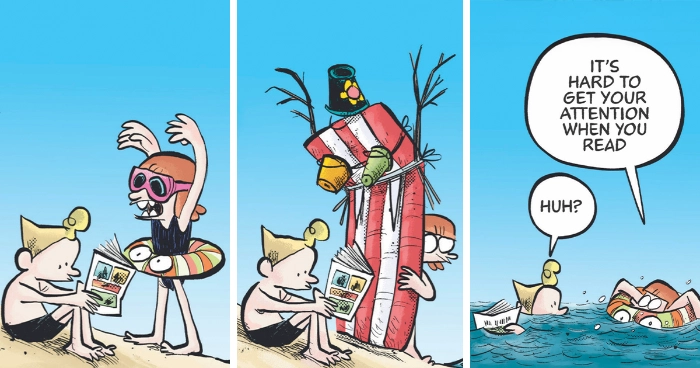
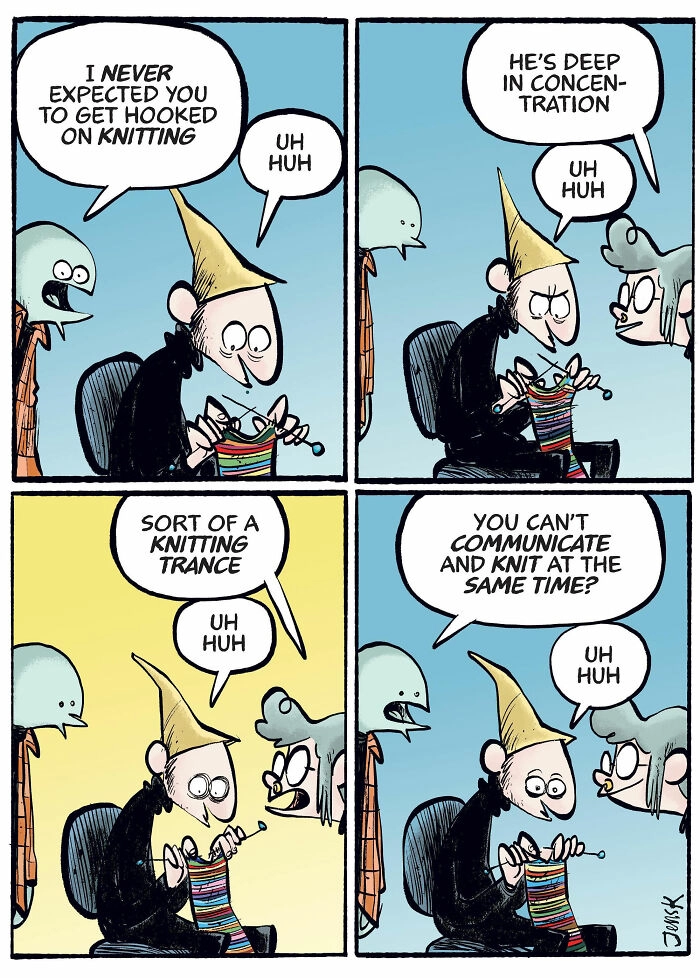
In 2015 he began his current comic Wallace the Brave—which Non Sequitur creator Wiley Miller recently declared as “brilliant in both art and writing” and “truly original and unique.” It was then when Will began using the pen name Will Henry—a homage to the name his grandmother called him. It was picked up for national syndication in 2018. Wallace the Brave, like Ordinary Bill before it, is set in Rhode Island where Will grew up.
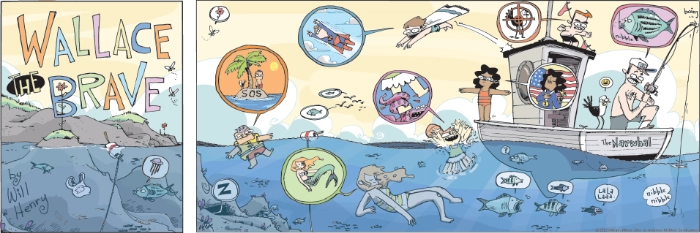
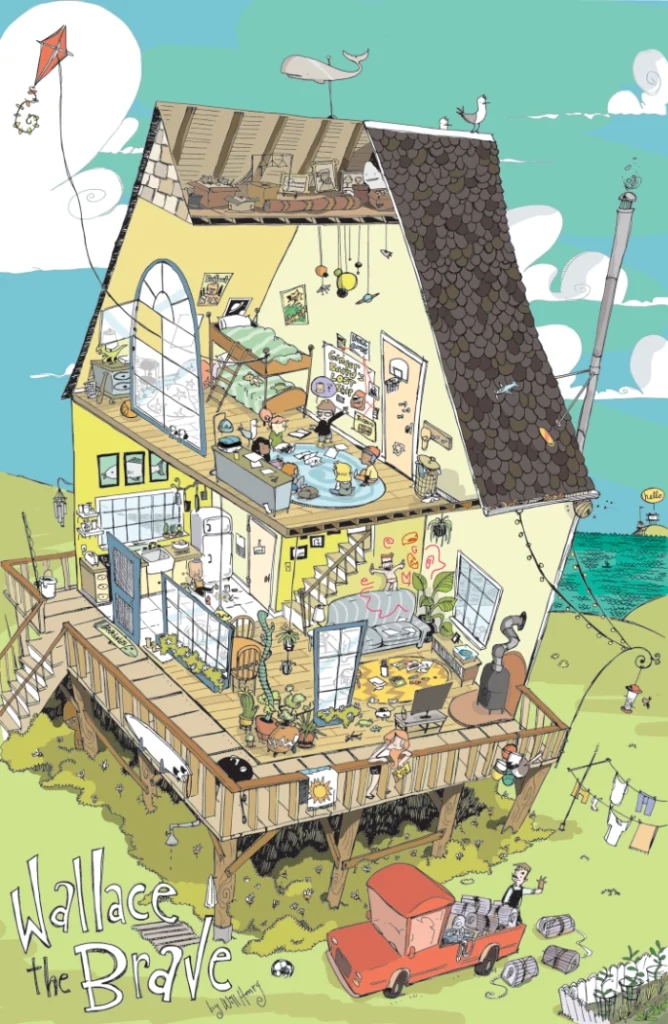
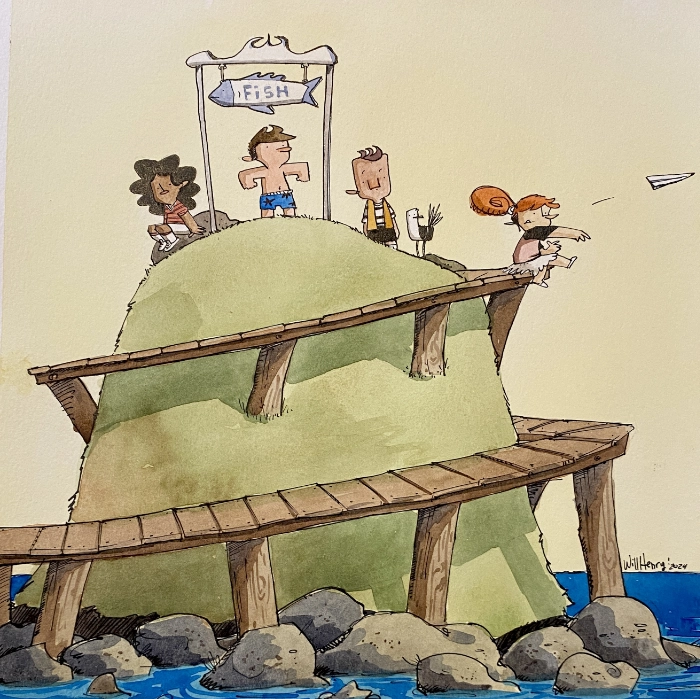
Will has taken home two National Cartoonists Society division awards for Best Newspaper Strips (2018, 2022), and has been nominated for two Eisner awards in 2018 in the Best Publication for Kids (ages 9-12) and Best Humor Publication.
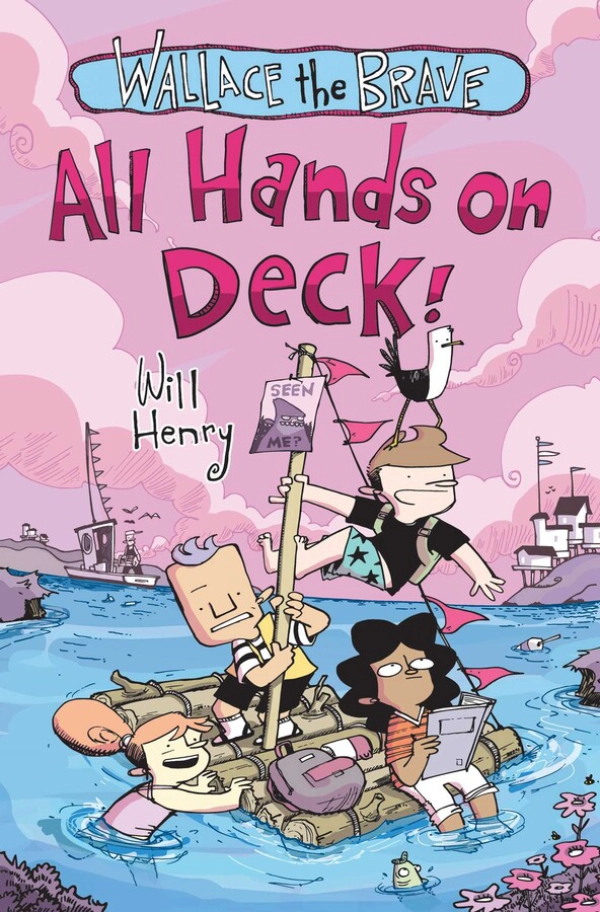
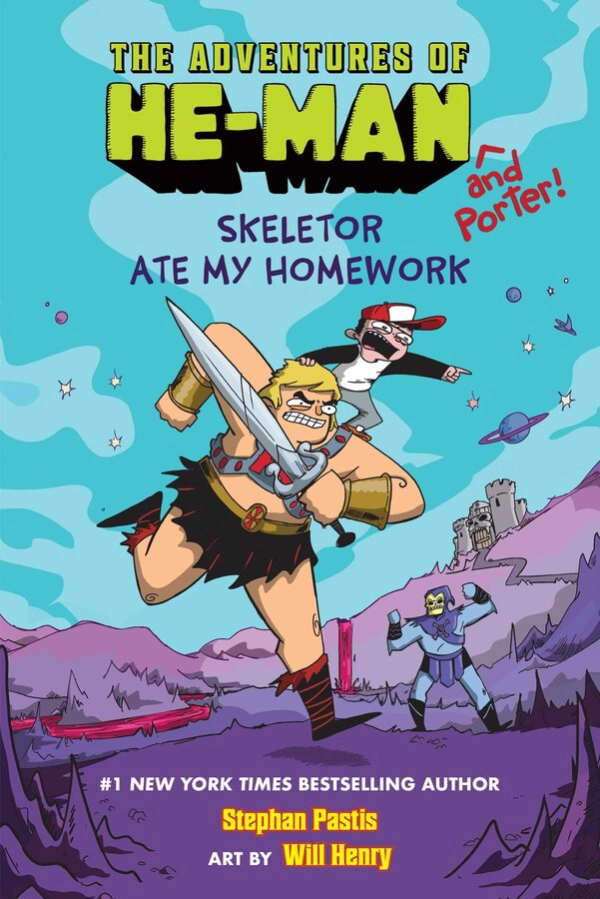
Speaking of publications, There are now five Wallace the Bravebook collections with a sixth, “All Hands on Deck,” coming out on Sept. 22. Will also teamed up with Pearls Before Swine creator Stephan Pastis to create the first in a series called Skeletor Ate My Homework (The Adventures of He-Man and Porter #1). The book just came out on Sept. 1. Look for both in your local bookshop.
Lastly, before we get to Will’s list of influences, you likely know what ASMR is, but did you know there’s something called Visual ASMR? It’s watching, among other things, slow, repetitive, visually focused actions like careful drawing. Viewers report feeling tingling, calm, or relaxation. Which is what you might experience if you watch Will hand watercolor his drawings on YouTube. You’re welcome.
Now that you know who Will Henry is, here are the…
The 10 Cartoonists that Influenced Will Henry
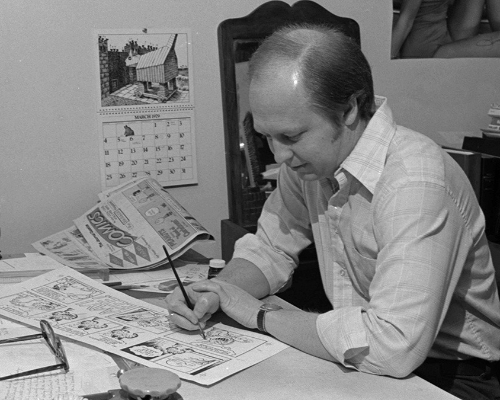
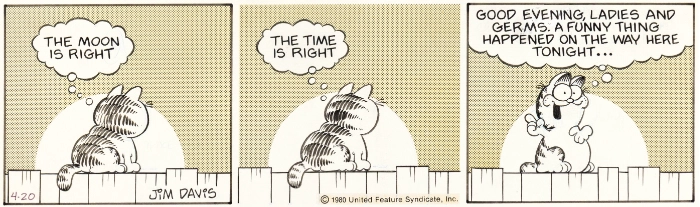
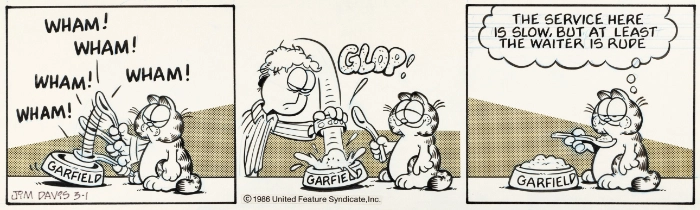
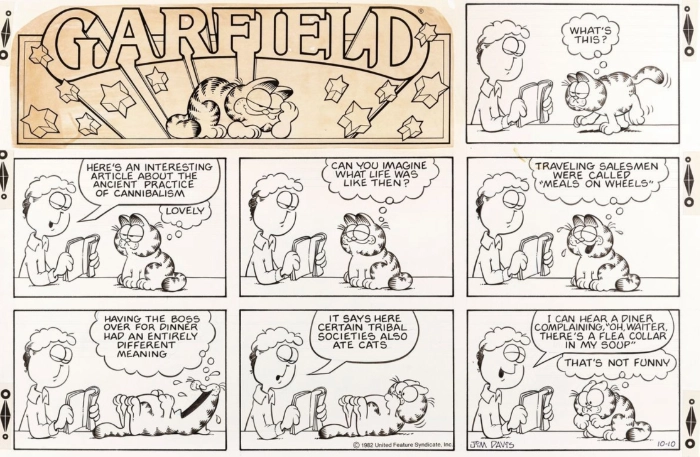
“I love Garfield. I’ll be the first to admit it. When I was in first grade, I would copy the Garfield comics word for word, panel for panel, and show them to my friends. I remember drawing Garfield over and over and thinking how cool it would be to be Jim Davis. The books were always in my backpack because, in my mind, they were the funniest things on planet Earth.
“On a professional level, Garfield taught me the basics of cartooning and how quickly you can get to a punchline if you do it right.”
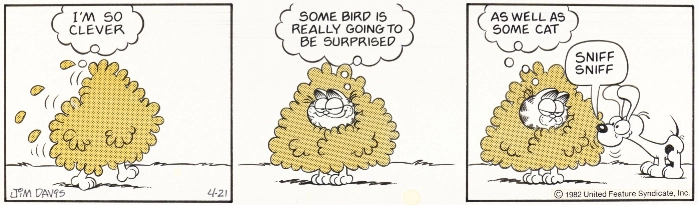
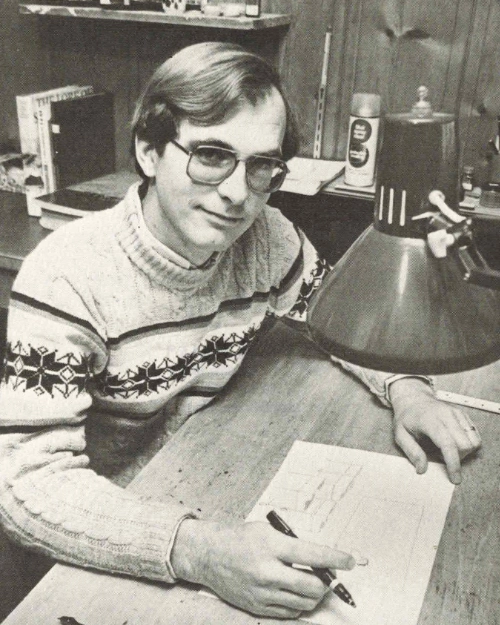
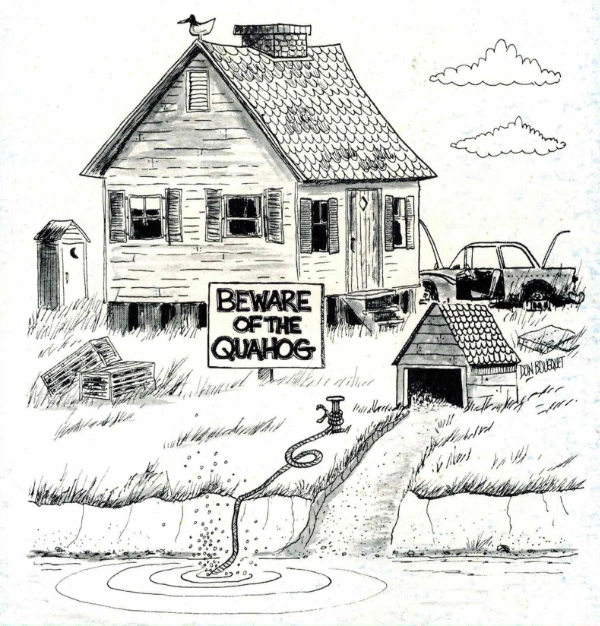
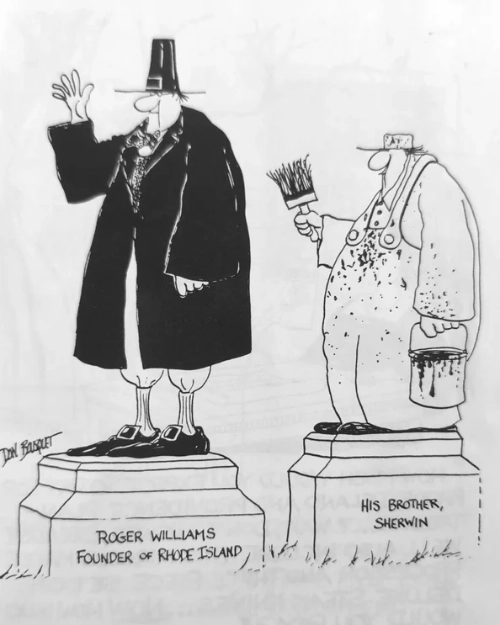
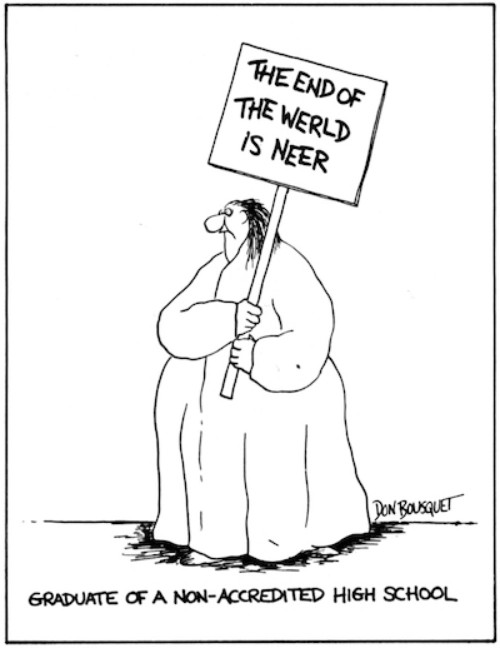
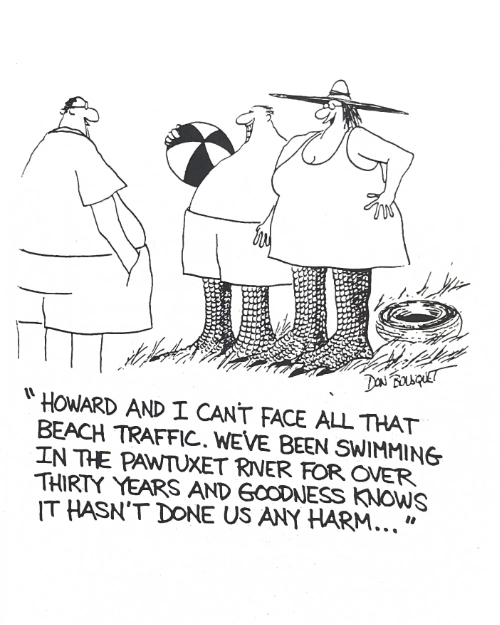
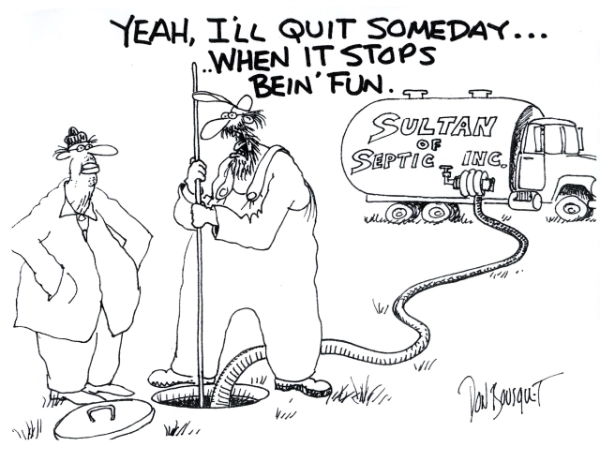
“Don Bosquet is a regional cartoonist from my home state of Rhode Island. He is an absolute legend in our little state, and his comics were collected in books and appeared every day in the Providence Journal. I loved his comics growing up, and I love them now. They gave me a real sense of pride in where I’m from, and they were absolutely hilarious.
“I’d imagine you’d be hard-pressed to find a home in Rhode Island that didn’t have one of his collections on the shelf or one of his comics hanging on the wall.”
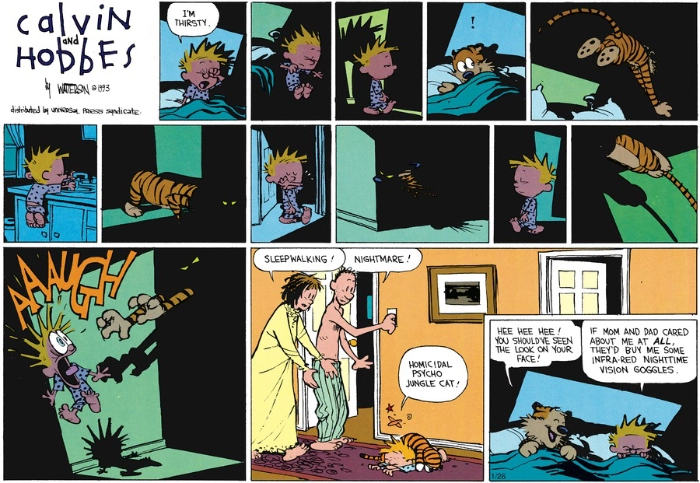
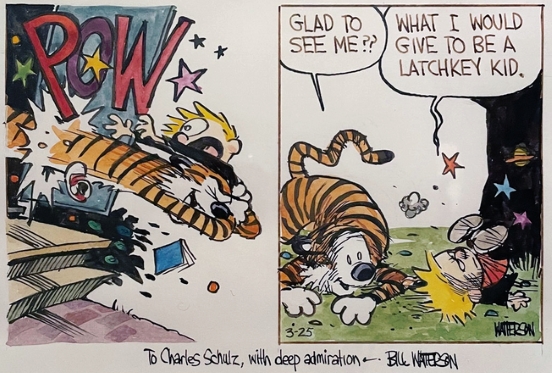
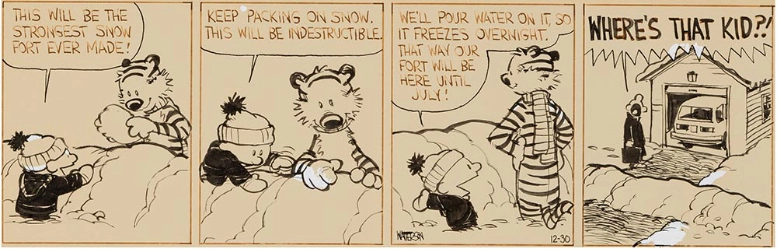
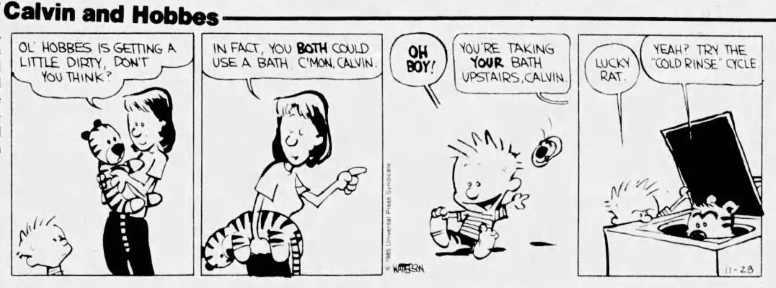
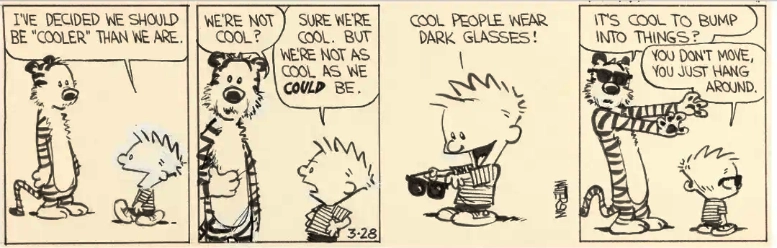
“I mean, c’mon. I’m a nineties kid. Calvin and Hobbes was, and is, an absolute juggernaut in the comics world, and it’s pretty obvious there are stylistic similarities between Wallace and Calvin.
“It was “Homicidal Psycho Jungle Cat” that really got me hooked. The cartoons and characters had such a range of personality. They felt like real people and not just props for a punchline. I would get lost in the incredible Sunday strips—the art, the jokes, the fuzzy feelings.
“Clearly, it had an impact on me. And if you’re reading this, Bill: thank you for giving me a career.”
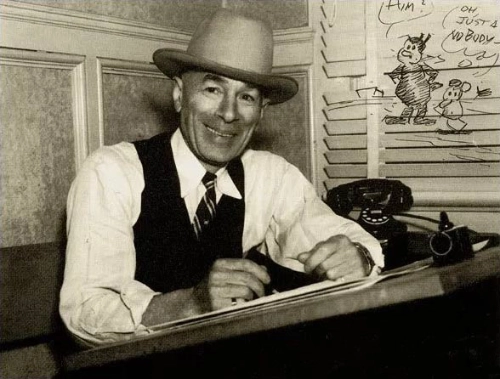
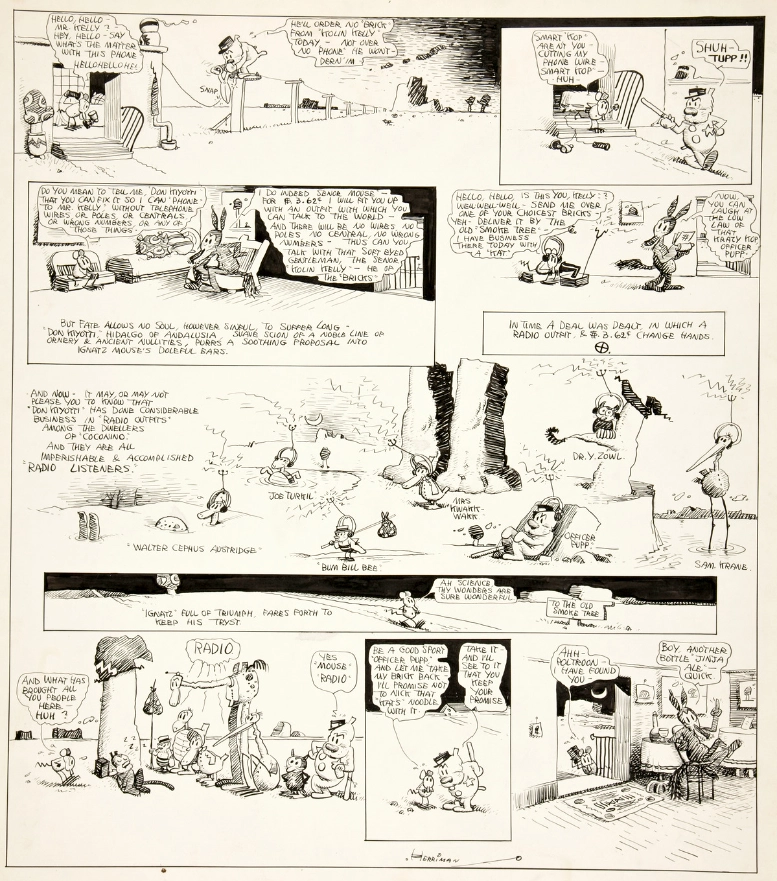
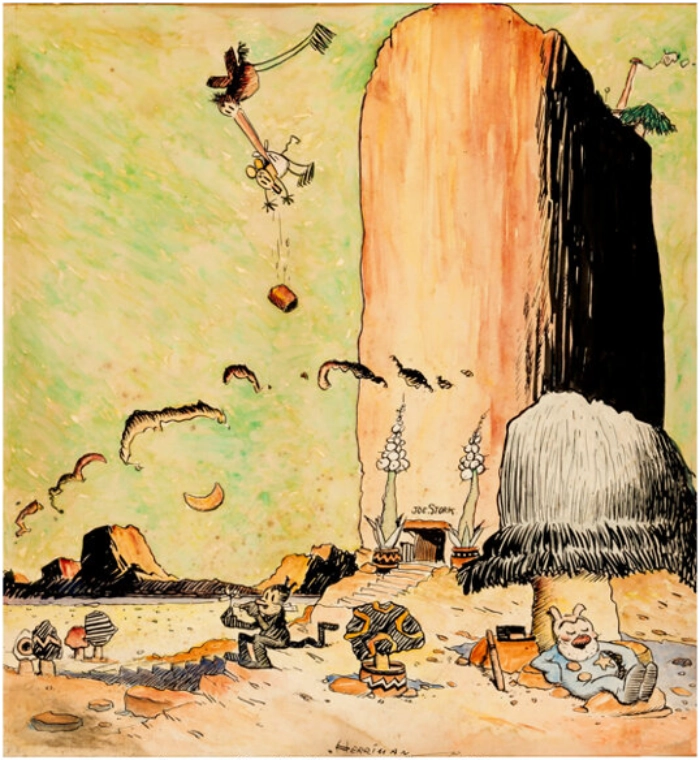
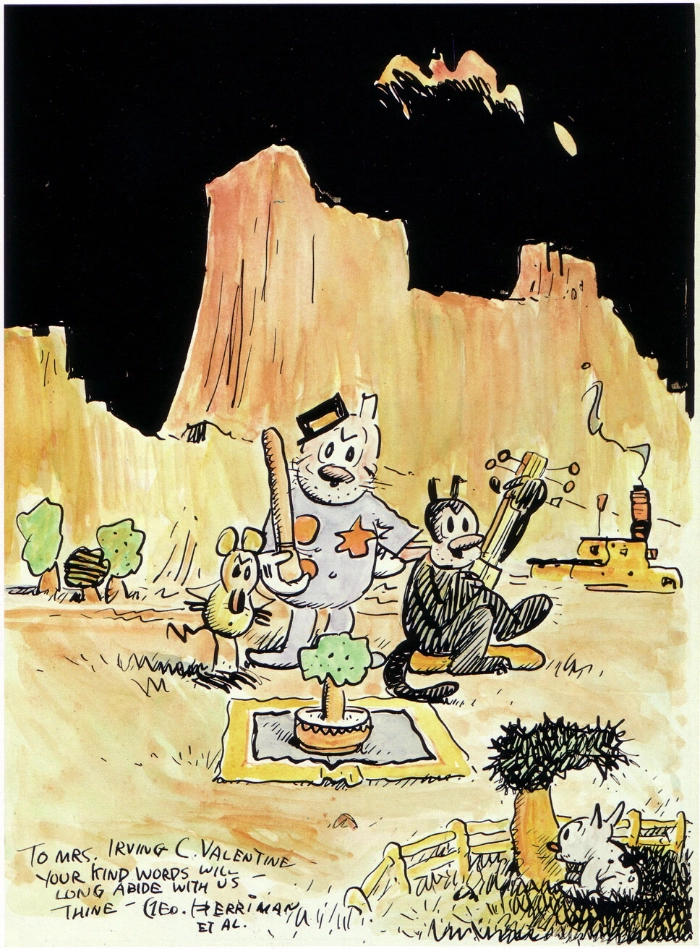
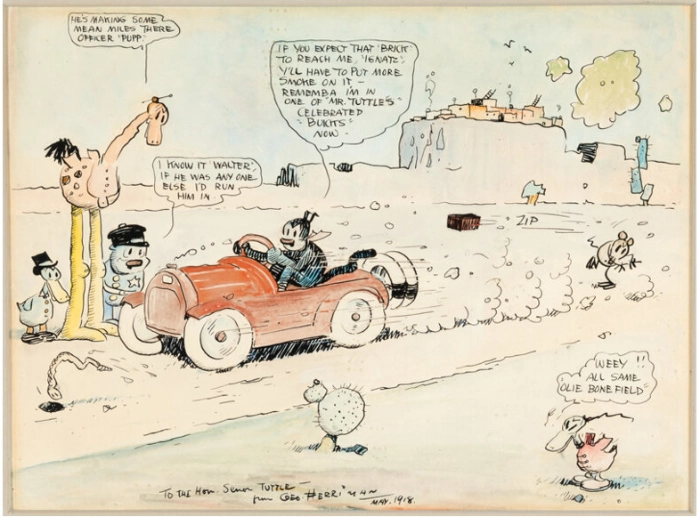
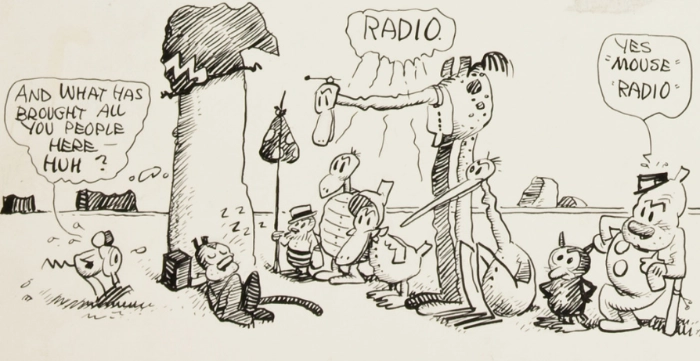
“Talk about being ahead of your time. The line work, the punchlines, the fantasy elements—all of it works perfectly in the masterpiece that is Krazy Kat.
“Many of the visual elements in Wallace were borrowed from Krazy Kat, especially all the buildings and all the wonderful little things happening in the background. I try to get that kind of fantasy into Wallace, but it will never be nearly as effective as it was in Herriman’s work.”


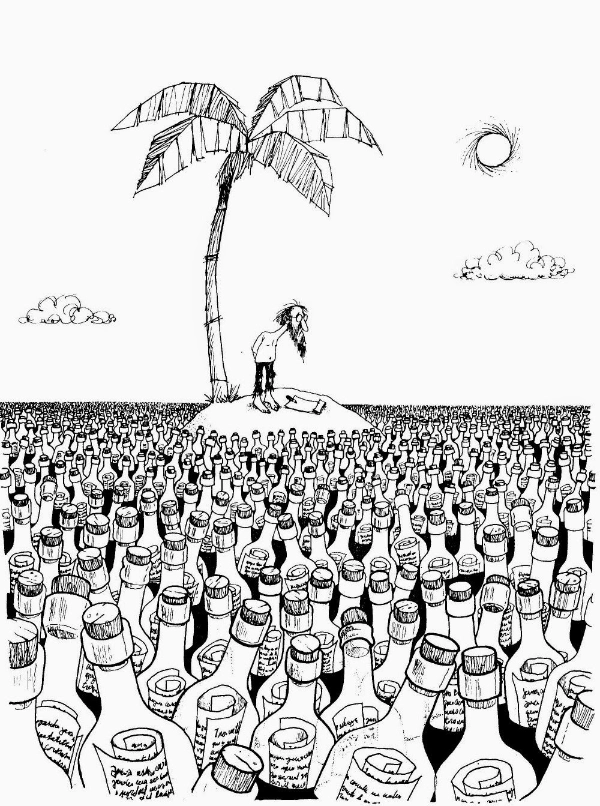
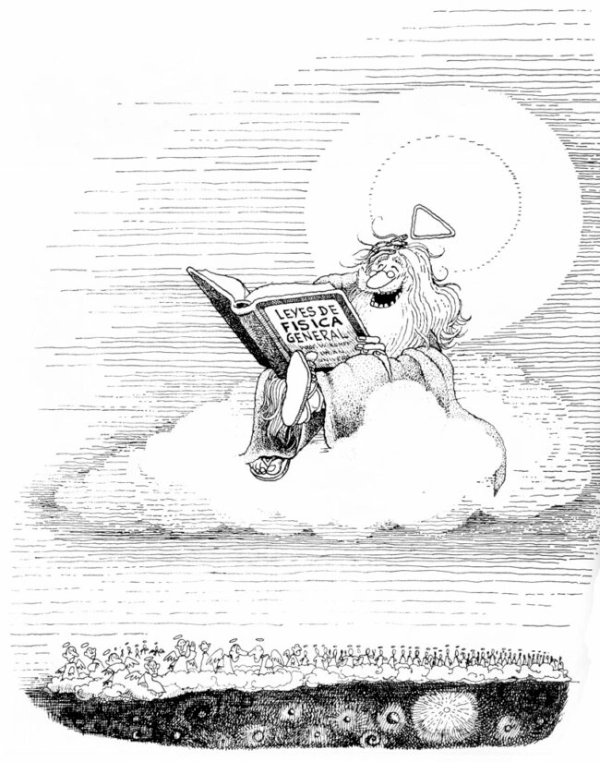
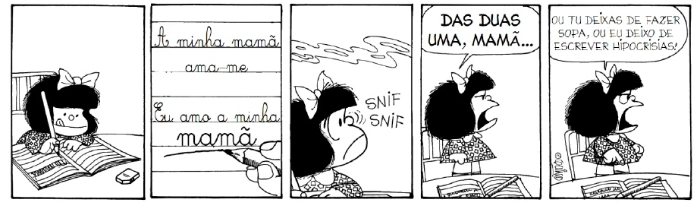
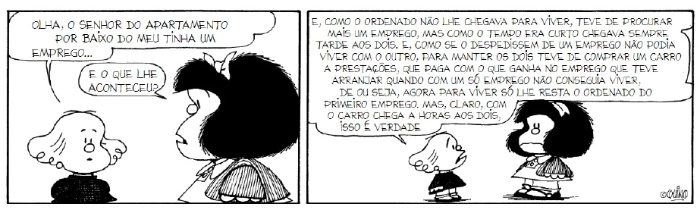
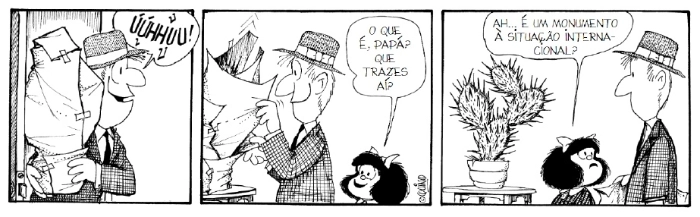
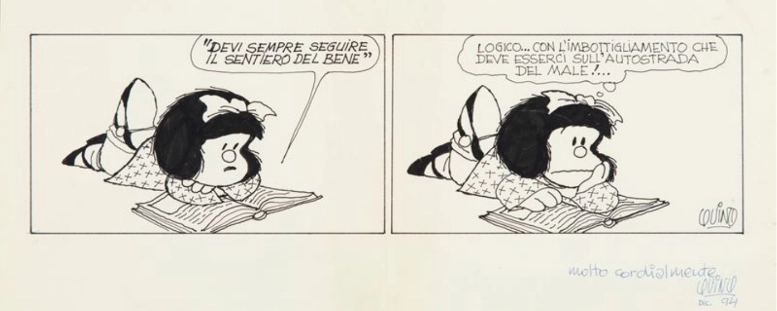
“I didn’t discover Quino’s comics until I was in college, when a friend of my father’s passed along a collection of his single-panel strips. I never really got into Mafalda, but damn, those single-panel comics truly resonated with me.
“Not only was the line work incredible and full of energy, but the visual storytelling was on another level. I had seen gag-a-day and single-panel punchlines before, but Quino’s comics made you think a bit more. How could one panel, with no text, express so much emotion and interest?”
“Each comic was like a roadmap to a gag or poignant conclusion. It certainly influenced my visual storytelling.”
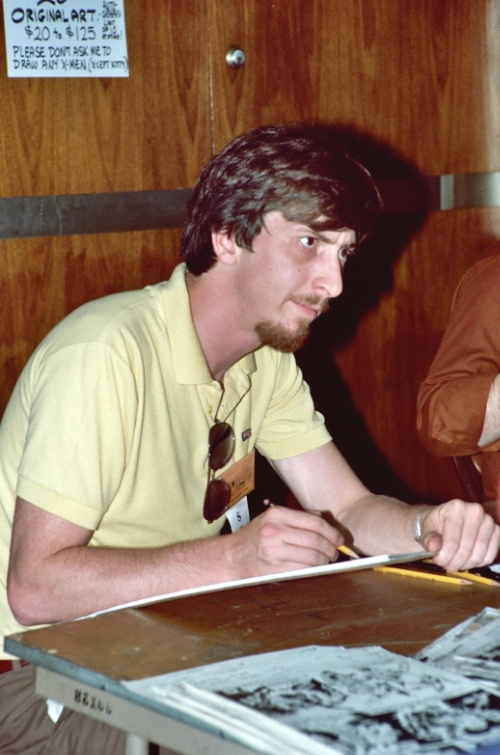
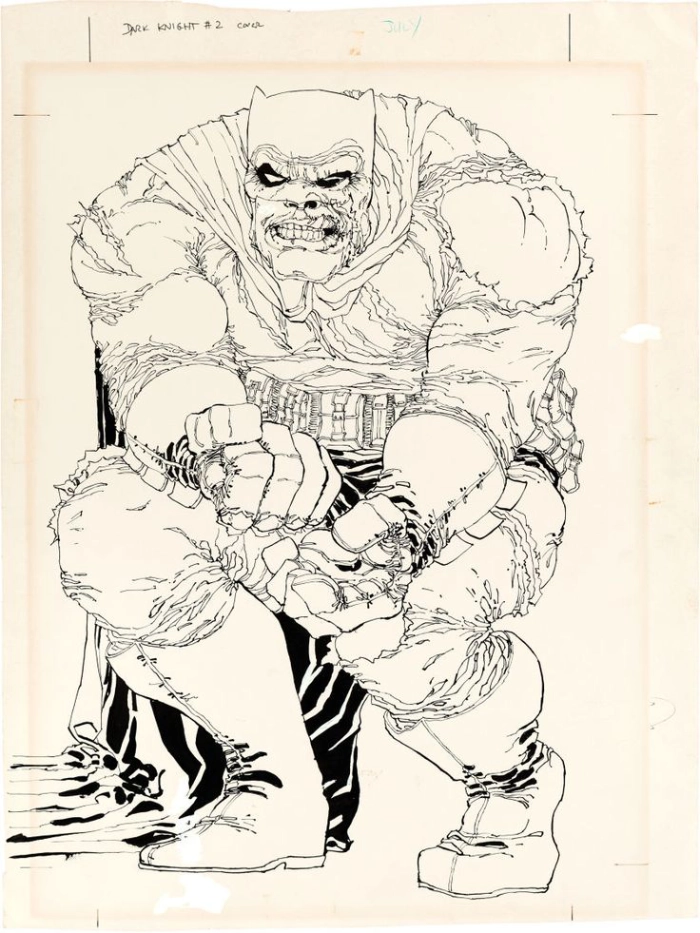
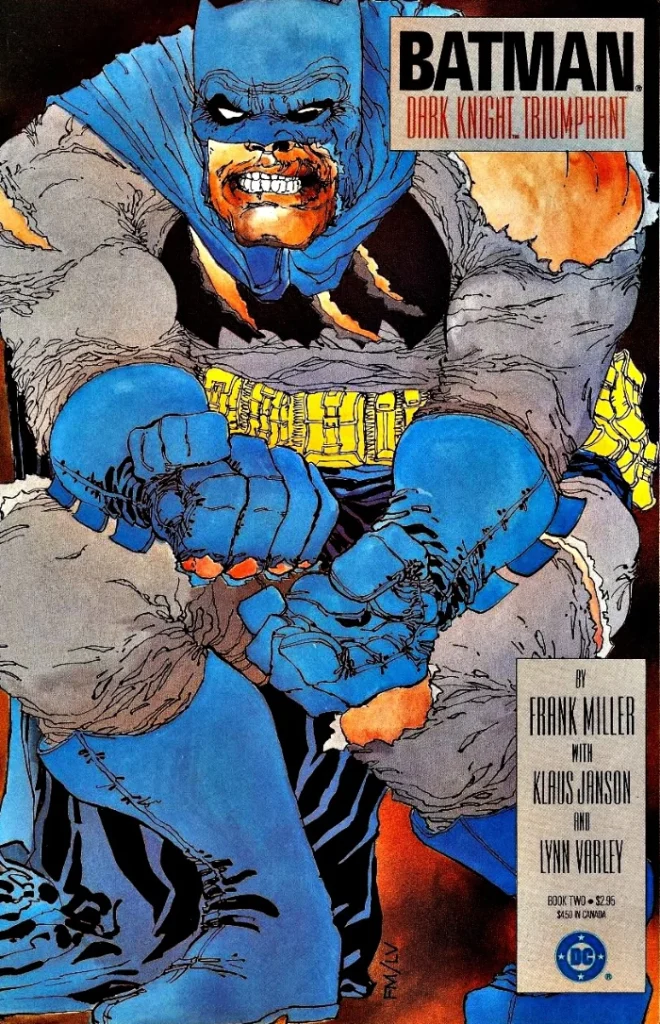
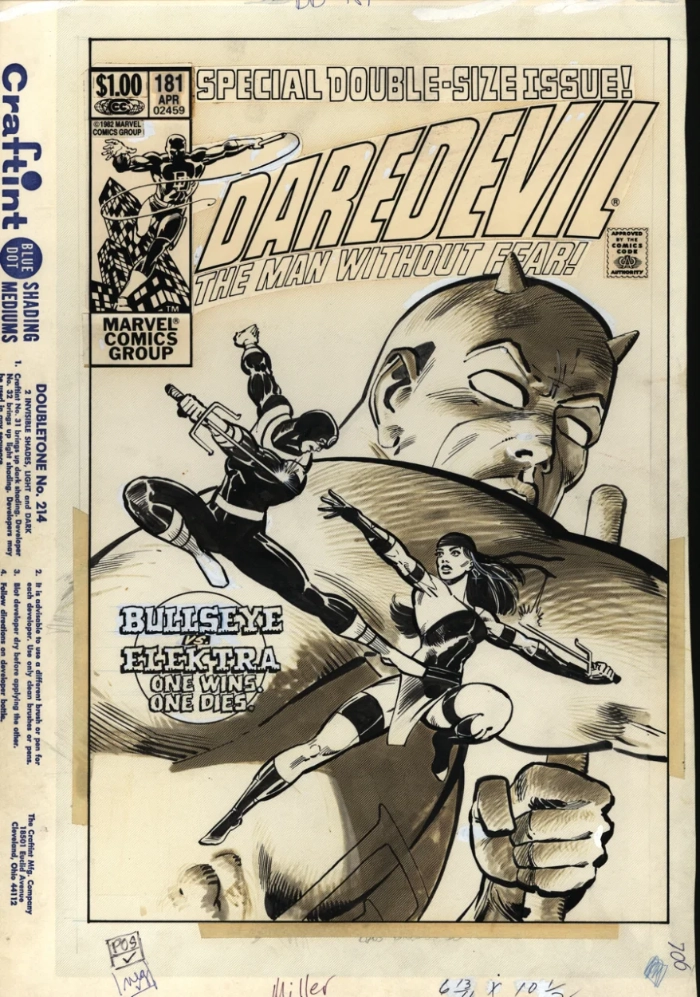
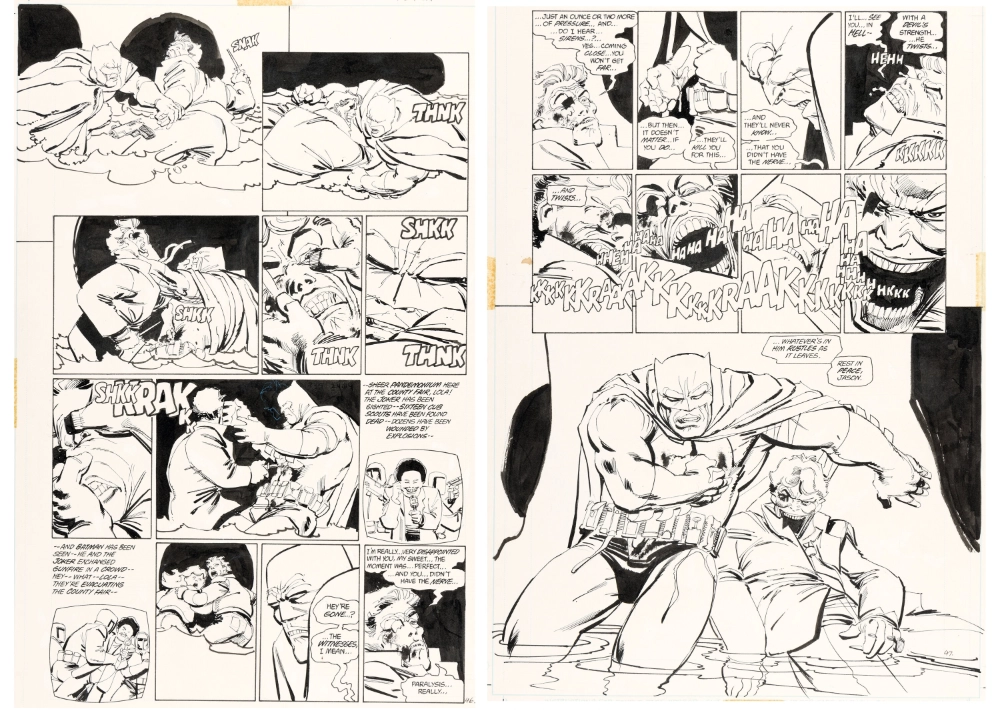
“Although I’m not a fan of all of Frank Miller’s endeavors, I can’t ignore how impactful The Dark Knight Returns was on me and my cartooning ideas.
“I was in middle school, and my father knew I was into comics. I read a lot of Archie and Casper, along with some campy superhero stuff, and then my dad handed me The Dark Knight Returns and told me it was going to blow my mind.
“It did.
“It was a moment when I thought to myself, comics can kick ass.“
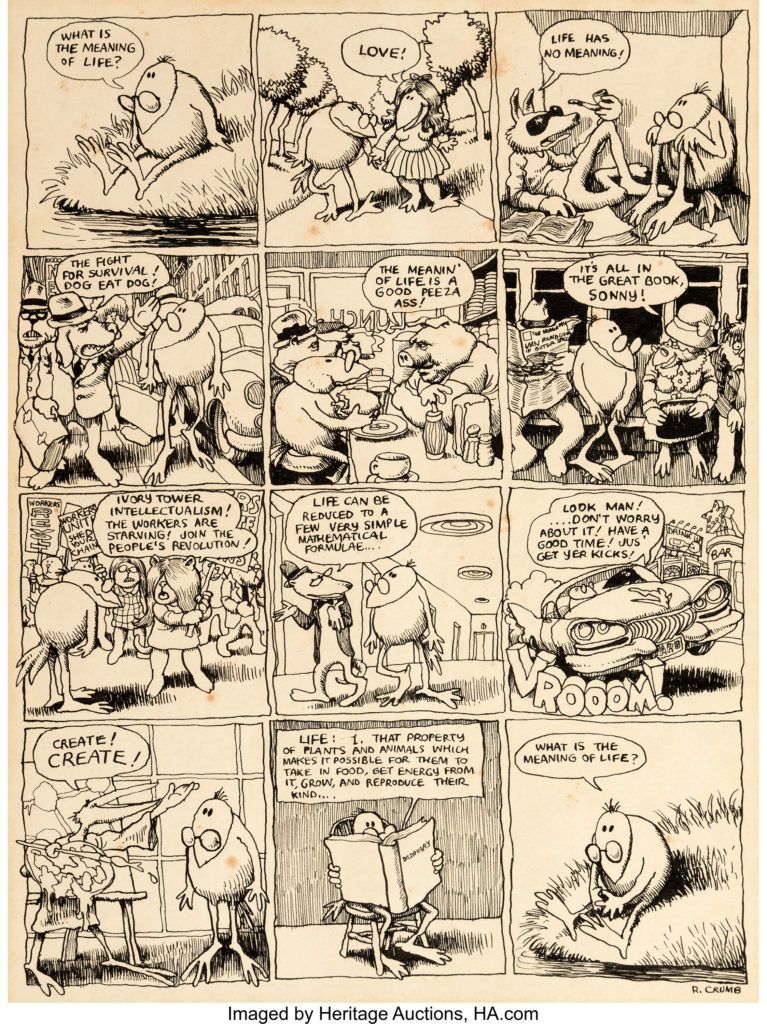
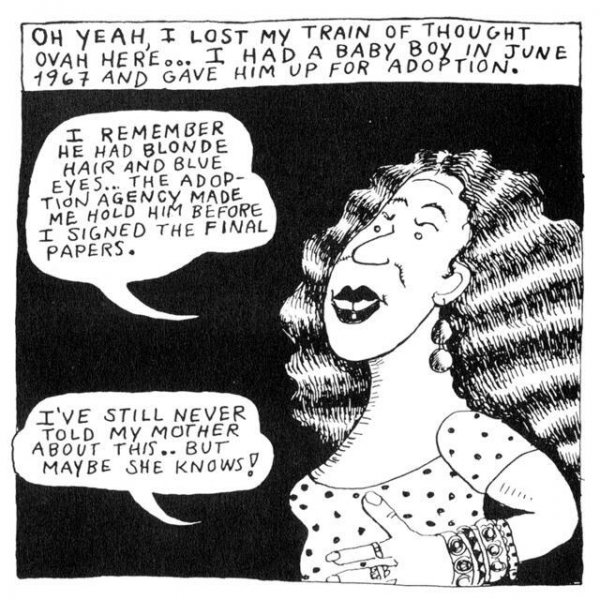
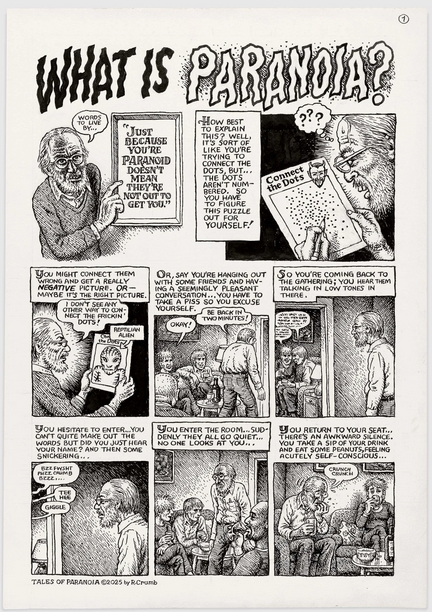
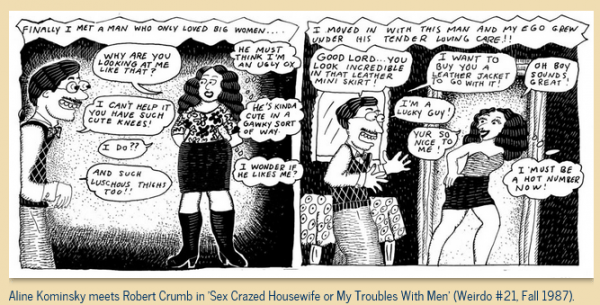
“I went through a heavy R. Crumb phase post-college, and I think you can see it in my early Ordinary Bill strips. Extremely personal, heavy on the ink lines, and brutally honest.
“But Crumb’s style is so unique that it just jumps off the page. It’s incredibly rendered, with a hint of grime that gives you that underground feeling.
“I remember reading a lot of Harvey Pekar’s work and thinking it was OK, but when Crumb illustrated it, it became incredible. One of the few cases where the art saved the writing.
“That stuck with me—how a comic can be visually interesting enough to engage the reader.
“So if you see an overly illustrated Wallace strip, it’s probably because the writing wasn’t great.”

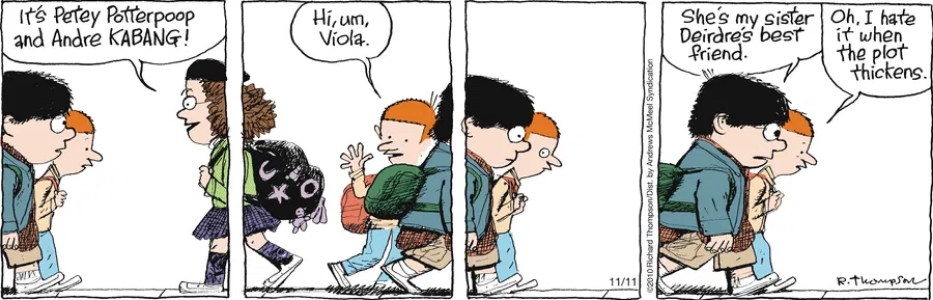
“The GOAT. At least in my opinion.
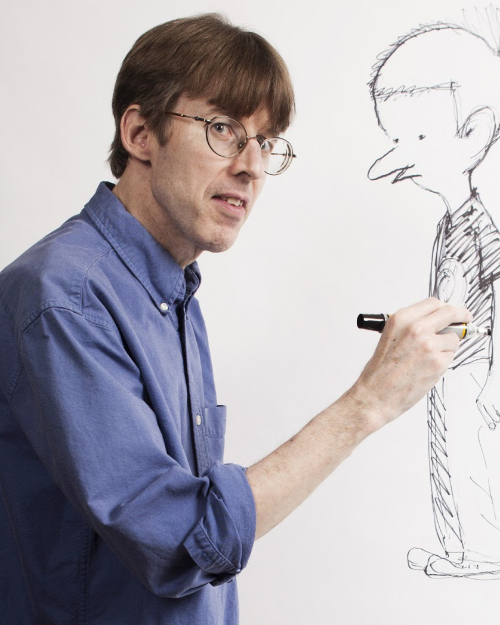
“When I first started Wallace, it was so clearly a Cul de Sac knockoff that the editors had to steer me into a lane that was more my speed. I was obsessed with Cul de Sac, analyzing the pages for all the little details and variances in line work, and the way Richard Thompson could capture a scene or personality with some simple but energetic lines.
“I really didn’t get into his work until later in my career, and I’m glad it took so long because I was able to appreciate how brilliant he was. One of my biggest regrets of my cartooning career is that I never got to meet the man.”



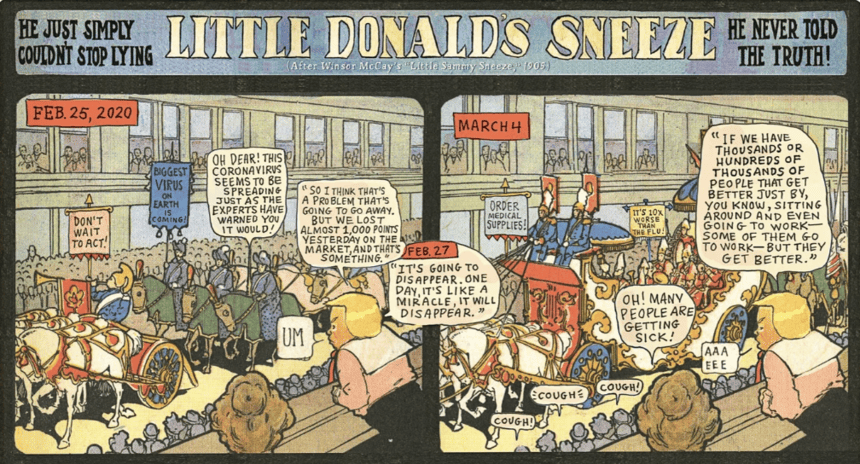
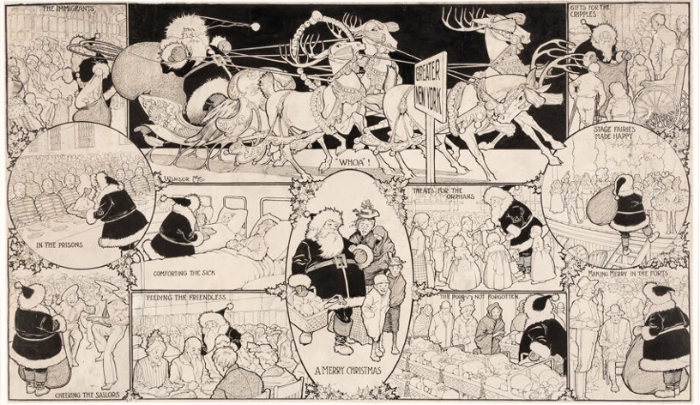
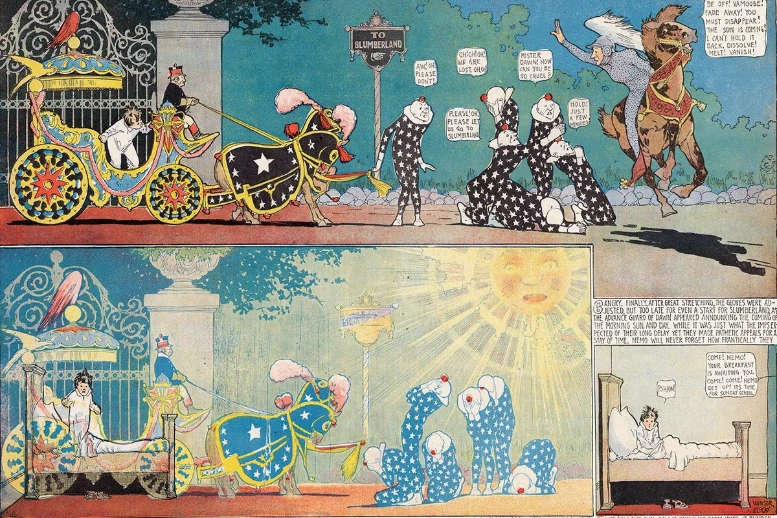
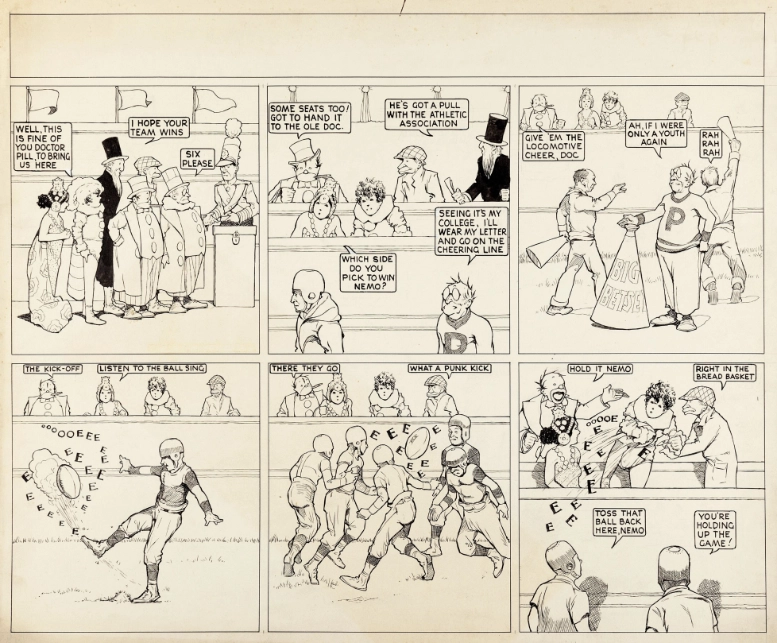
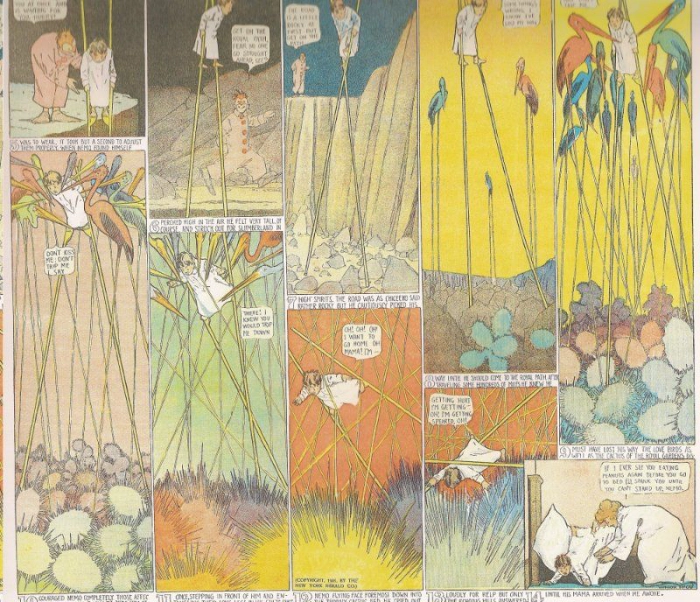
“Winsor McCay’s work is like visual candy. Beautiful on every level. The line work, the layouts, the colors—all blended harmoniously.
“Along with Herriman’s work, Winsor McCay dominated visually. We live in a world of endless stimulation, with access to any form of entertainment and big-budget CGI movies, and I will still look at Winsor McCay’s work in sheer wonder. I couldn’t imagine seeing it in the early 1900s. It must’ve been wild.”
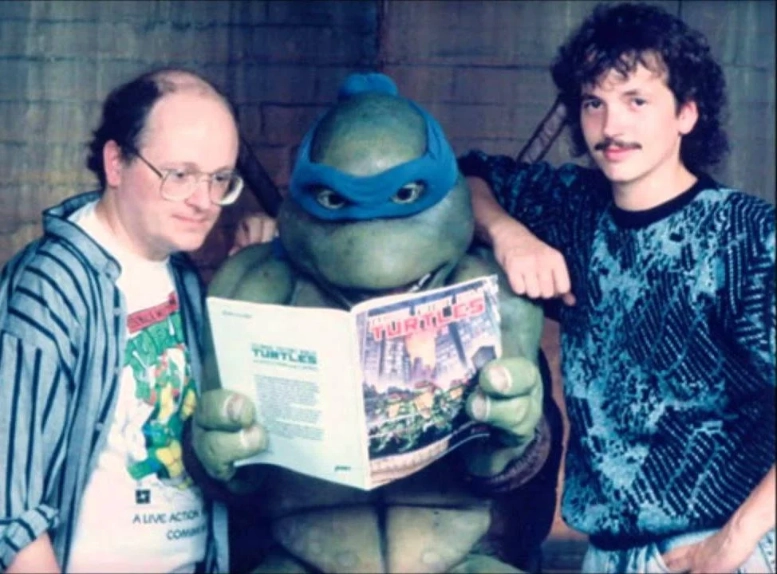
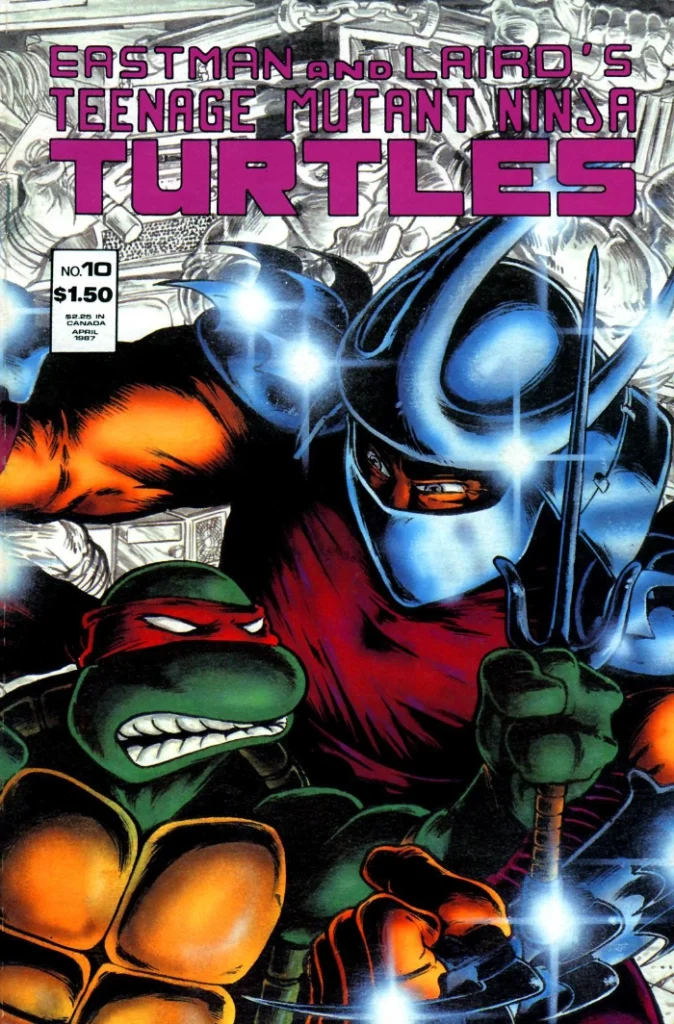
“Now, technically, this is two, but hopefully Alan won’t penalize me for going over my limit.
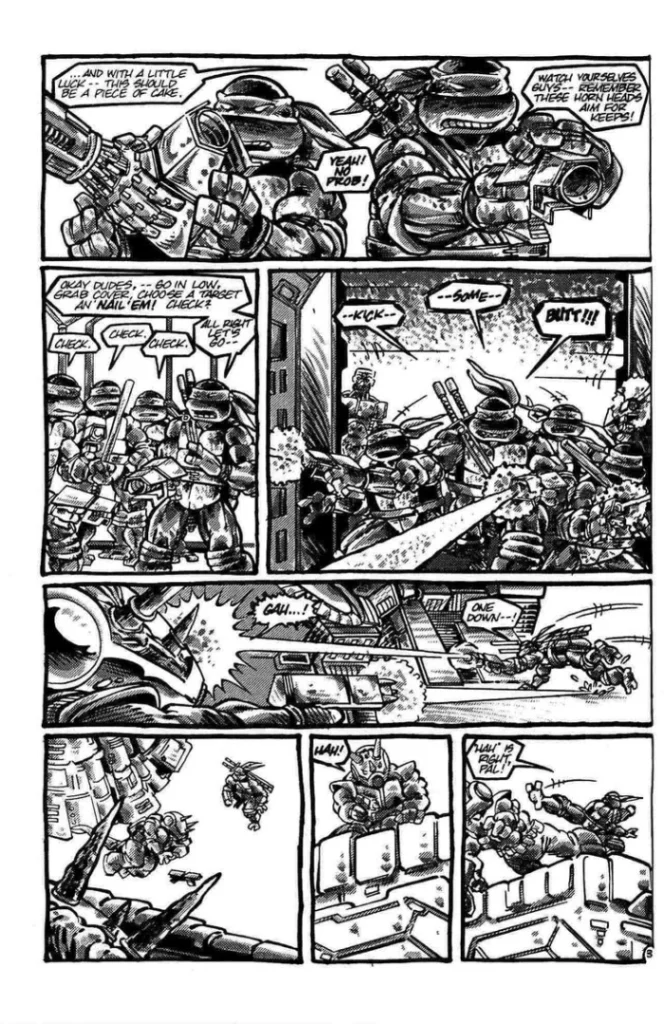
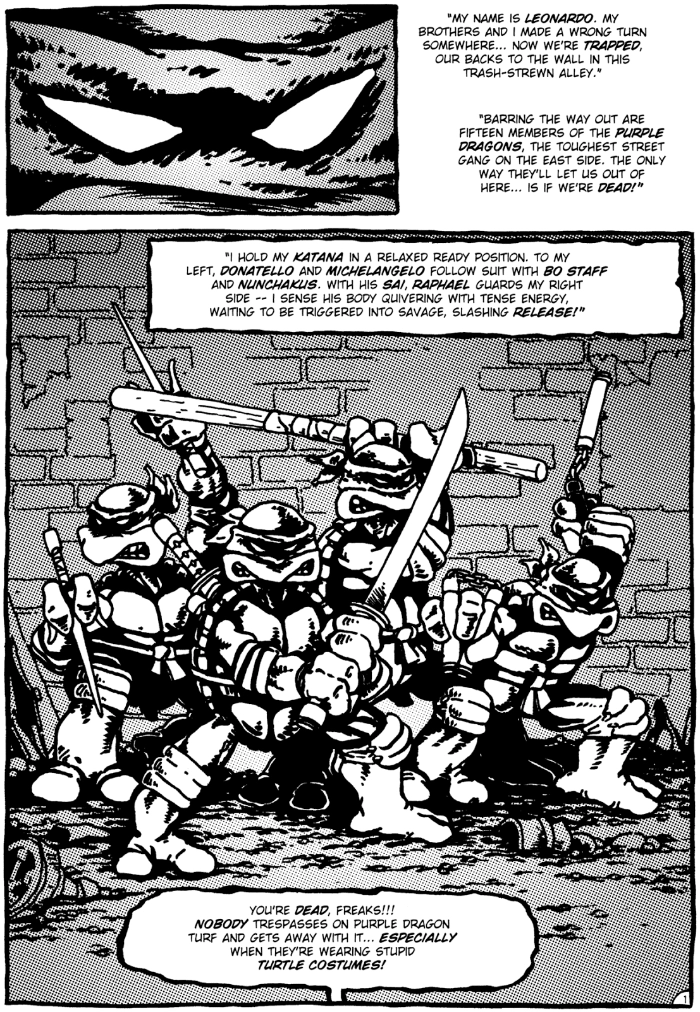
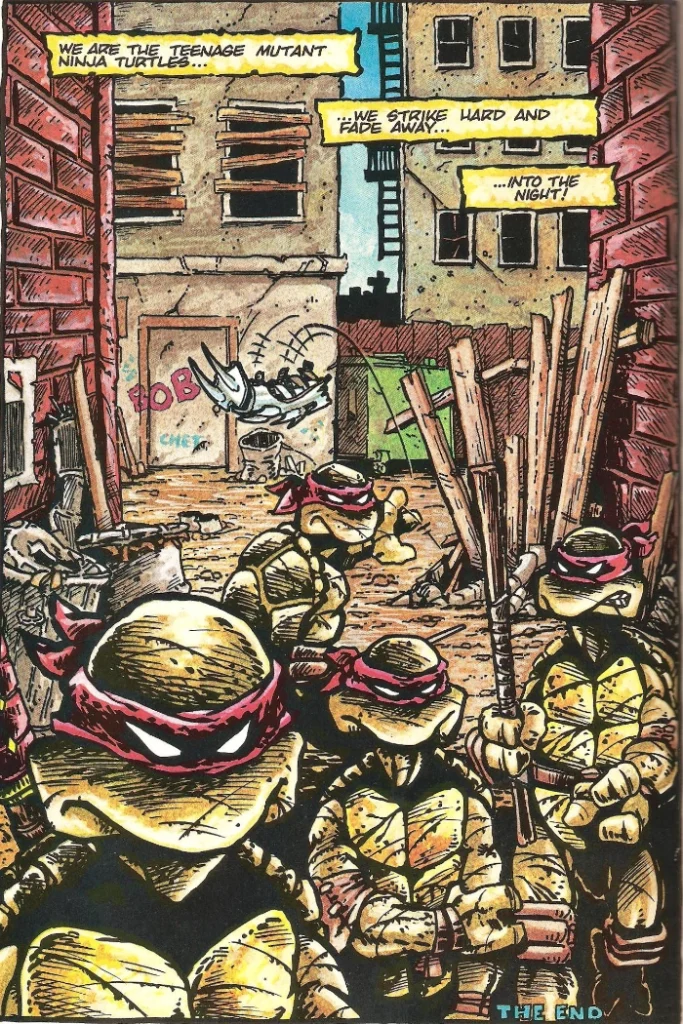
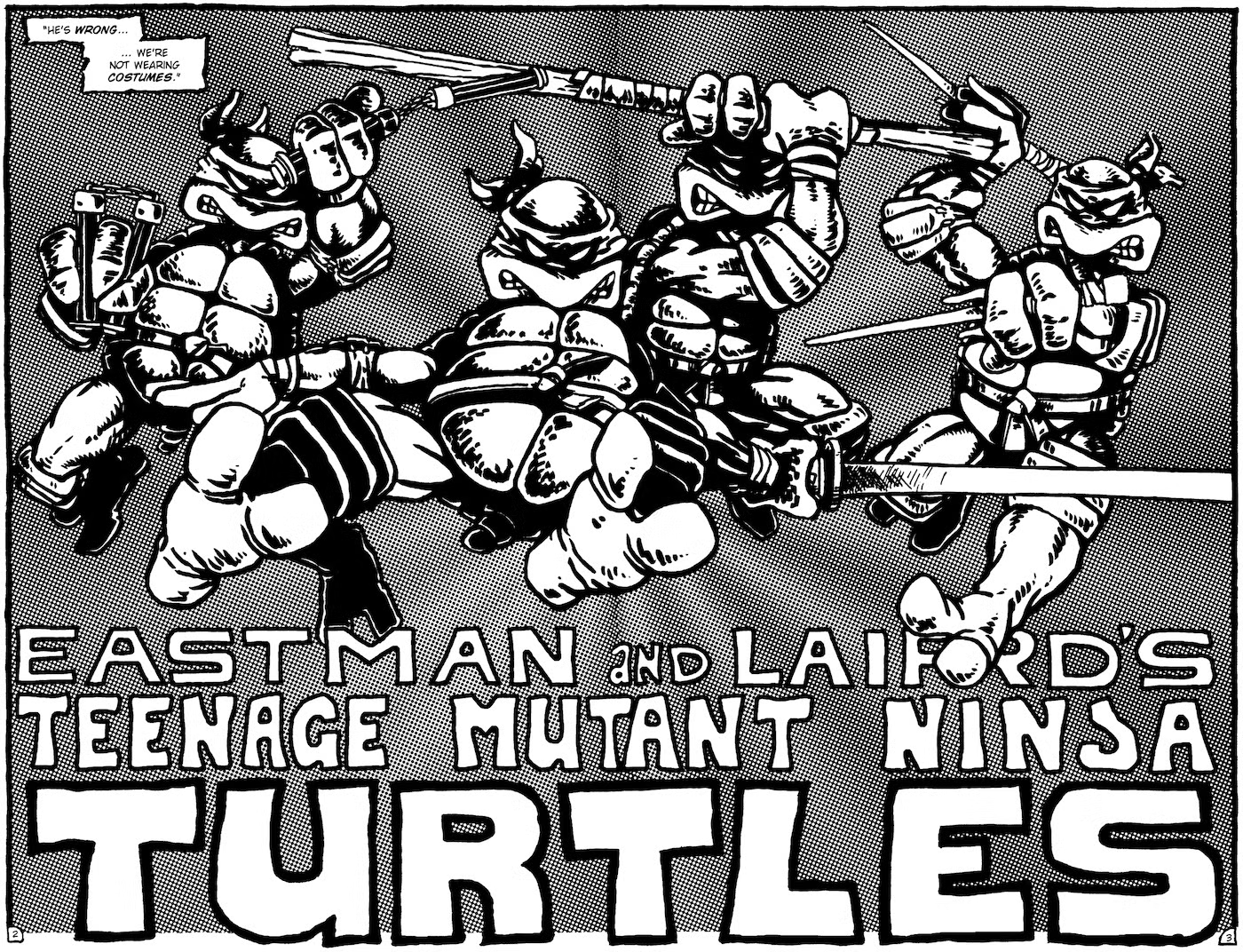
“That being said, I can’t emphasize how impactful the Ninja Turtles were on me in regards to cartoons. I had all the toys, seen all the shows, and was completely hooked. My first drawings ever were of the Ninja Turtles—the campy kid version.
“It was only in high school that, once again, my father gave me a handful of the original TMNT issues. They were so raw, and the illustrations were just skewed enough to work and be impactful. It was the ’90s personified in comic form”.
Bonus: The 3 Cartoonists Will Henry Admires
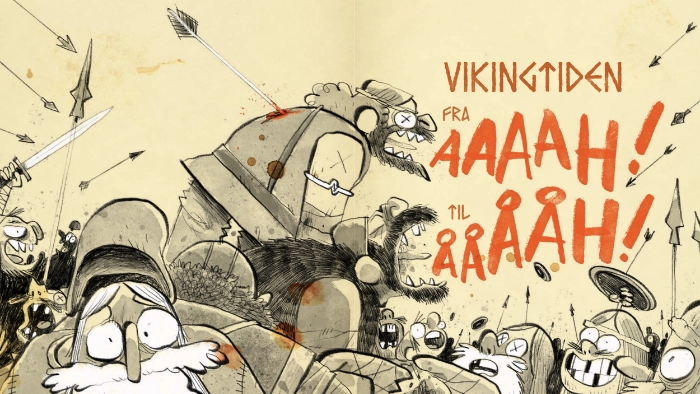
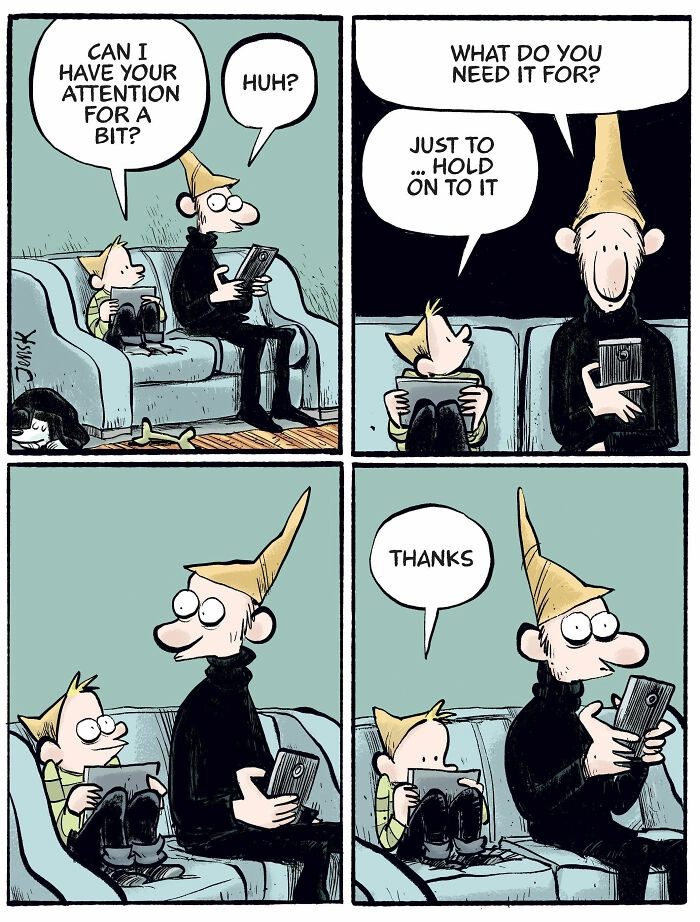
“Jens created the comic Dunce, a Norwegian masterpiece about a father and son living above the Arctic Circle. The characters truly resonate with me. It can be heartwarming and funny, and the regionality of it makes it so interesting to me.
“Not to mention, it is beautifully drawn. Simple, but packed full of personality.
“When I read Jens’ comics, I’m either left with a feeling of pure jealousy or a fire that makes me want to make better comics.”
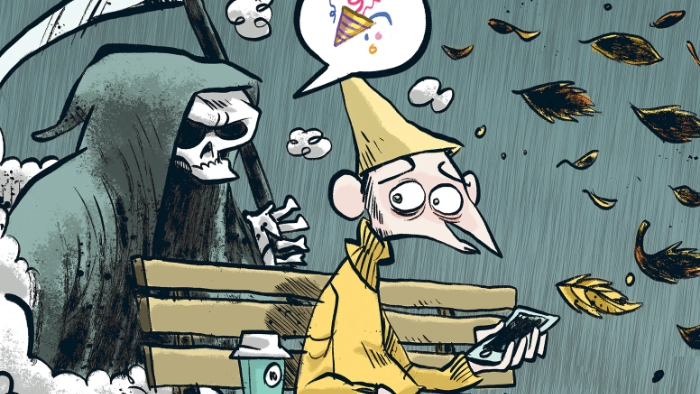
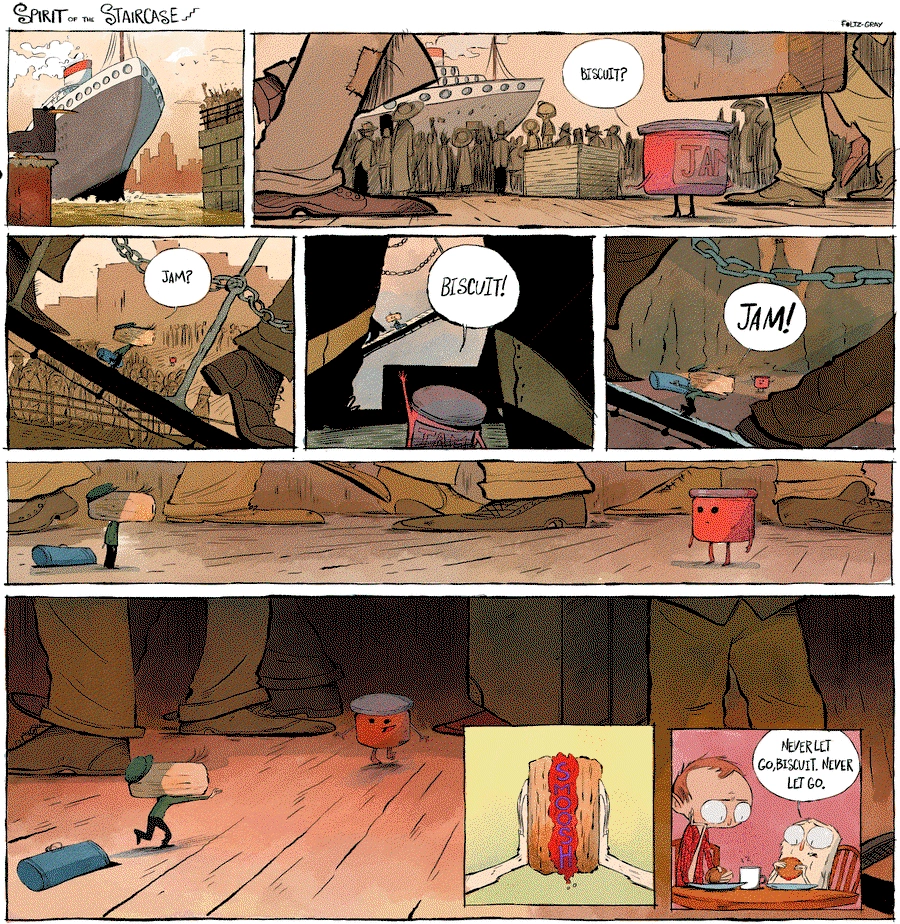
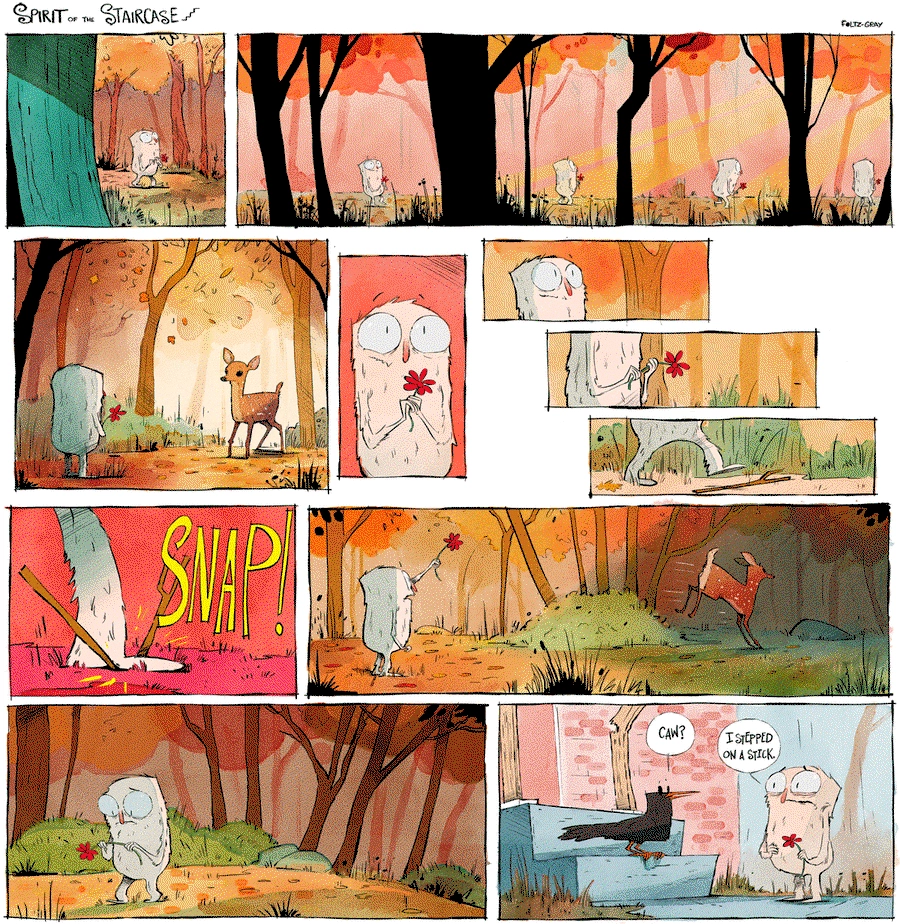
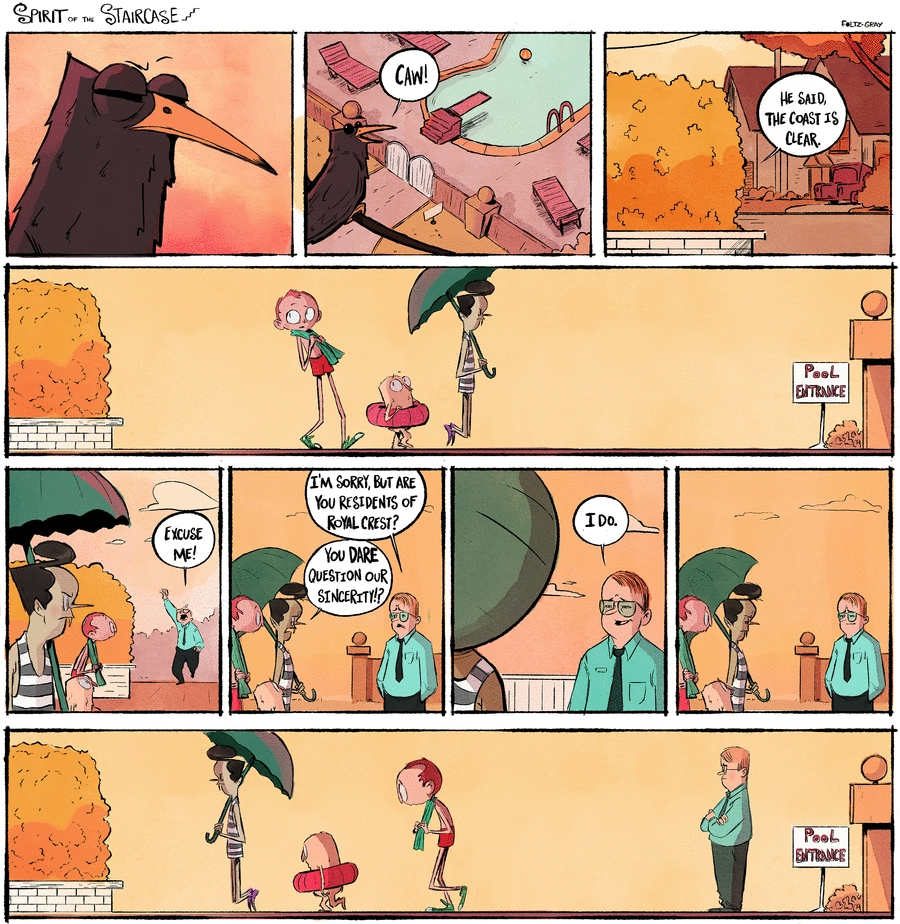
“I discovered Matt’s work about 10 years ago. His illustrations are so charming and upbeat and just put a smile on my face.
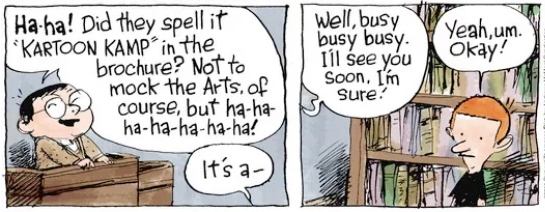
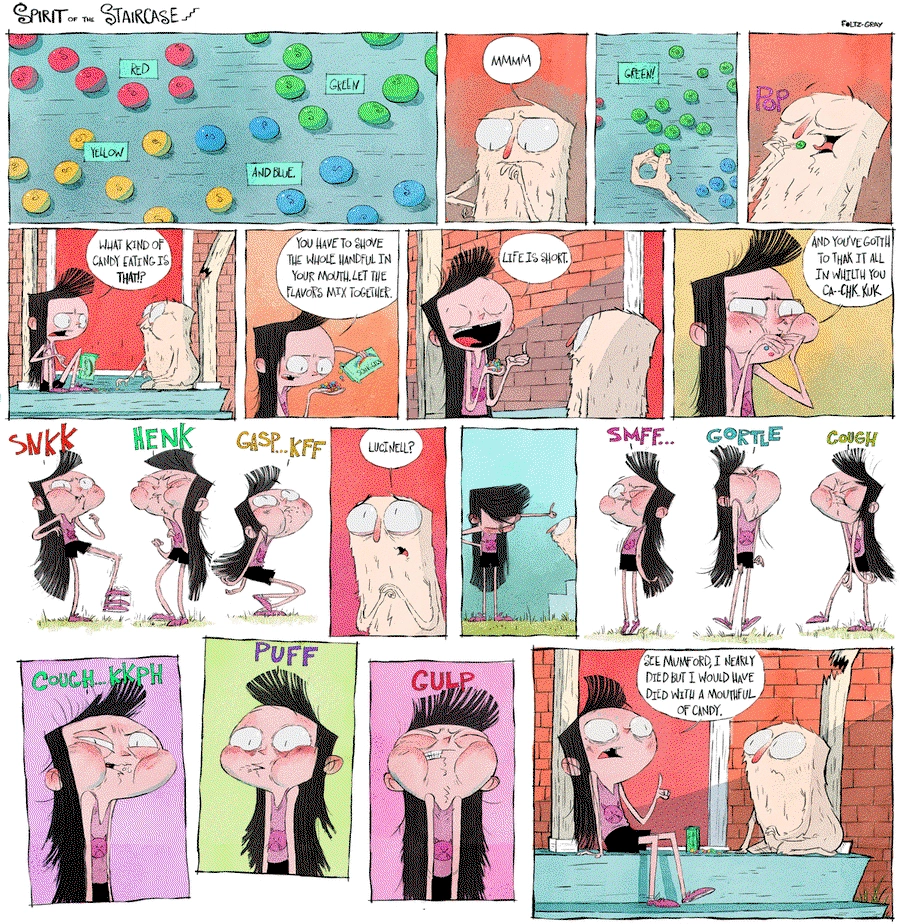
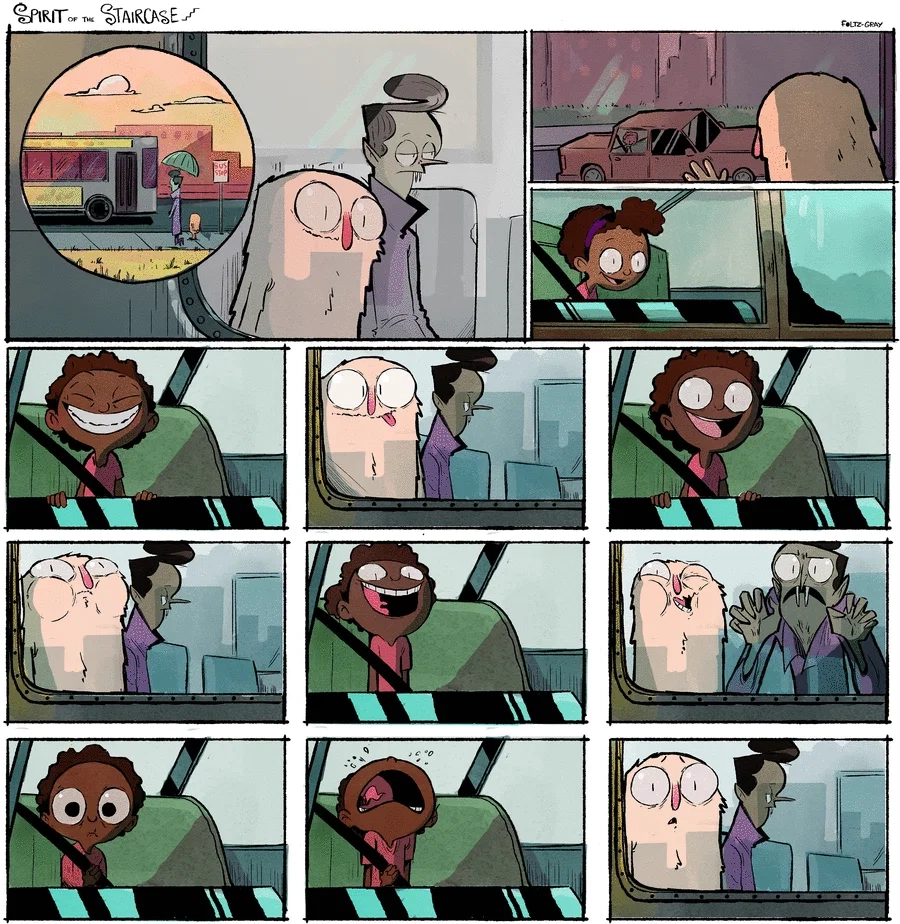
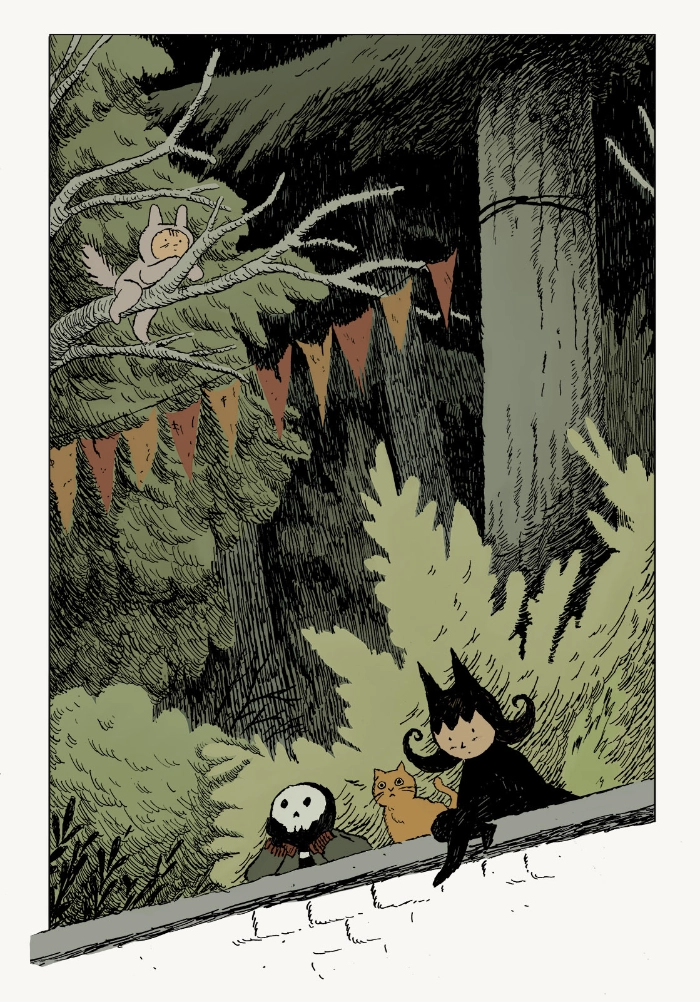
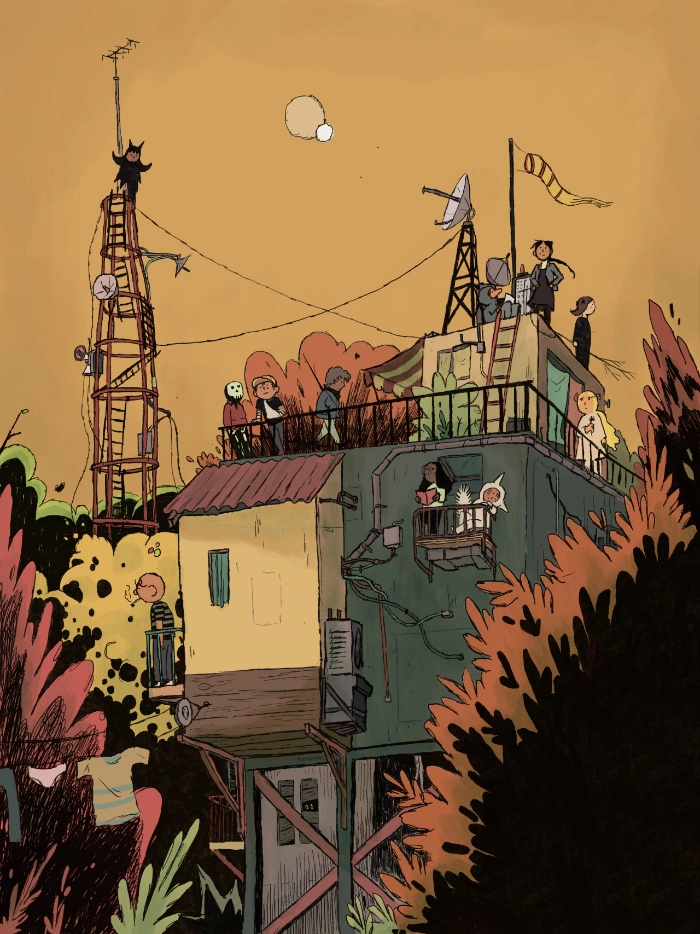
“Currently, he’s more focused on illustration work, but his run on Spirit of the Staircase on GoComics is the stuff of legend. The colors, layout, and characters are on another level, and it is flipping weird—in a good way.
“Not to mention, Matt is a cool dude. That always helps.”
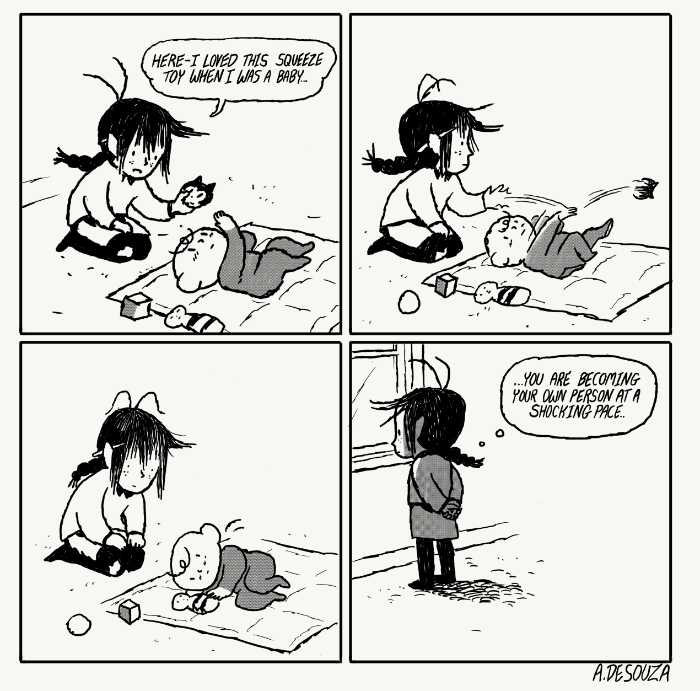
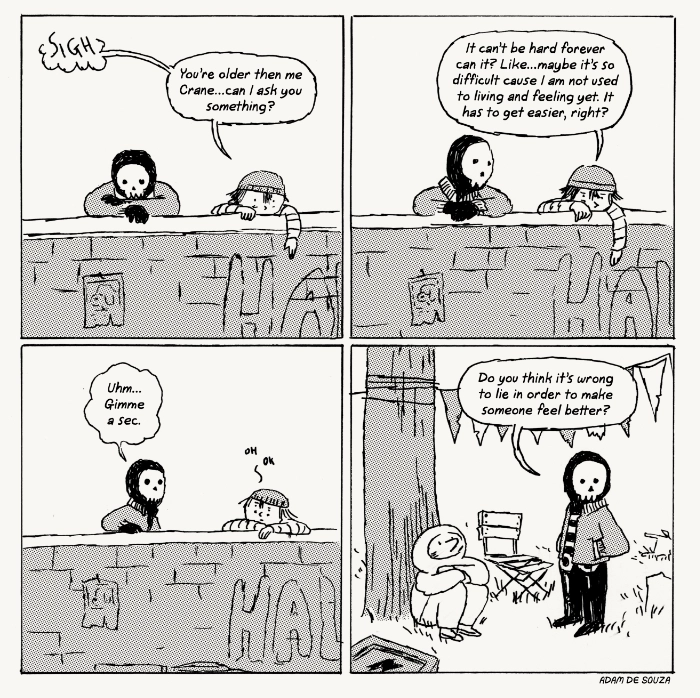
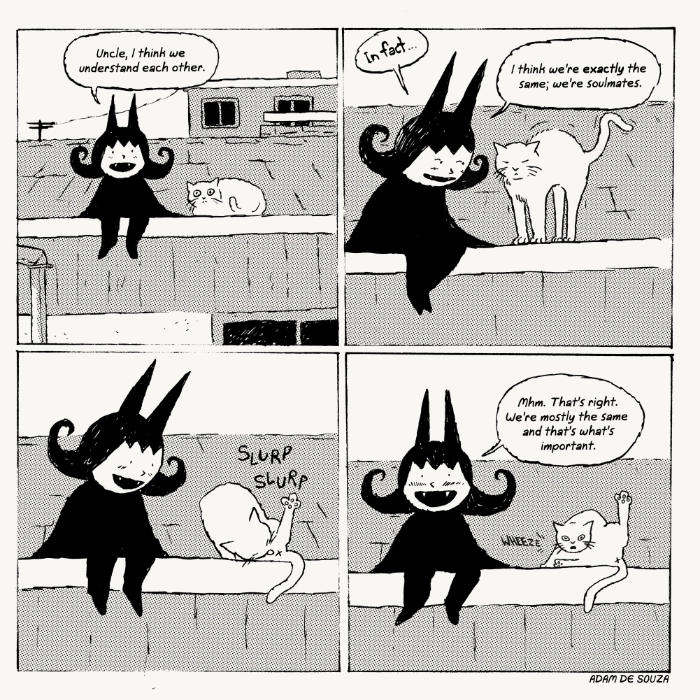
“I love Adam’s work, especially his comic Blind Alley. His scratchy style works perfectly with his storytelling. His work is profound but understated, and it’s a breath of fresh air against comics like Wallace that are overly upbeat.
“Being a kid isn’t always sunshine and rainbows, and Adam’s comics balance some of the hardships of being a kid. It’s very real and seems deeply personal.”
You can follow Will’s Wallace the Brave on GoComics, or follow him on the socials (Facebook, Instagram, X/Twitter, and YouTube).
Thank you, Will for sharing with us your list of cartoonists who influenced you and those you admire.
