

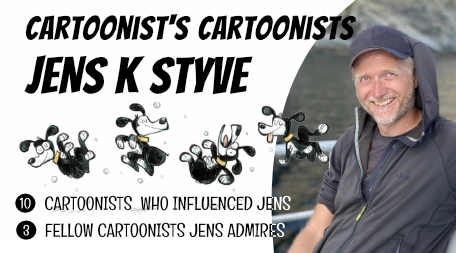
Skip to commentsPublished: October 7, 2026Updated: October 7, 20264 minutes0 comments
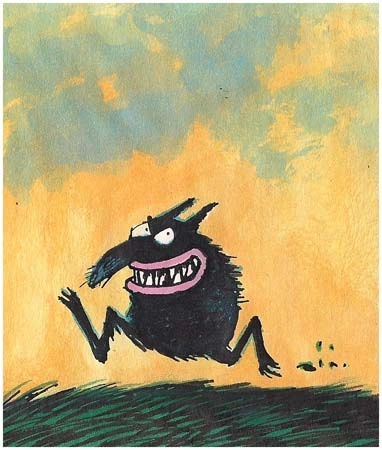
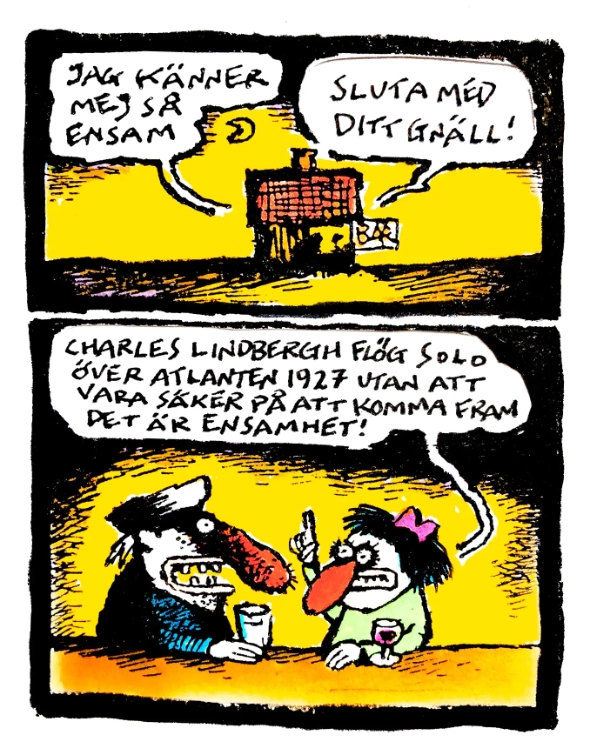
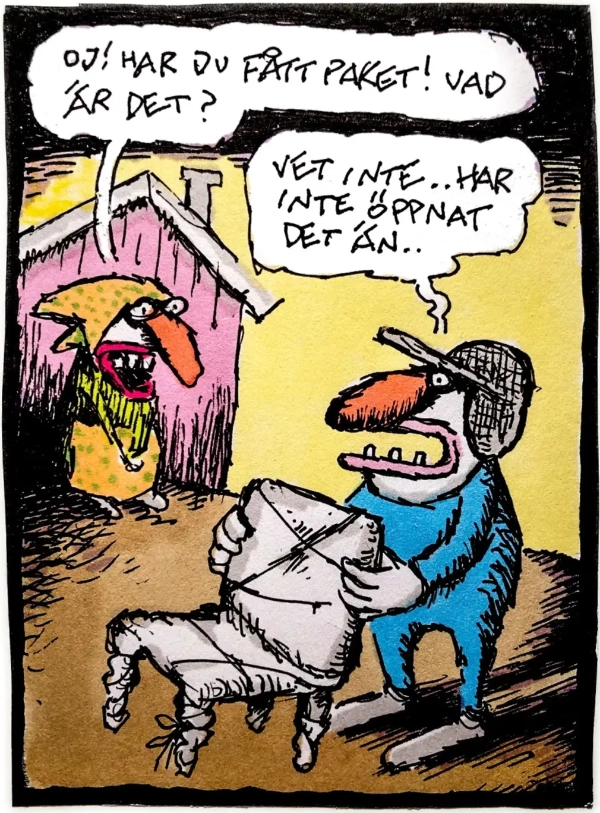
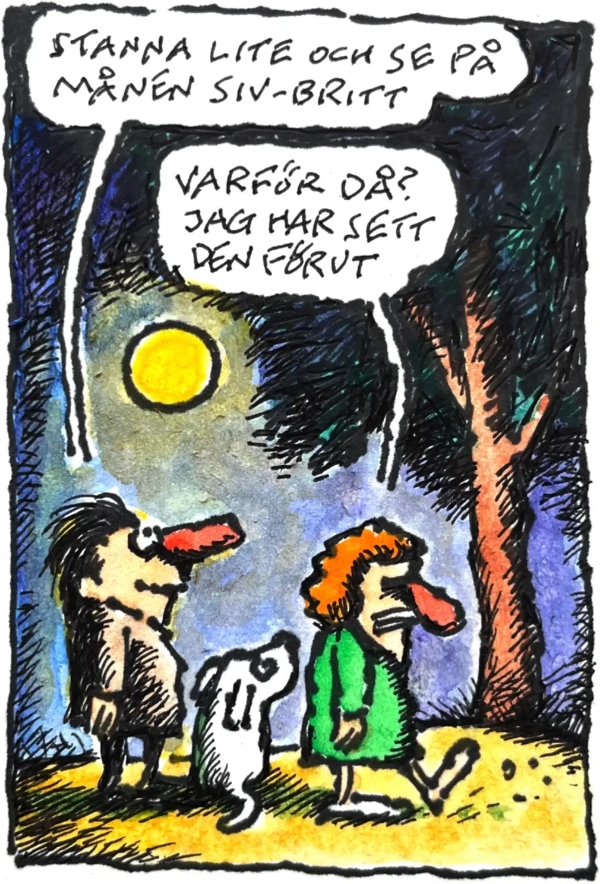
Norwegian cartoonist and illustrator Jens K Styve has been a full-time cartoonist for nearly a decade. Not that he wasn’t a cartoonist before, but only after his comic strip Dunce won a comic competition and became a daily comic strip in 2017 was he able to quit his day job.
Styve calls Dunce “not quite autobiographical. Not entirely made up, either.” Others have been more lavish in their descriptions. World ComicBook Review calls Dunce “an alternative universe, where Calvin has grown up and moved to Norway,” and Will Henry, in his Cartoonist’s Cartoonists profile called Dunce “a Norwegian masterpiece.” High praise any cartoonist would welcome. Last week TDC reported Styve was re-launching Dunce in English starting at the beginning.
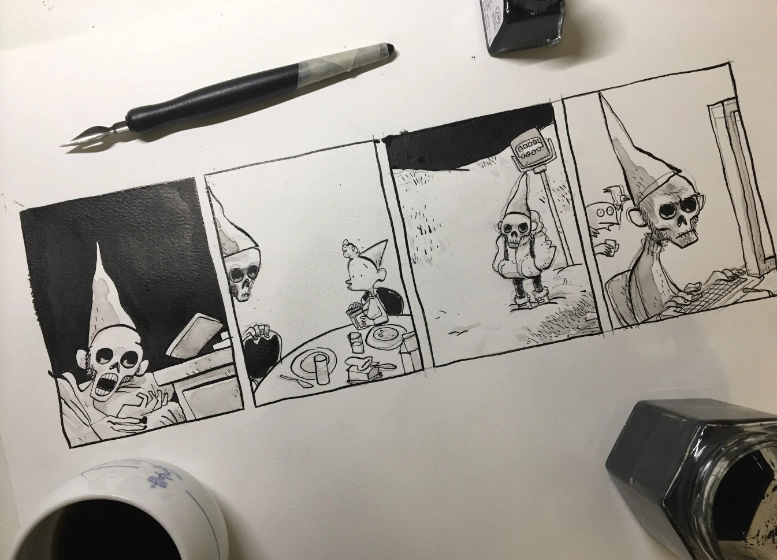
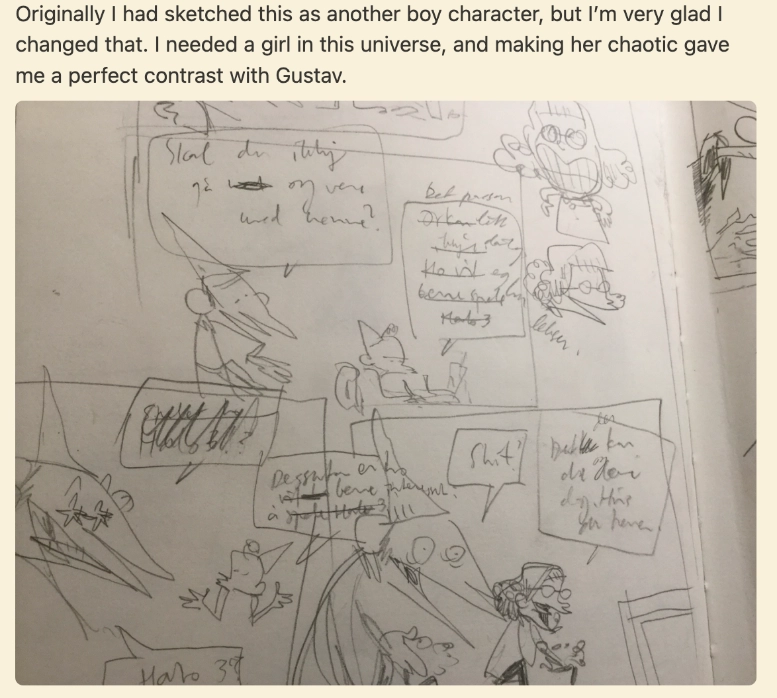
For those of you who appreciate the craft, Styve is providing commentary with each of these early strips—a peak behind the curtain to his thinking and process.
Of course, if you don’t want to wait each day for a new Dunce strip, you can buy any of the six collections in various languages. Cartoon bar tri, “Houkka” (Finnish), “Dunce” (English, French). If your flavor is Finnish, look for the new “Houkka” out this fall
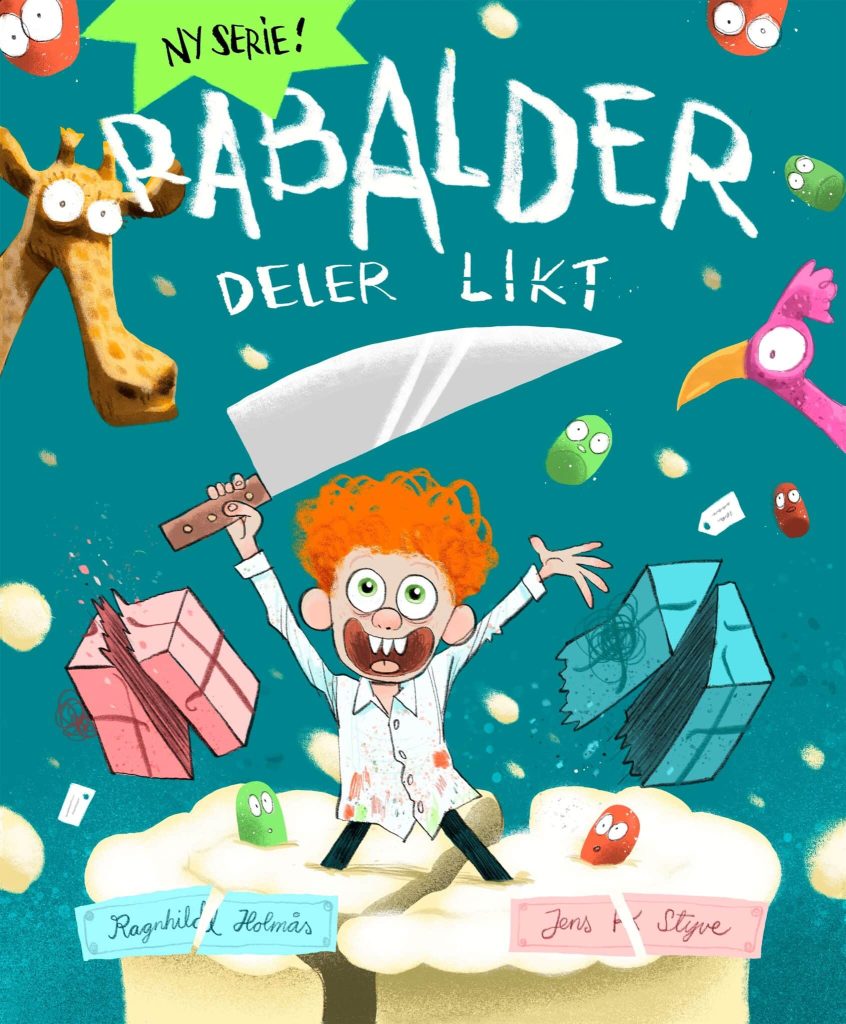
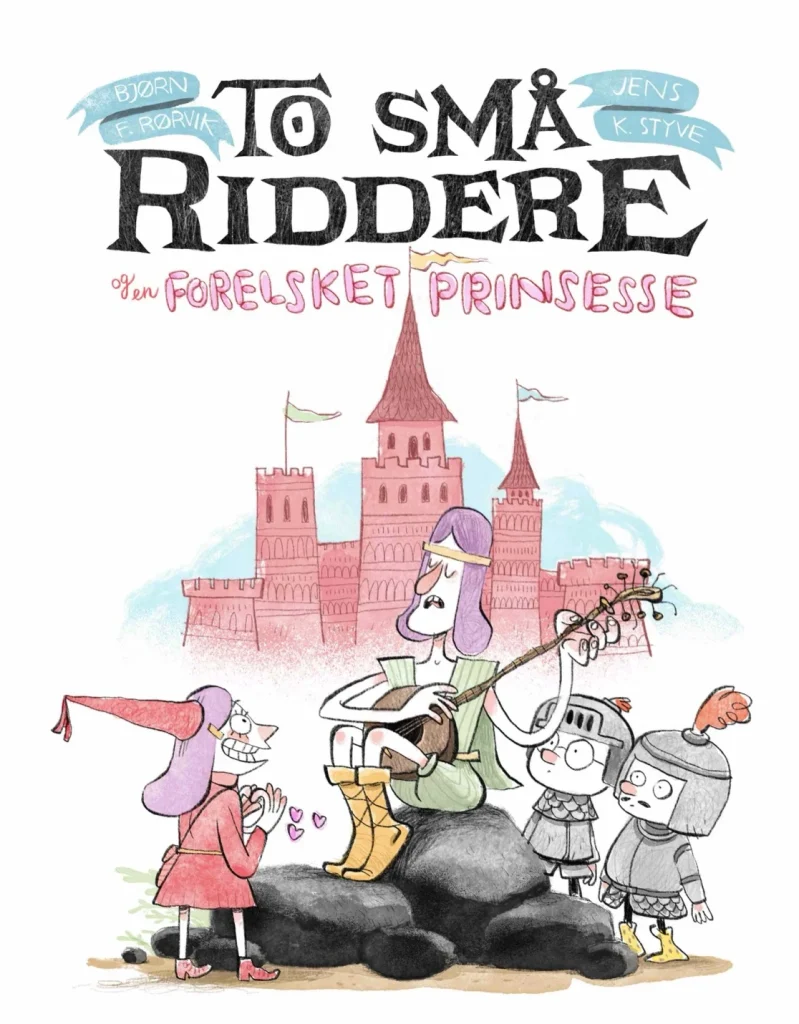
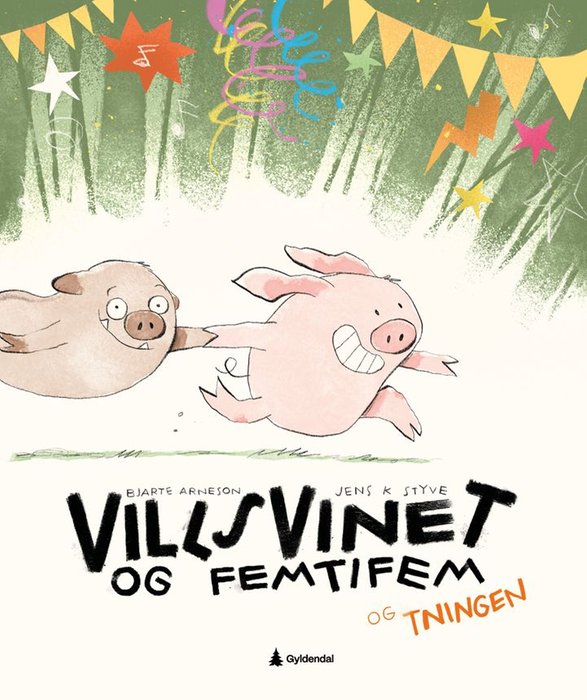
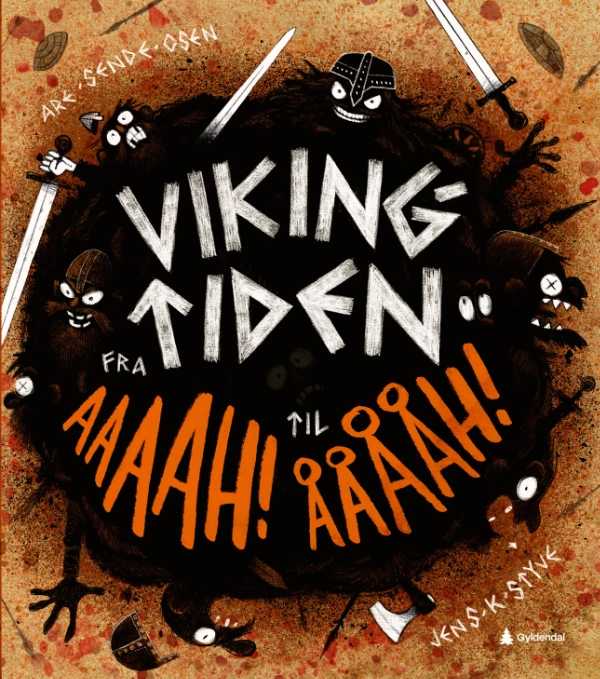
In addition to Dunce, Styve has worked on a number of children’s books. Below are the six books he’s illustrated in the last two years. Of note, the last one in this list (“Vikingtiden fra AAAAH! til ÅÅÅÅH!” or in English “The Viking Age: From AAAAH! to ÅÅÅÅH!”) just won an award for best Illustrated nonfiction children’s book. The second to the last (“Vikingbæsjen”) is about… viking poop.
Now that you know more about Styve, let’s get into…
The 10 Cartoonists that Influenced Jens K Styve
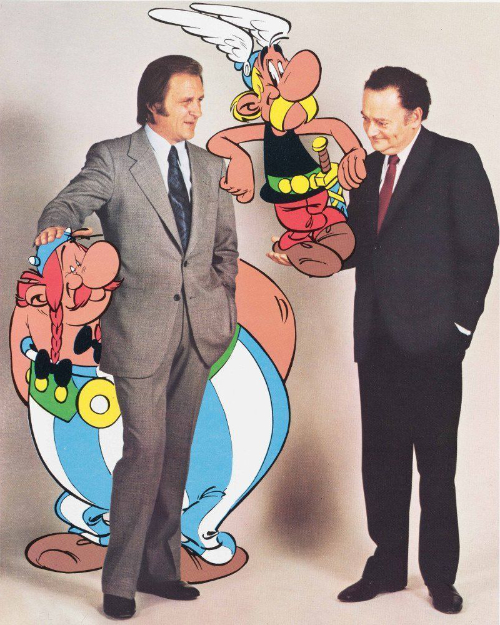
“Asterix was probably the biggest thing for me growing up. The drawings were almost shockingly good, I tried to copy them, but simply couldn’t. There seemed to be some kind of magic in it that was beyond me, and I remember thinking it would take years to get anywhere near that level. If ever.
“But Asterix was never just the drawing. Goscinny’s writing had so many layers of humor that you could reread the books endlessly and still find something new, jokes that only made sense once you were older. I still find new stuff in them now.
“My father shared that interest with me. He’d laugh at something in Asterix, I’d ask why, and he’d end up explaining some bit of history or language or reference I didn’t understand yet.”
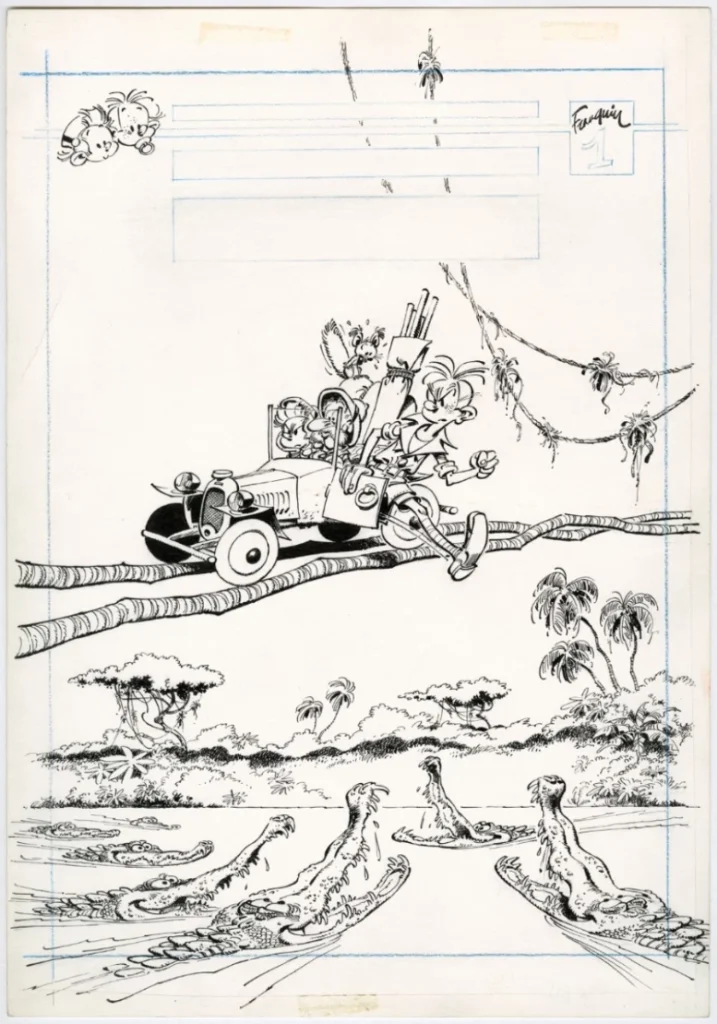
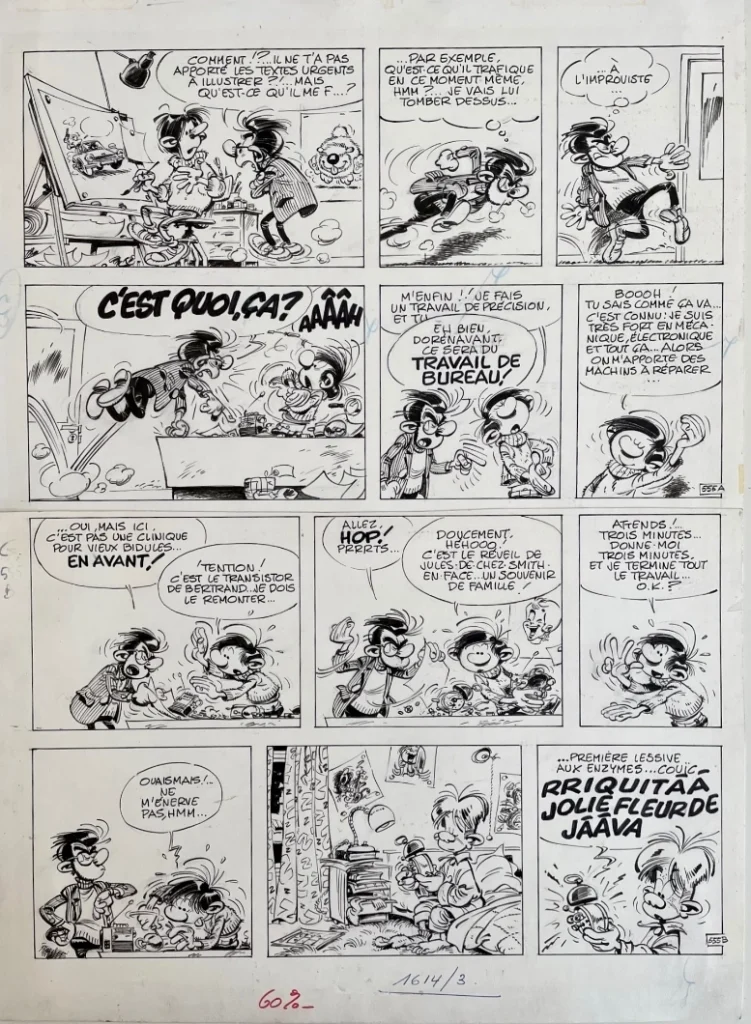
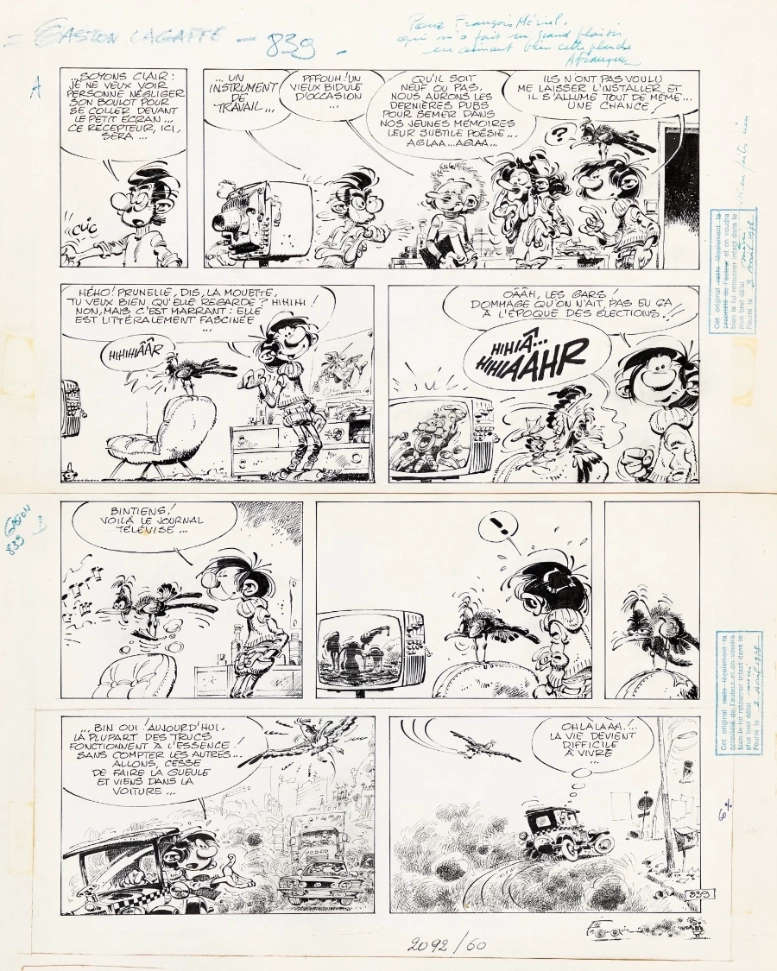
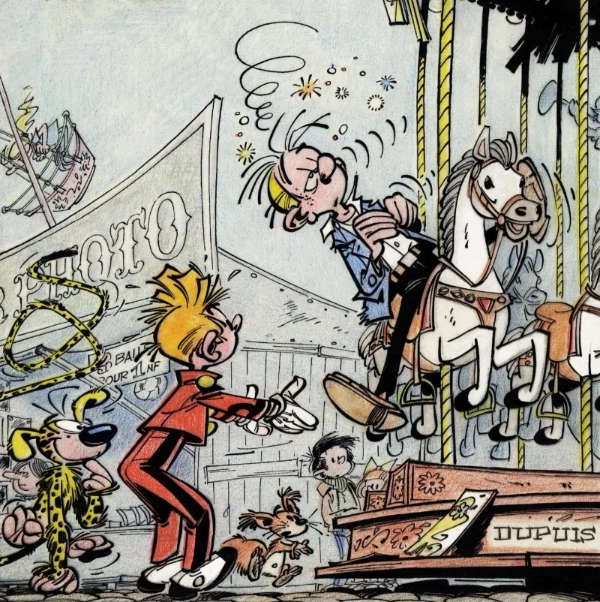
“Another artist I couldn’t copy, no matter how hard I tried. I loved the slapstick in Gaston Lagaffe (Viggo in Norwegian), but it was really the line work and the inking that got me. His characters were never static, everything moved, even though it was just lines on paper. The whole thing felt free and full of ideas: the designs, the expressions, the comedic timing.”
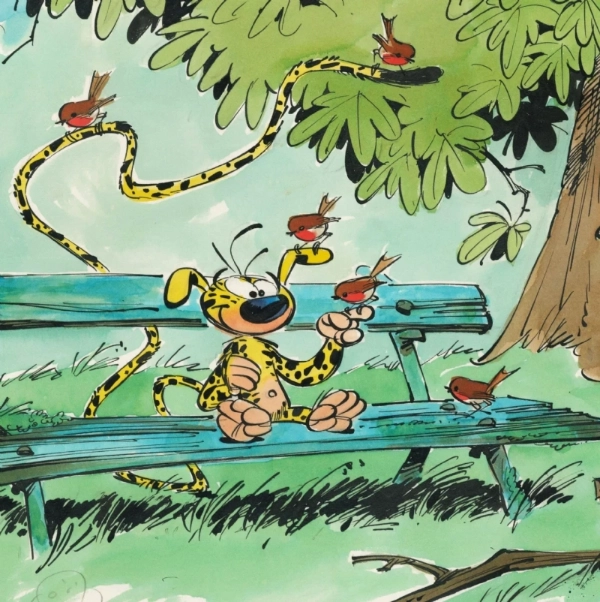
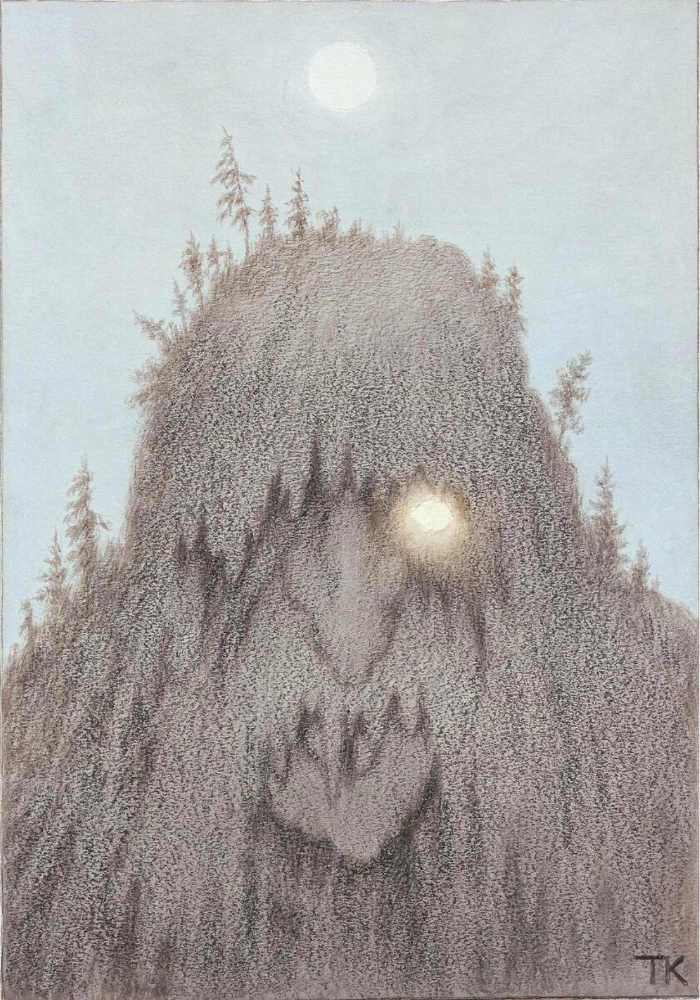
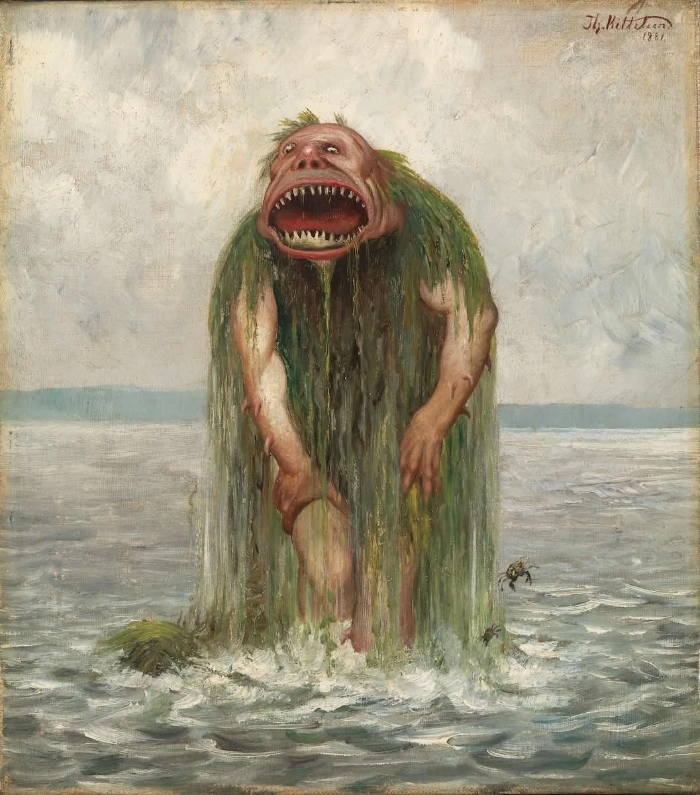
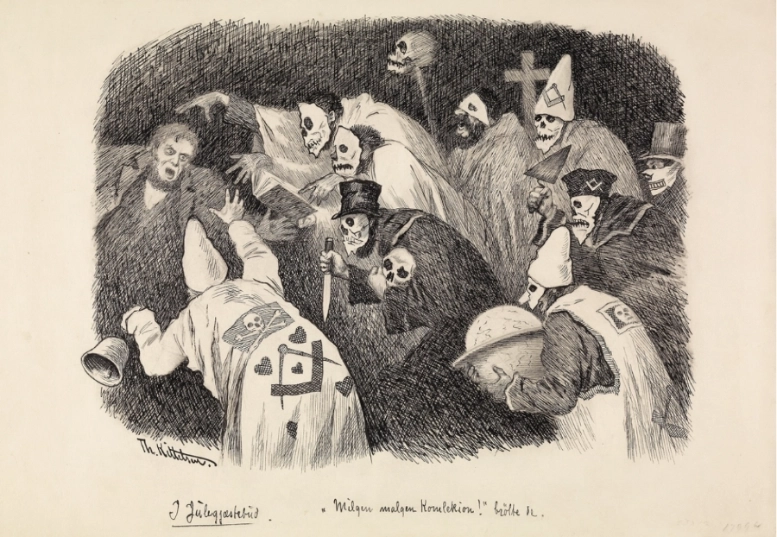
“Kittelsen isn’t a cartoonist in the usual sense. (Maybe he’d be one if he were alive today?) But his drawings are part of the visual bedrock of growing up in Norway. The trolls, the forests, the strange creatures and the darkness never felt like the work of one particular person to me; they felt like they belonged to the folk tales themselves, like bark on a tree. I don’t think I even thought of Kittelsen as an individual artist, only later, looking at him more consciously, did I realize how much that atmosphere had shaped me.”
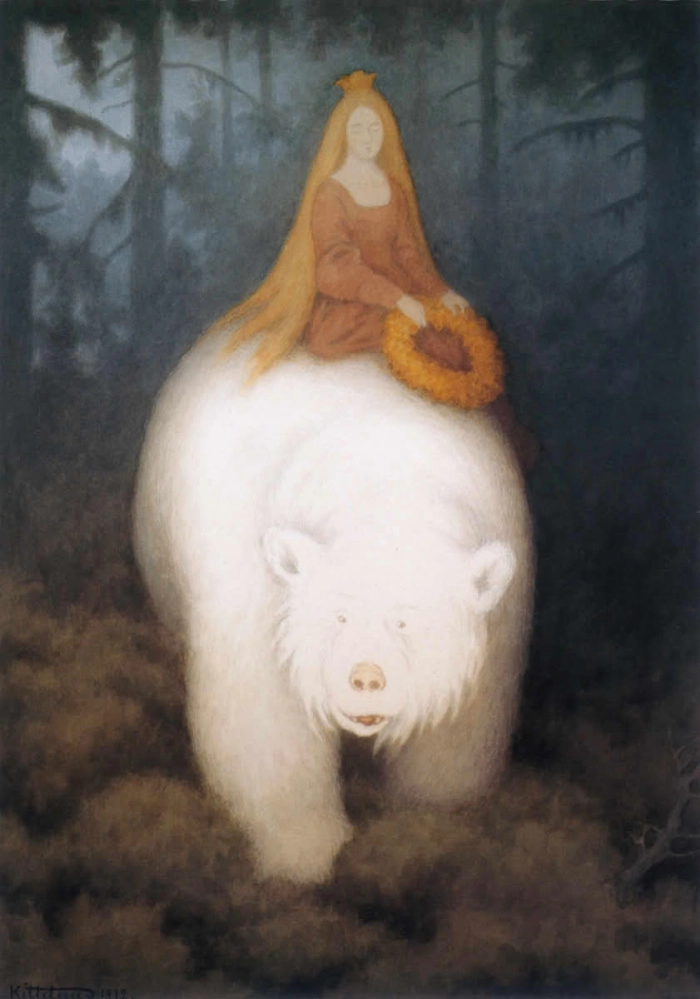
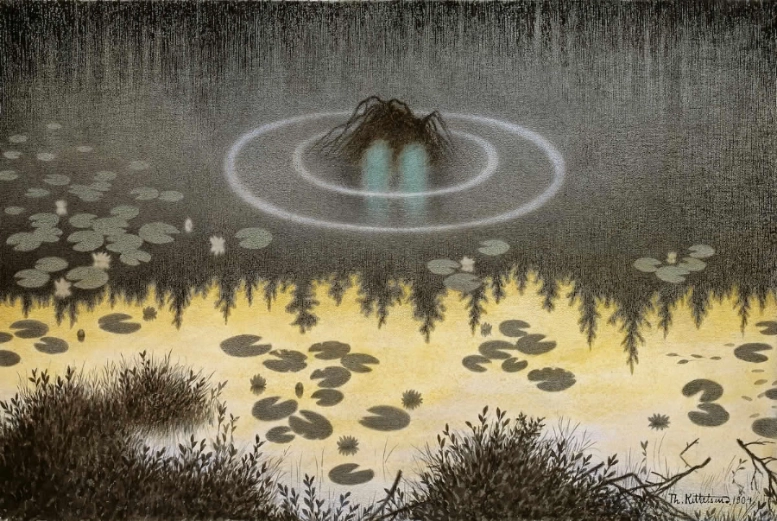
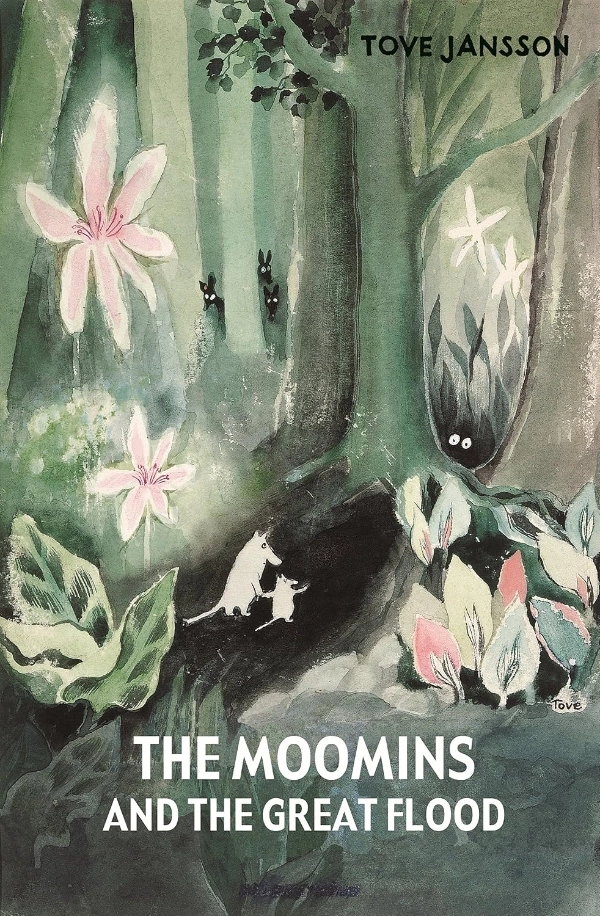
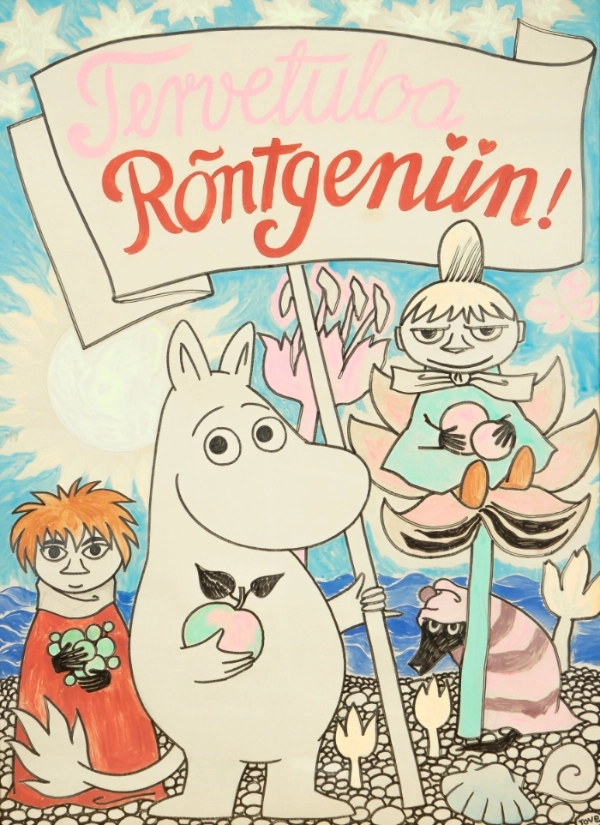
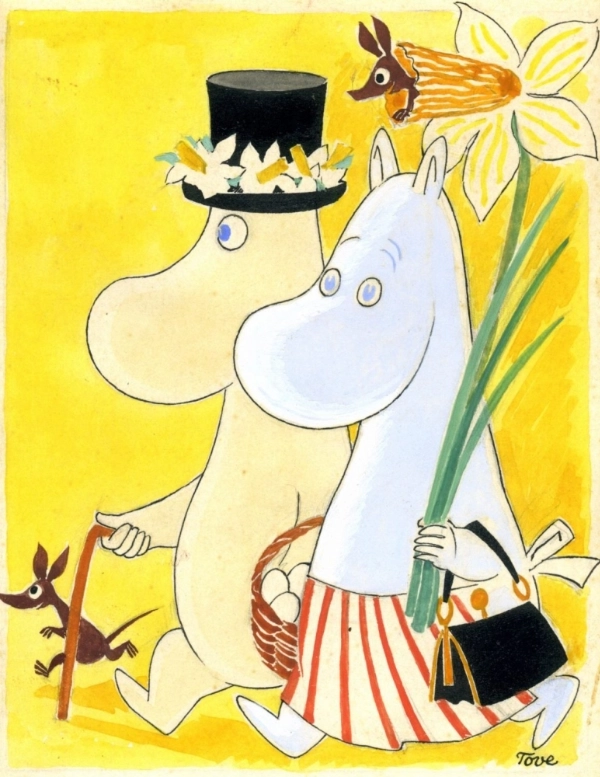
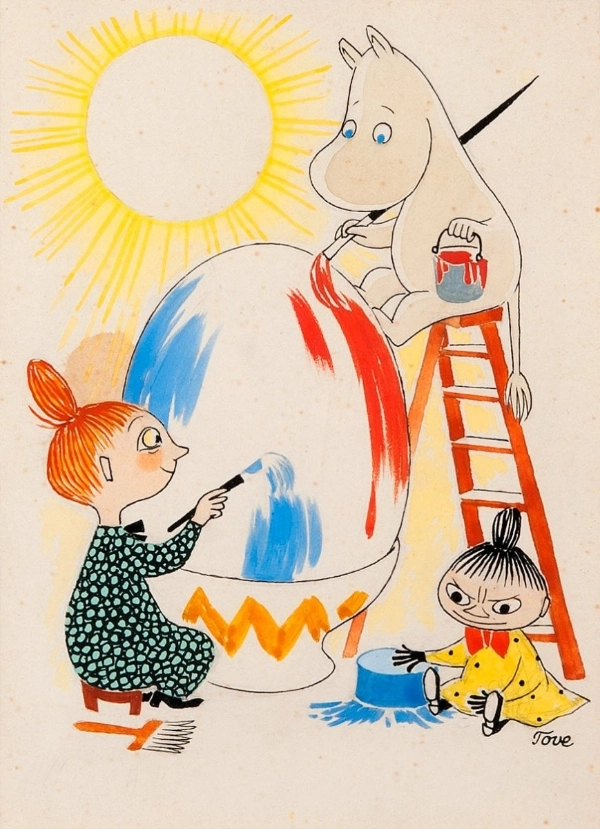
“Similar story. Her world was simply always there, less something I discovered than something that had always existed. There’s an inevitability to her drawings, as if they grew rather than were made. She still matters a lot to me.”
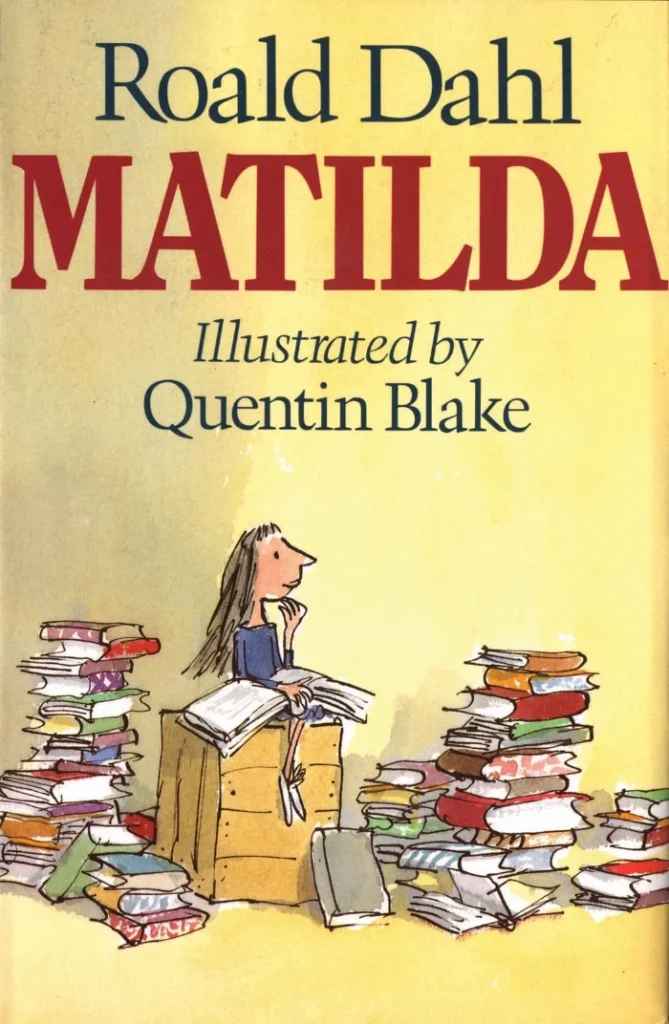
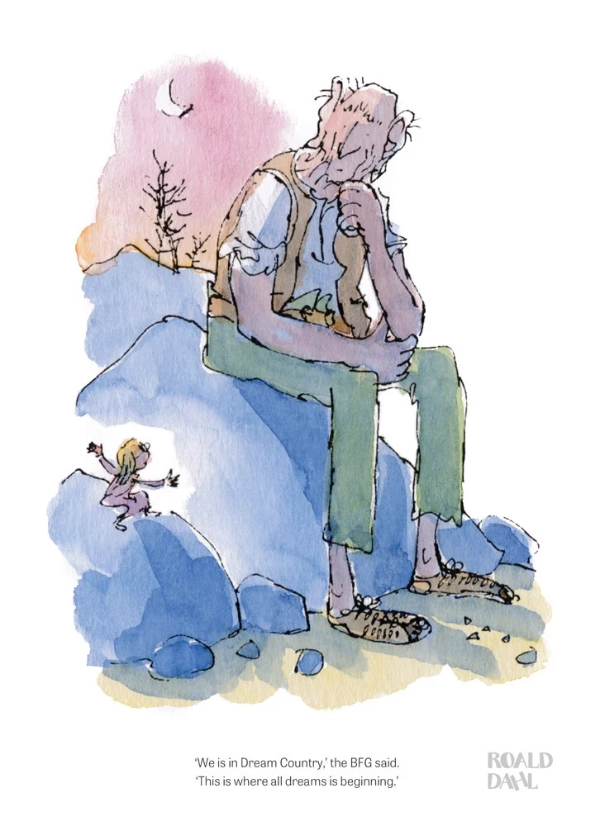
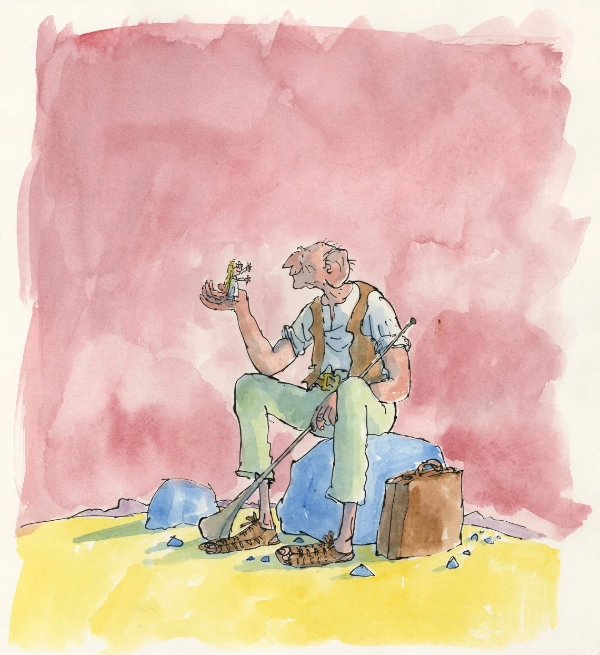
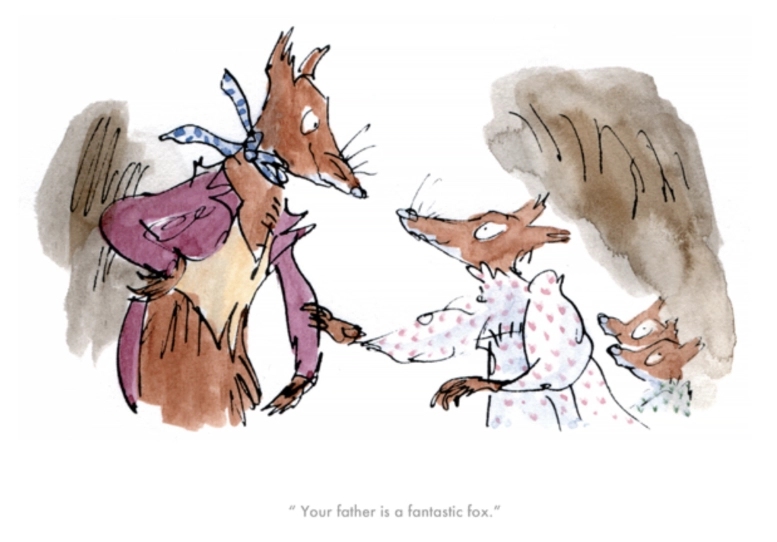
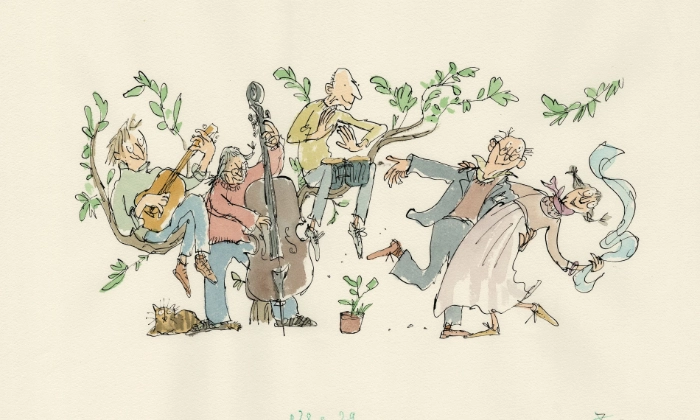
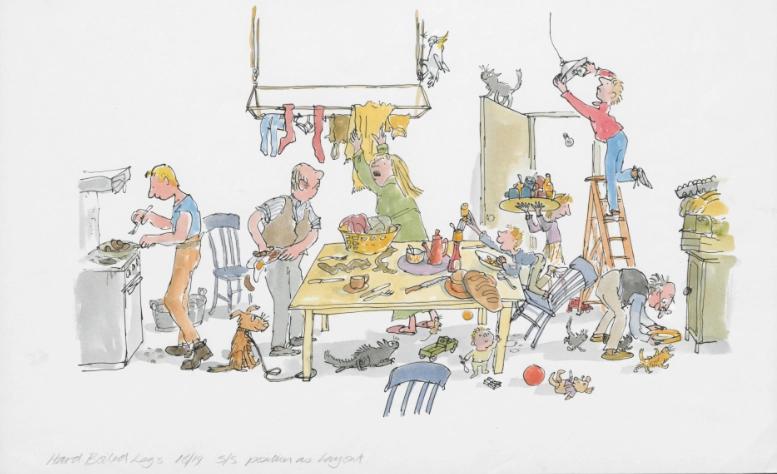
“What gets me about Blake is the playfulness. His drawings, often inked with gray washes for tone and shadow, never lose that sketchbook looseness. You can tell he’s having fun. Paired with Roald Dahl’s stories, that liveliness taught me something I still hold onto: a drawing sometimes gets better when it’s spontaneous than when it’s polished and overworked. Simple to say, surprisingly hard to actually live by, even once you know it’s true.”
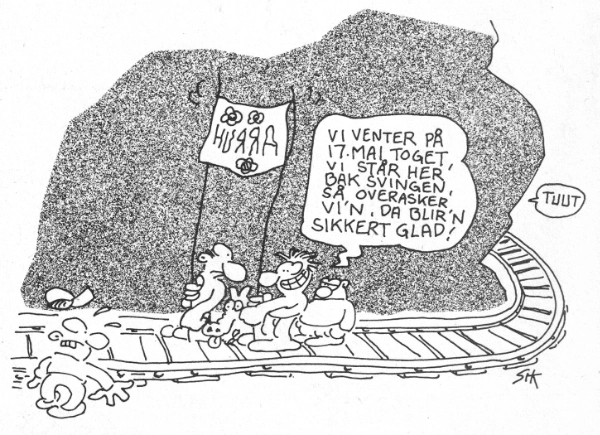
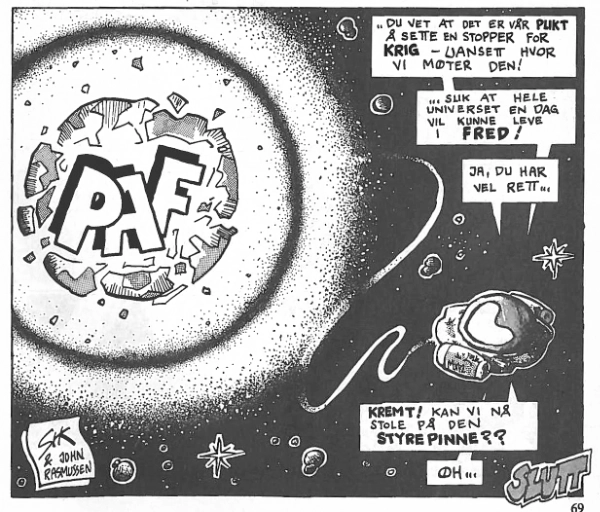
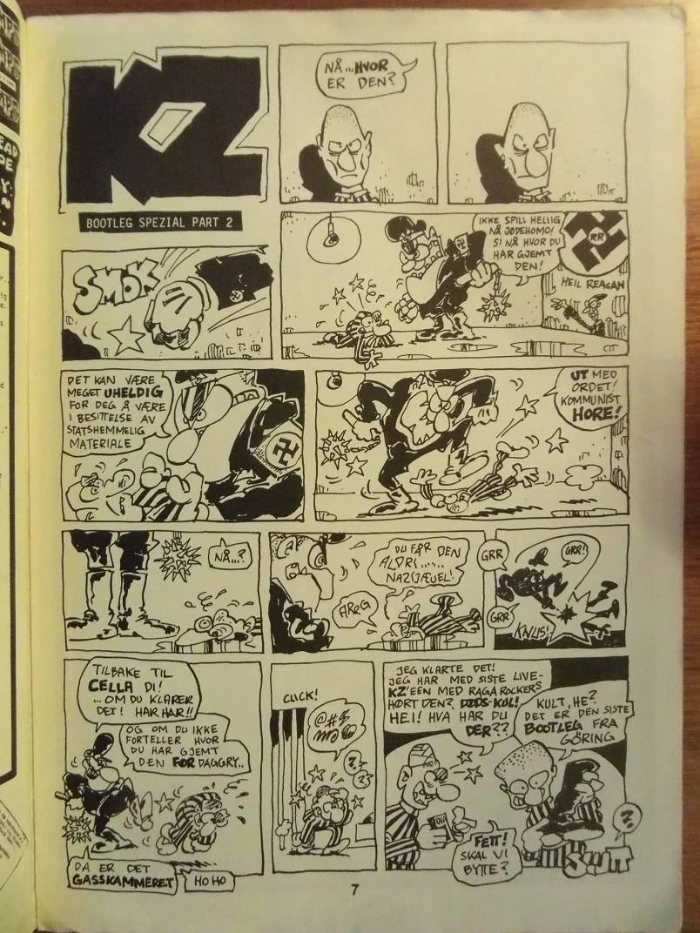
Sverre H. Kristensen
“A Norwegian/Danish underground cartoonist who mattered enormously to me as a teenager. His fanzines were an eye-opener: the dark humor, the nib-and-ink drawings, the punk attitude, but mostly the sense of freedom. His work said: don’t wait for permission, don’t wait for an editor, don’t make what someone else thinks you should make. Just make it and put it out.
“That DIY attitude stuck with me, and it connects to something I still love about comics specifically: one person can do almost everything. Making a film means actors, technicians, funding, a whole apparatus. With comics, an idea and a pen is enough to start. When I read one, I know I’m often very close to a single person’s mind and hand. Comics might be the most personal of the visual mediums. They have the intimacy of literature, but they’re also completely visual.”
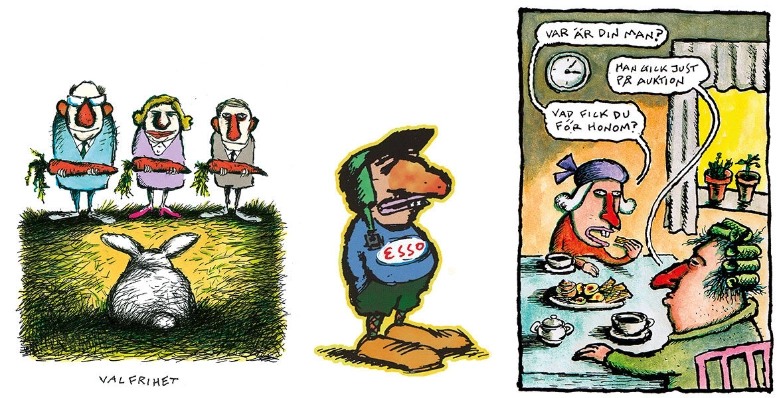
“A different kind of freedom. Lundkvist’s line is like his humor: confident, absurd, unmistakably human. Nothing feels over-controlled. And there’s an enormous richness of ideas in his work; looking at it made me want to go make things myself.
“That’s part of why I’ve been more drawn to sketchbooks than finished drawings since my teens. I like catching the moment where the drawing is still alive.”
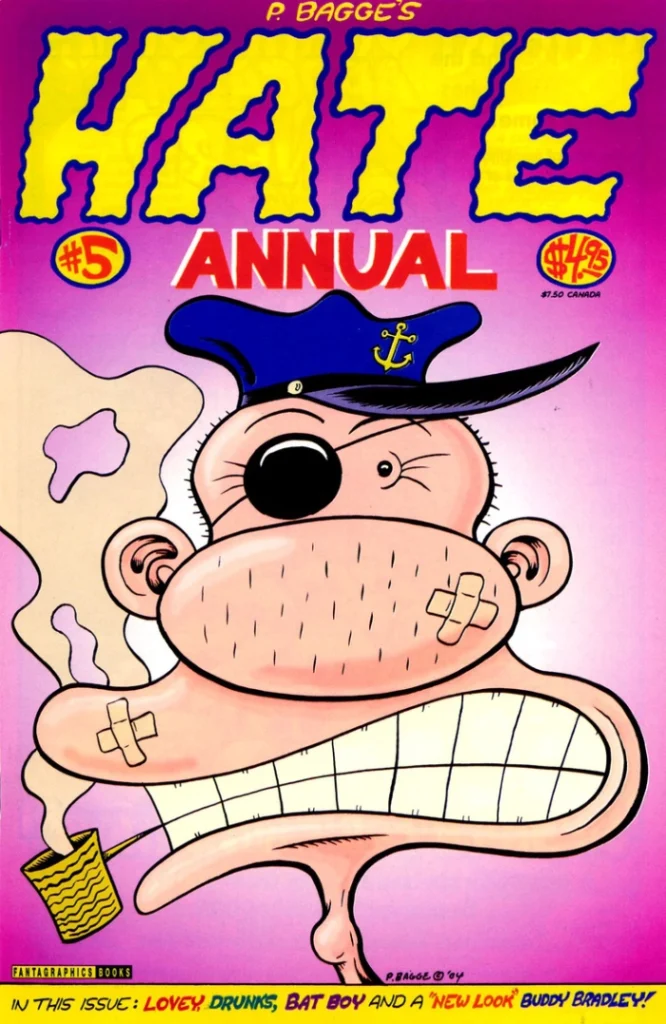
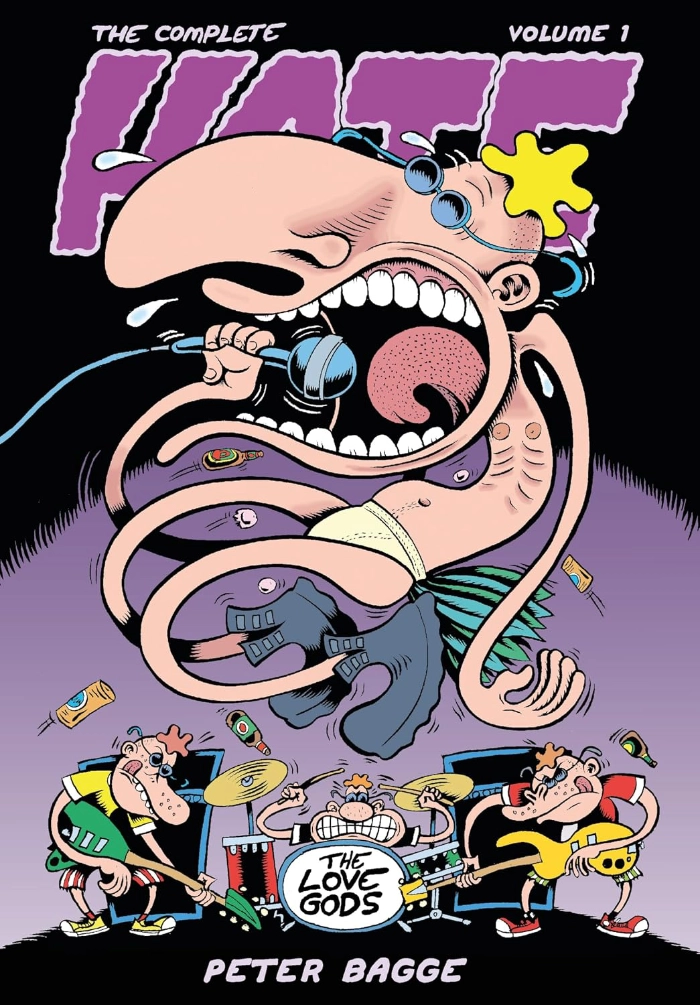
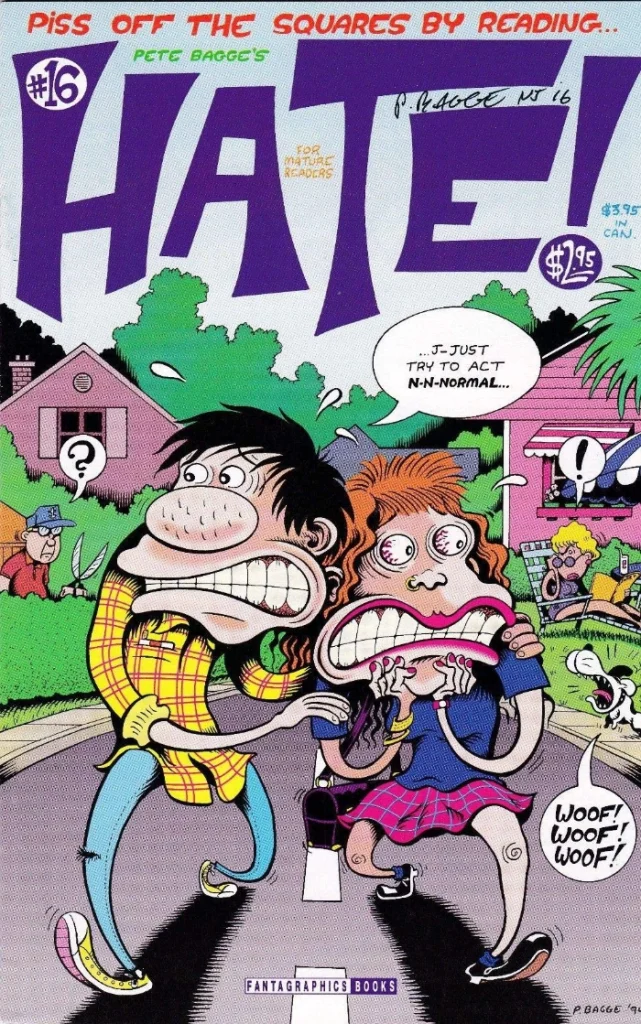
Peter Bagge
“As a university student, I picked up an issue of Hate. I think it was issue five. The drawings struck me as almost ugly at first, but funny in a way that pulled me in. What really hooked me was the writing. Hate nailed the early ’90s. I was a young student myself, listening to loud music, going out, surrounded by friends, girls and chaos, and it read like a satire of my own life. It also ran like a soap opera: a new issue every six months (if we were lucky), and you had to wait and wonder what was going to happen to these people. Then something seriously heavy would happen to one of them, and that hit me harder than I expected. It made the whole thing feel strangely close to real life. I still get the same pleasure rereading those issues now.”
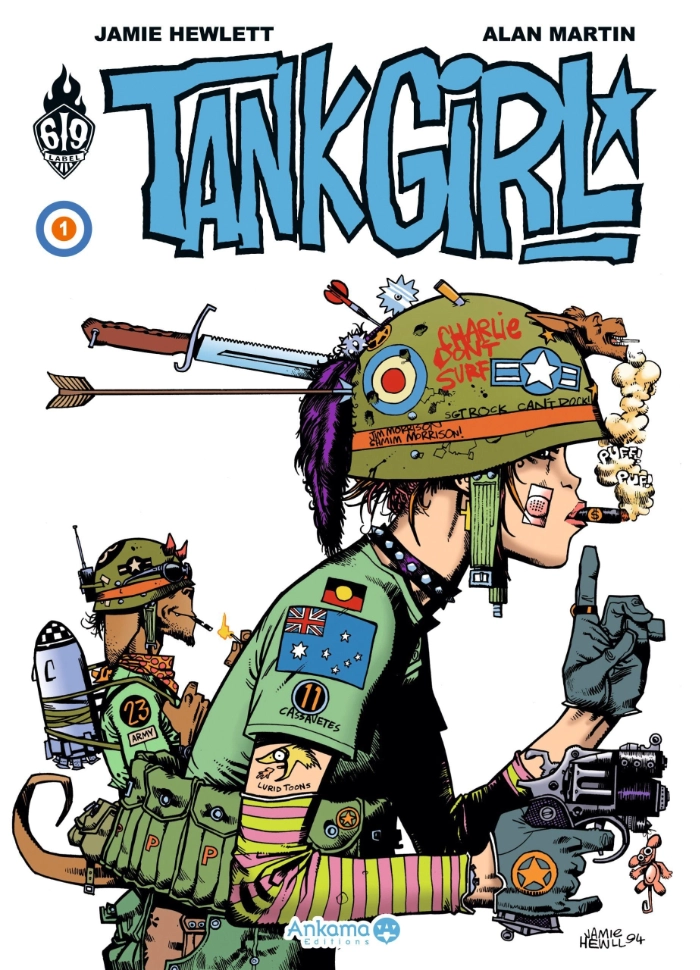
“I’m going to allow myself one slightly pathetic brag: I discovered Jamie Hewlett very early. I was a computer nerd in the 1980s, and he did illustrations for Commodore User. Something about those drawings caught my attention immediately. Then, as a student around 1991, I found the first Tank Girl collection. That was mind-blowing. Hewlett had the drawing skills, but also the humor, energy and punk attitude. He combined craft with irreverence, and that combination has stayed important to me ever since.”
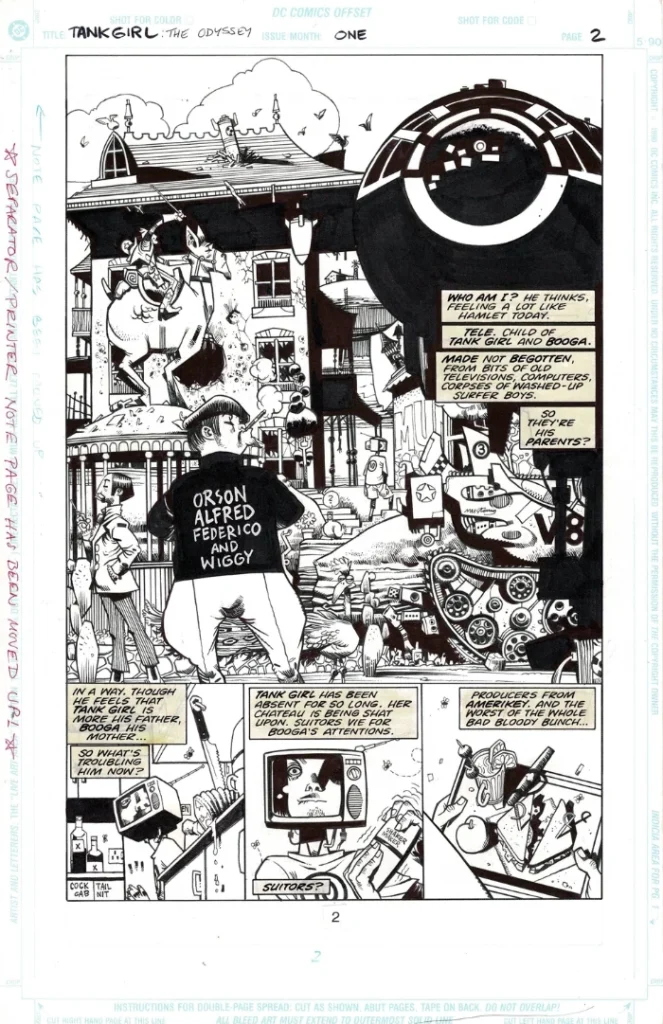
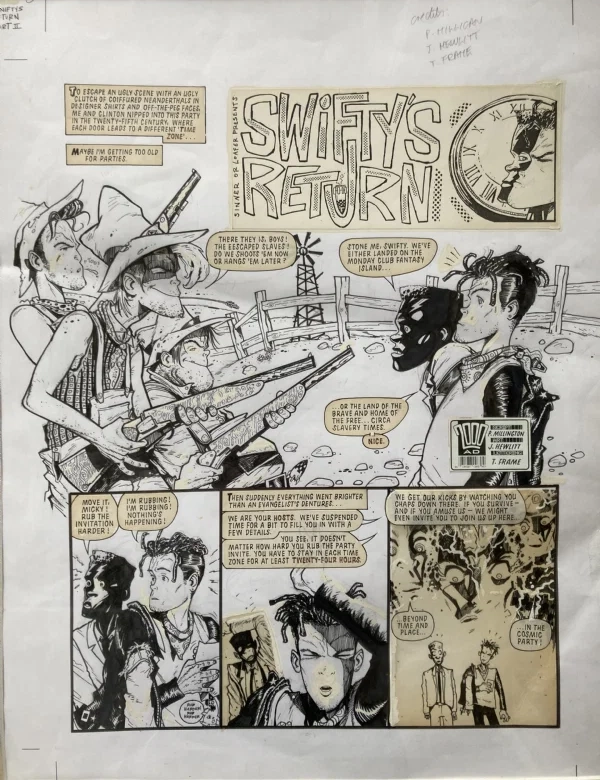
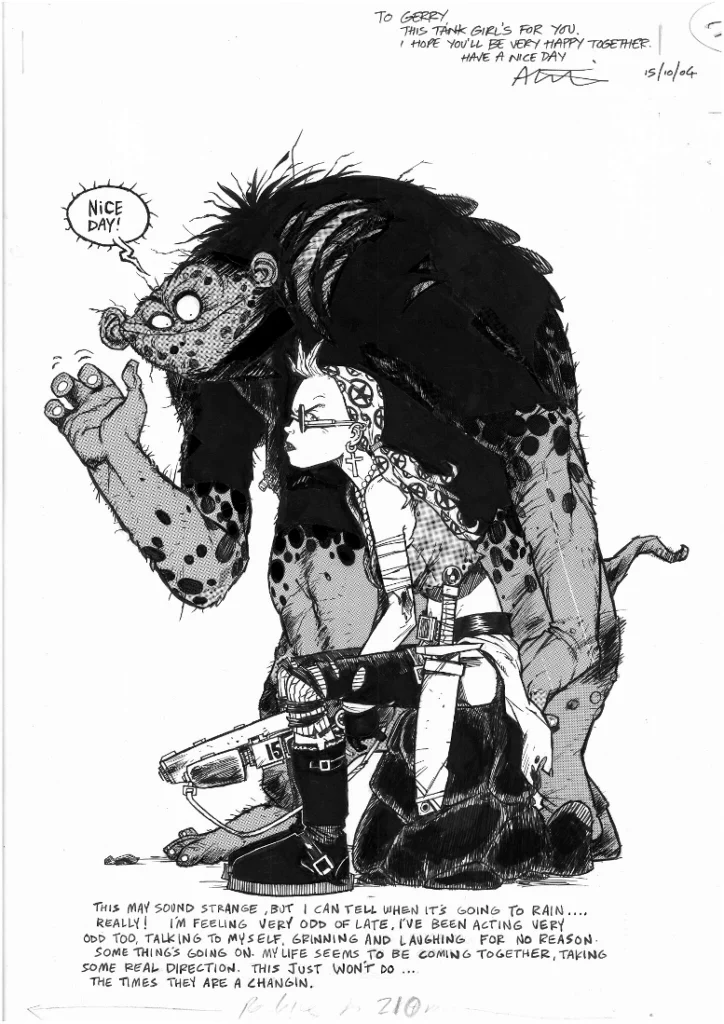
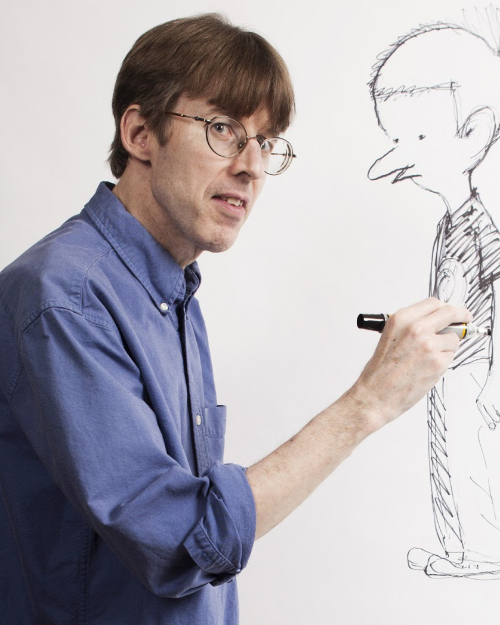
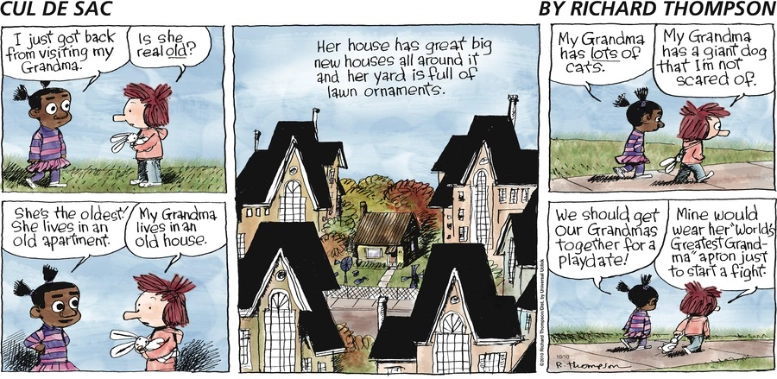
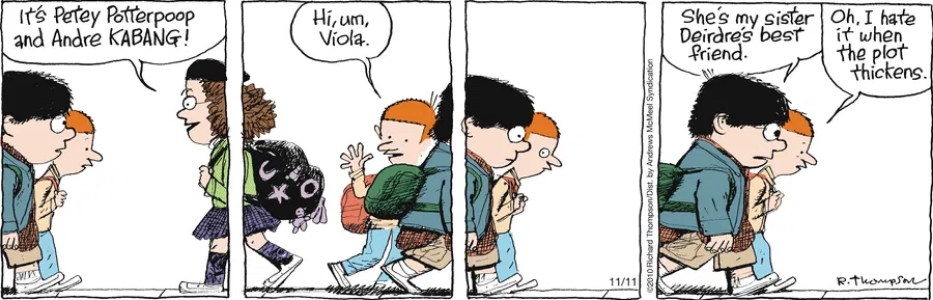
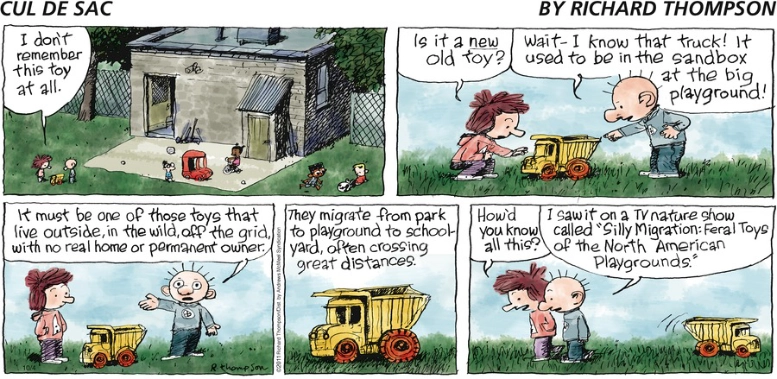
“When I got interested in making a newspaper strip, I started looking hard at what actually makes that format work. I’d grown up on Peanuts and Calvin and Hobbes, so I already knew there was something in it I loved. Then I found Richard Thompson’s Cul de Sac, and it opened a door: the traditional strip format could still be personal, strange, loose, contemporary.
“When I started developing Dunce, I was trying to bring together two halves of my own background: the craft of Schulz and Watterson, and the rugged, spontaneous, punk energy of the underground comics I grew up on. Thompson’s own drawing and writing are too much his own to copy, but he helped me see that those two halves could actually live in the same strip.”

Bonus: The 3 Cartoonists Jens Admires
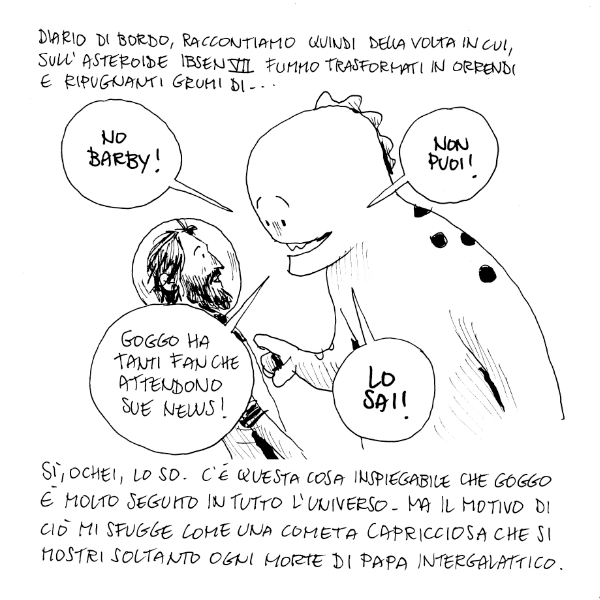
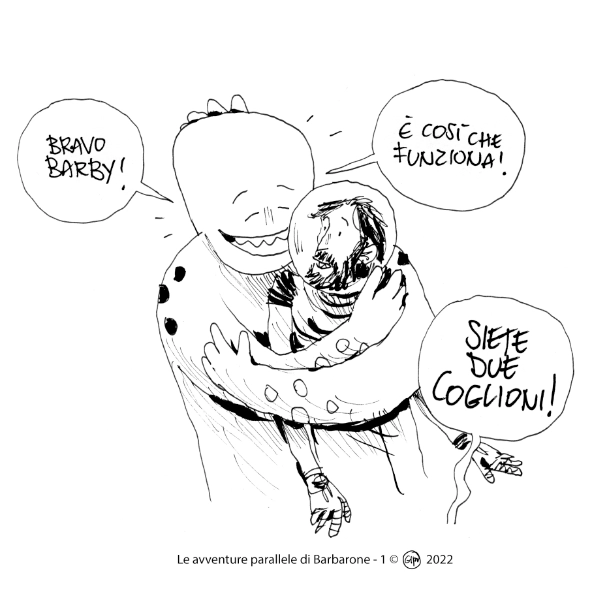
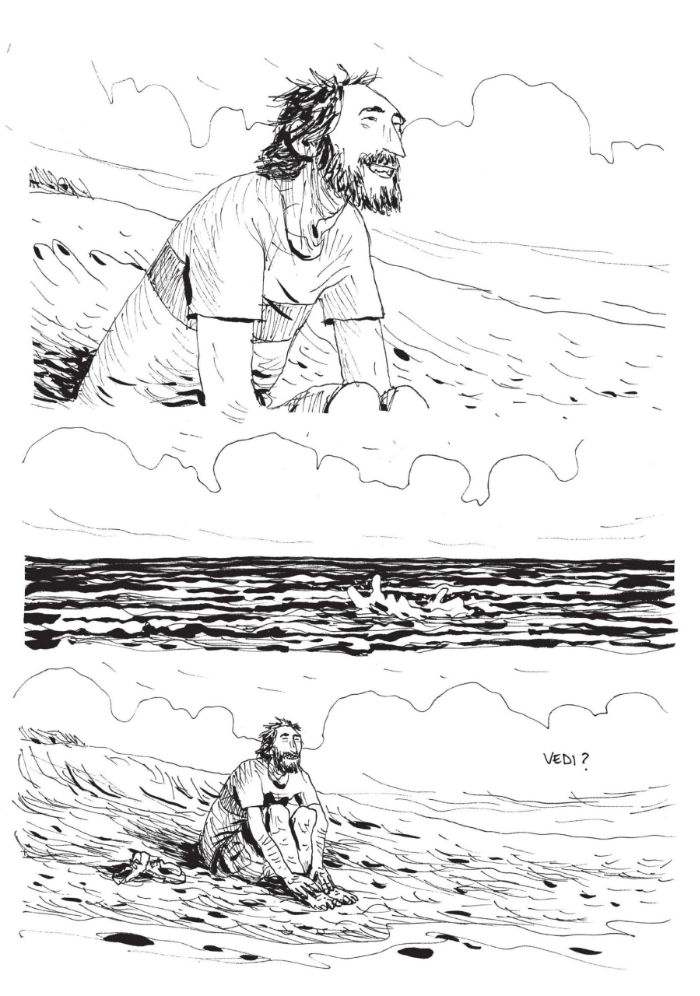
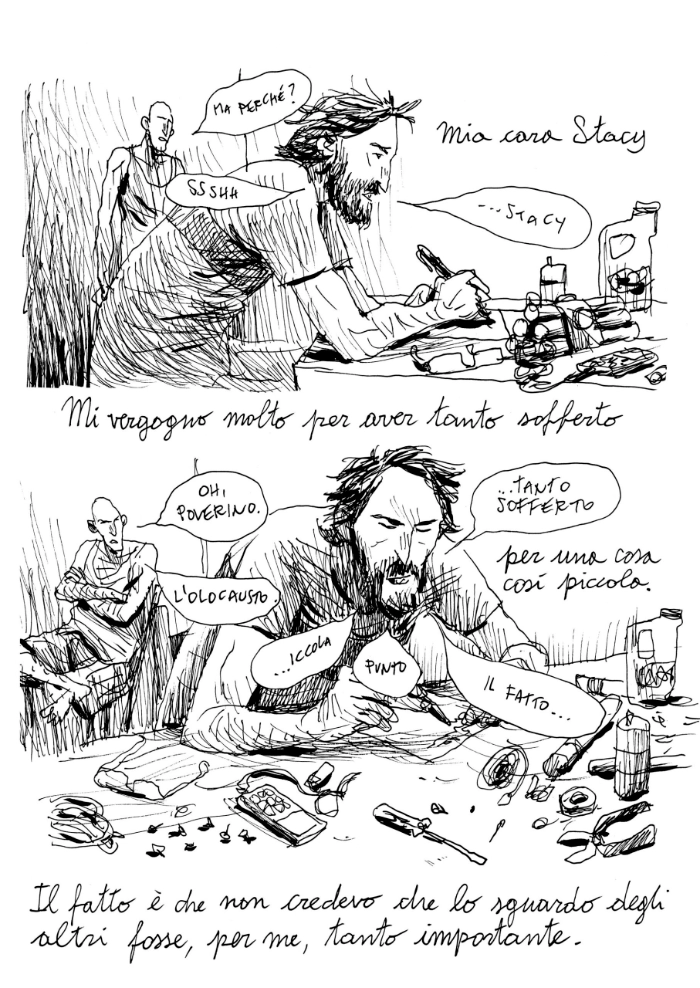
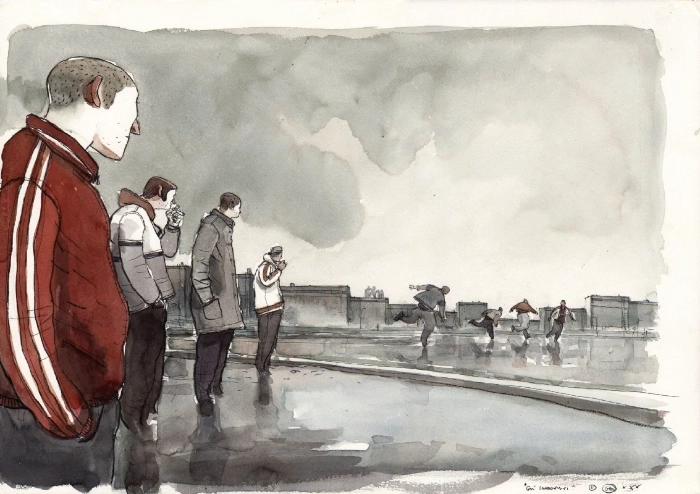
“Gipi is one of those artists who makes me think: how is this this good? The lines, the looseness, the attitude. He’s clearly extremely skilled, but he doesn’t seem interested in proving it constantly. He lets the work go sketchy and rough when that’s what it needs. That confidence is hugely inspiring. There’s a punk quality in the work, but also real craft.”
“You can see the enjoyment in every line Cadwell draws. Underneath that joy is real skill, a distinct visual language and a strong comedic sensibility. He can also tell genuinely serious stories in an extremely cartoony style. That mix of playfulness and gravity is a big inspiration.”
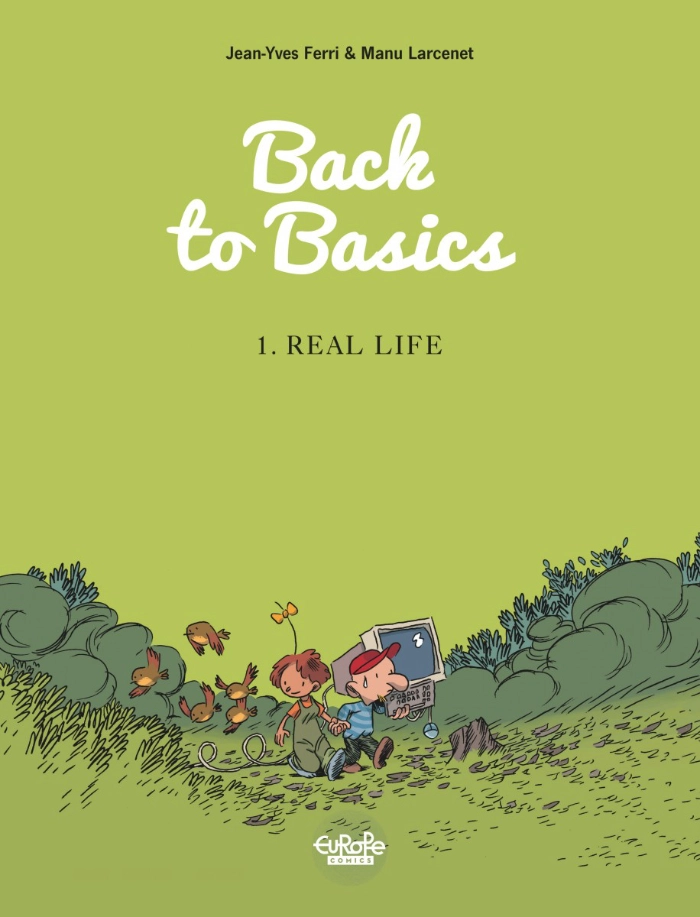
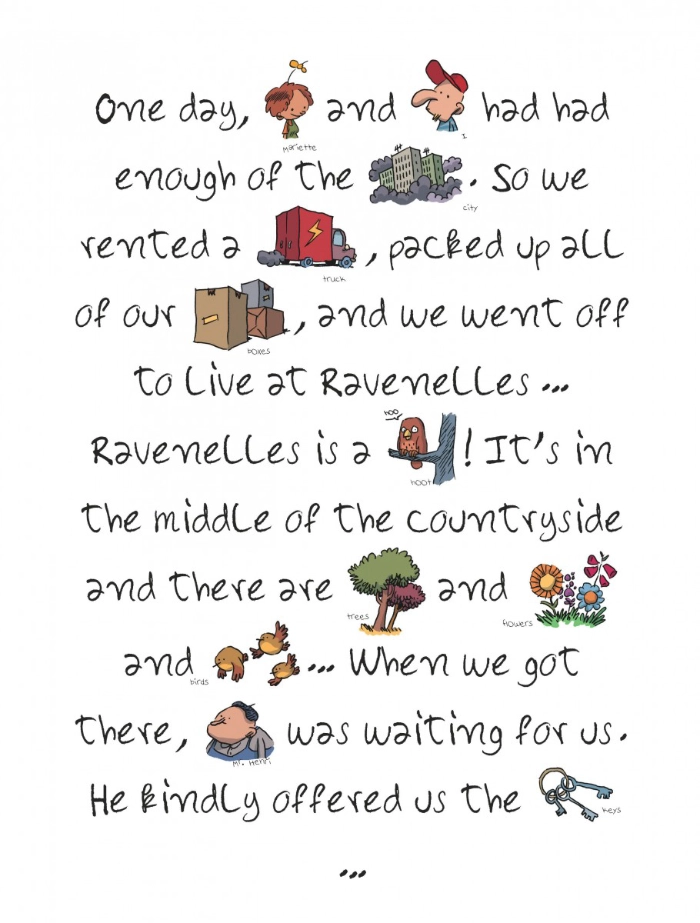
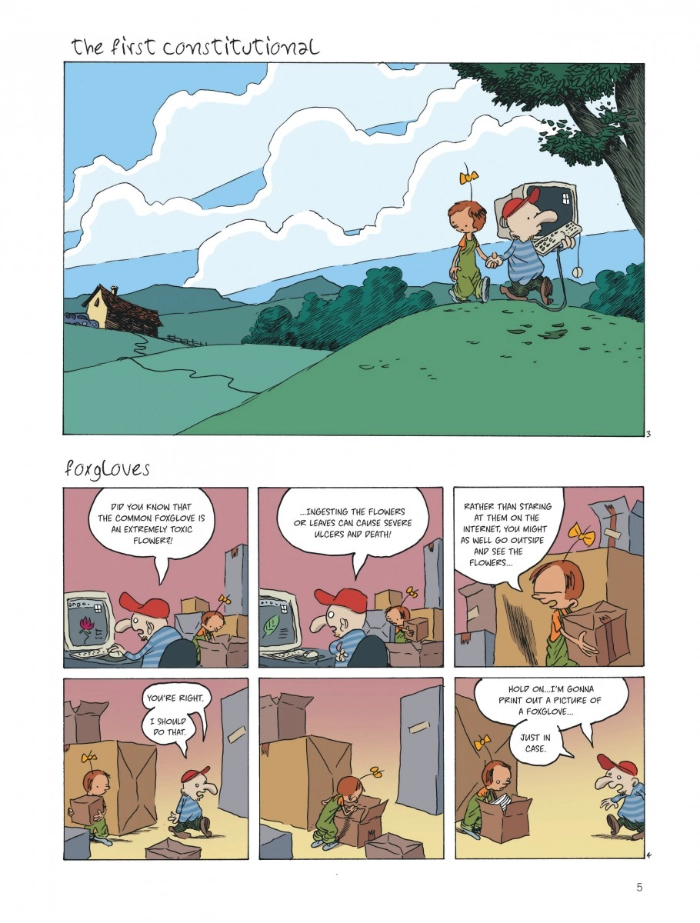
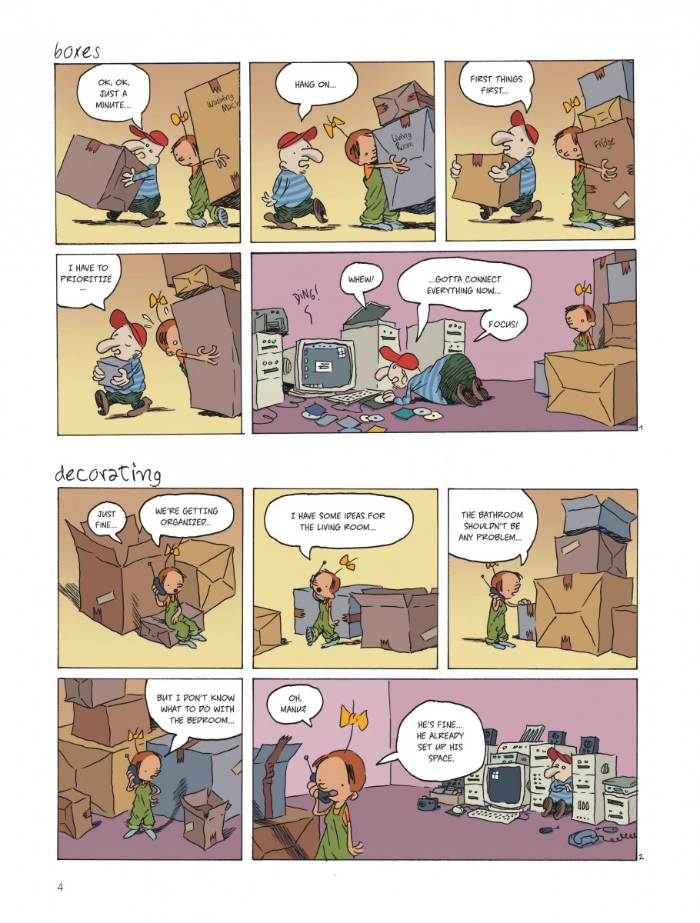
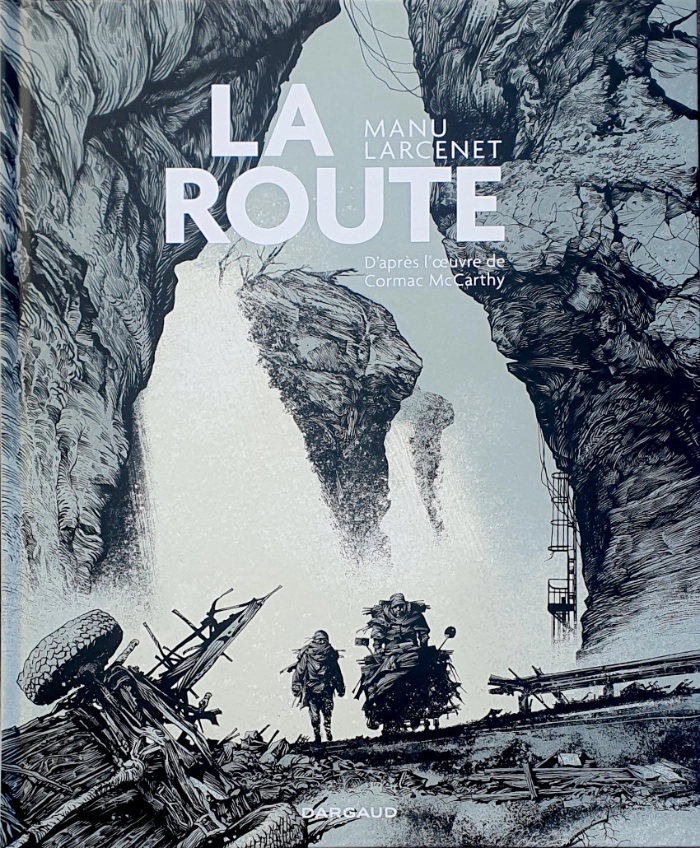
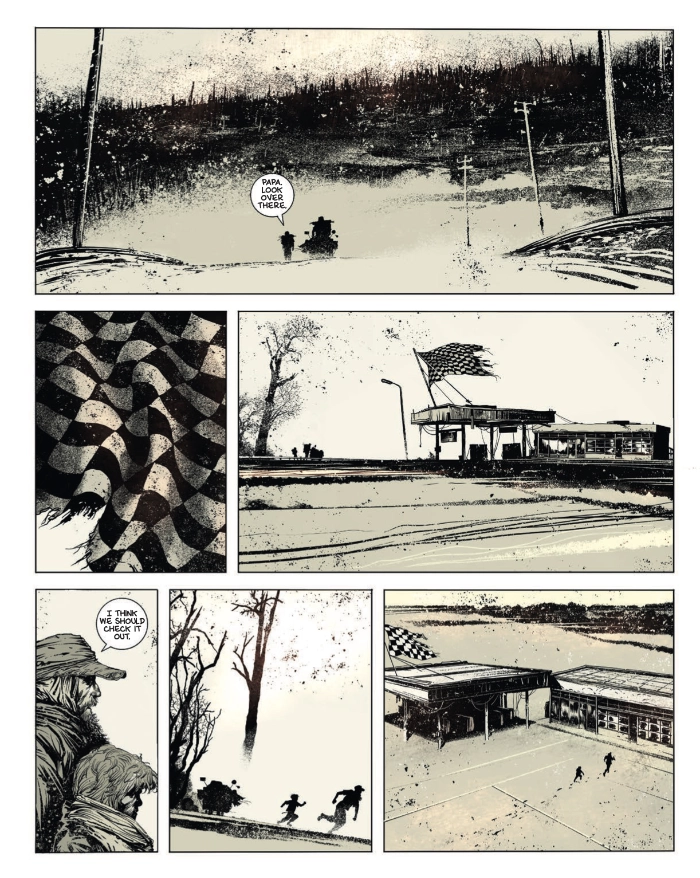
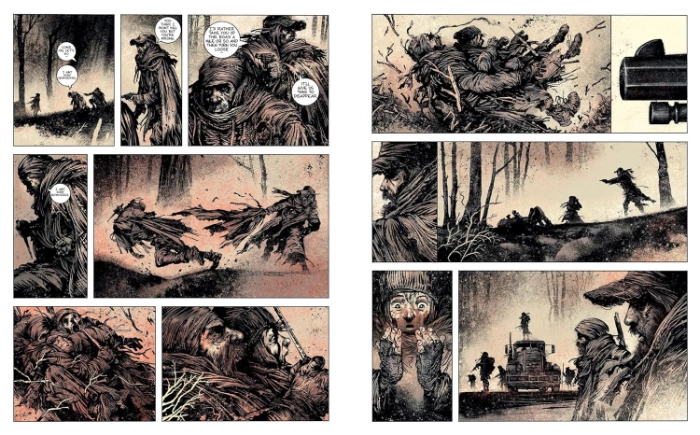
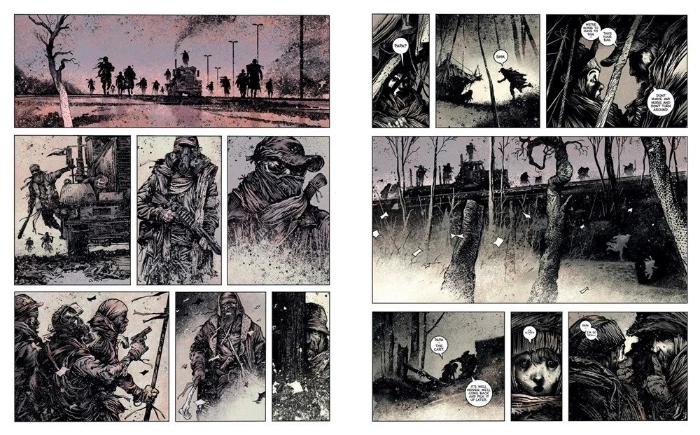
“Larcenet’s range is remarkable: brilliantly funny and cartoony in something like Back to Basics, then working in a completely different, dramatic and visually intense register for his adaptation of The Road. Despite that range, the work always feels personal and organic: real craft and control, but with a free, almost anarchic nerve running underneath.”
You can follow Jens on the socials (Bluesky, Facebook, Instagram, and Substack) and of course his homepage.
Thank you, Jens for sharing with us your list of cartoonists who influenced you and those you admire.
