

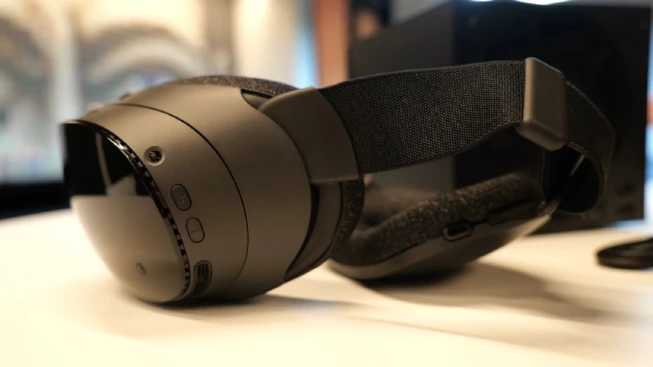
Steam Frame and Pimax Dream Air SE offer different VR experiences across standalone gaming, PCVR performance, comfort, and display quality.
Virtual reality headsets offer different gaming approaches, from standalone wireless experiences to PC-connected systems that prioritize display quality and performance. The Valve Steam Frame and Pimax Dream Air SE target different users, with differences in resolution, comfort, tracking, price, and hardware requirements.
Both have advantages and limitations, so the best choice depends on how you’ll use the headset. Steam Frame is Valve’s wireless standalone VR headset. It features LCD panels with 2160×2160 resolution per eye, a 110-degree field of view, up to 144Hz refresh rate, eye tracking, wireless streaming dongles, and controllers designed for VR gaming.
Steam Frame and Pimax Dream Air SE Specifications
Pimax Dream Air SE is the headset’s inside-out tracking version. It connects to a PC through a DisplayPort cable, eliminating battery concerns. It features micro-OLED panels with a 2560×2560 resolution per eye, a 105-degree field of view, up to a 90Hz refresh rate, Tobii eye tracking, and standard VR controllers.
Pimax Dream Air SE weighs 150g with the Pro Fit facial interface. Its size and weight make it comfortable to wear, although it also has several problems that affect the overall experience. Steam Frame has received praise for its 440g weight, balanced design, and comfort. However, Valve should have included the ergonomic kit as standard.
The straps are easy to adjust and hold the headset against your face, but they loosen during play sessions, causing the headset to move around. Valve could have addressed this by including locking clips or using a tighter fastening mechanism. A top strap would prevent the problem, but it isn’t included with the headset, which is hard to justify at this price.
Steam Frame is comfortable, but doesn’t fit perfectly. Pimax Dream Air SE is much smaller. Although the Steam Frame is not a large headset, it looks considerably bigger next to the SE. With the Pro Fit facial interface, the SE weighs just 150g. Studio Form designed the interface for Pimax. If you need reading glasses, you will have to buy prescription lens inserts.
Steam Frame vs Pimax Dream Air SE Pricing
Steam Frame costs £889 for the 256GB kit and £1,089 for the 1TB kit. You will also need the ergonomic kit to use the capacitive finger-tracking features, which adds another £59 to the total cost. Availability is another problem. Unless you are willing to pay a scalper on eBay, you may have to wait until 2027 to get one.
Even the Steam Controller remains difficult to obtain. Pimax Dream Air SE Slam Edition costs $1,112 after taxes and shipping. The Lighthouse version is cheaper at £834, but you must already own compatible base stations and controllers. Both Dream Air SE versions are on back order until November, though Pimax is shipping units to existing customers.
The company is also sending the Pro Fit facial interface to existing customers who did not receive it with their headsets, free of charge. The price difference depends on the version you choose. The Slam Edition costs slightly more than the Steam Frame’s 1TB kit, while the Lighthouse version costs less but requires additional compatible hardware.
Steam Frame and Pimax Dream Air SE offer different benefits for different gaming habits and budgets.
If you enjoy sim racing or flight simulators and want to keep costs down, the Pimax Dream Air SE is worth considering. It offers many of the features found in the more expensive Pimax Dream Air, including micro-OLED displays, Tobii eye tracking, and inside-out tracking. Its small size, low weight, and comfortable fit make it suitable for extended sessions.
The lower display resolution also reduces the demands on your PC. Despite its issues, the headset offers an accessible way to experience micro-OLED VR. Meanwhile, Steam Frame has replaced the Meta Quest 3 as a primary VR headset for general use because of its flexibility. It supports standalone gaming and wireless PCVR, giving it a range of uses the PC-connected Dream Air SE doesn’t offer.
However, the Steam Frame’s current experience is underwhelming, especially its user interface, battery life, and image clarity. Its availability is also limited, with orders potentially delayed until 2027. If you already own a Quest 3, it may be better to keep it and wait to see what the next year brings.
Ultimately, the Dream Air SE is worth considering for users who prioritize micro-OLED displays, comfort, and simulation games. Steam Frame makes more sense for those who want a flexible headset for standalone gaming and wireless PCVR, provided they are willing to accept its current limitations.
No Data.
