

Pop culture moments that defined the 2020s
The past decade has been a whirlwind of pop culture phenomena that have shaped how we consume media and interact with the world. From the explosive growth of social media platforms to the resurgence of nostalgic trends, these years have been nothing short of transformative
As we look back, it’s clear that these moments have not only entertained us but also influenced societal norms and conversations in unexpected ways
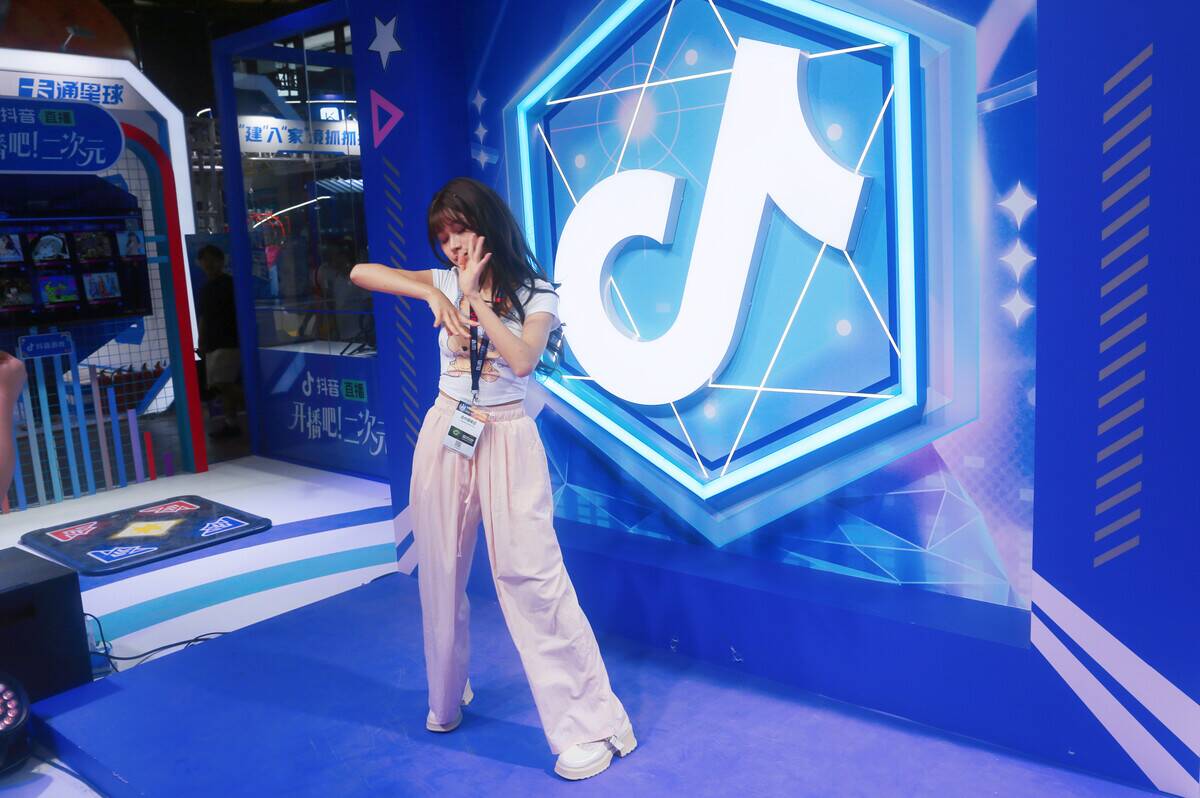
The Rise of TikTok: From Dance Challenges to Viral Trends
TikTok has taken the world by storm, becoming a breeding ground for creativity and viral content. With over a billion active users, it’s hard to ignore its impact on pop culture. Dance challenges like the ‘Renegade’ have catapulted unknown creators into overnight sensations
TikTok’s algorithm is uniquely designed to keep users engaged, making it a powerful tool for trends to spread like wildfire
Streaming Wars: How Netflix, Disney+, and Others Changed Viewing Habits
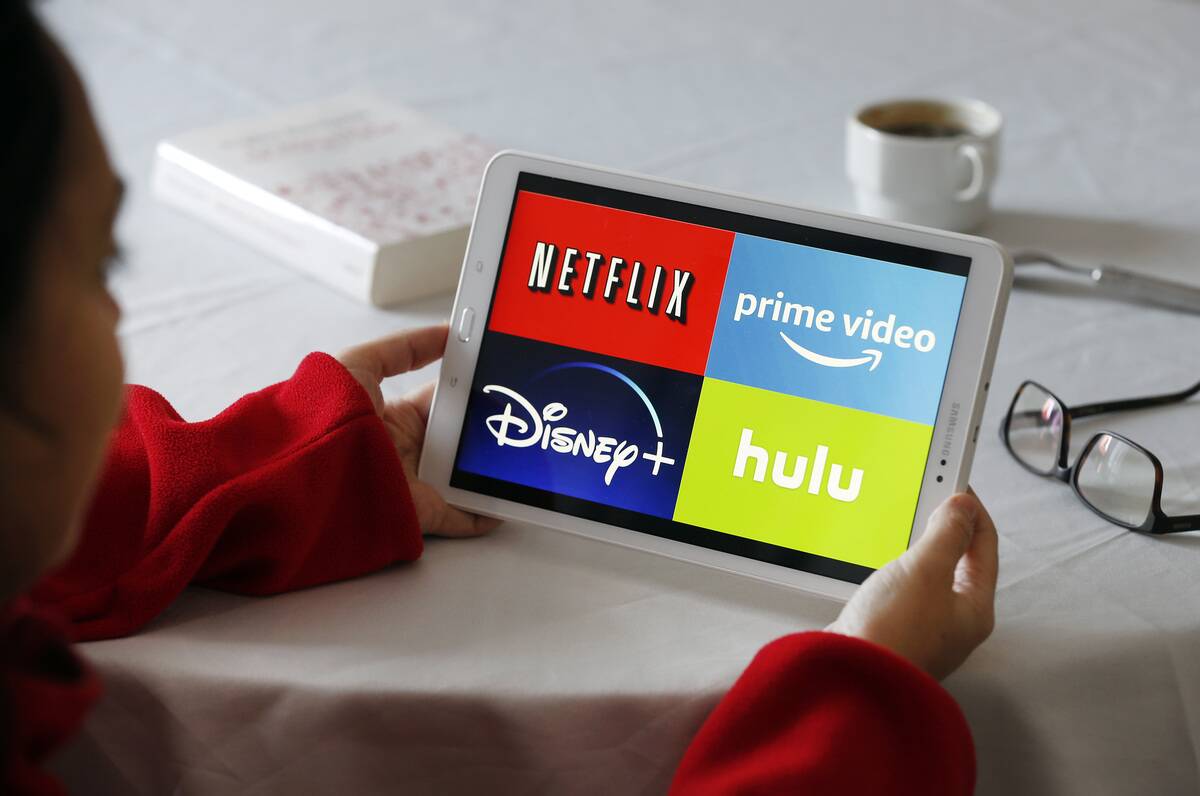
The streaming wars have redefined how we watch television and movies. With giants like Netflix and Disney+ offering vast libraries of content, traditional cable TV is becoming a thing of the past
These platforms have not only changed viewing habits but also how content is produced, with more diverse stories and voices finding their way to the screen. Binge-watching has become a cultural norm, with entire seasons released at once
The Impact of COVID-19 on Entertainment and Celebrity Culture
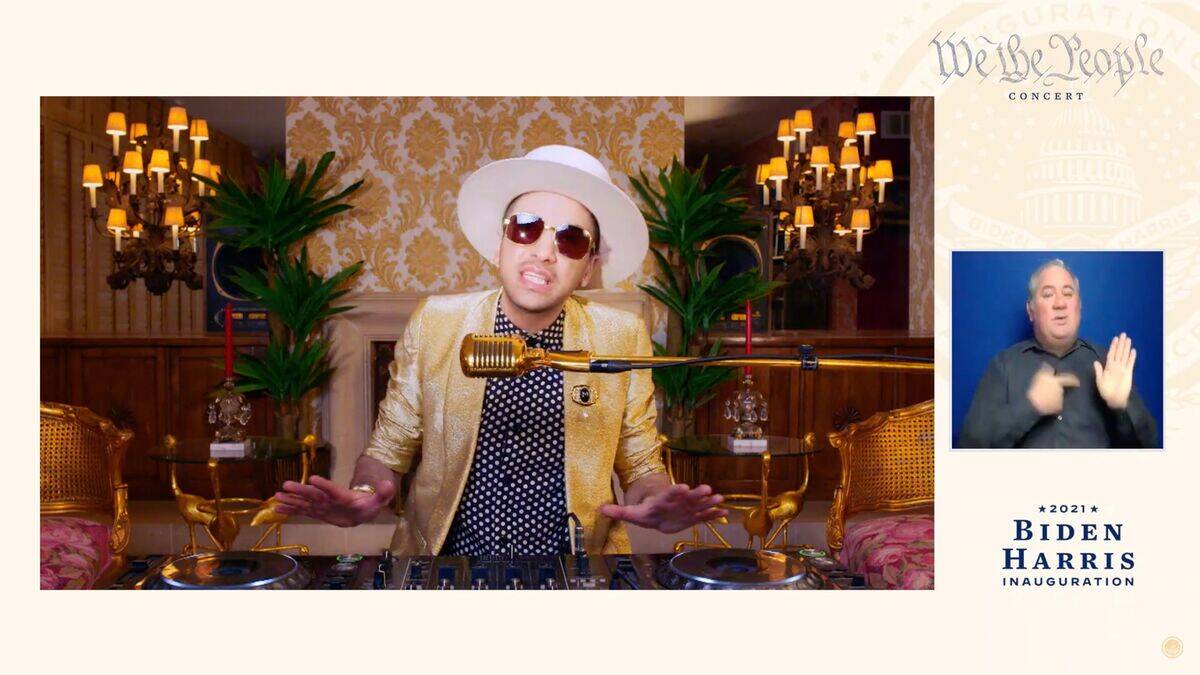
The COVID-19 pandemic had a profound impact on the entertainment industry, halting productions and closing theaters worldwide. Celebrities took to social media to stay connected with fans, often sharing more personal and relatable content
Virtual concerts and events became the norm, showcasing the resilience and adaptability of the industry. The pandemic also shifted the focus of celebrity culture towards activism and social justice
The Resurgence of 90s and 2000s Nostalgia
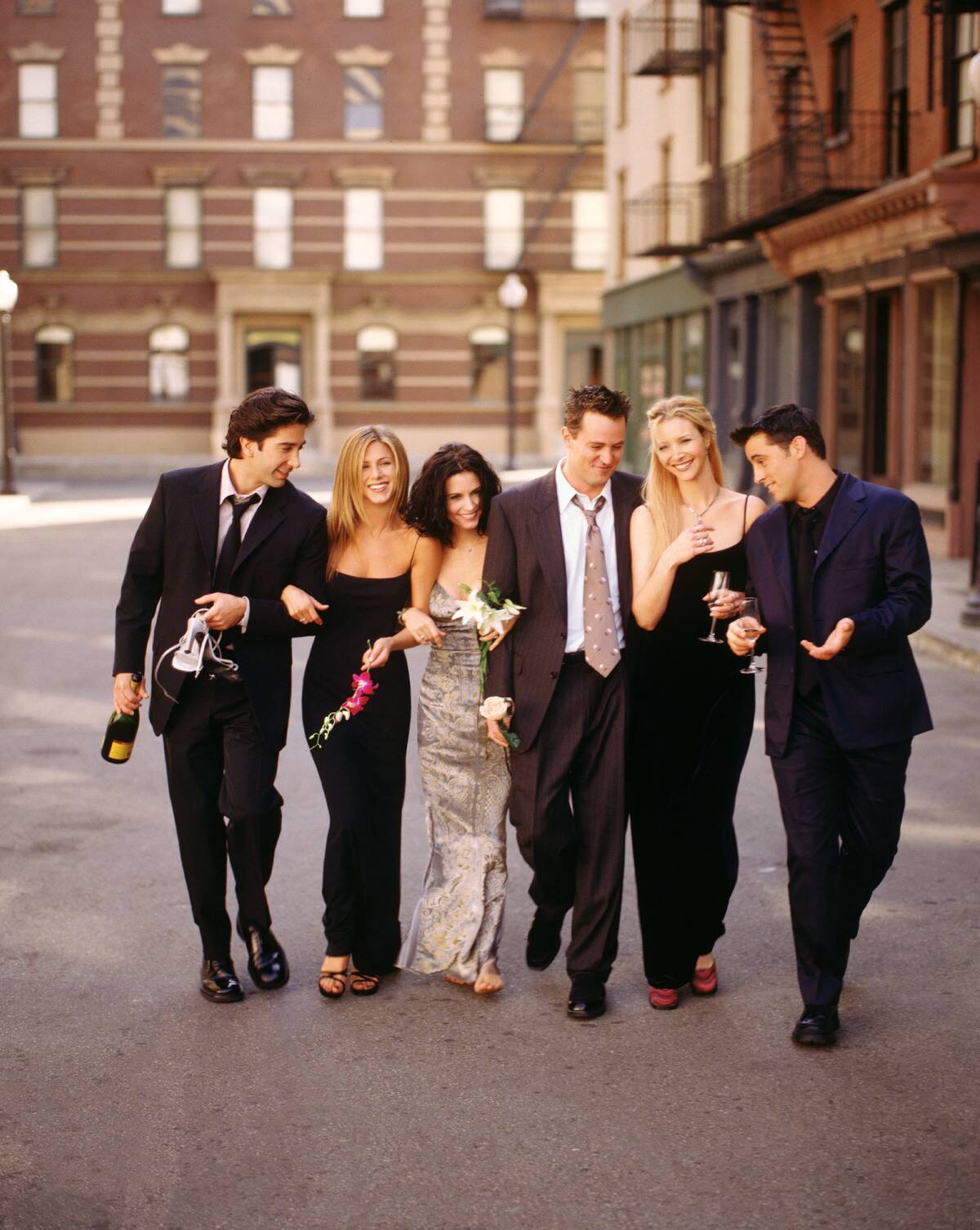
Nostalgia for the 90s and 2000s has made a significant comeback, influencing everything from fashion to music. Iconic shows like ‘Friends’ and ‘The Fresh Prince of Bel-Air’ have found new life on streaming platforms, introducing them to a younger audience
Fashion trends like bucket hats and platform sneakers have also returned, proving that what’s old is new again. This resurgence highlights a longing for simpler times in an ever-changing world
The Influence of K-Pop: BTS and Beyond
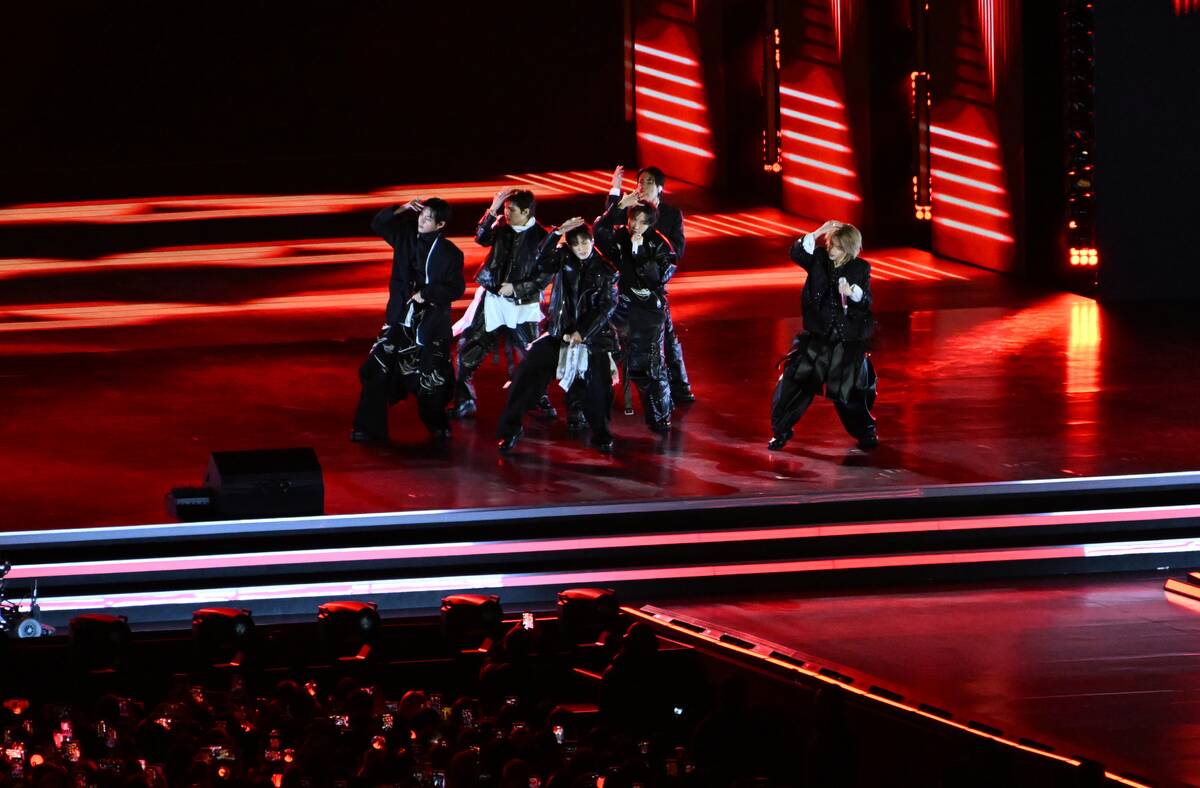
K-Pop, led by global sensation BTS, has become a cultural juggernaut, breaking language barriers and topping charts worldwide. BTS’s devoted fanbase, known as ARMY, has played a crucial role in their success, using social media to amplify their reach
Other K-Pop groups like BLACKPINK and EXO have also gained international acclaim, showcasing the genre’s diverse talent and global appeal. The influence of K-Pop extends beyond music, impacting fashion and even social issues
The Meme Economy: How Memes Became Cultural Currency
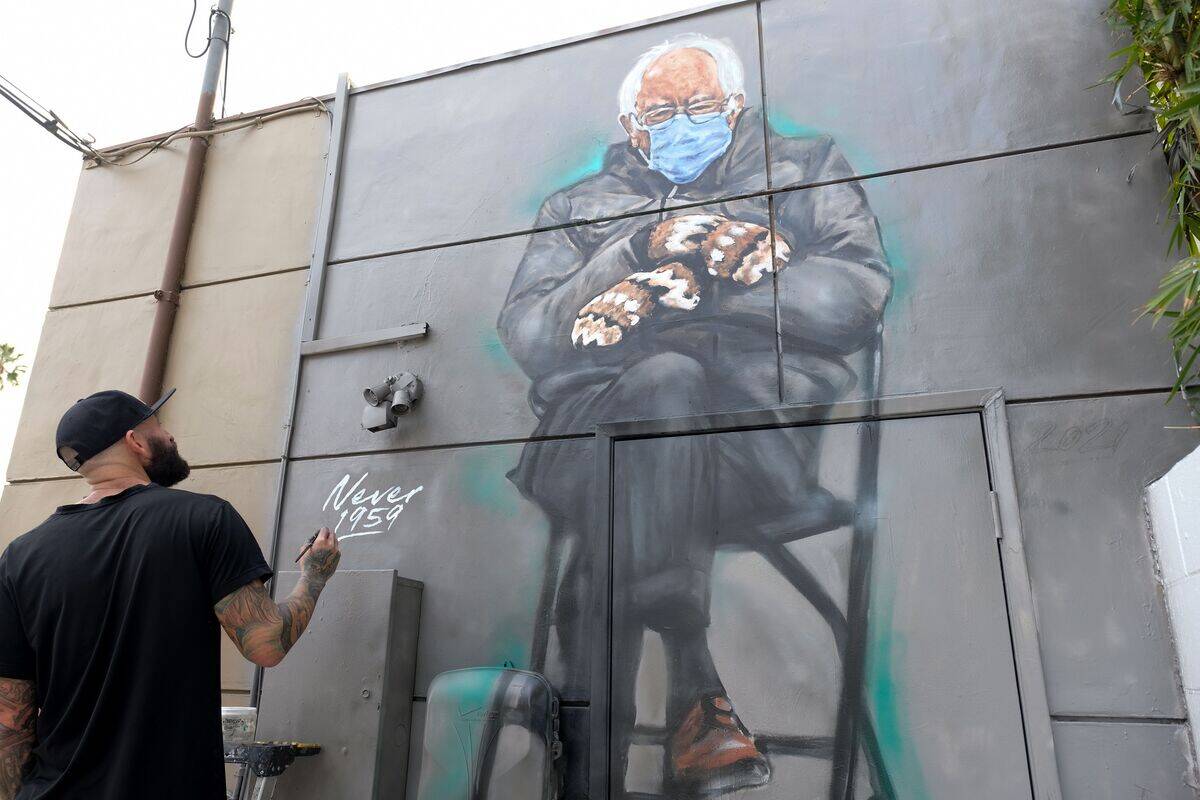
Memes have evolved from simple internet jokes to a powerful form of communication and cultural currency. They have the ability to capture complex ideas and emotions in a single image or phrase, making them highly shareable
Memes often reflect current events and societal trends, providing a humorous lens through which to view the world. Platforms like Reddit and Instagram have become meme hubs, where trends are born and spread rapidly
The Evolution of Celebrity Activism in the Digital Age
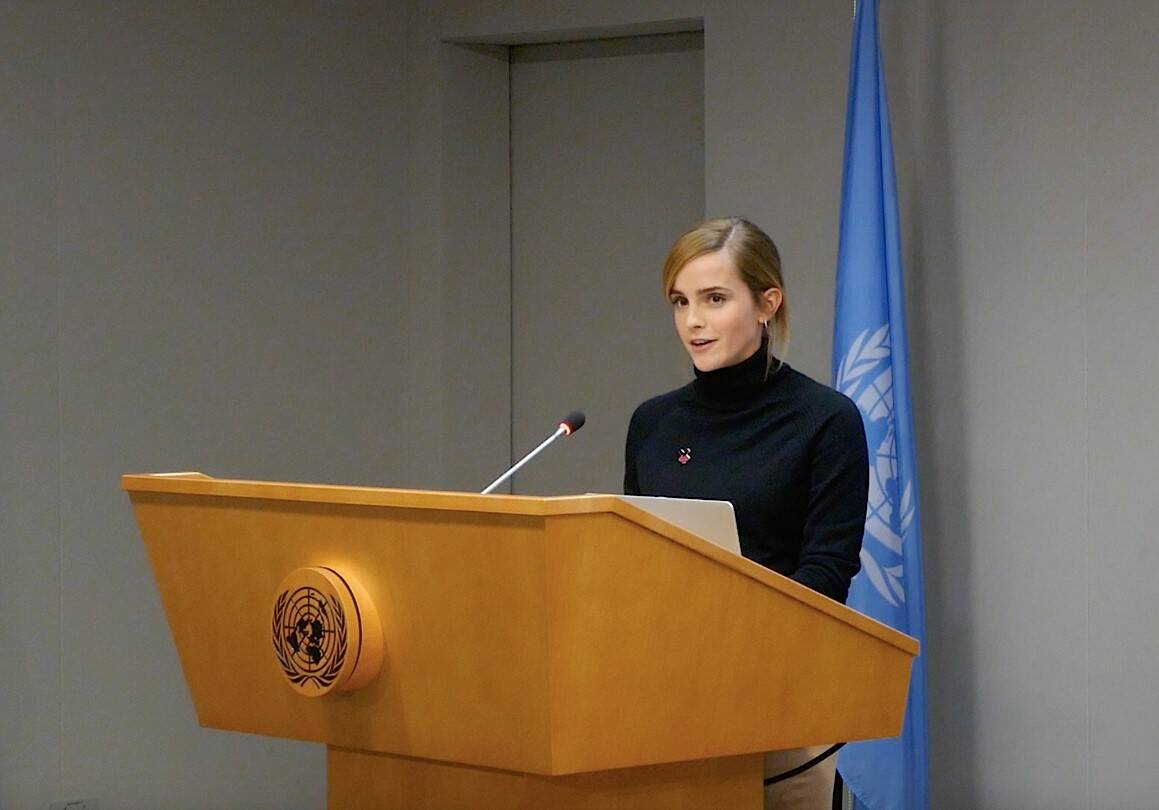
Celebrity activism has taken on new dimensions in the digital age, with stars using their platforms to advocate for social change. Social media allows celebrities to directly engage with their audience, raising awareness and mobilizing support for various causes
Figures like Jane Fonda and Emma Watson have been at the forefront, championing environmental and gender equality issues. This shift reflects a growing expectation for public figures to use their influence responsibly
The Power of Fandoms: From Online Communities to Real-World Impact
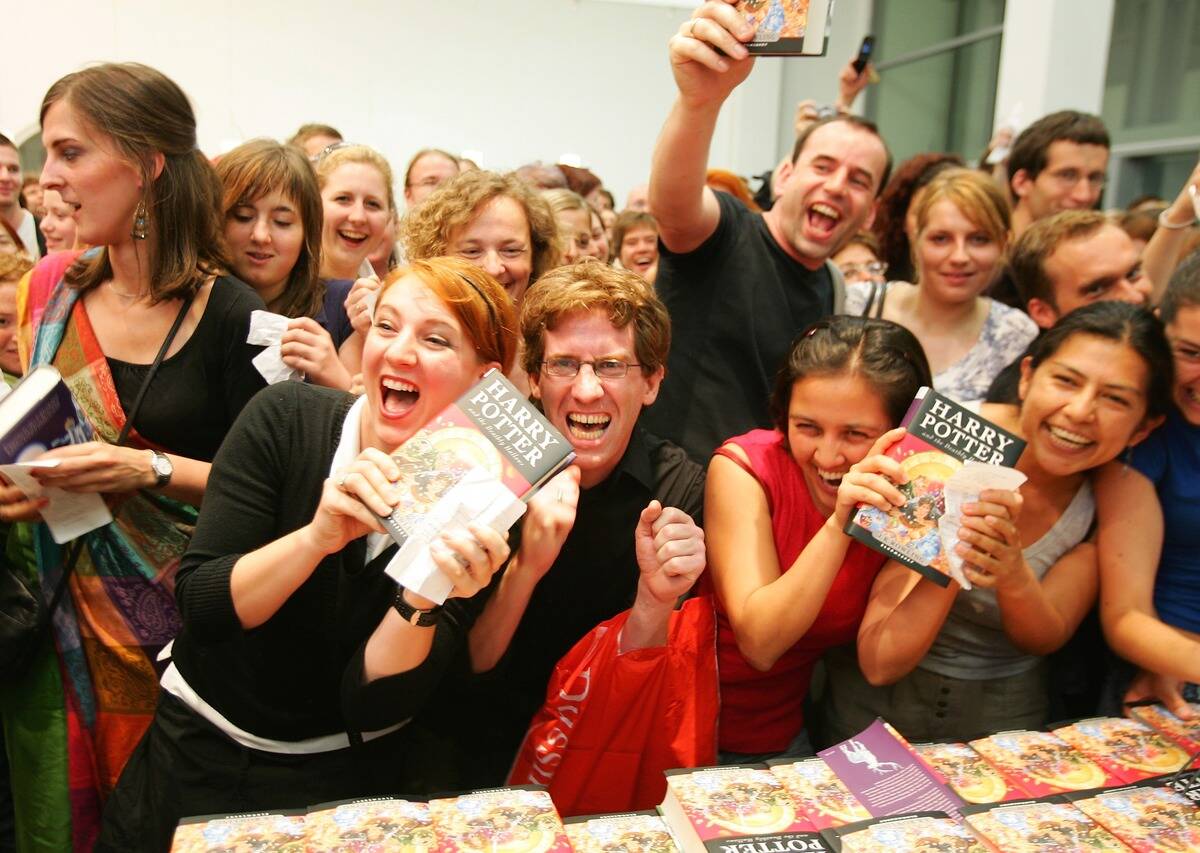
Fandoms have become powerful communities, transcending online spaces to effect real-world change. Fans of franchises like ‘Harry Potter‘ and ‘Star Wars’ have organized charity events and supported social causes, leveraging their collective influence
These communities provide a sense of belonging and shared identity, often leading to lifelong friendships. The power of fandoms lies in their ability to unite people across the globe around a common passion
The Role of Social Media in Shaping Pop Culture Narratives
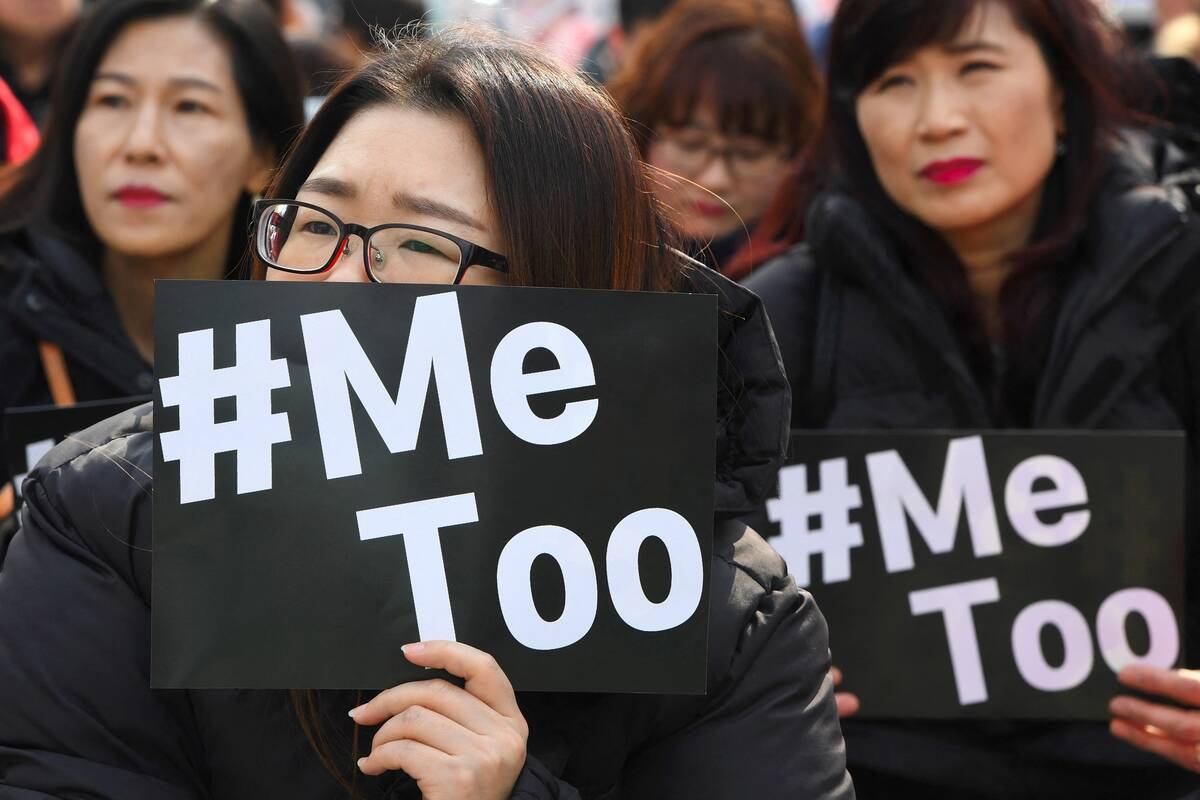
Social media platforms like Twitter and Instagram have become pivotal in shaping pop culture narratives. They provide a space for diverse voices to be heard, challenging traditional media gatekeepers
Trends and discussions can gain traction quickly, influencing public opinion and even prompting change. Hashtags like #MeToo and #BlackLivesMatter have demonstrated the power of social media to drive social movements and amplify marginalized voices
The Rise of the Influencer: From YouTube Stars to TikTok Icons
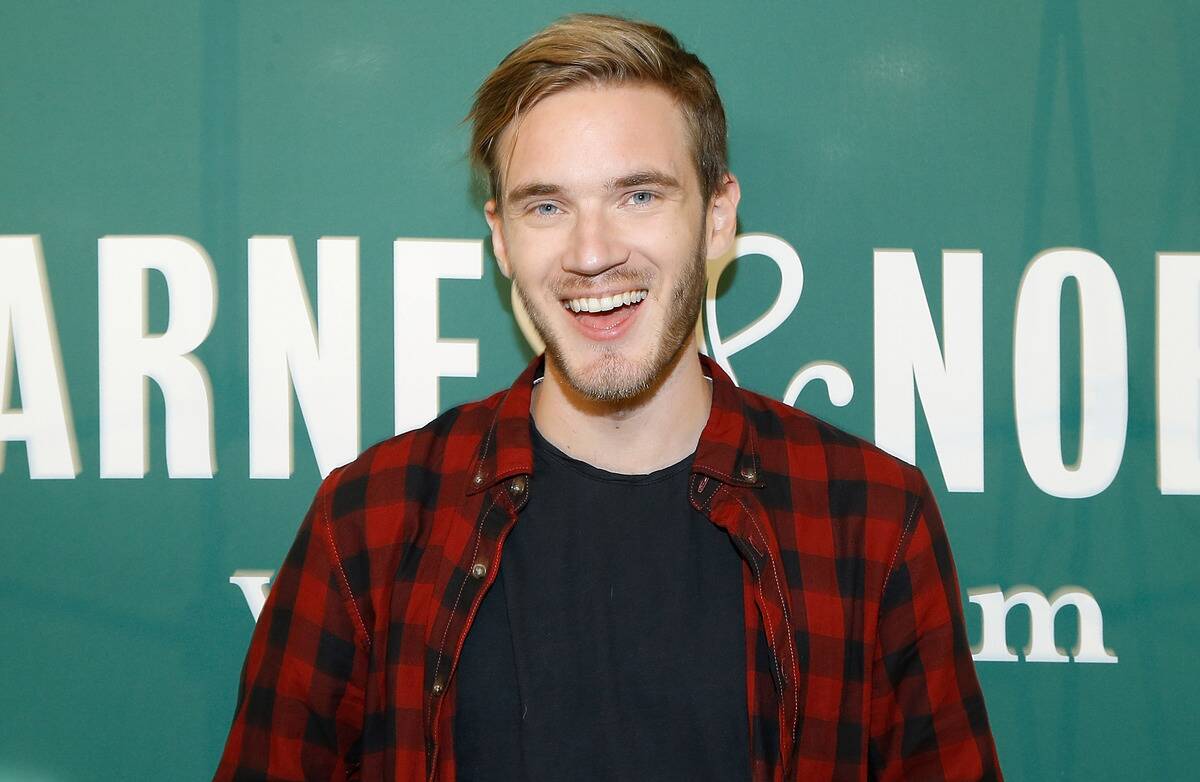
Influencers have become a dominant force in the digital landscape, with platforms like YouTube and TikTok serving as launchpads for their careers. These creators have built loyal followings, often rivaling traditional celebrities in terms of influence
Early influencers like PewDiePie and Charli D’Amelio have turned their online presence into lucrative brands, partnering with companies for endorsements and collaborations. This rise reflects a shift in how we define fame and success
The Return of Reality TV: From “Tiger King” to “The Circle”
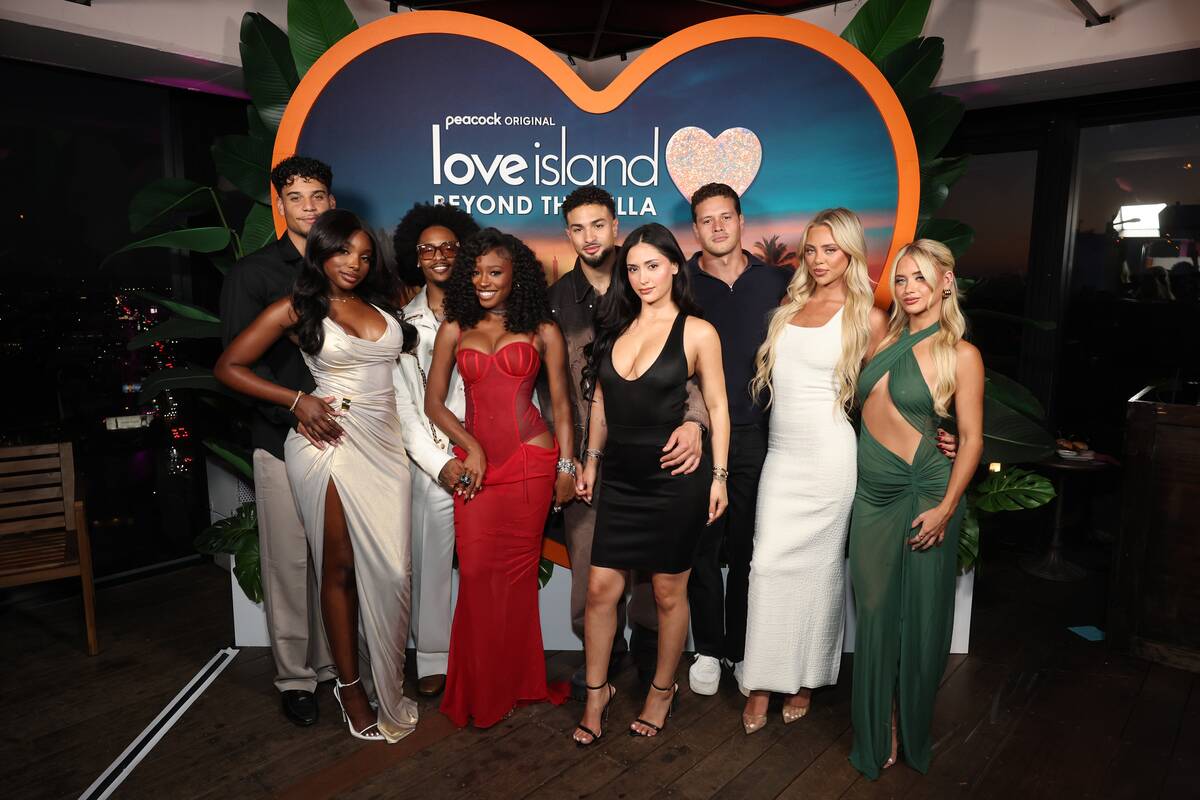
Reality TV has made a triumphant return, captivating audiences with its blend of drama and unscripted storytelling. Shows like ‘Love Island’ and ‘The Real Housewives’ have become cultural phenomena, sparking conversations and memes alike
The genre’s appeal lies in its relatability and unpredictability, offering viewers an escape from their daily lives. Streaming platforms have embraced reality TV, providing a fresh take on the format and reaching new audiences
The Cultural Shift Towards Inclusivity and Representation
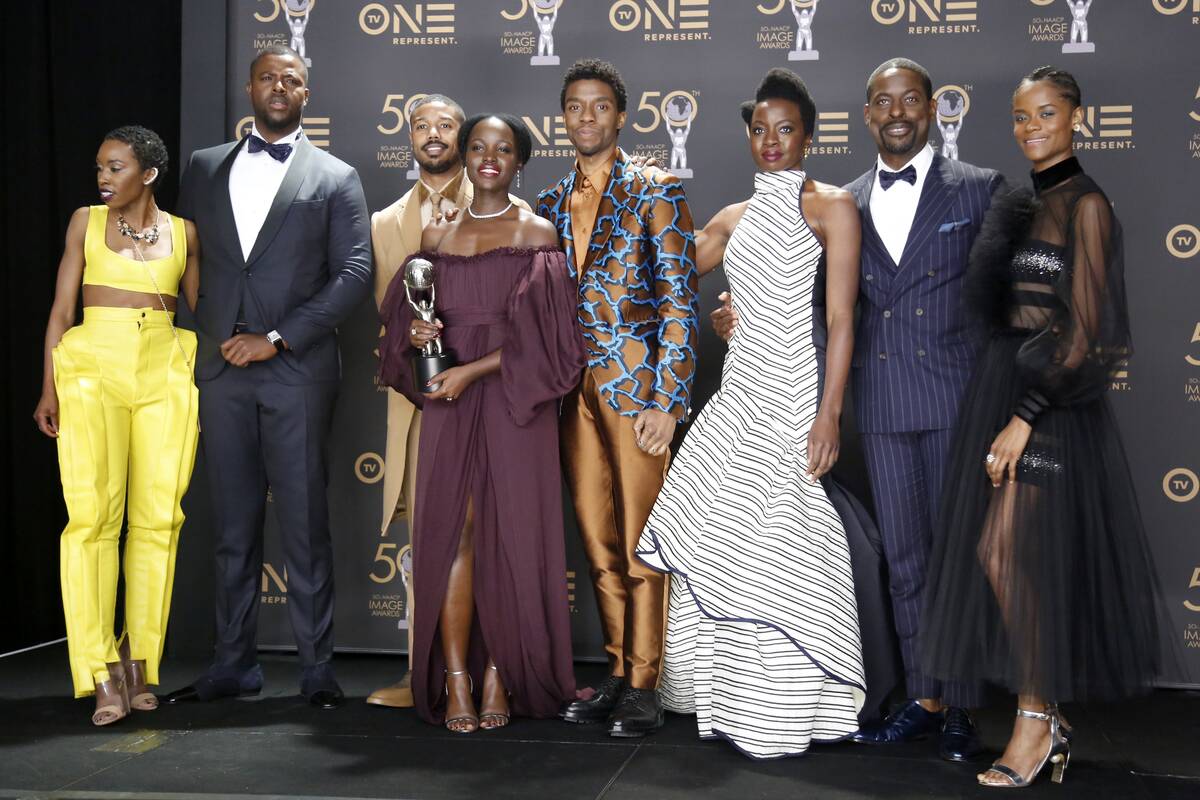
There has been a significant cultural shift towards inclusivity and representation in recent years, with media and entertainment leading the charge. Diverse stories and characters are being celebrated, reflecting the rich tapestry of human experience
Shows like ‘Pose’ and ‘Black Panther’ have broken ground, showcasing underrepresented voices and perspectives. This shift is not only a reflection of societal progress but also a response to audience demand for authentic representation
The Impact of Gaming on Mainstream Culture
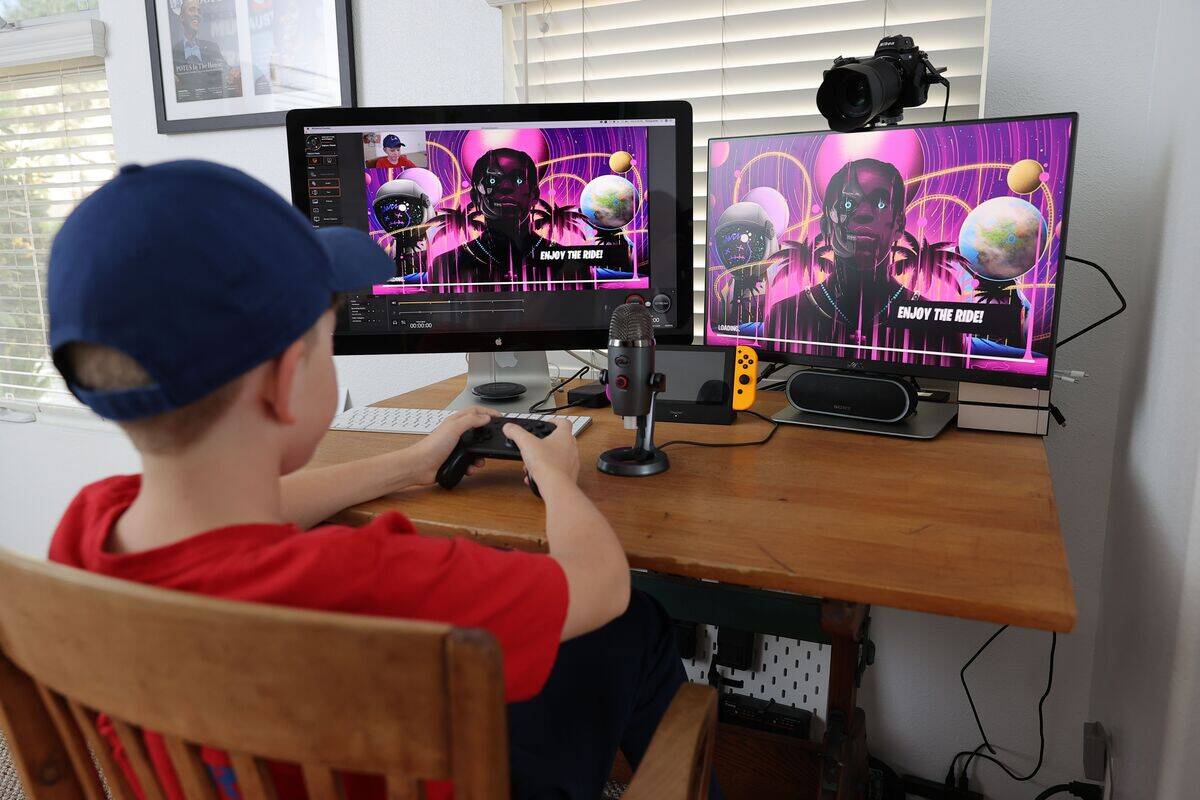
Gaming has cemented its place in mainstream culture, influencing everything from fashion to film. Esports tournaments draw massive audiences, rivaling traditional sports in popularity. Games like ‘Fortnite‘ have become cultural touchstones, with in-game events and collaborations with artists like Travis Scott
The gaming industry’s growth has also sparked conversations about representation and inclusivity, with more diverse characters and narratives emerging in recent years
The Role of Fashion in Defining the 2020s Aesthetic
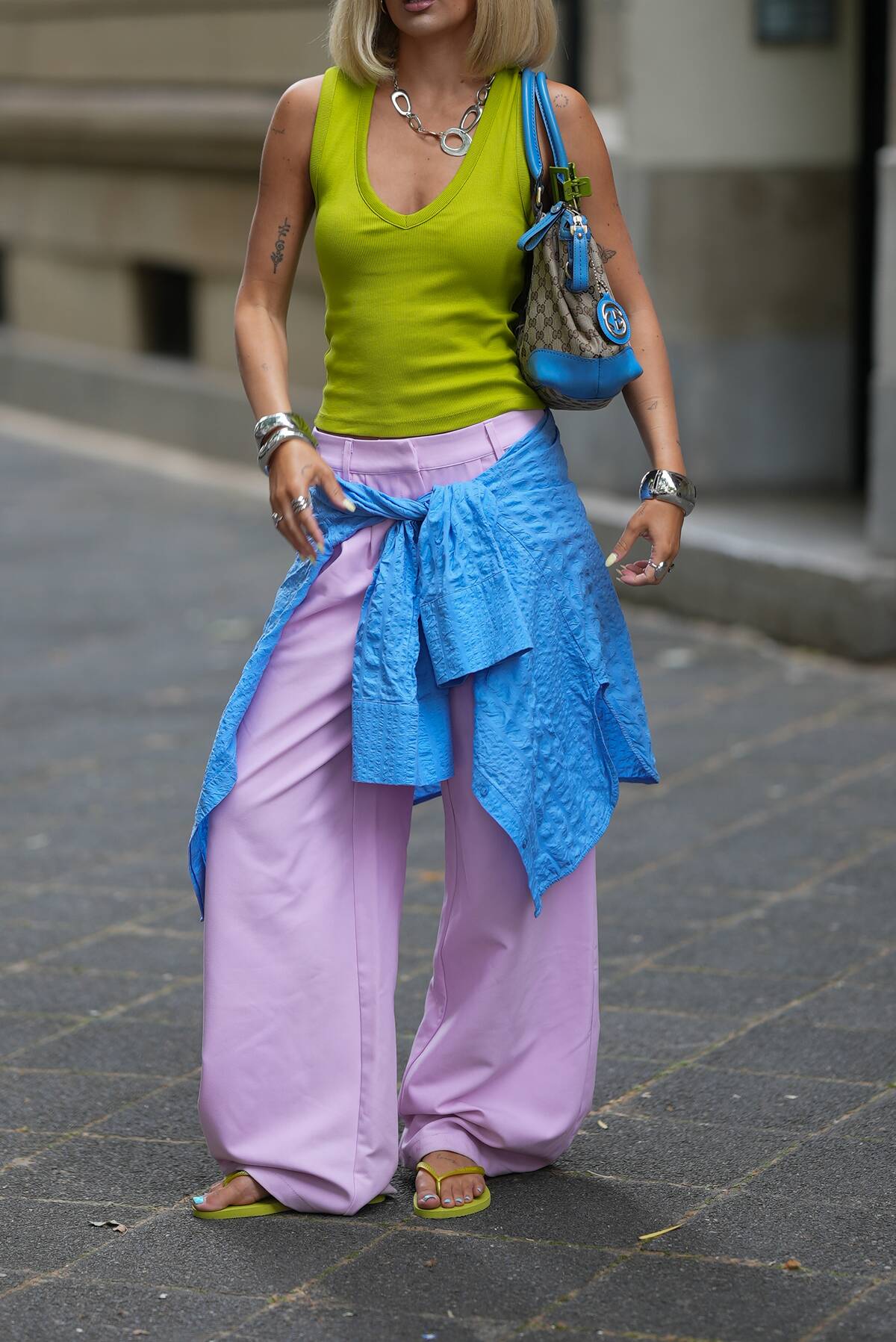
Fashion has played a crucial role in defining the aesthetic of the 2020s, with trends often reflecting broader cultural shifts. Sustainability and ethical production have become central themes, as consumers demand more transparency from brands
Fashion in the 2020s includes major trends such as Y2K revival, maximalism, vintage clothing, and rapidly changing online microtrends. Social media platforms like Instagram have become fashion runways, where influencers and designers showcase the latest styles
The Transformation of Late-Night Television in the Streaming Era
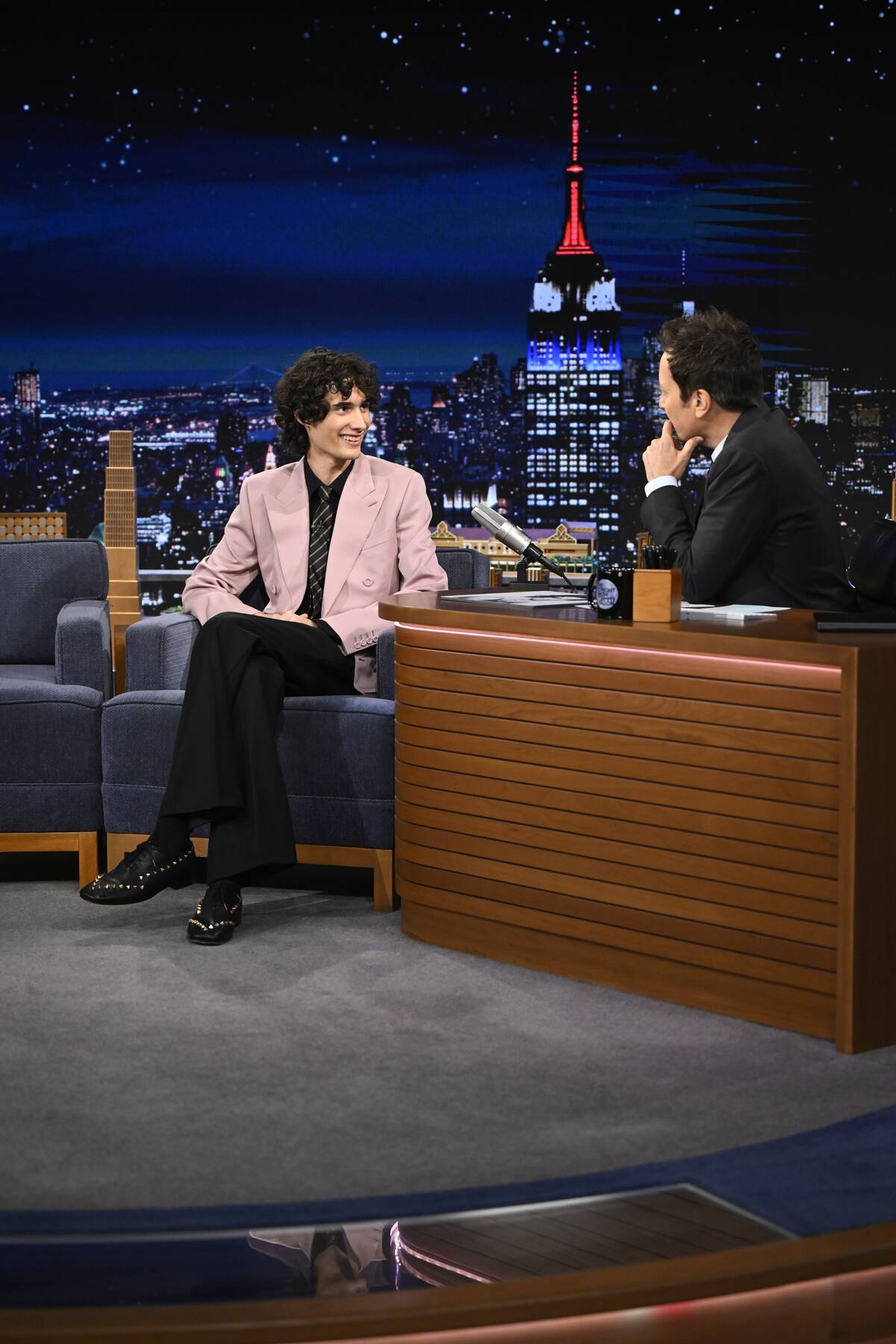
Late-night television has undergone a transformation in the streaming era, with hosts adapting to new viewing habits and platforms. Shows like ‘The Tonight Show’ and ‘Last Week Tonight’ have embraced digital content, reaching audiences beyond traditional broadcast
The format has also evolved, with more emphasis on political satire and social commentary. This shift reflects the changing landscape of television, where streaming services and digital platforms are redefining how we consume content
