

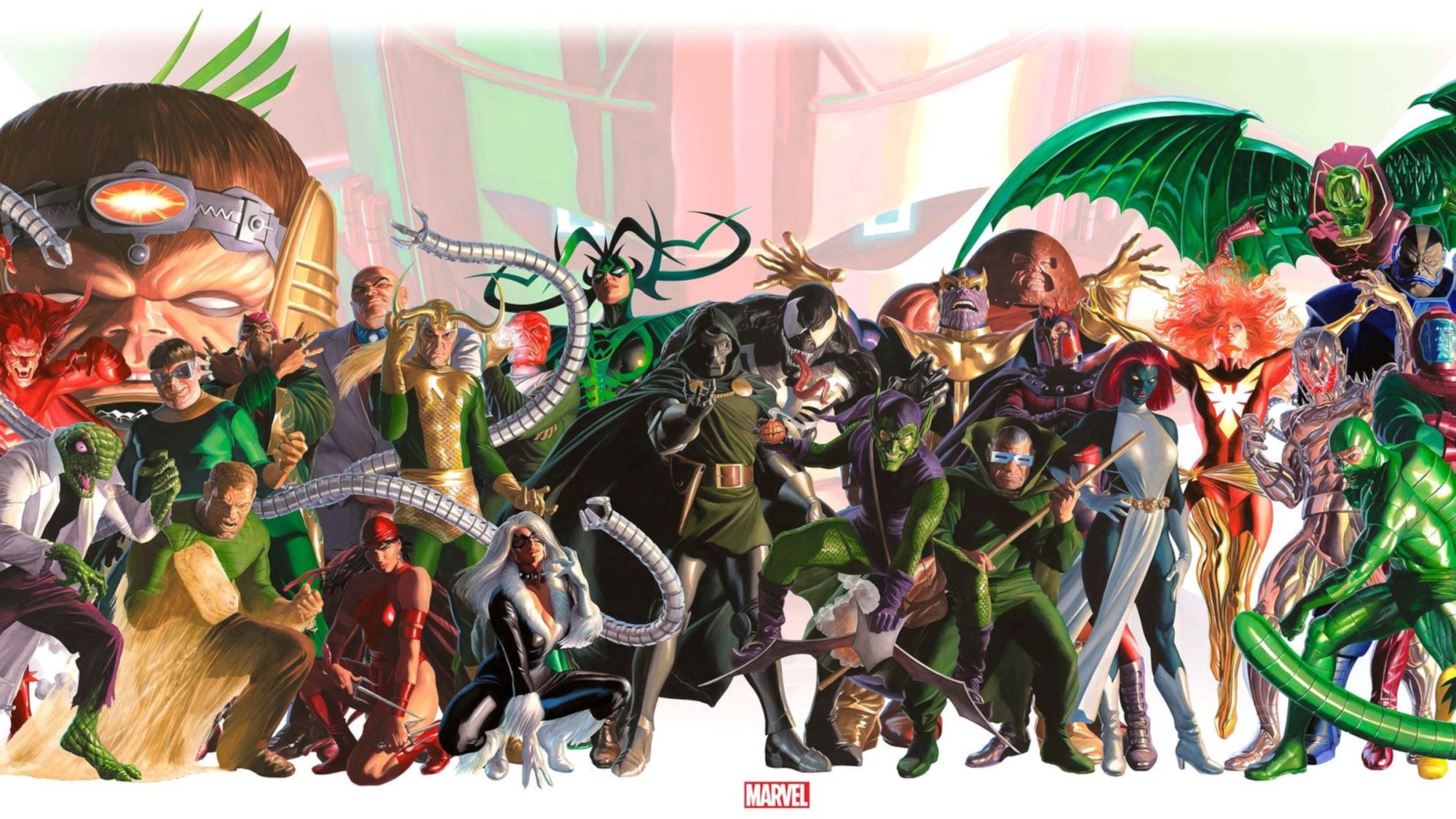
Marvel Comics made a huge splash in 1961, when they released Fantastic Four #1 and started the modern Marvel Universe. Unlike DC, who had been doing superhero comics non-stop since the Golden Age, they were basically starting from scratch, having to create all-new heroes and villains. They made their heroes more human and did much the same with the villains, creating a vital new universe. By 1963, there were three different superteams – the Avengers, the X-Men, and the Fantastic Four – and they needed enemies who could face them as groups, which led to the creation of the evil superteams of the Marvel Universe, most notably the Brotherhood of Evil Mutants, the Masters of Evil, and the Frightful Four. Each of them were basically just the opposites of the hero team, a common trope for superhero comics.
Videos by ComicBook.com
These were the first three villain teams, but they would be far from the last, as creators made more and more villain teams to face off against the various new superteams. While the Frightful Four would fade away (to the extent that they’re barely remembered anymore), the Brotherhood of Evil Mutants and the Masters of Evil stayed important and vital, starring in some of the greatest stories of the ’80s. However, as the years went on and the comic industry started to change, many of these villain teams started to fade away. Even the Brotherhood and the Masters would become less and less popular, to the extent that both teams are barely around today. Marvel had amazing villain teams, but they’ve seemingly gone the way of the dodo.
Whatever Happened to Marvel’s Villains Teams?
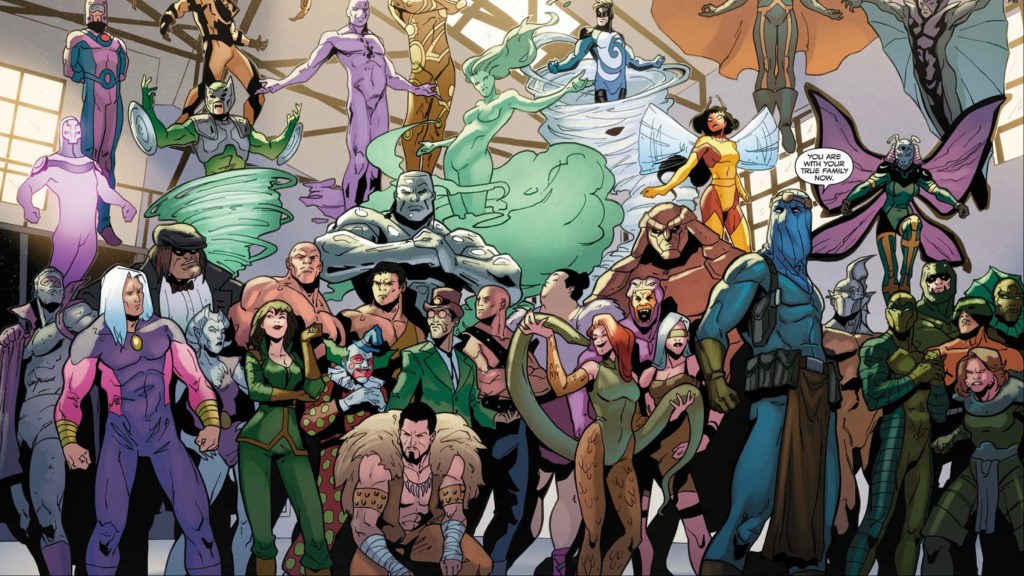
Villain superteams are still a thing in Marvel Comics in the modern day, with the various groups appearing occasionally. Recently, we’ve seen the Masters of Evil return in One World Under Doom and a new melding of the Hellfire Club and the Brotherhood of Evil Mutants debuting as the Hellfire Brotherhood in X-Men: The Hellfire Murder #1. Jason Aaron’s five year Avengers run saw the debut of the Multiversal Masters of Evil, and Jed MacKay’s run on the team introduced the Twilight Court, a group of villains based on Arthurian legends. However, none of them have felt important in years.
There was a time with groups like the Brotherhood and the Masters were thought of as the main villains of their teams. The Brotherhood of Evil Mutants gathered the most powerful X-villains and was founded by Magneto, making them the most important early X-villains. The Masters brought together numerous Avengers villains, becoming an army of bad guys that could actually challenge Earth’s Mightiest Heroes. Later groups like the Horsemen of Apocalypse, the Hellfire Club, the Dark Riders, Marauders, the Black Order, and the Cabal have all made big splashes at various times, but none of them are on the arch-enemy level for any team they face.
Looking at the history of Marvel, there are several reasons why villain teams went the way of the dodo and the biggest is power creep. Once upon a time, villain teams were the biggest threats out there, but that has changed. Powers levels in the Marvel Universe keep going up to the extent that you can have a hero team just face one villain and fans can believe it because of the power level. You don’t need the Masters of Evil when you have someone like Count Nefaria, who can take down the Avengers on his own. Instead of being the main foe of a story, villain teams became cannon fodder for the more powerful villains, like the Horsemen, the Marauders, or the more recent Twilight Court. You don’t need a team when one villain can do the job.
The next reason, I think, is Thunderbolts (Vol. 1). This story took members of the Masters of Evil and had them pretend to be heroes. It led to some amazing stories that showed there was often more to villains than met the eye. A lot of the old villain teams were basically just evil for evil’s sake, but Thunderbolts concentrating on who the villains were as people changed the way fans looked at bad guys. Add in the fact that so many key members of villain teams have been redeemed at one point or another, and it’s hurt the concept overall.
Finally, I’d say event books have also been a problem for the villain team. Back in the day, a battle between the Avengers and the Masters of Evil was a huge deal. It was the biggest event of whatever year it took place in. However, as we started getting more and more event stories that revolved around huge spectacles, fights between teams lost its luster. In 1991, I read about Thanos destroying all the heroes and cosmic beings in the Marvel Universe. How is a fight between the Fantastic Four and Frightful Four supposed to match up to that? Add all of that up and it’s plain to see why villain teams just don’t feel important anymore.
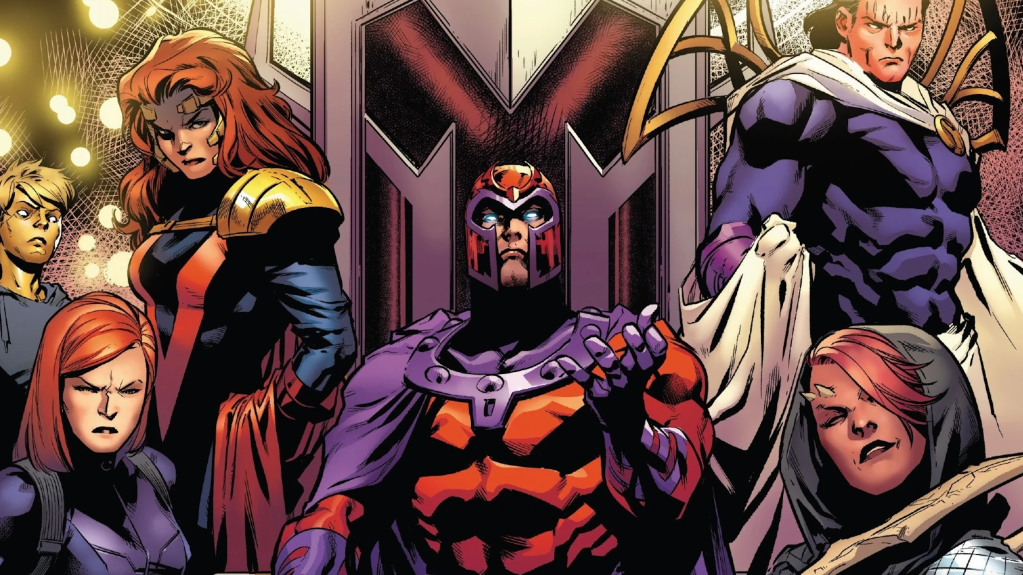
The Marvel Universe has changed a lot over the decades. Even just comparing current Marvel to ’00s Marvel – or even ’10s Marvel – shows who different the House of Ideas is in a number of ways. Many things have gone in and out of style and villain teams are one of them. They were once a key part of every team in comics, but have since become also rans. Gone are the days when the Brotherhood of Evil Mutants or the Masters of Evil were considered the biggest enemies of the X-Men and the Avengers. Stories like “Under Siege” just wouldn’t work in 2026 because the villain teams are now an afterthought.
However, I find it hard to say whether this is a good thing or not. Villain teams can be pretty cool, but they all seem to go in the same directions, as the bad guys fall to their own greed and cruelty, allowing the heroes to come from behind and win. They became old hat and were replaced, with more powerful villains taking their place and it’s often been better than the old team wars. They’ve reached the level of cannon fodder now, but that doesn’t mean they have to stay that way. No idea in comics is truly dead and Marvel villain teams are merely waiting for their next chance to shine.
5 Marvel Villains Who Could Beat Batman but Not Outsmart the Joker
More Comics
-
Image Courtesy of Marvel Comics Comics
1 day agoRevitalizing This Underused MCU Heroine Could Be As Easy as Adapting This X-Men Comic Friendship
-
Comics
1 day agoComic Spotlight: X-Men (Vol. 2) #1 Recast the Comic Industry In Its Image, for Better and for Worse
-
Image Courtesy of Marvel Comics Comics
1 day ago10 Years Ago, Marvel Sabotaged Their Biggest Star With This Disastrous Event and the MCU Is to Blame
-
Image Courtesy of Marvel Comics Comics
2 days ago55 Years Ago, Marvel Made the Avengers Cosmic and the MCU Should Take Notes
-
Image Courtesy of Marvel Comics Comics
2 days agoCaptain America Makes a Choice No Hero Should Make, and Spider-Man Knows Exactly Why

1 Comment
Pingback: Trump White House Takes Down 'Tetris' For Xenophobes Game Over Copyright Threat - Comic Vibe