

The comic industry is something that comes in waves, with ebbs and flows that favor certain characters, publishers, and ideas on one day that change quickly the next. Though it may not seem like it, at the end of the day, those decisions start at the top and make their way down, affecting everything in the line. Marvel Comics has confirmed this morning that it’s making big moves to the publisher, one that changes decades of history and another that shifts things after just 9 years. According to , a staff town hall at Marvel’s New York office in New York confirmed the publishing business is moving from the Big Apple and will move to Burbank, California, alongside Marvel Studios HQ and Disney; but that’s not all.
Videos by ComicBook.com
The second big piece of news that is changing the landscape at Marvel is a change in leadership. After nine years as Editor-in-Chief at Marvel Comics, C.B. Cebulski is being shifted to a new role in the company (apparently moving to Japan to spearhead Marvel’s “push into manga”). As a result, the top job was open, and Marvel has announced that Stephen Wacker will take on the position, becoming the seventh person to hold the title at the company. It’s too early to tell how this change will really alter the Marvel comics landscape, but looking at Wacker’s history should leave fans with some optimism.
Marvel Names New EIC as Cebulski Changes Roles, Plus a Move From New York
It’s worth noting that while a new Editor-in-Chief is a big deal for Marvel Comics, the shift in location is a seismic one. Even when they were Timely Comics, the publisher called New York its home, so much so that almost all of their characters do the same in the pages of the comics. Shifting from New York is a vast change for Marvel in terms of company history, and one assumes that it does not mean the likes of Spider-Man won’t relocate to the West Coast.
“This move will position the team beside our broader creative organization and create opportunities for collaboration across both Marvel and Disney,” Marvel’s Brad Winderbaum and David Abdo said in a memo to staff. “Bringing our comics, film, television, and other creative teams together will help us learn from one another, collaborate, and build on the strengths that make Marvel the true House of Ideas.”
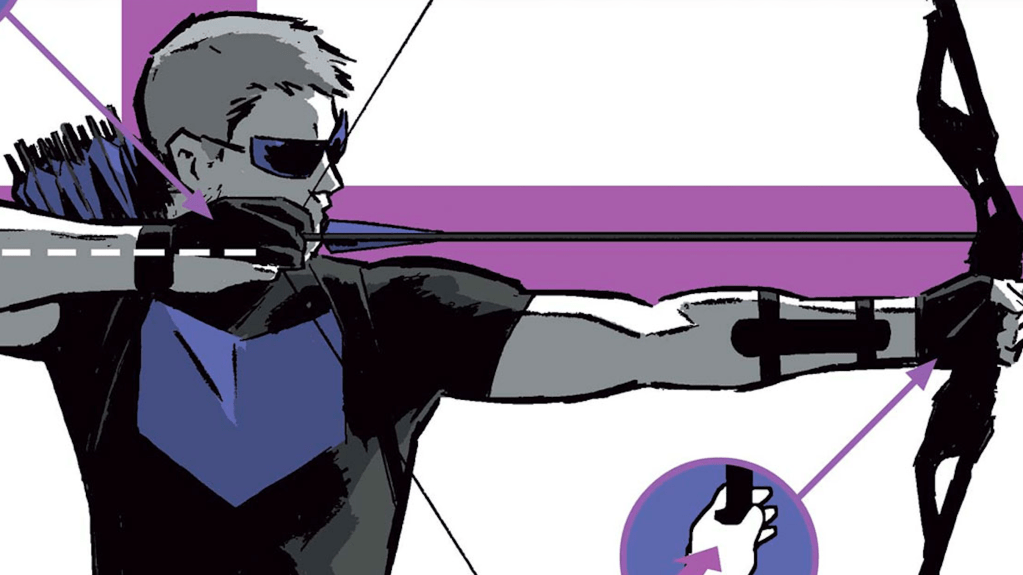
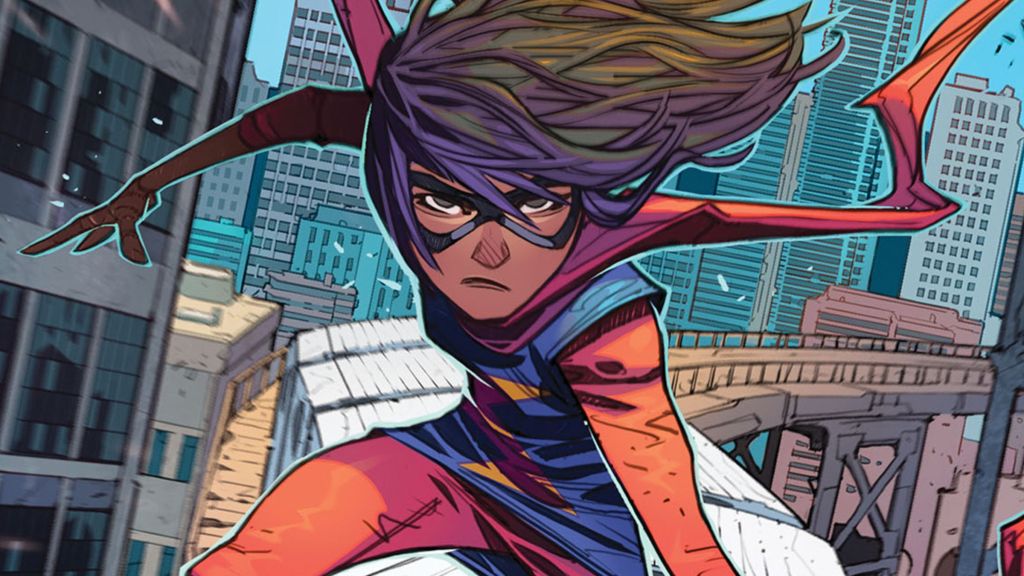
As for the new Editor-in-Chief at Marvel, Stephen Wacker’s history with the House of Ideas proves that his place at the top of the food chain could lead Marvel to new places. Longtime readers may recall Wacker’s work with the line at key points, including serving as Editor for Daredevil from the Shadowland crossover into the reinvention of the hero by Mark Waid, but also being part of the team that delivered the iconicHawkeye by Matt Fraction and David Aja. Furthermore, Wacker worked with Kelly Sue DeConnick amid her beloved relaunch of Carol Danvers as Captain Marvel, going on to be credited as one of the co-creators of Kamala Khan when she took over the Ms. Marvel role.
Wacker also had an extensive run as editor on Spider-Man titles, stepping into the role with Amazing Spider-Man #546, the start of the “Brand New Day” storyline, and the first issue of Dan Slott’s extensive run on the character. He would go on to serve as Editor for the title through the epic Amazing Spider-Man #700, and even well into Slott’s reboot of the character with Superior Spider-Man.
“He is a tremendous editor, a passionate advocate for creators, and someone who deeply understands that Marvel Comics is the
So what can we glean from Wacker’s time as an editor at Marvel about how the publisher might function under his eye as a whole? One thing is very clear: much of what Wacker worked on became a majorse as a whole. Not only did the takes on Captain Marvel, Ms. Marvel, and Hawkeye end up being foundational for the MCU, but the new Spider-Man movie also pulls its title from his first work on the webslinger
As a result, further synergy between Marvel comics and Marvel Studios seems like it will be inevitable under Wacker. Over the past few years, one thing that has become clear is that Marvel Comics was working in a way that seemed to respond to what the feature films/TV shows were doing and not the other way around. The result of this was publishing initiatives like “One World Under Doom,” putting the comics in a place of gearing readers up for the character’s big live-action appearance, not writing a story that could one day be the basis for something in live-action.
Furthermore, though, Wacker’s work as an editor for Marvel proved he was willing to move things in new places, try new ideas with creators who wanted to experiment, and the result was comic runs that fans loved and which influenced pop culture beyond the comics themselves.
The past few years have seen Marvel’s market share shift in drastic ways, in part as DC’s Absolute Universe has captured readers’ eyes. Marvel readers want to see the publisher succeed, and a new leader is the first step in making that possible
