

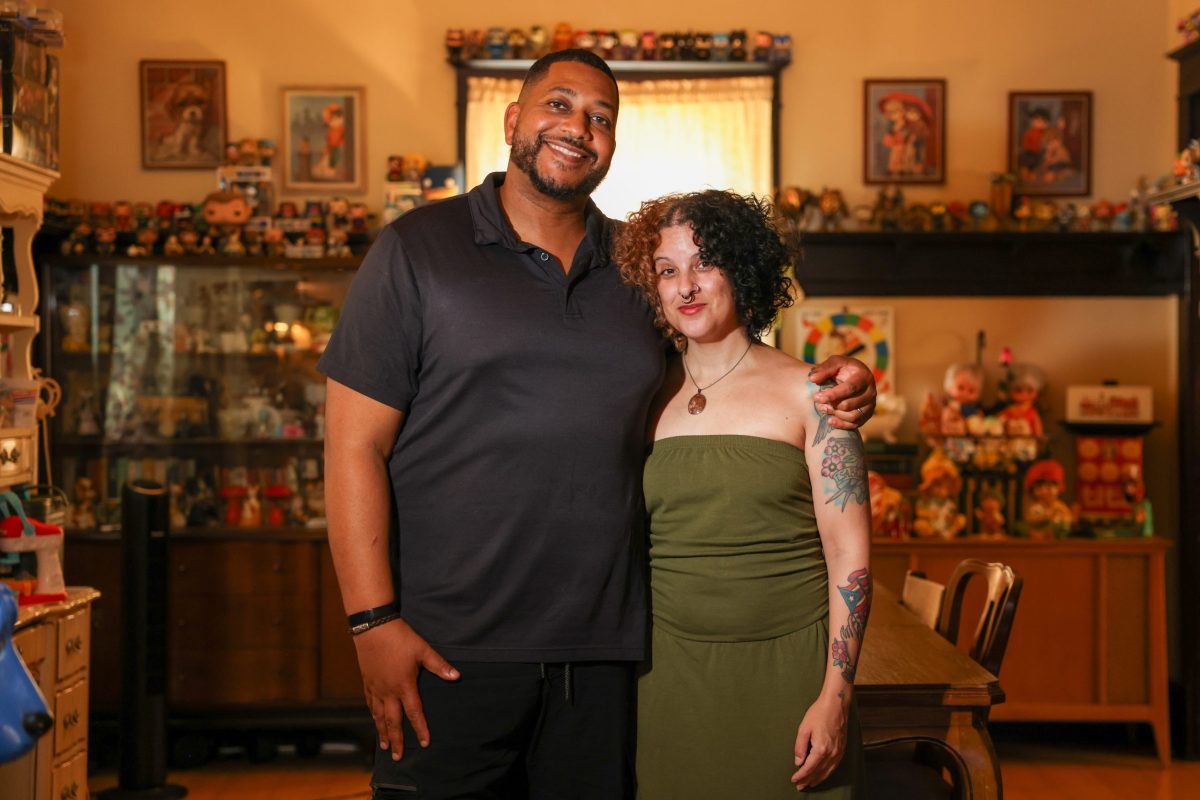
Antiques, comic books, collectibles, stacks of specialty paper, artwork and children’s toys compete for space in the Hill household, where creativity is a part of everyday life.
For Ramel and Ellia Ana Hill, art is how they tell their stories, celebrate their Black and Puerto Rican cultures and raise their six children.

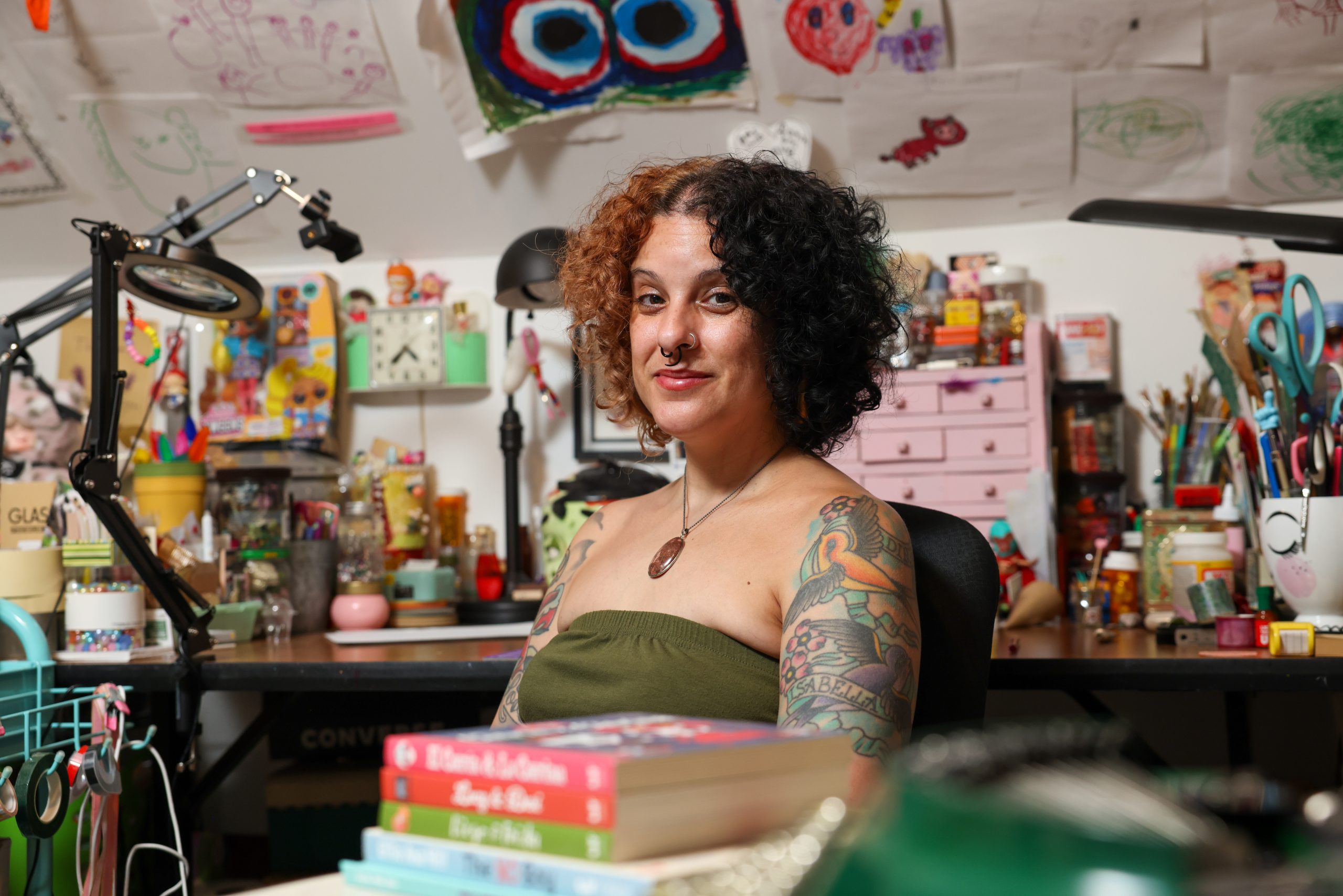
“Ultimately, it’s been storytelling. I’ve always wanted to tell stories with my art,” Ramel said.
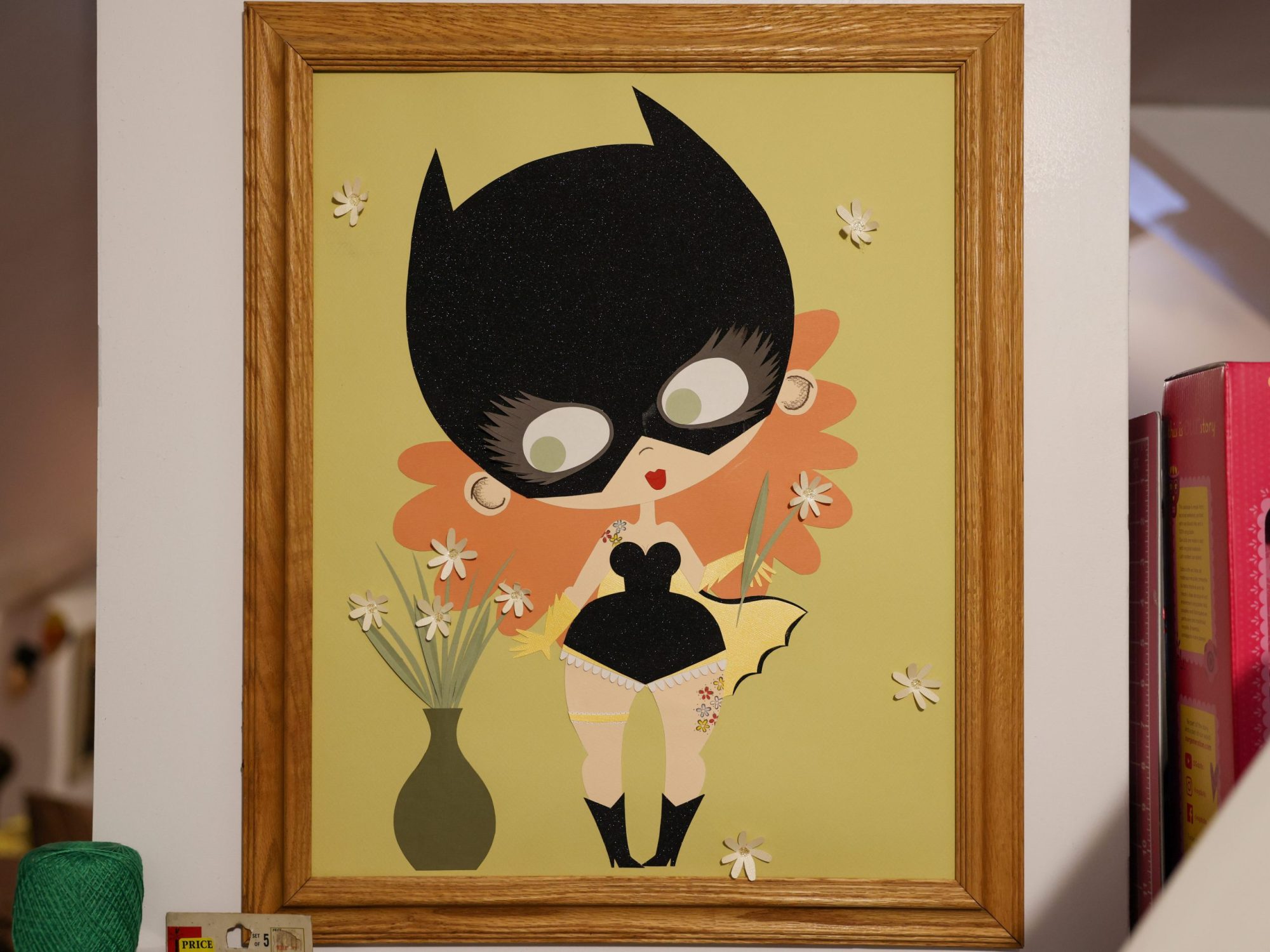
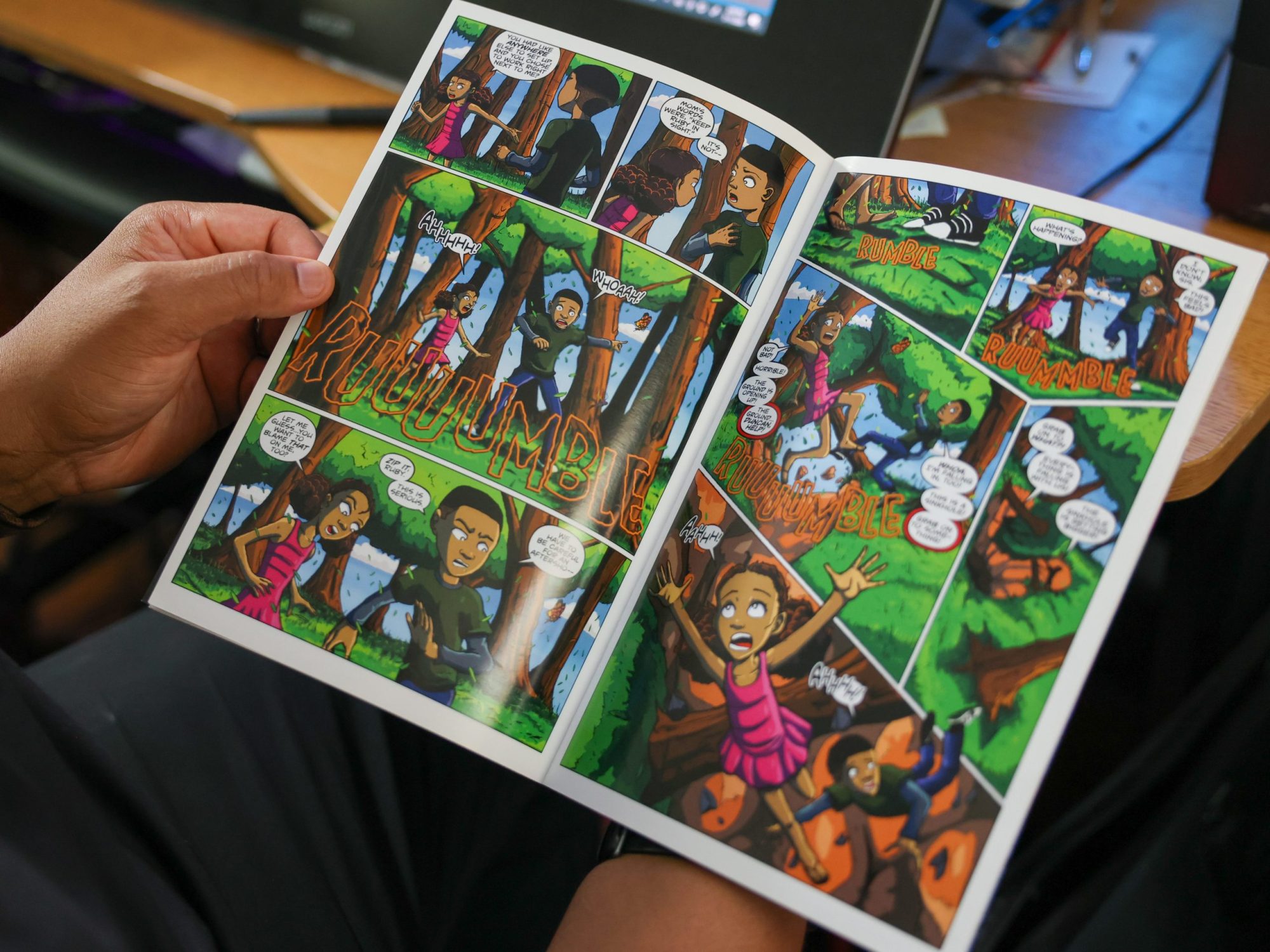
Ellia creates intricate cut-paper illustrations, and Ramel writes and illustrates comic books. Both are driven by a shared mission to tell stories that reflect their communities and inspire future generations.

“I love doing art to make people happy. The art wasn’t just for me; it was for other people,” Ellia said.
From peers to partners
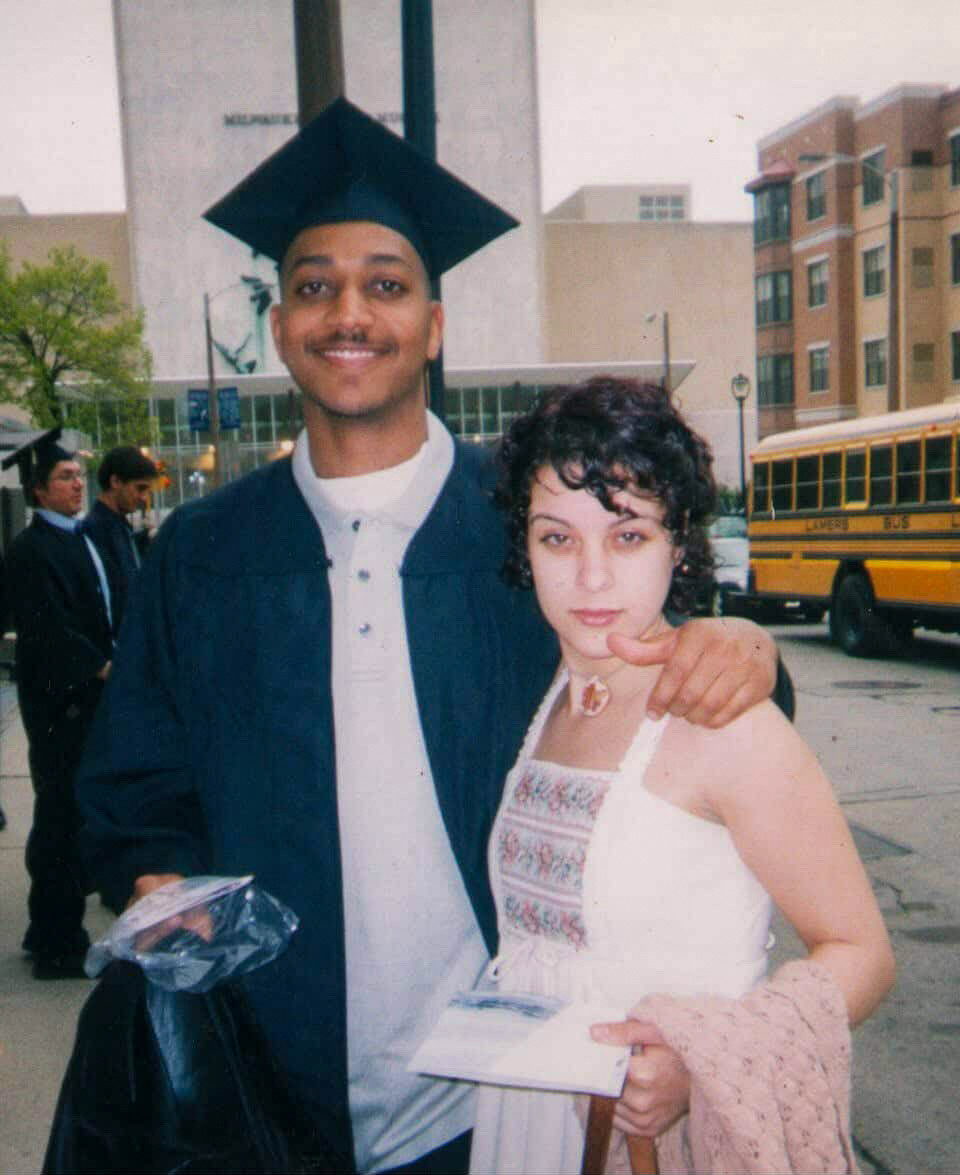
The couple met more than two decades ago while both were studying illustration at the Milwaukee Institute of Art and Design.
“We met her senior year, my junior year, in a children’s book illustration class. I sat in front of her,” Ramel said.
For Ellia, the relationship quickly became a place where she felt seen and understood.
“When Ramel and I started talking, I could just be myself,” Ellia said. “It didn’t matter that I came from a low-income family. It didn’t matter that I was Latina.”
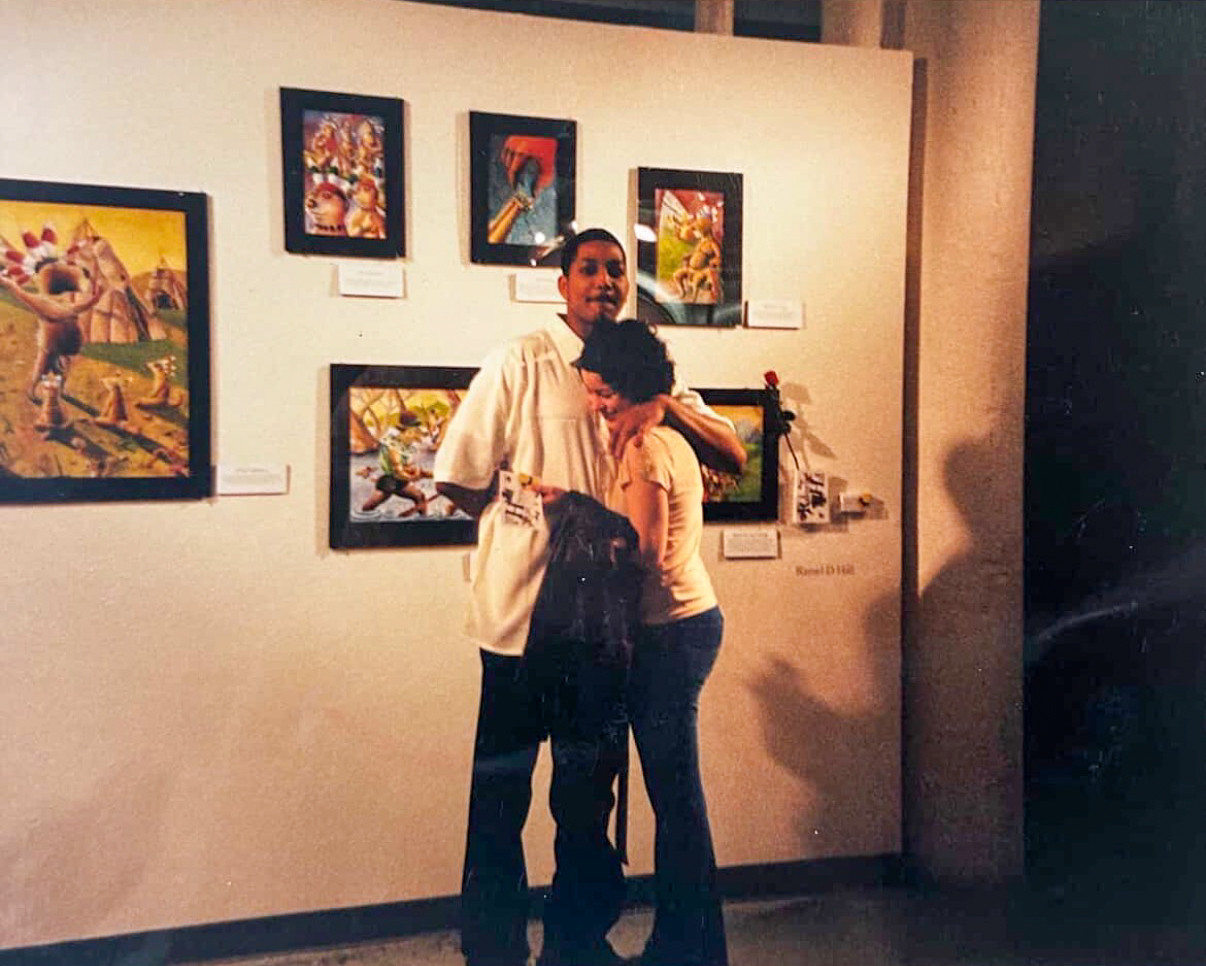
The pair bonded over their experiences as students of color and shared ambition to build careers as illustrators.
“When we talked to each other, there was a lot of comfort not having to put on airs. That’s definitely what drew me to her; we had the same goals,” Ramel said.
Finding their artistic voices
Although they found each other in the same classroom, they each found their artistic voices differently.
Ellia nearly walked away from illustration altogether.
“Painting, it takes so long to let it dry; I wouldn’t wait, and my paints would get thicker and thicker. I was really frustrated,” Ellia said.
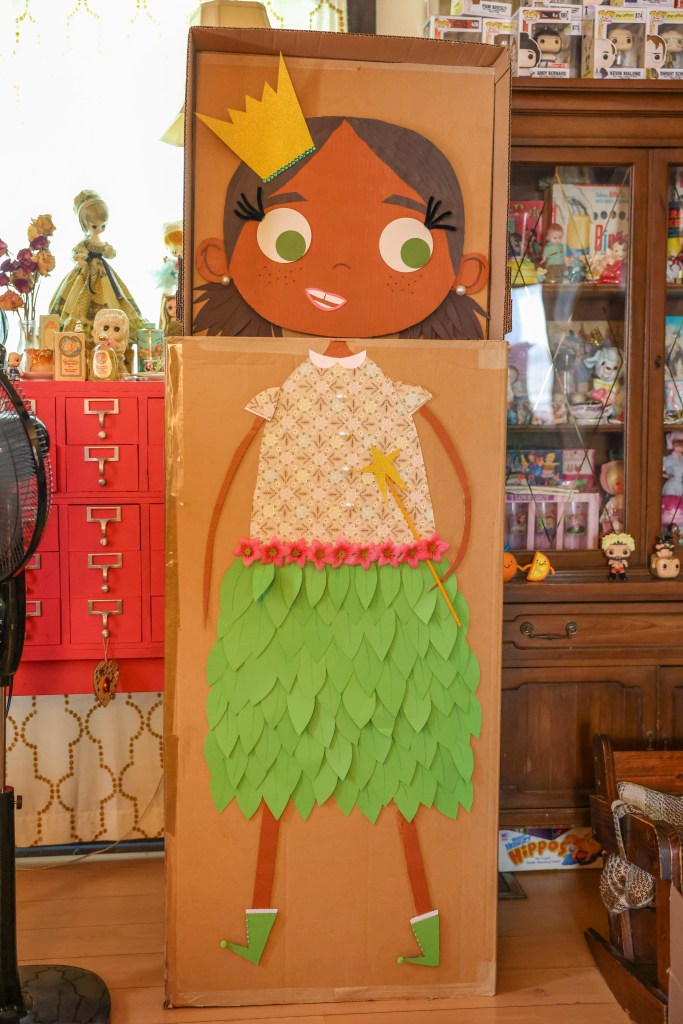
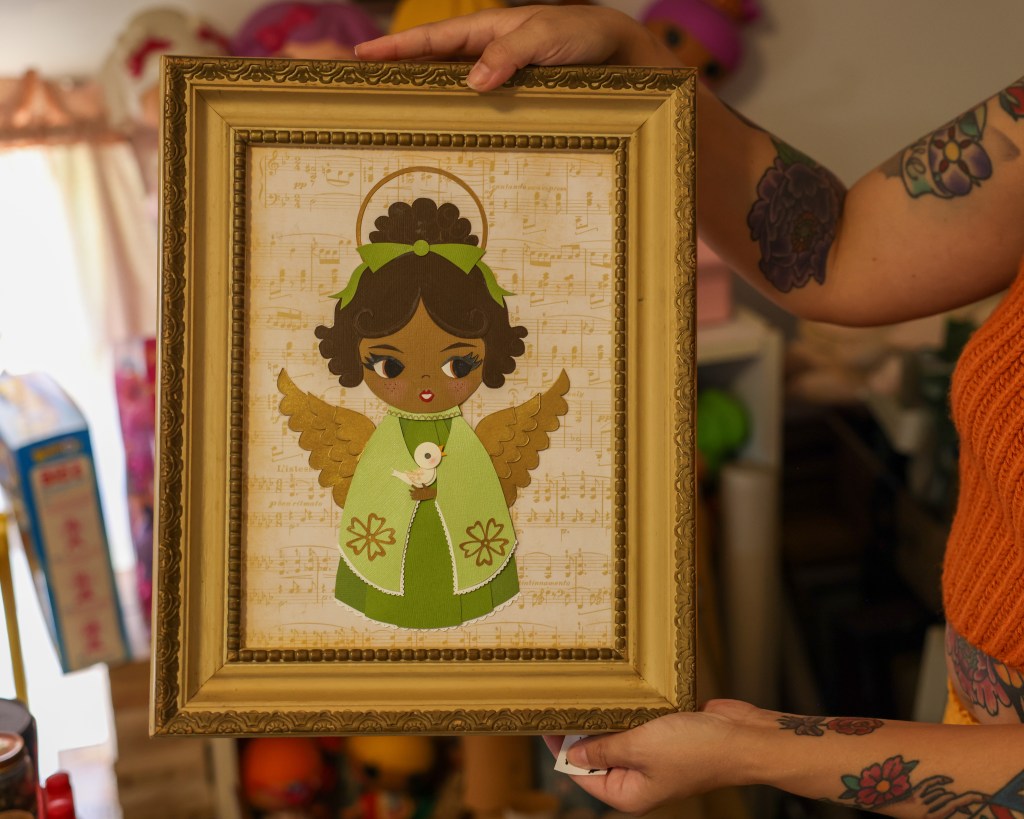
Frustrated with traditional media, she considered dropping out of her program until one of her illustration professors suggested she try working with paper.
“I remember once she showed me – that was it. I started working in cut-paper,” Ellia said.
Since then, she’s collected specialty papers from around the world, transforming them into intricate cut-paper illustrations, gallery works and bilingual children’s books that celebrate her Puerto Rican culture.
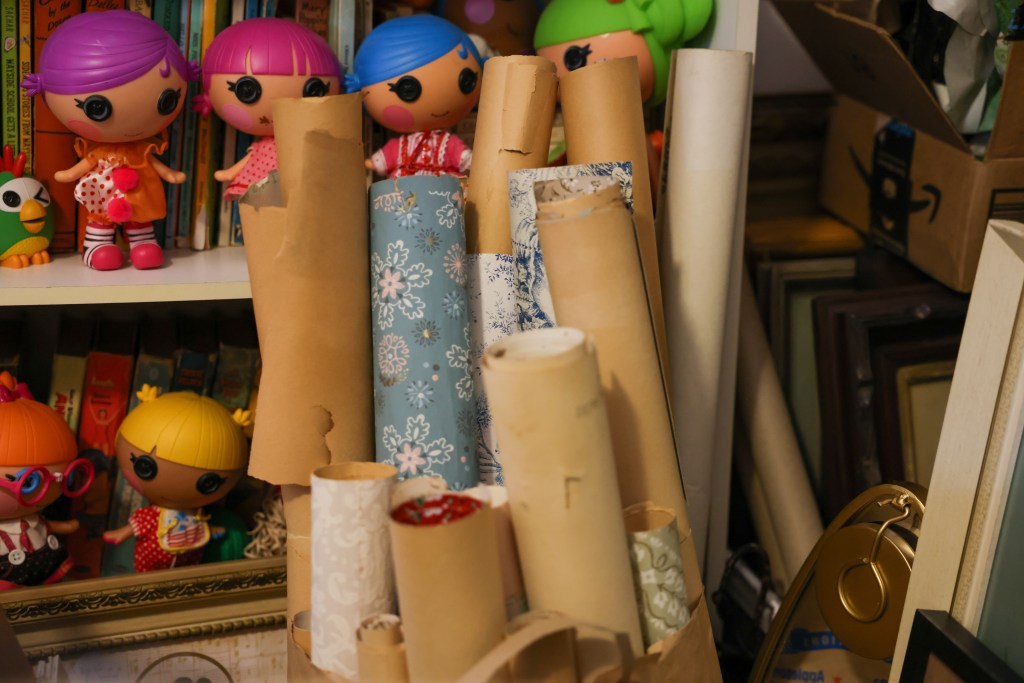
“I liked her style of art. It was something different. I didn’t know you could use paper in a way that she manipulated it,” Ramel said.
Ramel’s artistic path was different. He doesn’t remember a time when he wasn’t drawing.
“From the age of 4 and up, in every class, I would do my work, but then on the side of that same homework sheet, I’m drawing my own cartoons,” Ramel said. “I got in trouble for coloring after the work was done.”
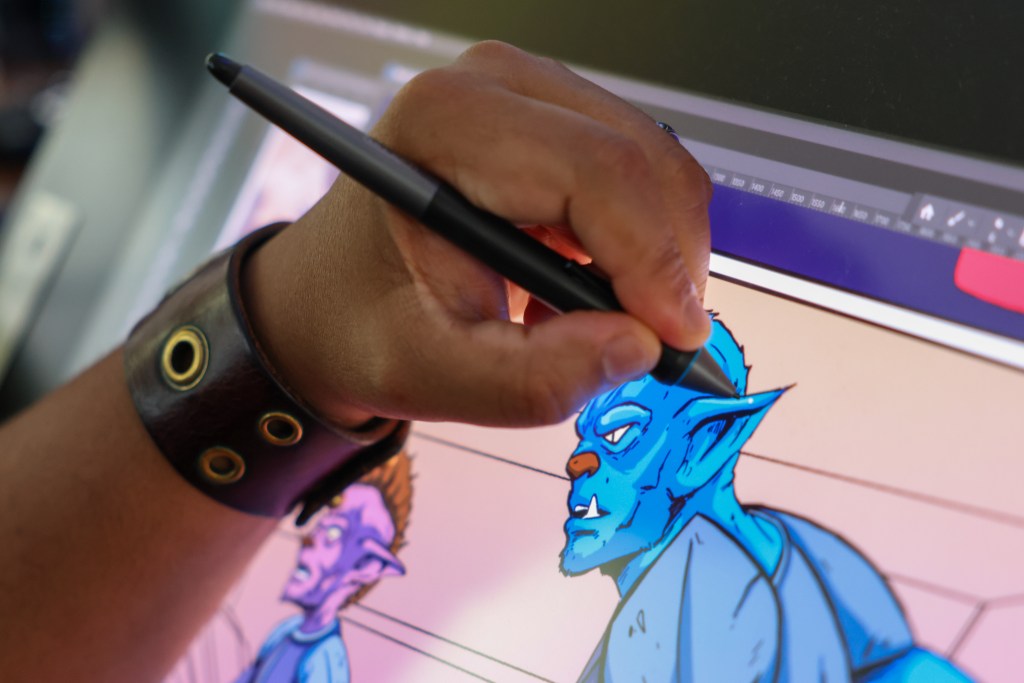
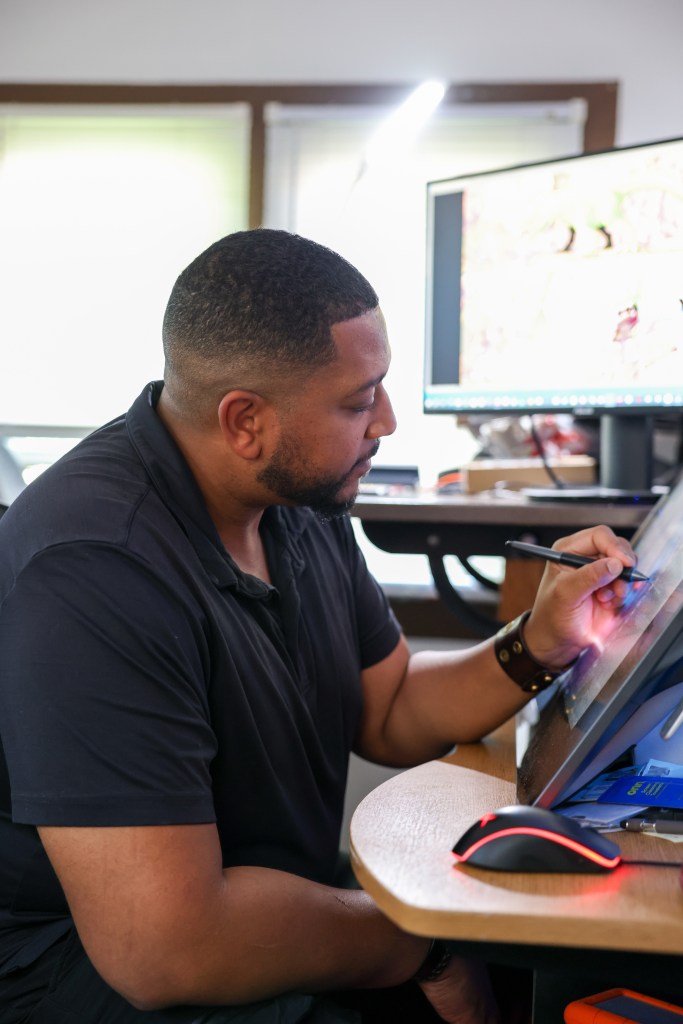
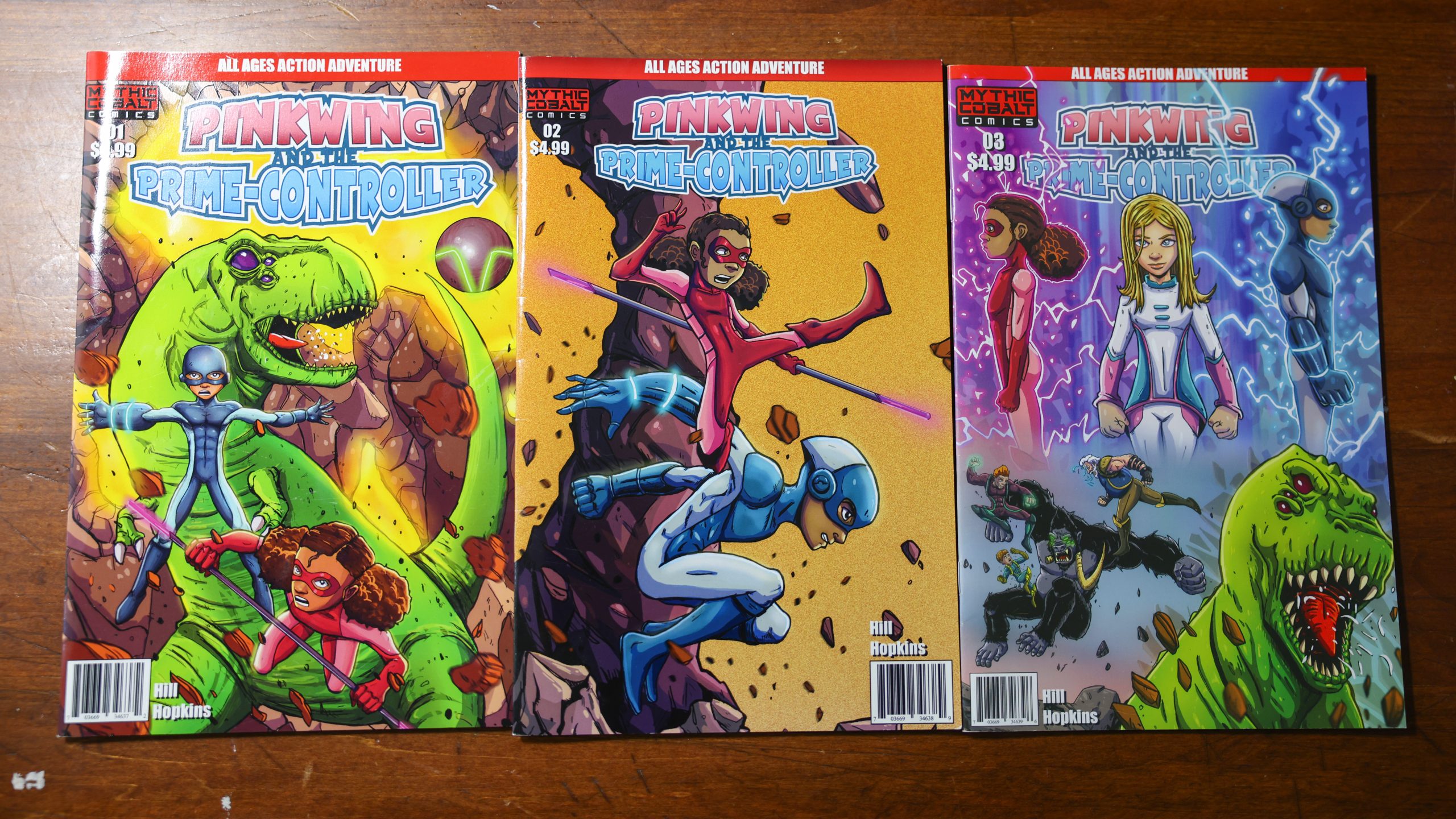
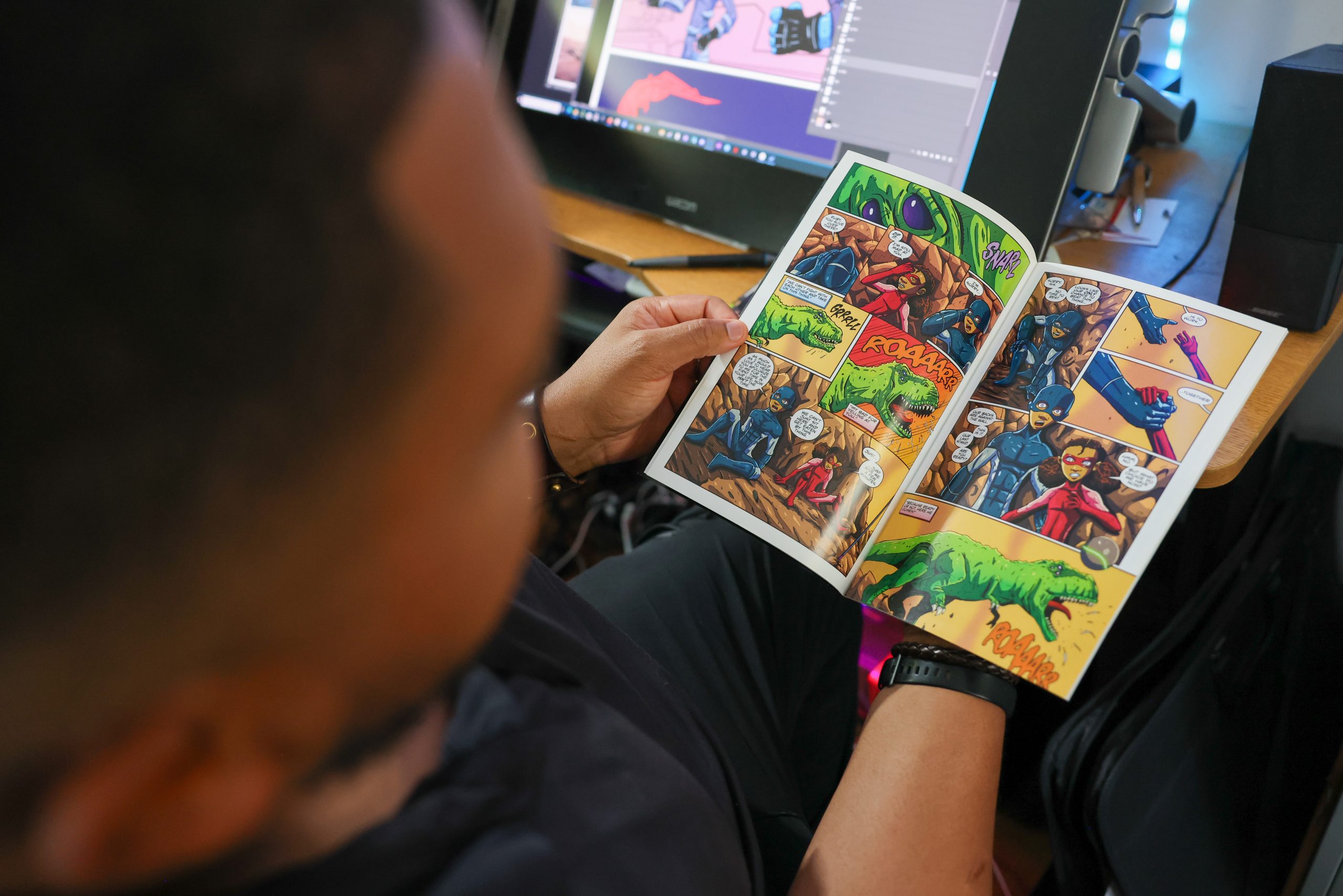
Inspired by comic books and Saturday morning cartoons, Ramel spent his youth drawing comics for classmates and contributing cartoons to his high school newspaper.
Today, he still writes and illustrates comics, treating each panel as its own illustration while building worlds that blend history, fantasy and characters who reflect communities often missing from mainstream stories.
Creating their own representation
For Ramel, representation isn’t an abstract idea; it’s something he sees firsthand at comic book conventions.
“I’ve had a lot of people of color come up to me. Especially this little girl, she asked me multiple times because it was almost hard for her to fathom that my Black characters were not the sidekicks,” Ramel said.
“I enjoy bringing a wider audience to people who are not always represented at the forefront because our stories matter, too.”


Ellia shares that same mission through her cut-paper illustrations and bilingual children’s books inspired by her Puerto Rican culture and history.
She hopes her work helps create representation for stories she rarely saw growing up.
“I think I’m part of creating Puerto Rican art,” Ellia said.


Kristen Himsl Hunter, a longtime family friend and fellow craftswoman, said she’s watched Ellia’s artistic identity become more visible over the years.
“Lately, she’s really come out of her shell as far as her culture, what it means to her to be a Latina and Puerto Rican, and it’s fun to see that side of her,” Himsl Hunter said.
Making art for everyone
The Hills want their work to extend beyond galleries and comic book conventions.
Ellia wants to make art approachable for families, especially those who may not have the re
“Paper is something everyone works with. Everyone’s used to it. It’s not intimidating,” Ellia said.


Growing up in a low-income household, she said she remembers knowing certain activities were out of reach for her family.
“I want to have art that’s accessible for the parents who are looking to do stuff with their kids,” Ellia said. “You might not remember it, but your child will.”
Ramel shares the same philosophy.
“When people think about art, there’s always an invisible wall, this idea that art should be enjoyed by the elites. That’s not the case,” Ramel said.
Himsl Hunter said the Hills have spent years supporting fellow artists and celebrating one another’s successes.

“They’re so supportive of us. Anything that we do; it’s hard to put into words how much that means. When you can give it back to them, it’s a no-brainer,” Himsl Hunter said.
For the Hills, that sense of community is inseparable from the work itself.
“Creating art and being human go hand in hand,” Ramel said. “Every artist has a unique imprint on the world.”

Jonathan Aguilar is a visual journalist at Milwaukee Neighborhood News Service who is supported through a partnership between CatchLight Local and Report for America.
Jonathan Aguilar / Milwaukee Neighborhood News Service
Jonathan Aguilar is a visual journalist at Milwaukee Neighborhood News Service who is supported through a partnership between CatchLight Local and Report for America.
