

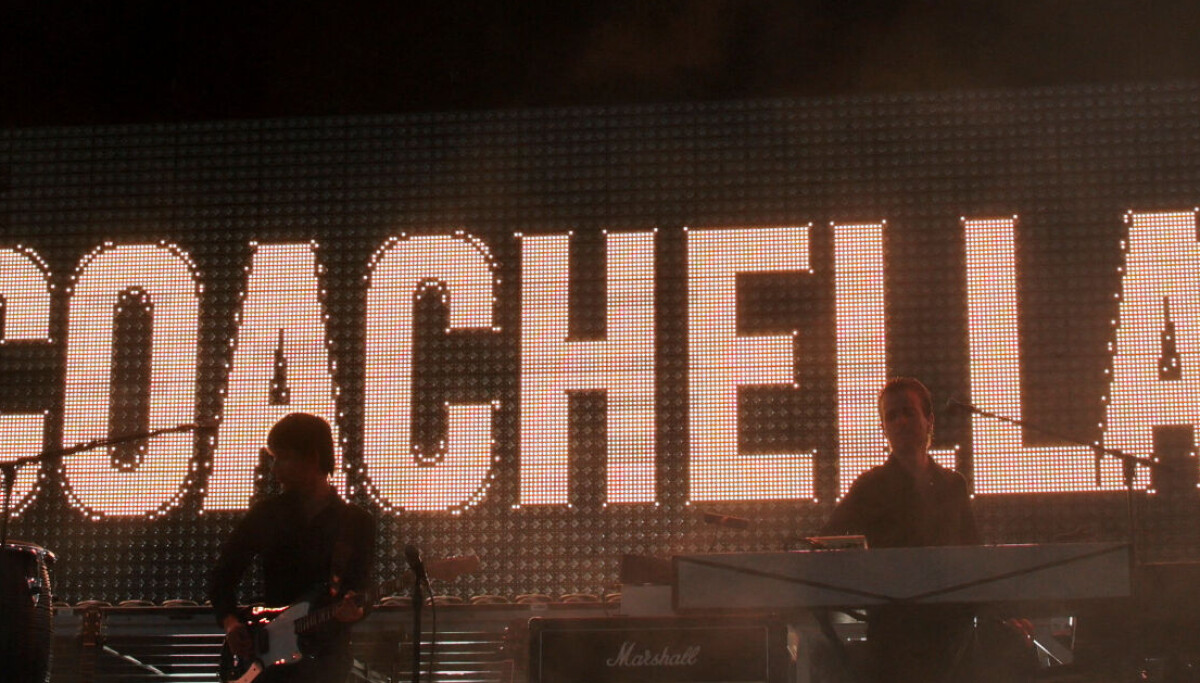
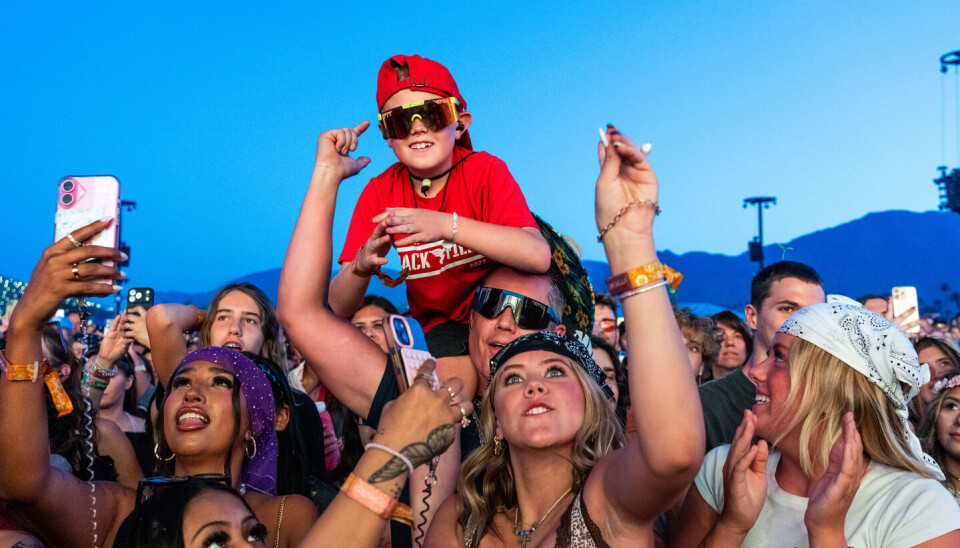
Say “Coachella,” and an image instantly springs to mind: festivalgoers in boho-chic outfits dancing beneath the vast Colorado Desert sky in California, surrounded by dramatic mountain ridges.
Now, the Korean government’s Presidential Committee on Popular Culture Exchange has unveiled an ambitious project to give K-pop its own Coachella: “Fanomenon.”
The name — a portmanteau of “fan” and “phenomenon” — already demonstrates the government’s underlying intention to create a lasting institution, one that can sustain the momentum of K-pop’s fandom-driven economy.
Related Article
-
Gov’t hopes integrated K-pop awards show will become global ‘Fanomenon’
-
Ministry redefines ‘K-culture,’ adds 100 trillion won to sector’s target market size
-
K-pop’s four main agencies in talks to create Korean version of Coachella
But while the phrase “Korean Coachella” has been used left and right by the media for months now, the blueprint unveiled by the committee appears to bear little resemblance to the desert-set music and arts festival. Instead, the project combines an awards show with a separate traveling K-pop festival.
And the latter format sounds strikingly familiar.
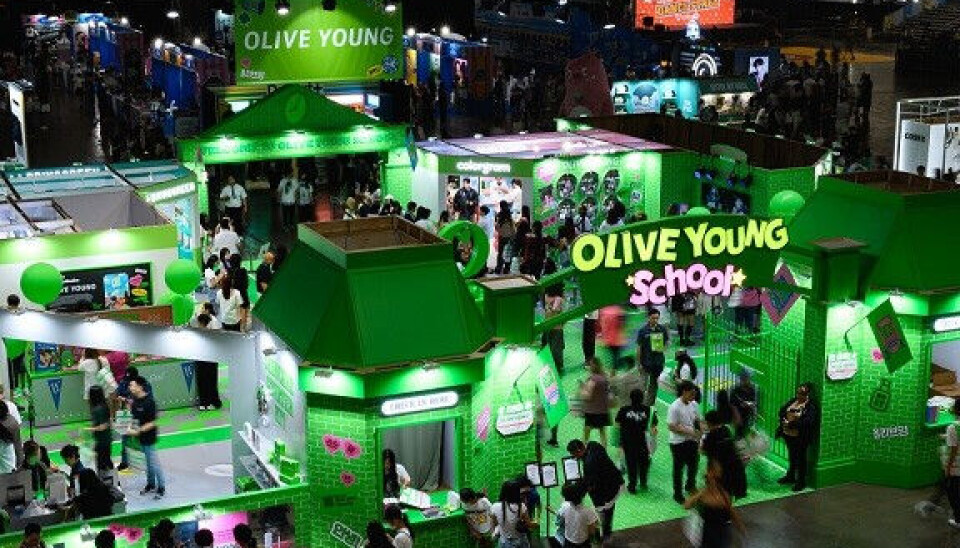
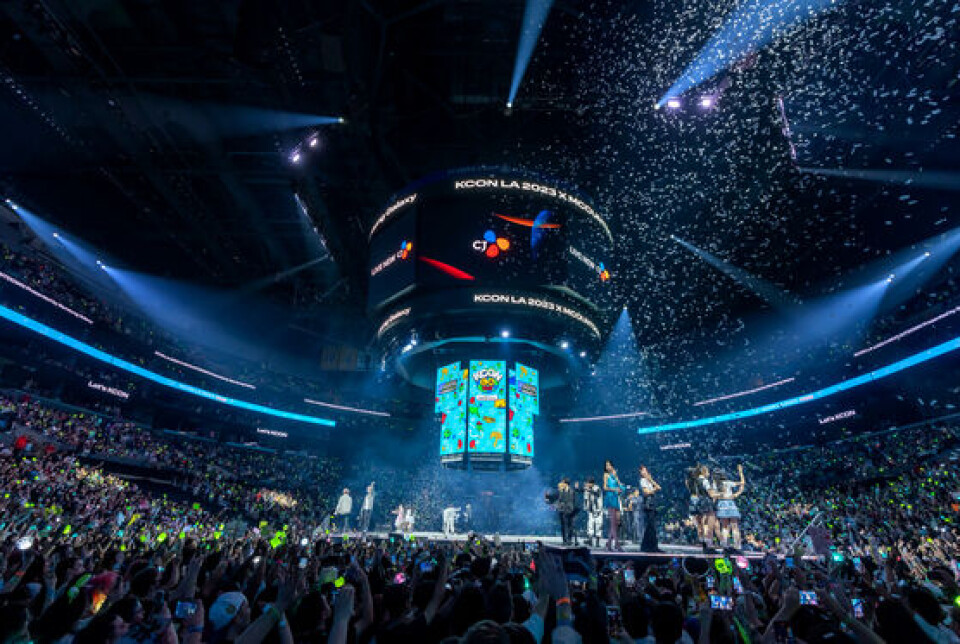
CJ ENM already operates the annual MAMA Awards and KCON festival, which drew about 142,000 attendees to Los Angeles over the weekend, with concerts headlined by NCT 127, ZeroBaseOne and Tomorrow X Together. The festival also offers a range of cultural experiences, such as booths stocked with popular K-beauty products.
So how, exactly, can Fanomenon become K-pop’s own Coachella rather than a state-backed version of KCON?
The project appears to be pursuing not so much Coachella’s format but its prestige, experts note. But since prestige cannot be borrowed, the government faces a difficult question: Can K-pop’s Coachella be built without what made the original the pop culture staple it is today?
Two Fanomenons
The comparisons between Fanomenon and Coachella began in October last year, when JYP Entertainment founder Park Jin-young was appointed as the co-chair of the Presidential Committee on Popular Culture Exchange and set out to create “a new festival that may surpass the Coachella Valley Music & Arts Festival.”
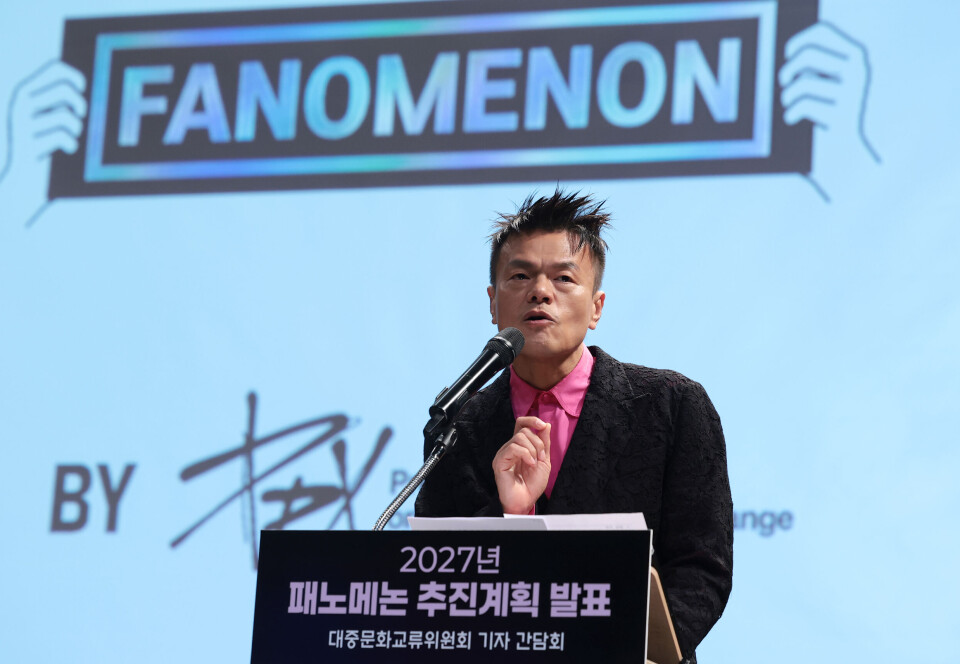
According to a more detailed plan announced on July 27, Korea’s four largest K-pop agencies — HYBE, SM Entertainment, JYP Entertainment and YG Entertainment — will jointly run Fanomenon, which will consist of two pillars: an annual awards ceremony and industry fair, and a massive festival.
The inaugural awards show and convention will take place simultaneously in Seoul and Kintex in Ilsan, Gyeonggi, across 11 days in December next year. The festival’s first edition, on the other hand, will launch in Los Angeles in May 2028. The festival will then move to a different location every year — a strategic choice intended to maximize its international reach.
Park described the latter as “closer to what could be called the Korean version of Coachella.”
In a press release issued that same day, the presidential committee also used the phrase “the Korean version of Lollapalooza and Coachella” to describe the awards ceremony and exhibition.
Based on estimates of the economic impact of BTS’s comeback performance in Gwanghwamun Square on March 21, the committee projects that the 11-day event will attract 520,000 attendees and generate up to 1 trillion won ($714.2 billion) in economic impact.
What makes Coachella Coachella?
Neither the awards show nor the traveling festival, however, resembles Coachella in format, at least on paper.
What, then, defines Coachella?
Held annually at the Empire Polo Club in Indio, California, since 1999, the Coachella Valley Music & Arts Festival has built its identity around not only its star-studded lineup of performers but also its distinctive cultural experience, defined by the stages sprawled across the Colorado Desert.
Kim Ji-hong, a project director at Mint Paper, music label MPMG’s festival operator, cited the defining feature of his Coachella experience as its integration of art and music, as the event’s formal title suggests.
“At Coachella, the art installations that blend into the location’s natural environment are as much a part of the festival as the performances,” he said. “Given that the Fanomenon awards show will take place across […] Ilsan and Seoul, I’m curious how it will draw on Coachella in creating that kind of experience.”
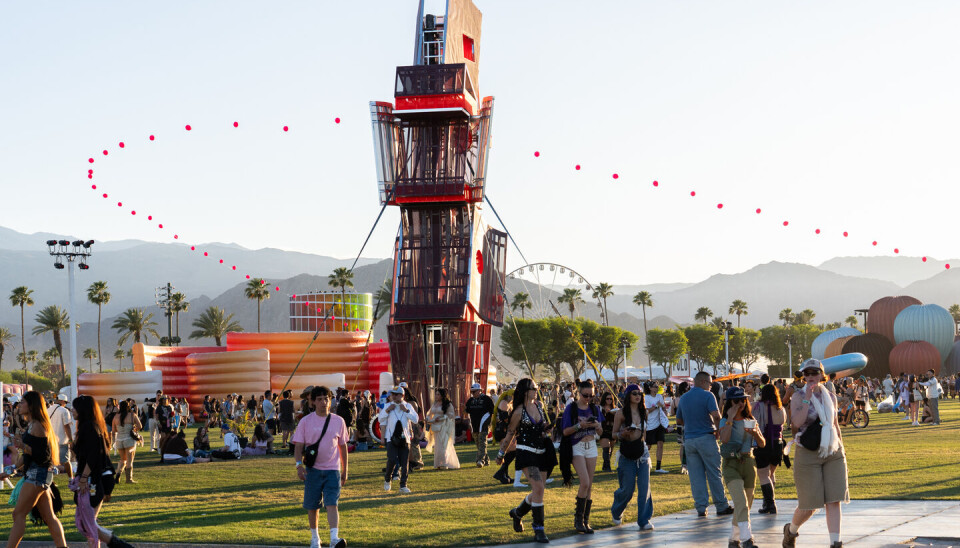
Pop music critic Lim Hee-yoon identified three elements that helped make Coachella what it is today: its venue, a vast field in the Coachella Valley within the Colorado Desert; the presence of high-profile influencers and fashion trendsetters as festivalgoers; and its early adoption of online livestreaming in 2011, which ultimately elevated the festival’s cultural status to a global scale.
The first two would be difficult to recreate through a traveling festival or a new awards ceremony.
“Over the past decade, Coachella has become a […] brand instantly recognizable by name,” Lim said. “Given that Fanomenon’s format and essence appear vastly different from Coachella’s, I personally interpret the phrase [‘Korean Coachella’] as a convenient way of explaining that the plan is to launch a truly large-scale global festival.”
If it’s not Coachella, then is it KCON?
In format, Fanomenon more closely resembles existing K-pop events such as CJ ENM’s KCON or the Dream Concert hosted by the Korea Entertainment Producer’s Association.
Park, however, said that Fanomenon would be “different from existing events in both scale and character because it was organized around a shared goal of pursuing the public good.”
According to the co-chair, the project’s most fundamental objective is to “solidify the opportunity K-culture now has and make it as sustainable as possible.”
“One of our goals, therefore, is to host exhibition spaces for a range of K-culture companies alongside the performances, allowing the large number of visitors to experience various forms of K-culture at once,” he said.
In practical terms, that suggests Fanomenon’s most tangible distinctions may be its scale and prestige.
Does Fanomenon need to be Coachella?
The question, then, is what new role Fanomenon can serve — and how.
To become K-pop’s equivalent of Coachella, Fanomenon must first prove its strength as a global K-pop event.
Mint Paper’s Kim, a veteran director who oversees several of Korea’s long-running music festivals, explained that the Grand Mint Festival, an indie-centric music festival launched in 2007, began with a distinct identity that combines music and lifestyle experiences.
“We started with the idea that not everyone needs to jump around all the time at a music festival,” he said, explaining that this led to the introduction of the Grand Mint Festival’s laid-back picnic zone.
“Over the years, that […] experience became part of our brand and style. Although we have changed considerably from the beginning over the past 20 years and expanded significantly in scale, our festival’s core target audience remains largely the same.”
Because a festival takes several repeated editions to establish enduring brand power, Fanomenon still has much to prove over the next few years.
Lim pointed out that an event like Fanomenon risks serving primarily as a benchmark for showcasing K-pop’s quantitative achievements, such as its economic effect, rather than addressing what the industry truly needs.
“These are areas that the private sector is already fully capable of pursuing successfully without government involvement,” he said. “I believe what the government should do instead is focus on the long-term and social-infrastructure work that the private sector finds difficult because it pursues private interests — for example, expanding K-pop beyond fandom and creating an environment in which more people can enjoy and create music in their daily lives.”
