

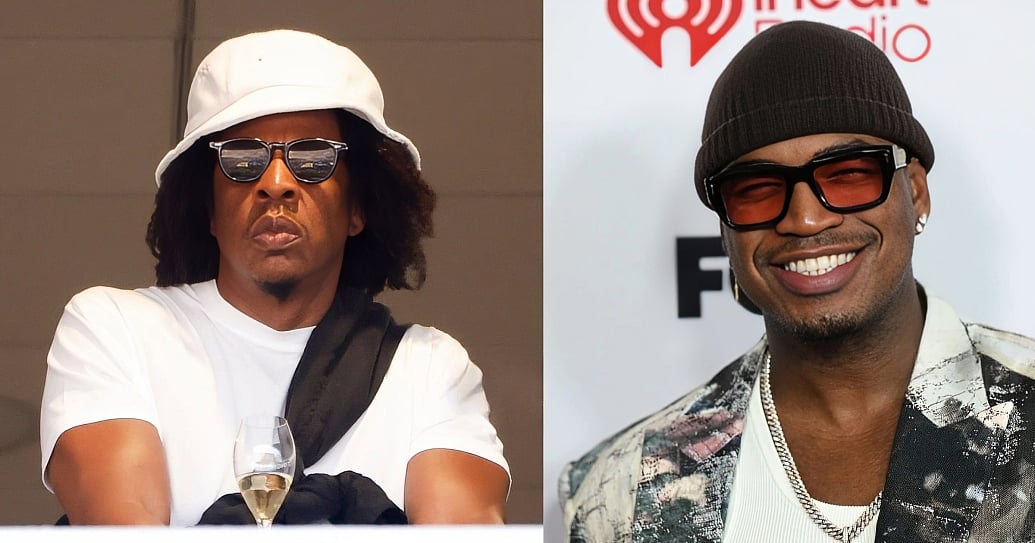
Music moguls Jay-Z and Ne-Yo launch major investments in South Korea
Jay-Z, Ne-Yo Invest in Korea Amid Music Industry Reforms
As Jay-Z and Ne-Yo make their Korea bets, policymakers in Seoul are moving to reform the wider entertainment industry including K-pop and other Korean music, to support its next phase of growth
BYDiya Mukherjee
09 JUL 2026, 05:17 PM
Highlights
- Jay-Z’s MarcyPen is entering Korea with a growth-equity model aimed at scaling founder-led entertainment businesses.
- Ne-Yo’s PMG Korea is also entering the market and has already signed Tiffany Young as it begins building a pan-Asian talent roster.
- Amidst this government is revamping to strengthen smaller K-pop companies and the broader music and entertainment sector.
South Korea is increasingly positioning itself as a key entry point to the wider Asian entertainment industry, as global heavyweights are steadily establishing themselves in the country. Rapper and music mogul Jay-Z is the latest western power player to build a commercial presence in Seoul, leading a high-profile Korean entertainment investment tool amidst a time where the domestic market is battling a structural polarization
The joint venture which is majority-owned by Jay-Z’s MarcyPen with Hanwha Asset Management as a minority financial investor, depicts how deeply global players are betting on the K-pop market and the wider entertainment industry. Evolving from Marcy Venture Partners, which was co-founded in 2018 and manages about $1.1 billion USD in assets like consumer brands including Merit Beauty and Rael, the firm is utilizing a calculated growth equity strategy.
Jay-Z, Ne-Yo Bet Big on Korea’s Entertainment and Music Industry
Unlike traditional venture capital targeting early-stage startups, Jay-Z’s entity will offer expansion capital to established, founder-led companies to close the gap between Eastern and Western markets across the sectors of media, sports, fashion, food, and wellness. According to The Korea Herald, MarcyPen regards South Korea as Asia’s “cultural epicenter.” The company noted that the global success of K-pop icons like BTSand Blackpink, alongside wider Korean content like cinema, has created highly profitable opportunities for cross-cultural expansion into the U.S. market.
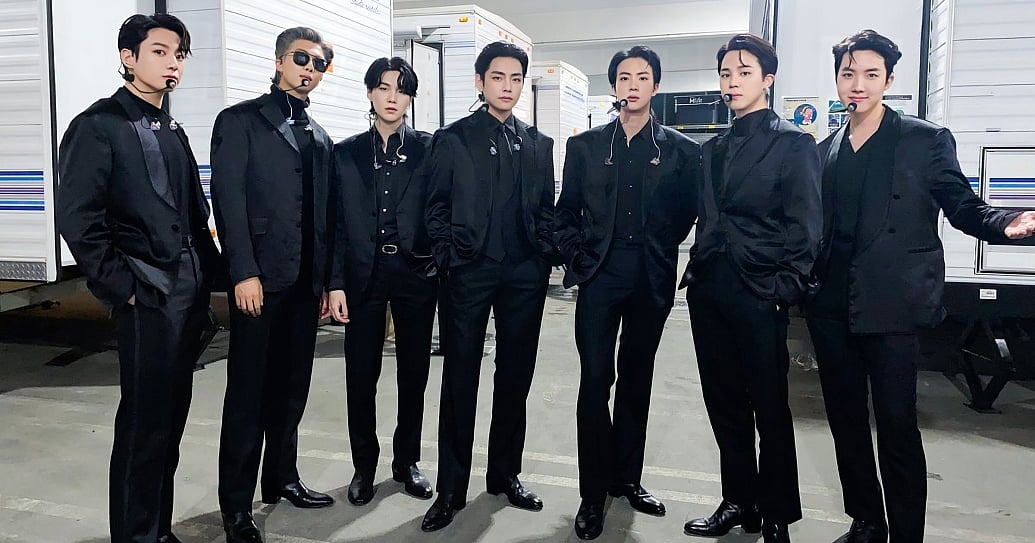
Although the Jay-Z Hanwha partnership implements an asset-driven strategy, R&B artist Ne-Yo is pursuing a hands-on talent play. After a March announcement, his Pacific Music Group launched PMG Korea to identify and create local talent. Ne-Yo’s Korea company’s operations hit a massive milestone in April, when it signed former Girls’ Generation member Tiffany Young to PMG Korea. The move anchors an expansion set at nurturing what Ne-Yo described as the next “pan-Asian superstar,” after the artist witnessed the rapid transformation of music markets across Asiaduring his tours in the region.
Government Moves to Strengthen Korea’s Music Industry
However, this influx of global capital arrives against a turbulent backdrop of the local K-pop business. Data from the Ministry of Culture, Sports and Tourism reveals that popular music logged the highest year-on-year growth in both revenue (15.4%) and exports (32.4%) among all K-content categories as of 2025. However, industry stakeholders warn of a widening systemic gap. The K-pop market, at this moment, is affected by increasing production costs, severe genre concentration, a critical shortage of performance infrastructure, as well as acute regional imbalances.
To address these vulnerabilities, Culture Minister Choi Hwi-young convened a specialized music industry policy roundtable on July 6, 2026, in Korea. To stabilize the local ecosystem, the government outlined itsGlobal Leap Support for Small and Mid-Sized Agenciesproject, which has already provided funds to ten teams this year. The ministry additionally introduced aggressive fiscal interventions like a new music production K-pop tax credit and state-backed credit lines for smaller businesses.
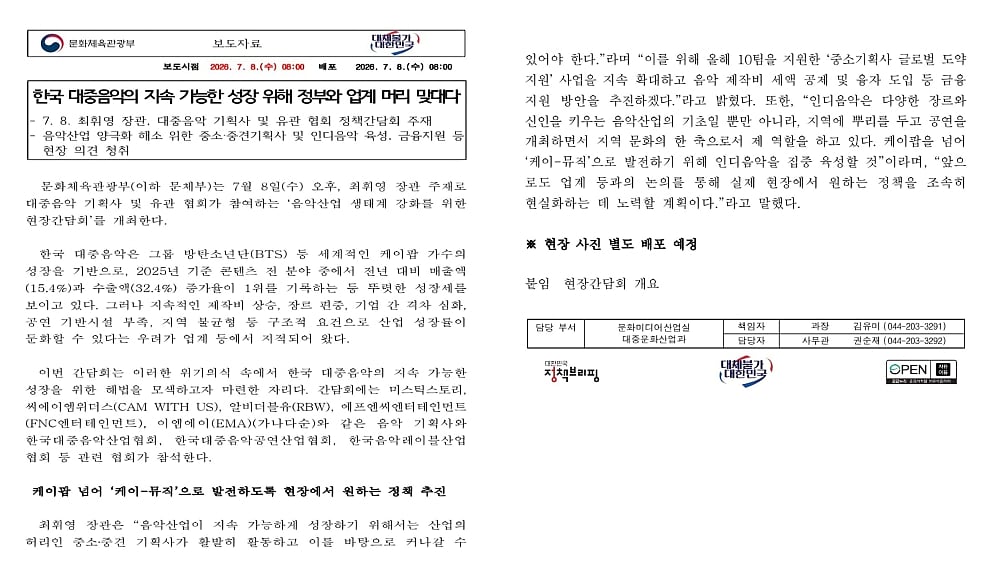
Ministry of Culture, Sports and Tourism Press Release, Republic of Korea
In tandem with the above measures, executive leadership from well-known agencies, including Mystic Story, CAM WITH US, RBW, FNC Entertainment, and EMA, alongside many primary tracking and performance associations, took part in the session to advocate for infrastructure reform and safeguards for indie music Korea. The ministry has also stressed on its commitment to speedily translate these discussions into actionable legislation, indicating that if Korea is to remain Asia’s entertainment investment hub, it must first solidify the foundation that birthed its global creative talent.
Diya Mukherjee
Author
Diya Mukherjee is a Content Writer at Outlook Respawn with a postgraduate background in media. She has a passion for writing content and is enthusiastic about exploring cultures, literature, global affairs, and pop culture
Diya Mukherjee
Author
Diya Mukherjee is a Content Writer at Outlook Respawn with a postgraduate background in media. She has a passion for writing content and is enthusiastic about exploring cultures, literature, global affairs, and pop culture
Published At: 09 JUL 2026, 05:17 PM
Tags:Live EventsBusinessK-PopSouth KoreaMusicUSConcertsBTS
Advertisement
TRENDING
Korean Wave Exports Hit Record $19B as K-Content Boom Accelerates
Jay-Z, Ne-Yo Invest in Korea Amid Music Industry Reforms

Chainsaw Man & Demon Slayer Among 2026 Harvey Awards Manga Nods

Mushoku Tensei Season 3: Release Schedule and Streaming Guide
View More +
Advertisement
Related Articles

Dragon Ball Xenoverse 2 Ends Future Saga With Chapter 4
BYKamalikaa

Ufotable Brings Witch on the Holy Night to Cinemas This November
BYKamalikaa

Korea’s MU:DS Museum Brand Sales Soar 90%, Fueled by BTS Collab
BYDiya Mukherjee

KATSEYE Maintains Billboard 200 Presence Straight for a Year
BYDiya Mukherjee
