

A generation ago, the sports fan in East Africa lived inside a different ecosystem from the one we know today. Radio commentary carried the rhythm of the match. Newspaper columns set the tone of debate the next morning.
Cable television brought European leagues into living rooms in fragmented packages, for those who could afford it.
The relationship between fan and sport was rich but slow, mediated through institutions that controlled the flow of information. The mobile internet has dismantled almost all of those mediations, and the speed of the change has surprised even the operators that drove it.
A Media Stack Built Around the Phone
The phone is now the primary screen for sport across most of the region. Match highlights arrive on social platforms within minutes of the final whistle.
Live commentary streams in multiple local languages. Statistical dashboards that once belonged to professional analysts now sit one tap away from the casual viewer.
The bookmaker, once a physical shop on a high street, has moved into the same handset that carries the highlights and the commentary.
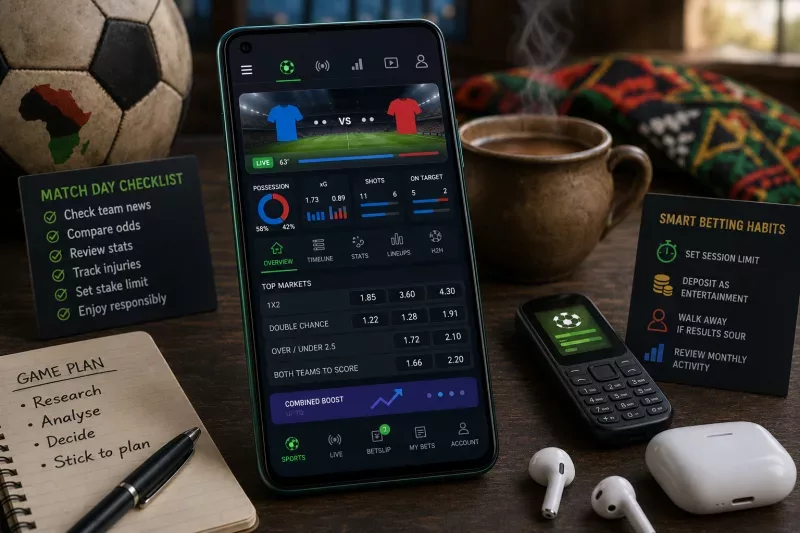
For an online query like1xbet online Somalia, as for any other regional sports-media touchpoint, the user arrives at a digital surface that bundles odds, scores, live data feeds and account services into a single mobile experience.
The integration is technical, but it has cultural consequences: sport is now consumed, discussed and wagered on within the same five-minute attention window.
Operators serving the region have built their products around that reality. Lean Android packages, signed and distributed directly from the brand’s official domain, keep installation light. Native clients optimised for modern ARM processors load faster than browser-based interfaces. The data footprint matters, because metered mobile bundles remain the default across most East African networks.
What Has Changed in the Fan’s Daily Routine
The shifts are most visible in the routines around match days. Five behaviours, none of them universal but all of them widespread, capture the new pattern.
-
Real-time fan groups on messaging platforms substitute for the post-match debate that once happened over chai the next morning.
-
Cross-league following has expanded, with bettors and analysts tracking obscure fixtures from continents they have never visited.
-
Voice notes and short-form video have replaced text commentary as the medium of choice for amateur punditry.
-
Mobile-money rails carry the everyday transactions that used to require a trip to a bookmaker’s window or a bank branch.
-
Statistical literacy has risen sharply among casual fans, who now talk about expected goals and xG models in the way previous generations talked about goal difference and clean sheets.
The shifts are most visible in the routines around match days. Five behaviours, none of them universal but all of them widespread, capture the new pattern.
Real-time fan groups on messaging platforms substitute for the post-match debate that once happened over chai the next morning.
Cross-league following has expanded, with bettors and analysts tracking obscure fixtures from continents they have never visited.
Voice notes and short-form video have replaced text commentary as the medium of choice for amateur punditry.
Mobile-money rails carry the everyday transactions that used to require a trip to a bookmaker’s window or a bank branch.
Statistical literacy has risen sharply among casual fans, who now talk about expected goals and xG models in the way previous generations talked about goal difference and clean sheets.
None of these shifts are reversible. The infrastructure that enables them — affordable handsets, expanding 4G coverage, mobile-money platforms with deep merchant networks — has reached the threshold where it is part of the basic fabric of urban and increasingly peri-urban life.
What the Data Says About the Mobile Sports Economy
Industry research has begun to put numbers on what daily observation has already shown.
According to figures compiled by theWorld Bank, mobile broadband subscriptions across Sub-Saharan Africa have grown at one of the fastest rates of any region on the planet over the past decade, with the digital economy expected to add a meaningful share of regional GDP within a generation.
Sports media, including the legal sports-betting segment, is one of the sectors most directly tied to that growth, because it relies on the same combination of low-latency mobile connections, mobile-money infrastructure and high consumer engagement that defines mobile-first economies.
The structural implication is straightforward. Any sports-related service that wants to reach the regional consumer at scale must be built for the mobile-money rails and the metered data plan first, and for the desktop browser second. That principle now shapes product roadmaps from local startups to multinational operators.
A Cultural Shift That Calls for Discipline
The same mobile stack that opened the world’s sports to the East African fan also opened a new category of personal financial decision-making.
A wager that once required a deliberate trip to a betting shop now takes ten seconds and a fingerprint. That convenience is a feature, but it raises the cost of impulsive choices.
Operators retain a structural mathematical edge over the long run, which is the basic arithmetic of the industry rather than a flaw in any particular brand.
Setting a session limit, treating any deposit as committed <a href="https://comicvibe.com/police-consider-investigating-kfas-sexual-entertainment-allegations-from-15-years-ago/” title=”Police consider investigating KFA's 'sexual entertainment' allegations from 15 years ago”>entertainment spend and stepping away when results sour are the habits that keep mobile sports culture sustainable.
The same generation that learned to use mobile money responsibly is now learning, in real time, to bring the same discipline to mobile sports media.
