
Dexter Clark does not have a posting schedule. He has a game studio, and the distinction matters.
At 28, Dexter is the lead developer and co-founder of Peak Precision Studios, a Roblox game-development group with around 230,000 members. On the platform, he goes by GodzGalaxy. The studio’s games, including the competition-style hits “Outlaster” and “Eviction Notice,” have together accumulated hundreds of millions of visits without a content calendar, a trending audio clip, or a personal brand built around daily uploads. In the Creator Economy, Dexter represents a different category: a builder of products and communities, not an audience around himself.
“I’ve been doing Roblox for over 10 years now,” Dexter says. “It turned into something that became a lot more adult, a lot more lucrative as a business. This is pretty much one of the only things I’ve done.”
He is self-taught. There was no mentor, no industry pathway, and no playbook for what he was building. He learned through Roblox forums, conversations with other developers, and years of trial and error in Lua, the platform’s programming language. He built the business at the same time he was figuring out how the tools worked.
A Hobby That Grew Into a Company
Dexter started using Roblox Studio at 16, not as a career strategy but as something to do. He was a high school student experimenting with a creative toolset that most people in his life did not take seriously.
“I would just make assets and design stuff with friends using Roblox Studio,” he says. “It was just all for fun and games. We wanted to see what kind of goofy stuff we could make.”
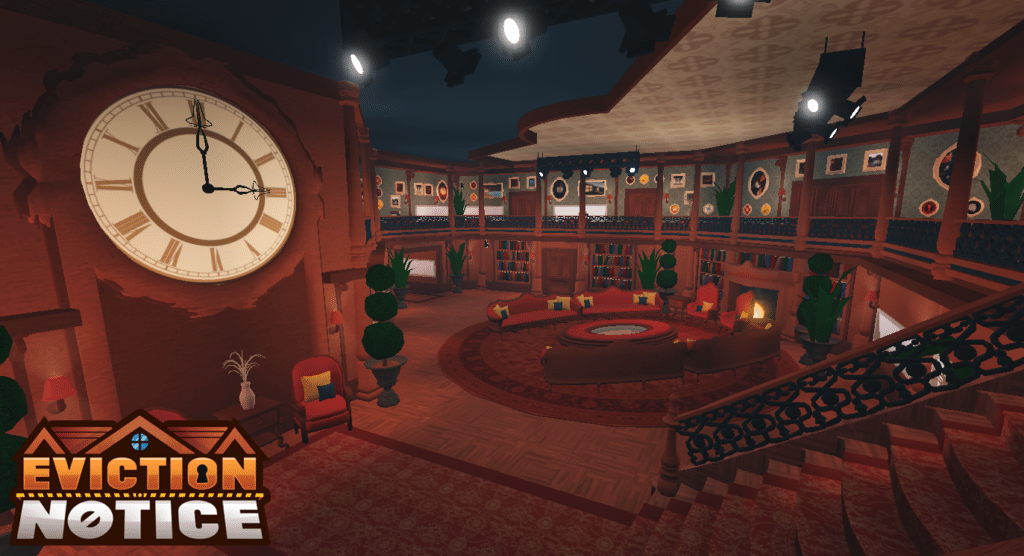
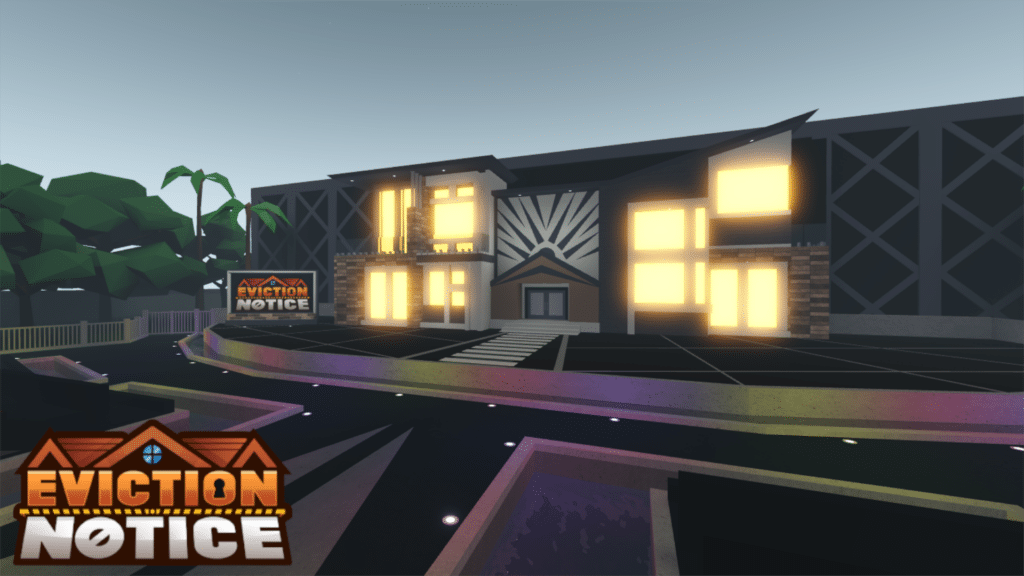
The pivot toward business came at 18, when Dexter was legally old enough to register a company. By then, a community had already formed around the reality competition-style games his group was building. The players who showed up brought not just engagement but a social structure: a group of people who wanted to be inside what he was making, not just observe it from outside.
Today, Peak Precision Studios operates with around 10-12 core developers, a layer of moderators and server managers, and millions of cumulative player visits across its portfolio. Dexter manages all of it, overseeing 3D design, modeling, texturing, and coordination of engineers, audio specialists, and testers.
The Game That Changed Everything
Peak Precision Studios had been experimenting with competition-style games for years before its defining moment arrived. In 2020, the studio released “Outlaster,” built around elimination mechanics familiar to fans of shows like “Survivor.” It was not the studio’s first attempt at the format. It was the one that held.
“Everyone really loved it,” Dexter says. “It’s still very much a staple in the community today. I’m just honestly very surprised and happy with how long it’s been able to hold its own, even with all the new tech and fun stuff coming out on Roblox.”
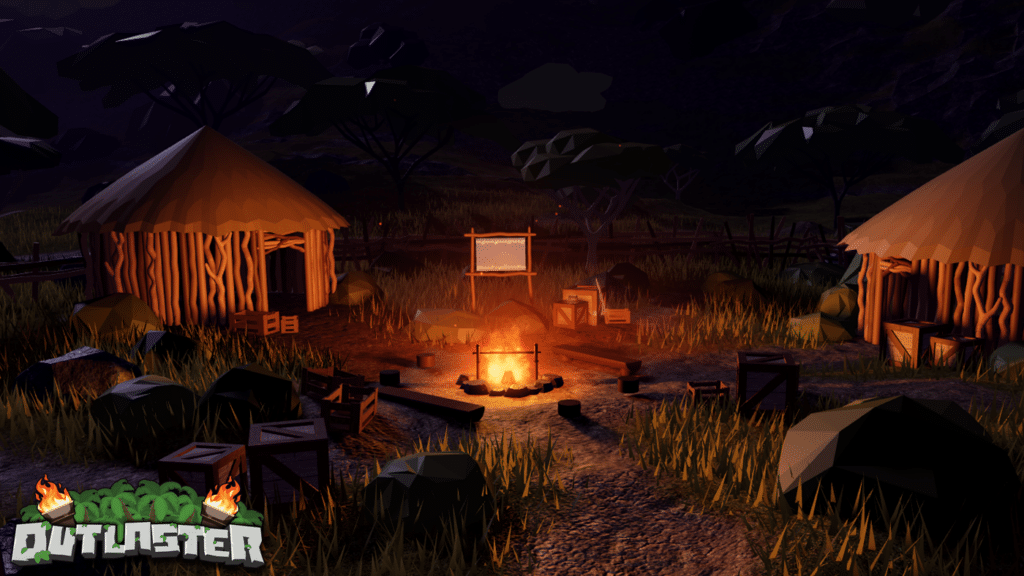
“Outlaster” has since accumulated over 279 million visits
For the typical social media creator, the central performance metric is a follower count or a view total on a single video. For Roblox developers, the unit is visits: how many times players have entered a game. “It’s a different type of validation,” Dexter says. “It shows that your hard work pays off. It gives more of a sense of fulfillment that’s more deep-rooted than face value.”
A visit requires a player to choose to return. It is not a passive impression delivered by an algorithm. For brand marketers accustomed to measuring reach and frequency through content distribution, that difference in how engagement is earned is worth paying attention to.
How the Revenue Actually Works
Roblox operates on a virtual currency called “Robux,” which players purchase and spend within games across the platform. When players spend Robux inside a Peak Precision Studios game, the studio accumulates those earnings. Through a system called DevEx (Developer Exchange), developers convert accumulated Robux into real-world currency.
“It starts in its own little world, and then Roblox compensates us for contribution to the website,” Dexter says. “It’s very straightforward.”
The model means the studio’s games generate income continuously as players engage, independently of whether Dexter is actively producing new content that day. He resists calling it passive income.
“I mostly want to make sure that I’m constantly contributing to the games that are bringing me that revenue,” he says. “Passive is not necessarily the word I would use for the way that I develop my games. It’s definitely very active.”
Games that earn persistently still require ongoing updates, moderation, and new content to sustain the player engagement that drives the revenue. The income is continuous because the effort behind it is too.
What Brands Are Still Getting Wrong
From the outside, Roblox game development does not map onto the framework most brand marketers use. In Dexter’s model, the creator may not be the person on camera. He is the person who built the world.
Dexter identifies a persistent gap in how outsiders understand what studios like his actually represent. “Roblox provides a free platform for you to build,” he says. “It’s a place where indie devs can really go to thrive from an independent standpoint.”
The barrier to entry is low. The ceiling, for serious developers, is not. Dexter has worked with a handful of brands and sees those partnerships as notable, not just for revenue but for what they signal about the platform’s standing.
“It kind of gives it more attention, like all these other AAA studios that are making huge games with all kinds of ads,” he says. “I think it’s not wise to count us out. I think it’s important to recognize that we’re just as legitimate as a platform as anywhere else.”
Unlike influencer campaigns, which borrow attention from an existing personality, partnering with a Roblox studio means entering a community where users already spend time. The brief looks different: not built around reach, but around how a brand fits into a world someone else built.
Building Toward Whatever Changes Next
What Dexter has built challenges a foundational assumption of the Creator Economy: that creating means producing content, and that an audience is something you broadcast to. Peak Precision Studios has neither a content schedule nor a face audiences follow. It has games people return to, a community with its own infrastructure, and revenue that compounds with every session.
Dexter’s approach to whatever comes next reflects the same philosophy that built the studio in the first place. “I want to be as adaptable as possible, so things will constantly change,” he says. “That is tech at large. I want to be prepared for whatever’s coming next.”
He built Peak Precision Studios from a high school project into a multi-game studio with hundreds of millions of visits, using tools he taught himself and practices he developed in real time. The games he built have outlasted multiple platform changes and kept finding players through each one.
“If you really enjoy the passion and the effort that you’re putting into stuff like what we do here at our studio on Roblox, you can get all kinds of success,” he says. “Moving forward, as much as things change, for better, for worse, or whatnot, it’s just important to stay focused.”
Check Out Our Podcast