

Skip to commentsPublished: October 3, 2026Updated: October 3, 20261 minute0 comments
A gathering of Political Artists, talking to Ralph Steadman, E&P’s Rob Tornoe on AI in newspapers, fired Stars and Stripes publisher Max Lederer named E&P’s News Executive of the Year, James Gillray on early 19th Century medical practices, and Comics Illustrated: The Census by Connie Hanzhang Jin andHansi Lo Wang.
America 250 and the Republic of Satire
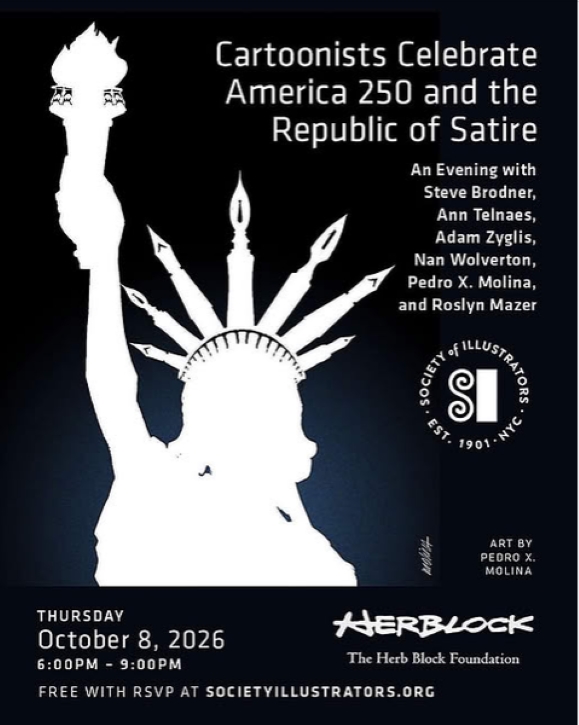
The Society of Illustrators (SoI) has partnered with The Herb Block Foundation to bring “a high-energy evening with political cartoonists and scholars to honor the freest speech: satire.”
“On Thursday, October 8, from 6:00 – 9:00 pm, hear award-winning cartoonists and illustrators Steve Brodner, Ann Telnaes, and Adam Zyglis discuss satire’s fraught ecosystem. Historian of early American culture and visual art Nan Wolverton from the American Antiquarian Society will chronicle satire’s central place in American political debate, Nicaraguan cartoonist and illustrator Pedro X. Molina will document threats to satire today, and free expression advocate Roslyn Mazer will review satire’s protection under the First Amendment.”
The event happens at the Society in New York City and is free, but tickets are limited.
Political Satirist Ralph Steadman on Cartoons
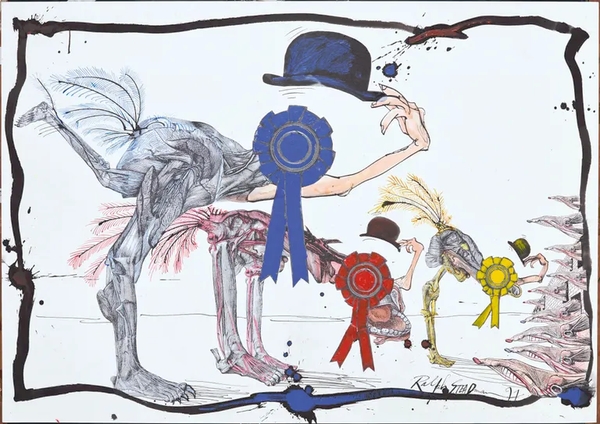
On the occasion of the short lived exhibit Ralph Steadman: Out of Line (Original Works 1961 – 2016) James Fisher for Counrty Life talks to and briefly profiles the famed illustrator and cartoonist.
“Ralph has made a life out of mischief. A career in cartoons began with training in technical drawing with the Royal Air Force, and a correspondence course at the Percy Bradshaw Press Art School. His first cartoon was published in the Manchester Evening Chronicle in 1956, followed by commissions for Private Eye and Punch.”
Newsrooms Need Stronger Standards and Transparency
Editor and Publisher (E&P)cartoonist and columnist Rob Tornoe discusses the increasing encroachment of AI as a crutch into the cartoons and reporting of newspapers.
“I come into this with my own shade. As a writer, I see the slop pumped out by robots across the internet and worry about news organizations — especially those owned by hedge funds — driving away our declining readers in the search for more profits. As a cartoonist, I abhor how images can be created at the click of a button by tools largely built by stealing the work of real working artists.”
As newspapers increasingly lay off newsroom people and rely more on syndication for op-ed content:
“None of the major content syndication companies appear to have a public-facing AI policy regarding their own content. Tribune Content Agency’s AI policy guidelines are mostly focused on restricting how subscribers can use their content. So, it may come down to editors needing to scan pieces before publishing them on their own platforms.”
Editor and Publisher Designates Stars and Stripes’ Max D. Lederer, Jr. ‘News Executive of the Year’
E&P named former Stars and Stripes publish Max Lederer “News Executive of the Year” for 2026.
“In August 2026, Lederer announced his retirement, citing differing opinions with Pentagon leadership about Stars and Stripes’ future. The Pentagon subsequently fired Lederer, alleging insubordination for his refusal to dismiss Editor-in-Chief Erik Slavin and Reporter Lara Korte after their public comments affirming Stars and Stripes editorial independence and mission. Lederer, Slavin and Korte have sued the Pentagon, arguing that their dismissals were unlawful and retaliatory.”
James Gillray and Georgian Medical Satire (Wayback Weekend)
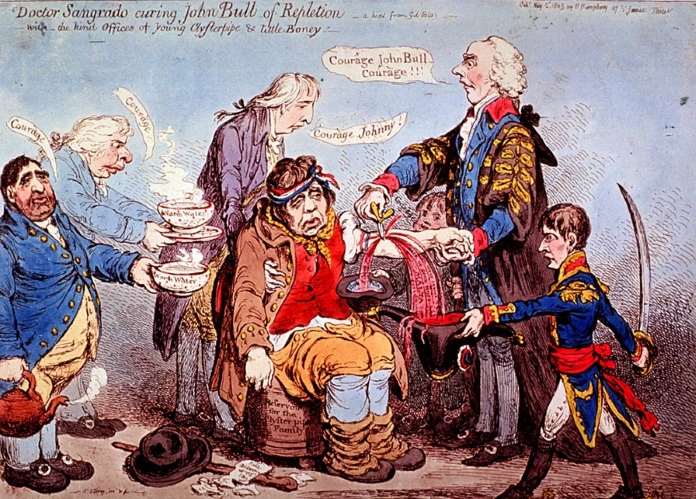
Ben Richardson for the National Institutes of Health and the National Library of Medicine dives into James Gillray’s (‘the father of the political cartoon”) recording of medical practices during the late 18th and early 19th centuries in “James Gillray and Georgian Medical Satire.”
“In embracing this topic, Gillray was continuing a long tradition of British medical satire in which doctors, patients, and their remedies regularly appeared as figures of public derision. Particularly during the Georgian period (1714-1830), professional medicine provided a wealth of material for such humor. Treatments ranging from bloodletting and emetics to purgatives and enemas could be painful, humiliating, and often ineffective, while the boundary separating reputable physicians from medical quacks in many cases remained relatively ill defined. “
The Census Illustrated
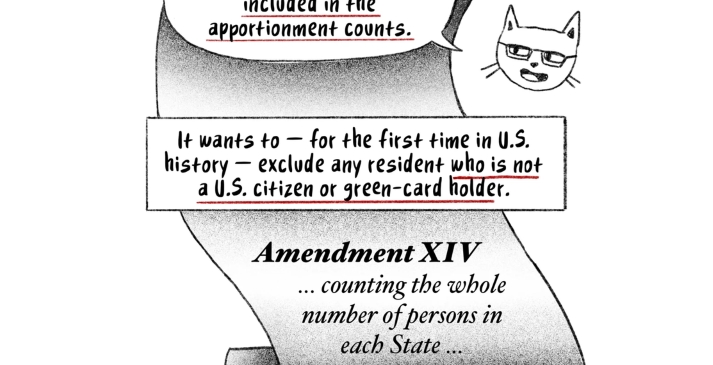
Georgia Public Broadcasting re-presents an abridged version ofConnie Hanzhang Jin and Hansi Lo Wang’s comic “How Your State Gets Power.”
“Editor’s note:Earlier versions of this comic were published in2020and2021.”

1 Comment
Pingback: Bigg Boss Telugu 10: Is Varshini in danger zone? Voting trends fuel elimination buzz - Comic Vibe