

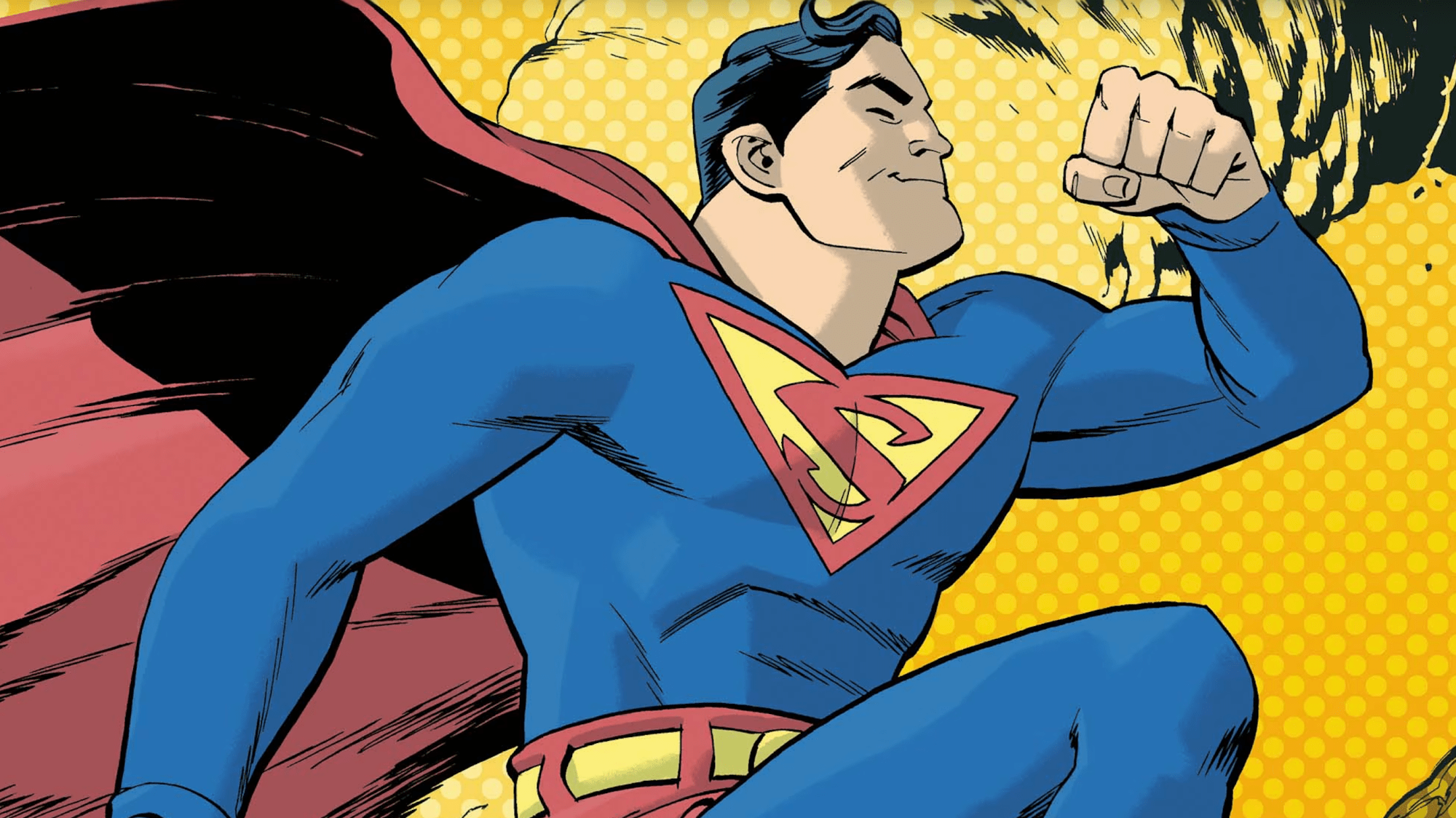
In 1938, the world changed forever with the debut of Superman. A Man of Steel who fights for a better tomorrow, Superman has shown what it means to be a hero for nearly a century. As such an old character, DC Comics’ premier superhero has undergone numerous changes to his story, powers, and supporting cast, and is now a godlike alien who can move planets, exceed the speed of light, among other fantastic powers, and fight all manner of supervillains. However, DC’s new Black Label Elseworld Superman: The Stranger #1 goes back to basics and sees the triumphant return of the original Golden Age Superman while getting to the root of his character which has managed to stay relevant for decades.
Videos by ComicBook.com
There have been many incarnations of Superman over the years. And while the Golden Age Superman was the original, he’s technically not the one people know of today. Early on in DC Comics’ history, the Golden Age characters were shuffled onto Earth-Two, while the Silver Age and beyond took place on Earth-One and were treated as the main DC continuity. Even now, the rebooted Superman is treated as the one and only Man of Tomorrow. Earth-Two Superman would make sparse appearances in crossovers like Crisis on Infinite Earths until he was eventually killed in 2006 during Infinite Crisis. Now, after 20 years, the Superman who started it all is back in an all-new series that perfectly encapsulates what makes him so special.
The Return of Golden Age Superman
The story of Superman: The Stranger is set in 1938, the year that Action Comics #1 was published and the Man of Tomorrow made his big debut. The time period isn’t the only difference, as the Black Label miniseries removes all the extra baggage of over 80 years of lore and cosmic feats to show who Superman is as originally intended by his creators, Jerry Siegel and Joe Shuster.
Instead of an all-powerful and ever-optimistic symbol of hope, Superman: The Strangerdepicts a far more grounded version of DC’s greatest hero. Instead of being raised by a loving adoptive family, Clark grew up in an orphanage before being forced to live on the streets and work in a sweatshop. Clark’s also a janitor for the Daily Planet instead of a reporter. Superman’s powers are also heavily restricted. Here, Superman is only faster than a speeding bullet, more powerful than a locomotive, and able to leap tall buildings in a single bound. And after stopping a mugger who was just a starving Hispanic boy, Superman realizes that he must use these powers to tackle institutional corruption instead of harassing people who are only trying to survive.
Aside from a few differences regarding his origin, this is an almost perfect representation of the Golden Age Superman. He’s not all-powerful, he didn’t have the Kents to raise him, and the challenges he faces are much more complex than just beating up crooks and supervillains. As a superhero who debuted during the Great Depression, Golden Age Superman initially fought abusive husbands, racists, evil landlords, and corrupt politicians. The comic further emphasizes this concept by combining the Lex Luthor of the Golden and modern ages, with him being both a mad scientist and a cold-hearted businessman. Even if Superman: The Stranger has more of a noir style, it still manages to recapture how Superman began as a Champion of the Oppressed, fighting systemic injustice.
The Lasting Legacy and Relevance of Golden Age Superman
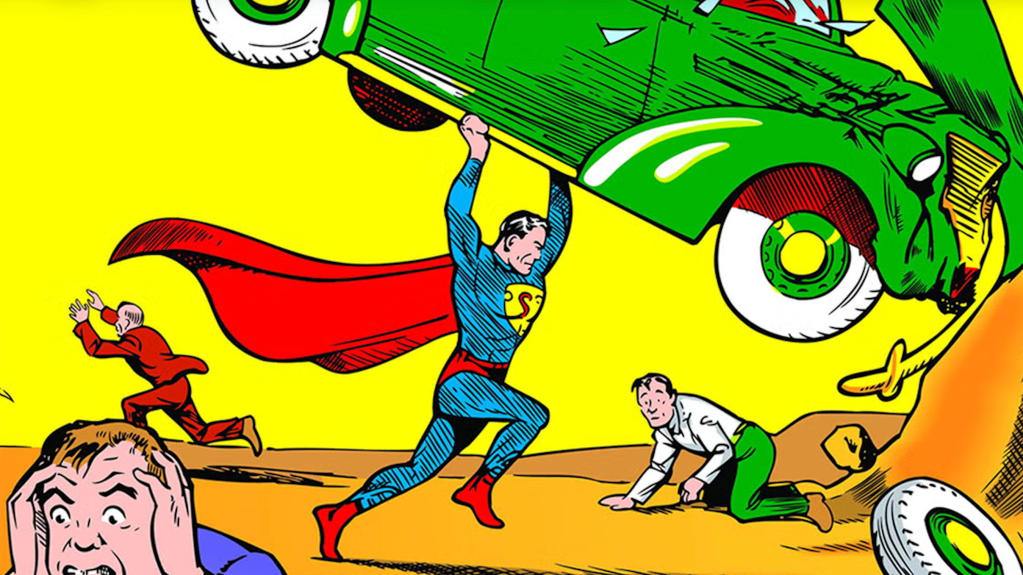
Today, many people view Superman, particularly his Golden Age incarnation, as an outdated and bland caricature of superheroes. However, Superman: The Stranger shows the incredible level of nuance the original 1930s and 40s Man of Steel stories had, which, for many, had been lost to time, despite that the themes his comics tackled still hold relevance over 80 years later.
As Superman: The Stranger presented in its portrayal of late 1930s America, there was no better time for Superman to make his introduction to the world of comics. The Man of Tomorrow’s original creators, Jerry Siegel and Joe Shuster, were children of Jewish immigrants who faced poverty and prejudice daily. When the pair first came up with the idea for Superman, he was originally conceived as a villain. However, with the Great Depression underway and thousands of Americans starving and/or persecuted, Siegel and Shuster recognized that America didn’t need a villain; it needed a symbol of hope. With his incredible strength, kindness, and willingness to fight for the downtrodden, the original Superman spoke to the hearts of countless people who needed something and someone to believe in.
Another clever aspect of DC’s new Black Label series is that it more closely examines Superman’s sense of isolation as an alien with no idea where he comes from. This is a brilliant method to flesh out the immigrant allegory that Siegel and Shuster intended for Superman when they made him an alien who, despite being from outer space and having no Earthling adoptive parents, still sees himself as human. The immigration allegory also makes Superman’s fight against institutional injustice and bigotry more meaningful. Today, no less than then, many immigrants and minority groups are beset by prejudice and institutional oppression. Superman knows what it feels like to be an outsider. By taking Superman back to his roots, DC has once again made him a man of the people.
From the very beginning, Golden Age Superman showed that comics could tackle important issues while still providing a sense of hope to people during a time when optimism was lacking. Like the superheroes he inspired, Golden Age Superman was an ideal to strive for. He challenged not random crooks or aliens, but the roots of crime, poverty, hatred, and inequality in America. And in our current sociopolitical climate, with rampant discrimination, corruption, and fascism in the highest seats of power, the world needs Golden Age Superman and his values more than ever. For Golden Age Superman may be old-fashioned, but, as shown in his return in Superman: The Stranger, fighting for equality will never go out of style.
5 Superman Family Members Who Still Need to Find Their Niche
More Comics
-
Variant Cover from Inglorious X-Men #1 Comics
1 day ago41 Years Later, This Fan Favorite X-Men Character is Finally Getting the Chance to Lead
-
Image Courtesy of DC Comics Comics
1 day agoDC Just Turned Superman’s Funniest Villain Into His Darkest Nightmare
-

Image Courtesy of DC Comics Comics
1 day ago30 Years Ago Today, DC Comics Kicked Off the Story That Would Save Hal Jordan
