

DC Comics is back on top again, something that readers haven’t really experienced in a long time. Sure, over the years of Marvel dominance, DC would have their successes; DC Rebirth was huge, Batman comics always sell well, and there have been numerous times when a new book made a huge splash. However, the House of Ideas had been trouncing DC for years, so their current successes are a huge deal. There was once a time when DC was the home of the superhero in the minds of the public, creating the biggest names in comics. The rise of Marvel in the Silver Age would change all of that, with DC falling from grace for years. Crisis on Infinite Earths was meant to be a turning point and it led to an era of the publisher that is rarely talked about anymore.
Videos by ComicBook.com
The DC Implosion almost destroyed the company in the late ’70s, with the first half of the ’80s spent rebuilding their line, with books like New Teen TitansSaga of the Swamp Thing giving readers a glimpse of what the future would hold. Crisis was meant to be the big attention-grabbing moment, leading to a massive reboot that would draw readers. Post-Crisis DC would become of the most beloved eras of the publisher, but it often feels like the years right after Crisis have been forgotten in a lot of ways. The success of Crisis convinced DC that events were the way to go, leading to years of events that no one talks about anymore. There is a reason for all of this and it’s one that no one ever would have expected.
Crisis on Infinite Earths Birthed Numerous Events That Tried to Match Its Freak
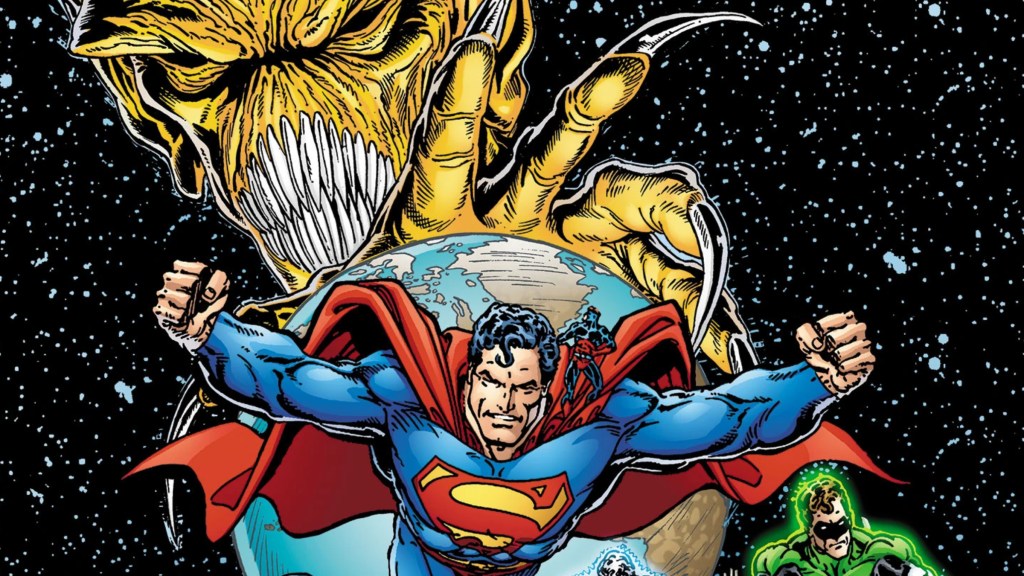
Event comics as we know them started back in 1982, with Marvel Super Heroes Contest of Champions. Before that, we had crossovers of all kinds, but it would be the first major “event comic” (although I would make the argument that there was a period when Justice League of America (Vol. 1) was basically an event comic every month). It would lead to Marvel Super Heroes Secret Wars and then DC followed suit with Crisis on Infinite Earths. The series was a massive success and DC decided that event comics were the wave of the future.
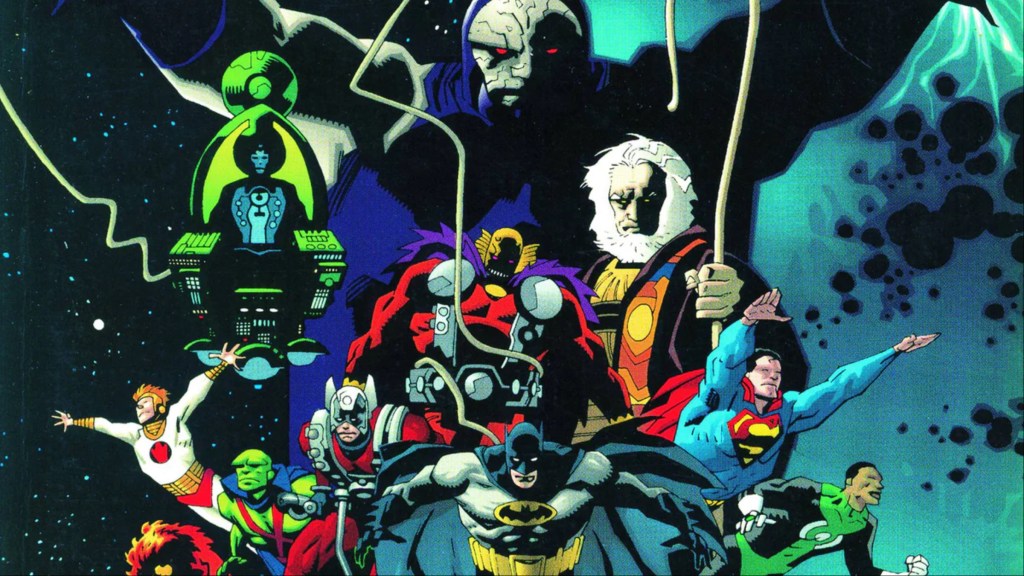
Crisis ended in 1986, with DC rebooting their universe in the months after the book finished in March. In August, the publisher brought together Len Wein, John Ostrander, and John Byrne for Legends, a story that would see Darkseid send Glorious Godfrey to brake the faith of the public in the superheroes. It was readers’ first glimpse of the new DC superhero order, the first story on the singular Earth, and it had the “first appearance” of characters like Captain Marvel, Blue Beetle, and other characters who were previously on other Earths. It also led into Wonder Woman (Vol. 2), Suicide Squad (Vol. 1), and Justice League (Vol. 1). It was the new DC primer, a must-read for fans of the day.
The publisher would give everyone a break in 1987, instead focusing on setting the groundwork of their new universe. 1988 would see two different event books, Invasion! and Millennium, stories that would both work to introduced new heroes and ideas to DC. Invasion! was about the Dominators heading an alien coalition to destroy humanity, leading to the detonation of the gene-bomb and new metahumans popping up, and Millennium was about the Guardians of the Universe coming to Earth to christen the New Guardians.
Event comics evolved rather quickly; Contest of Champions and Secret Wars were more crossover than line-changing story. Crisis would be the first time that a publisher used an event story to completely change their publishing line and Legends, Invasion!,andMillennium all did the same thing to lesser extent, each of them leading into a new status quo. However, DC would slow down on the events after 1988; Cosmic Odyssey hit the next year, but wouldn’t have the same scope or the kind of repercussions that previous stories had. 1991 would see Armageddon 2001 drop, which is a story in and of itself.
DC accidentally sent spoilers out for the story’s big bad, forcing them to scramble to change the ending and what they had planned. 1992 would see Eclipso: The Darkness Within drop, but it would be overshadowed by another story that year – the blockbuster known as “Death of Superman”. It became the publisher’s biggest success in years and it led to the end of the DC event scene as we knew it. While we’d still get stories like “Bloodlines”, the big DC events became the stories that would break their characters, like the upcoming “Knightfall” and “Emerald Twilight”.
However, that wasn’t the only thing that started to change. After the success of Alan Moore, DC went to England in the late ’80s to recruit talent. This British Invasion brought in a whole new generation of creators and led to DC starting to subtly change. Their stories started to become more mature, more serious, and pushed the bounds of what a superhero comic could be. DC fans didn’t just want the big superhero spectacle anymore; they wanted something a little deeper. Invasion!, Millennium, Cosmic Odyssey, and the like were good stories, but they weren’t what fans wanted from DC as much as they once did.
DC reinvented itself with Crisis on Infinite Earths. The publisher expanded their fandom and did their best to get as many people through the door with events like Legends and Invasion!, the kind of big spectacle that fans loved. It obviously worked, because sales surged during this period, but soon, fans started getting distracted by books like Animal Man, Doom Patrol, The Sandman, Shade the Changing Man, Hellblazer, and the like. Add in stories like “Death of Superman” and “Knightfall”, and DC basically made their own event books superfluous.
The Changing Direction of DC Made Events Passe Quickly
Crisis on Infinite Earths is a watershed moment in DC history. The publisher had to rebuild its line throughout the early years of the ’80s and helped change the perception of the superhero in the years before the event. It was the turning point and DC went out of their way to give readers the kinds of stories that had gotten through the door. DC went into event overdrive in the years after the story, giving readers some fantastic event stories that would bring even more change to DC. It was seemingly everything fans could have wanted.
However, the changes made to DC elsewhere would render their new events surplus to requirements. The publisher went in a more mature direction with their books and fans didn’t want the big events as much as they did before. Add in massive stories that brought huge change to the publisher’s marquee characters and suddenly, the yearly DC events lost their luster. That said, the publisher still put out yearly events books throughout the ’90s; comics like Underworld Unleashed, Final Night,and DC One Million all were released over the rest of the decade, but they were never all that important. DC’s slate of late ’80s events have been almost been completely forgotten, but they played an important role in the evolution of the company.
What’s your favorite late ’80s DC event comic? Do you think they’re worth remembering? Sound off in the comment section below.
5 DC Retcons That Prove the New 52 Was Actually Great (Including Cyborg’s Big Promotion)
More Comics
-
Image Courtesy of DC Comics Comics
19 hours agoDC Comics Tried to Bring Its Past Back 20 Years Ago, & Is Still Trying to Get It Right
-
Image Courtesy of DC Comics Comics
22 hours agoDC Comics Tried to Create Their Own Barbie Competitor in the ’80s, & She Could Finally Become a Hit (Thanks to the DCU)
-
Image Courtesy of Marvel Comics Comics
1 day agoThis Deadly X-Men Villain Was Taken on the Greatest Redemption Arc of the Krakoa Era (and It’s a Path the MCU Could Take)
