

The setup is straightforward. You scan your space, the game converts your walls into tactical corridors, and it plants a control hub somewhere on your actual floor. Enemies arrive through portals that tear open in your walls and hallways. Between waves you pull up a holographic map projected off the hub and place defenses along the corridors your home happens to have, choosing between turrets, freezers, burners, lasers, and decoys. Then you fight the wave yourself with a sword, a pistol, a machine gun, or a shotgun.
Tower defense is the genre that actually wants your floor plan
Here is why I think the design is smart, at least on paper. Tower defense lives or dies on the shape of the path. That is the entire genre. Chokepoints, sight lines, the awkward corner where three lanes converge into one bad decision. And the single thing mixed reality can hand a designer that no amount of level authoring can fake is a floor plan nobody authored.
So my hallway is a chokepoint. My couch is cover, or it is an obstacle that blocks my own turret’s line of fire, and I will not know which until wave nine tells me. The layout that gets me killed is the layout of the place I actually live in, which means the fix is not a better build order. It is moving a chair. That is a real idea, and most mixed reality games have not had one.
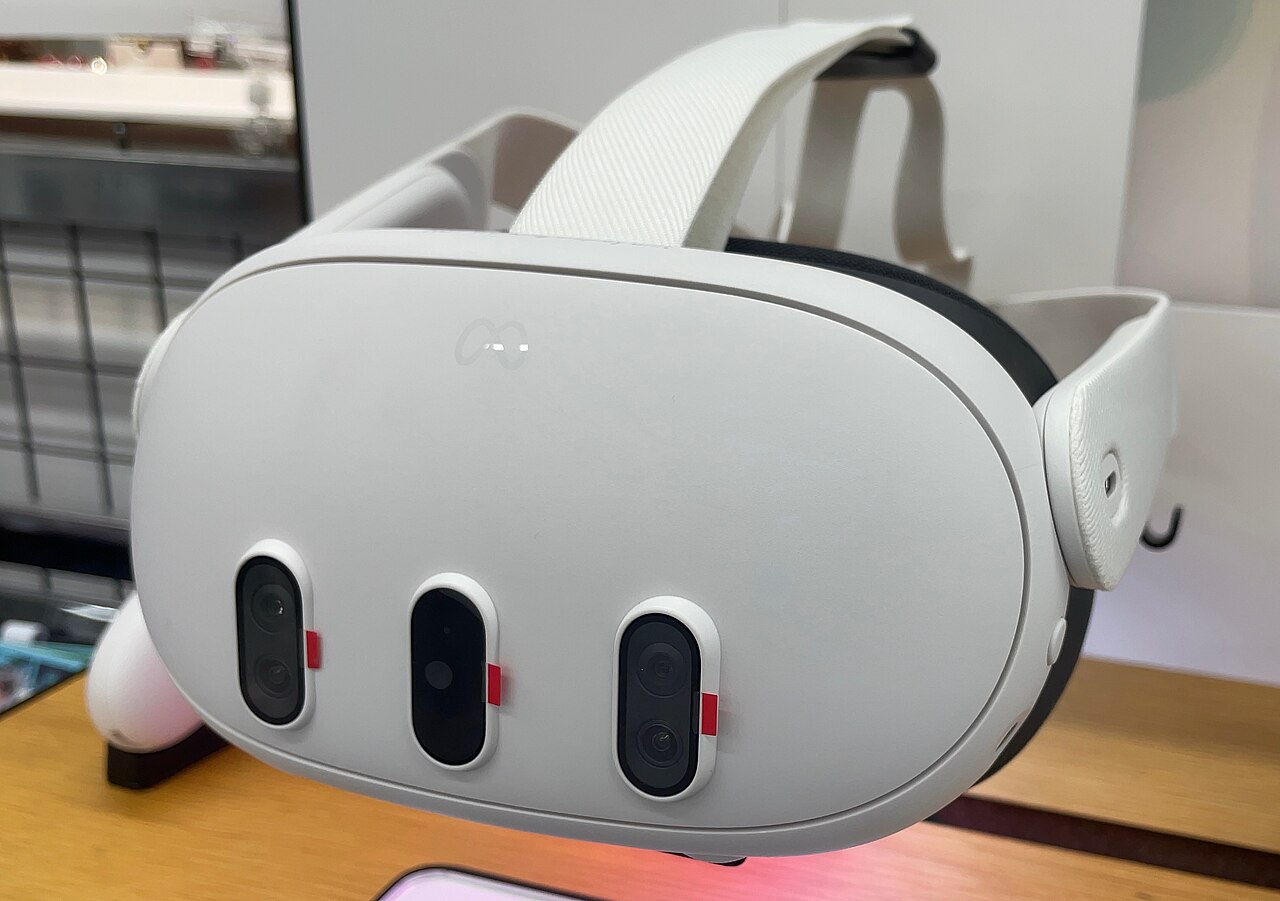
Practically speaking this is a Quest 3 and 3S game. Color passthrough and scene understanding are the whole premise, so anything older is not going to give you the effect the trailer is selling. Clear a real space before you start. A game that reads your walls is a game that will happily open a portal behind the bookcase, route a boss fight straight through the coffee table, and then expect you to sidestep something with a two-meter wingspan in a room you never bothered to clear.
The part I am less sure about
It is early access. Ten dollars on the Quest store, tagged as still being built. The feature list promises 45 levels, seven enemy types, three difficulty settings, and boss fights with unique attack patterns, which is a lot of content to claim from an early access build, and I have watched that math not work out on this store before. The listing is also thin on who actually made it, which is not damning but is not nothing either.
I said back in July that I would rather a port slip than ship broken, and I meant it about Roboquest, so I should be consistent here. Early access is not the same thing as broken. Ten bucks is a low enough bar that I am not going to pretend this is a risky purchase. But go in expecting a strong core loop with rough edges, not a finished 45-level campaign.
I have not played it yet. It went live at 10 AM Pacific and I am writing this instead. Tonight I am going to scan the office, and the thing I genuinely want to find out is whether the game is smart enough to make my specific hallway matter, or whether it just needs a room-shaped box and any box will do. That is the whole test. Everything else about this genre was solved twenty years ago.
