


 Olivia Fitzpatrick
Fri, July 10, 2026 at 9:24 PM UTC
If there’s one thing to know about starting Ranking of Kings, it’s that, by the end of Episode 1, you’ll be cheering and, by the end of Episode 2, you’ll be crying. This anime knows how to enthrall and enrapture. Beautiful animation, captivating characters, and a stunning storyline all come together to create a series that is sure to please. The show follows Bojji (MinamiHinata, EmilyFajardo), a young prince, and his friend Kage (AyumuMurase, SungWonCho), a member of the Shadow Clan, as they attempt to bring Bojji’s dream of becoming the Number One King to life.
First and foremost, the character design in Ranking of Kings is some of the most creative and exciting in modern anime, invoking the imagery of storybooks while harkening back to series like early OnePiece and Dragon Ball Z, as well as Western animation such as Steven Universe. Each character has a unique design — even those who are related look similar without feeling identical—and there is no mistaking one character for another. Adding to this is the fact that no character feels without purpose. Side characters are given storylines that, while contributing to the main plot, never feel redundant.
No character is introduced simply to serve as that episode’s antagonist or as a one-time catalyst for the main character to reveal a new power or skill. Rather than feeling weightless, as though their sole purpose is to further the protagonist’s journey, the characters inRanking of Kingsseem to have lives and ambitions of their own, acting like real people rather than plot devices
Bojji Is an Unforgettable Anime Protagonist
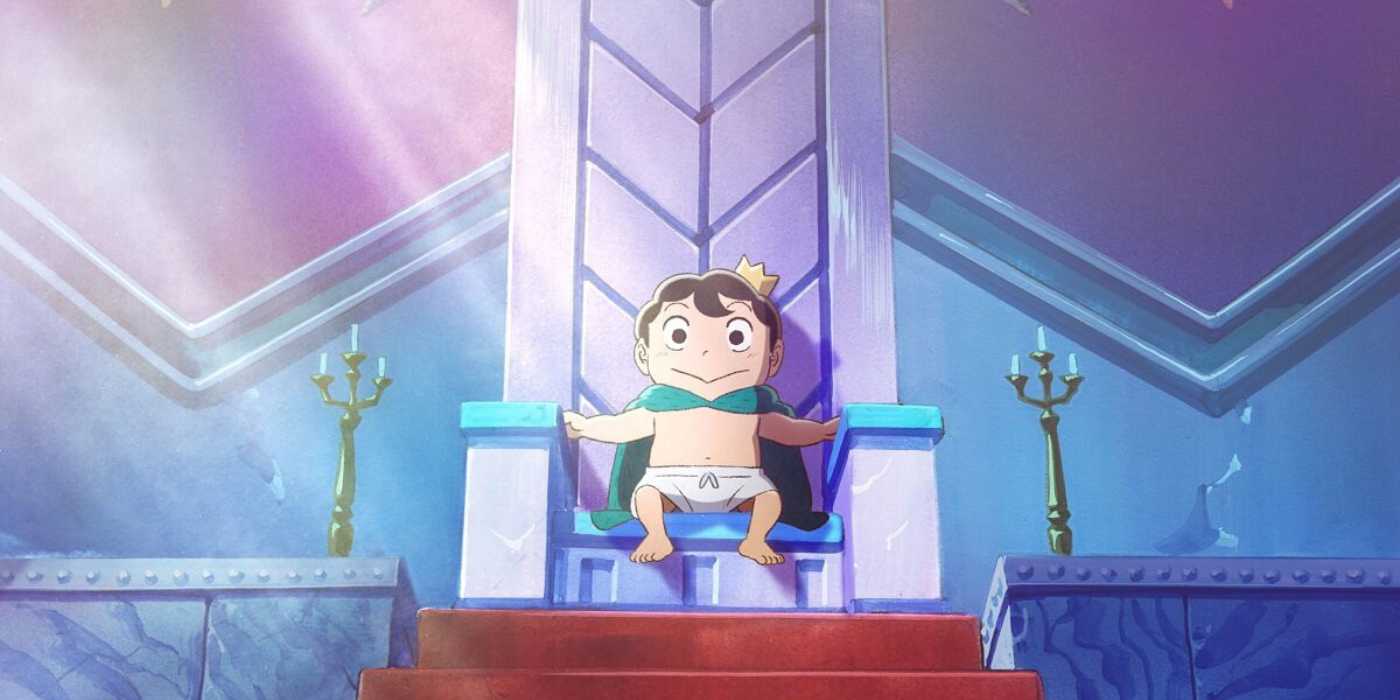
Perhaps the most intriguing character of all, however, is the main character. Bojji, the young prince and king-to-be of the Bosse Kingdom, is not your typical anime protagonist. He does not possess some great hidden power or secret knowledge. In fact, his most defining characteristics are viewed by those around him as weaknesses. Bojji is deaf and non-speaking and, despite being the son of two giants, is incredibly small and physically weak. As such, the people of his father’s kingdom view him as an idiot and unfit for the throne, believing that he cannot wield even a child’s sword or communicate with the average person.
Yet, contrary to their beliefs, Bojji is highly perceptive, if a bit naïve. He is painfully aware of what others think of him, as well as his own physical limitations. Even so, his determination to become a great king is unmatched—except, perhaps, by his younger half-brother, Daida (Yuki Kaji, Justin Briner). Bojji puts on a brave face for those around him, determined to appear unbothered by his critics, while, in reality, their harsh comments cut him to his core. Despite the constant ridicule, however, it is difficult not to root for Bojji whenever he steps up and refuses to be acknowledged as anything less than capable.
‘Ranking of Kings’Handles Bojji’s Disability With Care
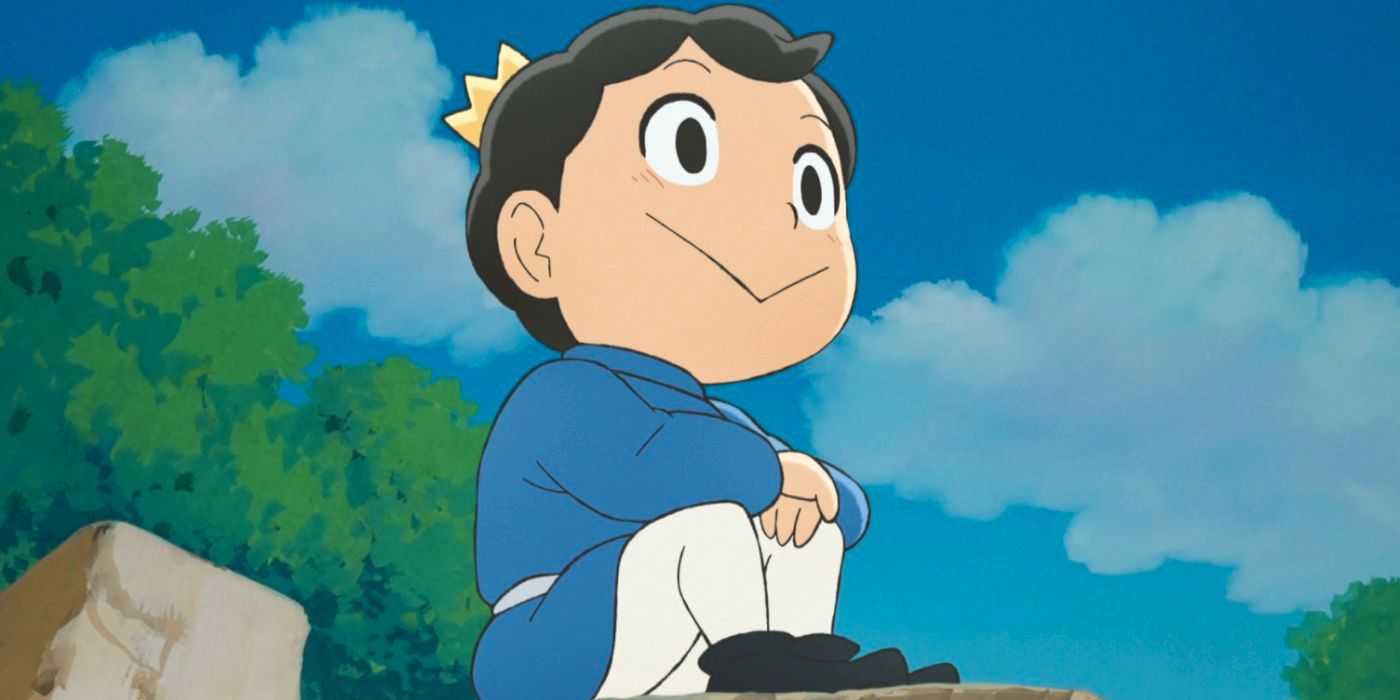
With a main character who is both deaf and non-speaking, some viewers may have reservations about Ranking of Kings and how it approaches disability. It doesn’t take long, however, to see that creator SōsukeTōka, along with the show’s writers and artists, took great care to ensure that Bojji’s portrayal is both respectful and compelling. Neither dismissing nor overplaying Bojji’s deafness,Ranking of Kingsexplores both the hardships he faces and the fulfilling life he leads— not despite his differences, but with them as an integral part of who he is.
Perhaps the most impressive aspect of the series is its use of sign language. Harkening back to the show’s incredible animation, sign language is notoriously difficult to animate accurately. It requires extensive research and dedication, especially because incorrect signing can easily lead to misinterpretation or misunderstanding. Yet Ranking of Kingsembraces the challenge, featuring multiple characters—including Bojji — who communicate through sign language
Furthermore, while signing is often paired with spoken dialogue, it is not always translated for the viewer. Instead, the series relies on its superb character acting and animation to convey what is being said. A great example comes in the first episode, when Bojji is commanded to fight “like a king.” His instructor, Domas (TakuyaEguchi, A.J. Locascio), signs the phrase to him, but it goes untranslated, allowing the audience to understand its meaning through Bojji’s actions rather than explicit narration. Alongside its characters, the series also respects the viewer’s intelligence. Rather than relying on the classic “anime narration,”in which characters constantly explain the action, Ranking of Kings allows its visuals to take center stage.
Reminiscent of older anime styles, Ranking of Kings’ artwork and animation are colorful and fluid, encapsulating a sense of whimsy that perfectly suits the show’s fantasy setting. Through its abundant use of squash-and-stretch animation, movement becomes a character in its own right, heightening expression and emotion while reinforcing the sense of magic that permeates every episode. This is especially noticeable during the action scenes, where the care devoted to each character’s fighting style and more complex movements is evident. Even the series’ backgrounds evoke the feeling of fairy tales, with beautifully rendered castle towns and forests that resemble watercolor paintings. There’s something about the art style that feels reminiscent of a Studio Ghibli film, particularly Howl’s Moving Castle or Castle in the Sky.
Bojji and Kage’s Friendship Is the Emotional Core of the Series
However, perhaps the biggest reason to watch Ranking of Kings is its ability to draw out emotion with seemingly effortless precision. As mentioned before, by the end of the first episode, viewers can’t help but cheer for Bojji as he takes a stand and prepares to fight his half-brother, Daida. Throughout the episode, Bojji is built up so beautifully that, by the time he steps forward to prove himself in swordsmanship, it is abundantly clear what kind of person he is: kind and playful, yet exceedingly determined and perceptive. He is the kind of protagonist who captures the audience’s heart almost immediately.
The same is true of Kage. While initially introduced as somewhat cold, he quickly wins viewers over through his unwavering belief in Bojji and his perceptiveness when it comes to his new friend’s struggles. Together, Bojji and Kage form the kind of friendship everyone longs for—supportive, loyal, and one that allows both of them to become the best versions of themselves
So, when they fall, so too does the audience. As heartwarming as it is to watch Bojji succeed, it is equally heartbreaking to watch him fail, especially when nearly everyone around him, save for Kage and one or two knights, expects him to. Their complete lack of faith in Bojji and their dismissive view of his abilities are not only disheartening but infuriating. Kage’s past is equally devastating. Witnessing the hardships of his childhood and his premature journey into a lonely adulthood is painful, and the series does not shy away from the tragedy of his experiences. It spares no effort in pulling at the audience’s heartstrings. In only two episodes, Ranking of Kings not only endears viewers to Bojji and Kage through their triumphs but also captures them through the emotional weight of their hardships. Overall, it won’t take long to see why Ranking of Kings deserves to rank so highly.
Ranking of Kings is currently available to stream on Crunchyroll and Funimation
