

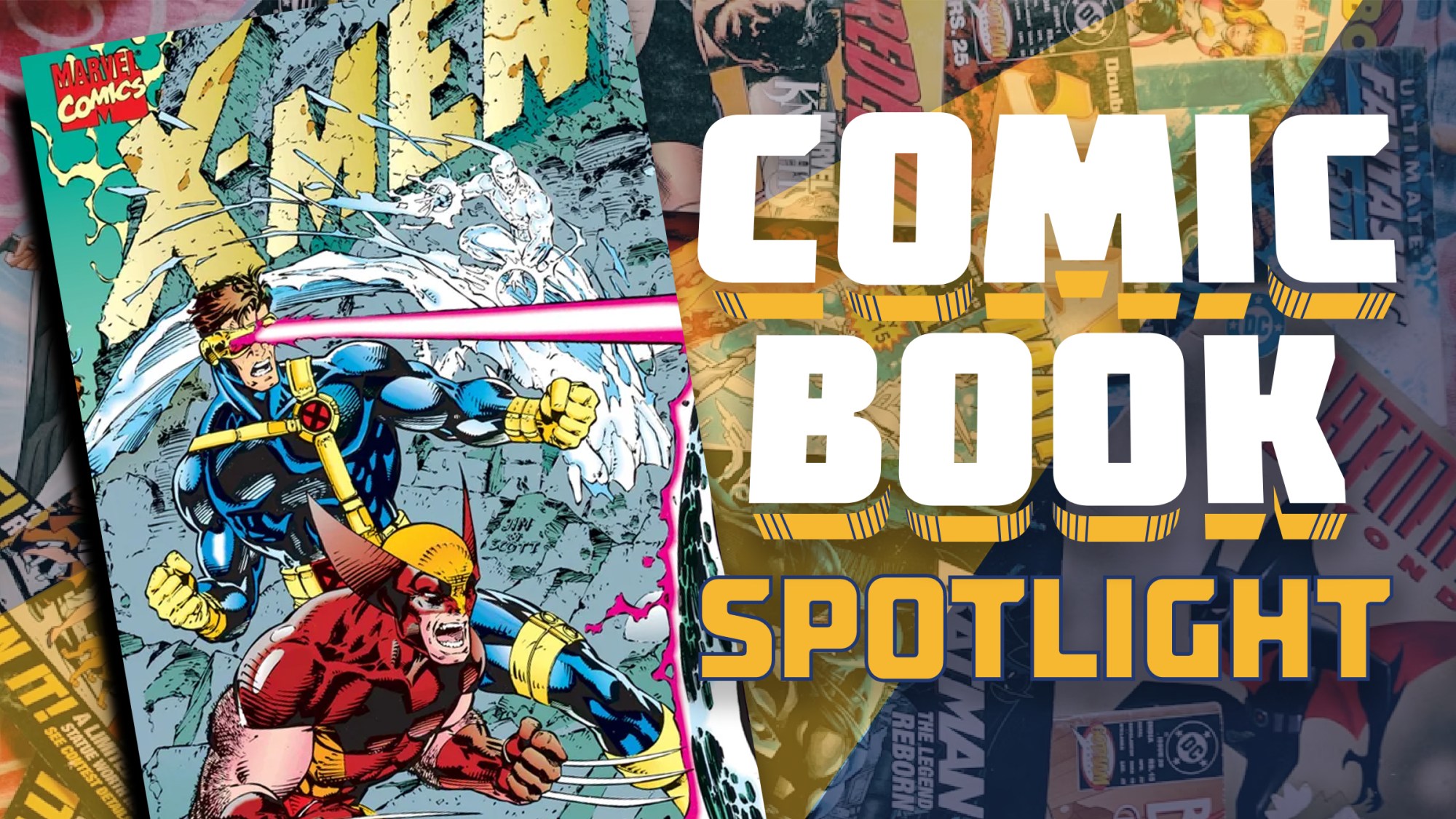
The X-Men coming to the MCU in 2028 is some of the biggest news for Marvel’s merry mutants in years. The history of the group is one of the most important in comics. It started back in 1963, with Stan Lee and Jack Kirby creating the team and laying out the basics of their comics. However, X-Men (Vol. 1) was one of the least popular Marvel books of the time and the book would eventually become a reprint title. It wouldn’t be until 1974’s Giant-Size X-Men #1 that fans actually started to be really interested in the team, with writer Chris Claremont making them superstars. He ended up writing the book for 16 years, with his last stories of that landmark run kicking off with the blockbuster that is X-Men (Vol. 2) #1.
Videos by ComicBook.com
Working with Jim, Scott Williams, and Alex Garner on art, Claremont’s final X-Men story began with a book that has become the bestselling comic ever. It sold eight million copies (to comic stores; for years, you could find issues that had never been bought everywhere but nowadays it’s actually become harder to find) in 1991, a number that no other comic has reached since. It was an amazing success, one the X-Men office had been building for years. However, it also was part of a sea change to the comic industry, one that would lead to some massive successes and almost destroy the comic industry.
X-Men (Vol. 2) #1 Is an Awesome Comic That Almost Killed Comics in the Years to Come
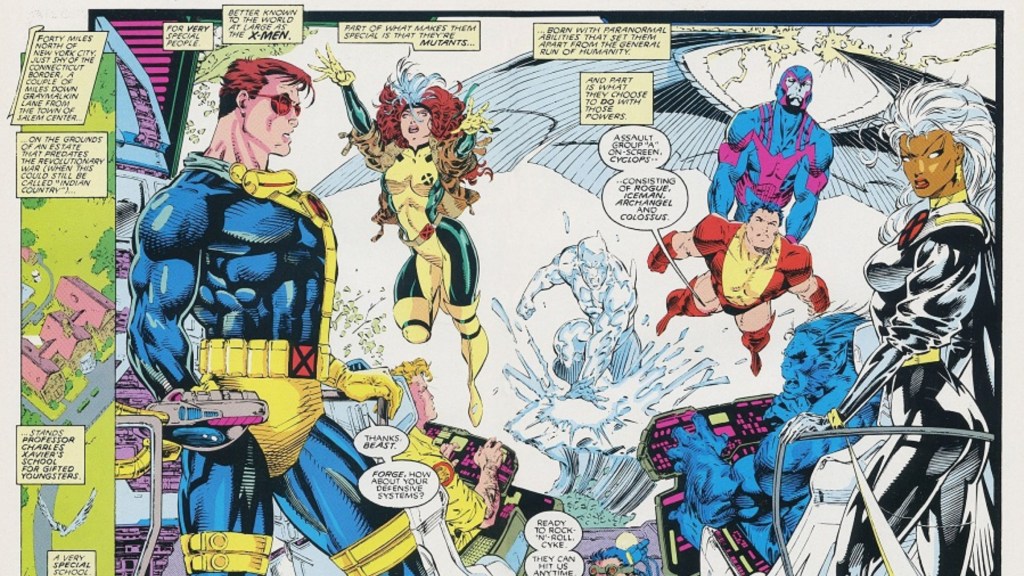
Chris Claremont told the best X-Men stories ever, but as the years went, the book’s artists started to become more popular. Editor Bob Harras would begin to push their ideas over Claremont’s, something that didn’t exactly sit well with the writer. As important as the art was, he was the X-Men in every way that counted. He had planned to stay on the book forever, basically, telling his story about the team he had made stars, but Harras basically pushed him out so that Jim Lee, Rob Liefeld, and Whilce Portacio could be the creative minds behind the book. This was honestly pretty common; the Spider-Man books were doing the same thing with Todd McFarlane and Erik Larsen, giving them more and more powers as writers (Larsen was and is still the best writer of the whole bunch).
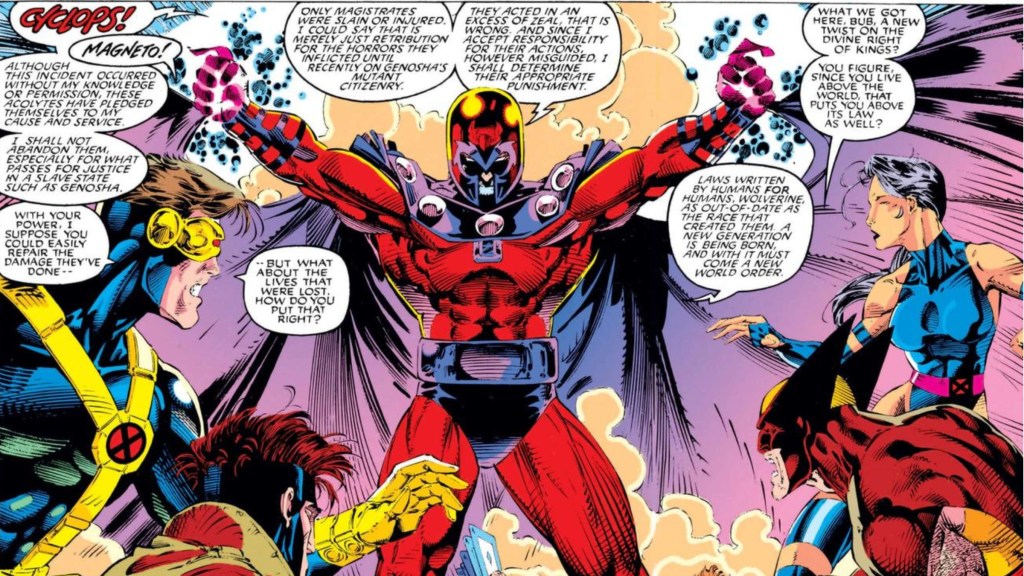
X-Men (Vol. 2) #1 met the X-Men at a time of great change. Claremont had just finished off “The Muir Island Saga”, finally bringing the X-Men back to the X-Mansion after years away, with the stars of X-Factor also rejoining the X-Men after the fantastic “Endgame”. This issue kicked off with Magneto, who Claremont had made into a sympathetic figure, saving a group of mutants who came to Asteroid M for his help after stealing a SHIELD ship and being chased by the organization. Meanwhile, the X-Men begin training together for the first time for years in some gorgeous action set pieces from Lee, Williams, and Garner, the deft letting of Tom Orzechowski the icing on the visual cake. Genosha was attacked by a mysterious group of mutants with the X-Men going to stop them, but Magneto shows up to save his new Acolytes, ending the issue with an amazing double-page splash.
X-Men (Vol. 2) #1 rebooted the X-Men to a classic status quo, one that was perfect for new readers (like me; this was one of my first comics). Claremont’s writing was as great as it ever was and the art was out of this world. Lee was already a star at this point, but this book made him into a true superstar. It was a time of wild success at Marvel because of artists and this started a rather bad tendency for the company. They started to push their artists more than the writers. They also learned that collectors would go crazy for a new number one and that variant covers would allow them to sell even more books than before. X-Men (Vol. 2) #1 was a huge success and it deserved to be, but it helped show Marvel that appealing to collectors was a way to reach huge numbers.
As someone who has read this comic hundreds of times (I re-read it religiously in 1991 and 1992), it pains me to say this but here we go – everything you hate about Marvel Comics in 2026 can be traced back to this book. Overprinting books? Too many variants? Style over substance? Editorial meddling completely changing a book and pushing out great creators (Claremont’s original plan for this book was very different and he’s talked about it for years; Omega Red and the Hand were supposed to kill Wolverine in the first few issues, leading to story that would see Xavier die and Magneto take over the team)? All of that can be laid at the feet of this book. Marvel learned all the wrong lessons from this issue. While we’ll never know what we could have had if it wasn’t Harras’s meddling, this comic itself is honestly a good book. It’s not the best Claremont in the world, but it’s good.
Beyond planting the seeds for Marvel’s bankruptcy and their current sales model, it also laid the groundwork for Image Comics. Lee was rather angry about the money he should have been making off the issue’s imagery, which was all over shirts and posters. He was going to leave Marvel to go to DC, but Liefeld and McFarlane convinced him to sit in with them while they talked to Marvel brass. This meeting ended with the Image founders leaving the company, yet another fruit from the tree of X-Men (Vol. 2) #1.
X-Men (Vol. 2) #1 Was the Harbinger of Things to Come
X-Men (Vol. 2) #1 is the only reason you’ve heard of the X-Men. There was a time in the late ’80s/early ’90s when comics were still big with kids and the X-Men were creeping on the come-up (and Marvel was definitely doing it for the love of money). In 1991, kids were praising this book like it was the second coming. Everyone was an X-Men fan, and when X-Men: The Animated Series debuted, it went into overdrive. Comics had reached the peak of their popularity with this book and it was all downhill from here.
It’s weird to think that Marvel learned the wrong lesson from their greatest success (up to 1991, at least), but they did. This is one of those comics that is honestly pretty good, but it basically poisoned the comic industry in the years after it came out. It was the apotheosis of the comic in pop culture, but instead of becoming a benevolent god that made everything better, it transformed into a monster that tried to drag superhero comics into the void with it. I love this comic, so it’s honestly hard to say all of this; however, that doesn’t make it any less true. It’s a book I recommend to everyone, but its negative affects on the comic industry will be its most important legacy.
5 Things Cyclops Does Better Than Professor X, Proving He Outgrew His Teacher
More Comics
-

Image Courtesy of Marvel Comics Comics
24 hours agoSpider-Woman Took a Huge Gamble and She’s Already Paying the Price
-
Image Courtesy of Marvel Comics Comics
1 day agoThe X-Men’s Strongest Character Might Just Work Better as a Villain
-

Image Courtesy of Marvel Comics Comics
2 days agoWolverine’s Best Romance Wasn’t With Jean Grey, and Marvel Barely Used It
-

Image Courtesy of Marvel Comics Comics
2 days agoNobody in the Marvel Universe Is More Prepared Than Reed Richards and Marvel Zombies Proves It
-

Image Courtesy of Marvel Comics Comics
2 days agoVenom Finally Reveals What He Fears Most and It’s Not What You’d Expect
