

TL;DR: Amazon Games GM Jeffrey Gattis argues rising console prices-pushed by a memory/RAM crisis and rumors of next-gen systems exceeding $1,000-could make Luna more attractive, especially to casual players who lack dedicated hardware; Luna’s integration into Prime Video has quintupled its user base, though cloud gaming faces connectivity and historical adoption challenges.
Voice: Hassam NasirSpeed
0:00 / 2:46
Use left and right arrow keys to seek audio.
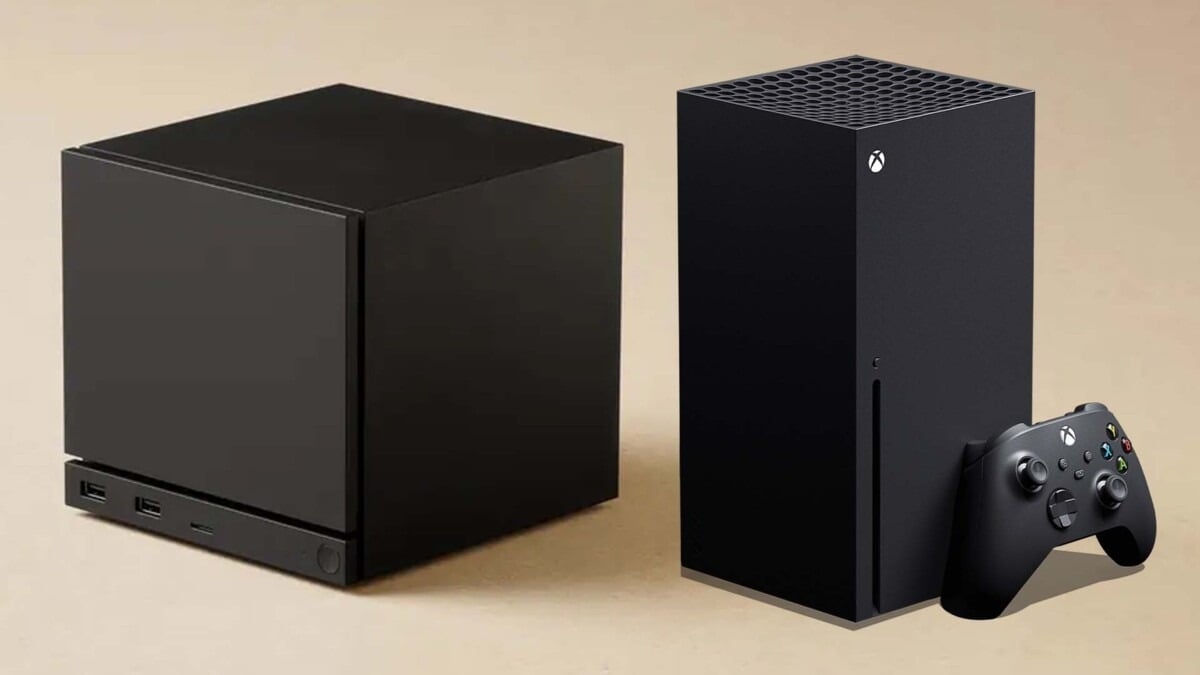
The memory crisis has pushed gaming hardware to price points that would have seemed absurd just a few years ago. The Steam Machine launched at over $1,000. The Nintendo Switch 2, PS5, and Xbox Series X have all seen price increases this year, and next-generation consoles are rumored to cross the $1,000 mark as well. For Amazon Games general manager Jeffrey Gattis, all of that is, at least potentially, good news for Luna.
Speaking with The Game Business and the BBC, Gattis made the case that cloud gaming’s long-standing problem has been that consoles were cheap enough that there was never a compelling reason to look elsewhere. “Historically, cloud gaming has been a little bit of a solution in search of a problem,” he said. “Consoles, for the most part, have been relatively inexpensive until now.”
Popular Now: GTA 6 physical copies in Japan have a 170-day expiration date3
VIEW GALLERY – 3 IMAGES
“We saw the Steam Machine opening at $1,000,” Gattis told The Game Business. “We hear rumors about consoles, because of the RAM crisis, pushing up over $1,000 in Gen 10. So I do think you get to a point at which more people will be in the consideration set for a cloud gaming solution, just because of the sheer cost of buying dedicated hardware.”
- Read more: Amazon’s Luna cloud gaming will focus on ‘social party games’ and Snoop Dogg
- Read more: Amazon was secretly trying to compete with Steam from the shadows
- Read more: The Steam Machine was originally supposed to cost around $750
Amazon’s goal is not to pull players away from PlayStation or Xbox but to reach the much larger pool of people who play games casually and have never bought dedicated hardware. Gattis estimates there are somewhere between 2.5 and 3 billion people who play games worldwide, but only around 300 to 500 million dedicated gaming devices in use.
Amazon has already made a structural move in that direction by integrating Luna into Prime Video under a Games tab on Fire TVs in the US and UK, giving existing Prime subscribers access without a separate service. Gattis said the player base has grown fivefold since the integration, though he acknowledged the service was starting from a relatively small user base.
How might next-generation console prices exceeding $1,000 affect consumer interest in Amazon Luna?
Which markets currently have Luna integrated into Prime Video on Fire TV as mentioned in the article?
What limitation of cloud gaming does the article highlight that could still restrict Luna’s adoption?
When was Luna originally announced and how did its prominence change before integration into Prime Video according to the article?
Have a question not listed here? Ask below and TweakBot will answer it.
Google Stadia launched in 2019 to considerable fanfare and was shut down by 2023. Luna itself was announced in 2020 and spent years as a largely forgotten add-on before being folded into Prime. Cloud gaming also depends on a reliable high-speed internet connection, something that remains out of reach for a significant portion of players worldwide.
