

<img src="https://comicvibe.com/wp-content/uploads/2026/08/sencka-C4-91-11.png” alt=”senckađ”>


EDITION→
Global
•
USA
•
UK
•
AUNZ
•
CANADA
•
IRELAND
•
FRANCE
•
GERMANY
•
ASIA
•
EUROPE
•
LATAM
•
MEA
Edition : InternationalLanguage : English
HOME
NEWS
CREATIVE LIBRARY
IMMORTAL AWARDS
MEMBER COMPANIES
PEOPLE
JOBS
How LBB WorksPlans & PricingEditorial Toolkit

news
NEWS
CREATIVE LIBRARY
IMMORTAL AWARDS
MEMBER COMPANIES
PEOPLE
JOBS
Login or Register
Thought Leaders in association withLBB Events
Does It Look Desperate When Brands Use Pop Culture to Be Relevant?

lbbonline.com
0
LIKE
ADD TO COLLECTION
27/08/2026
Share
Born Licensing explains why the goal shouldn’t be to identify whichever celebrity, character or franchise currently has the highest profile, but should be to find the one that makes people understand and remember the creative idea
Pop culture moves quickly. A film explodes at the box office, a celebrity suddenly becomes unavoidable, or a decades-old franchise finds itself at the centre of the cultural conversation again. Inevitably, brands want a piece of it.
And there’s nothing inherently wrong with that. Entertainment and advertising have always fed into each other, and the right cultural partnership can give a campaign instant relevance, recognition and reach.
But audiences are also very good at spotting when a brand is joining the conversation simply because everyone else is.
The question, then, isn’t whether brands should use pop culture. It’s whether they’re choosing the right piece of pop culture in the first place.
The Hottest IP Isn’t Always the Best IP
There can be an understandable temptation to begin with whatever property is currently dominating headlines. A major theatrical release comes along, audiences are talking about it, and suddenly everyone wants to know how their brand can get involved.
Sometimes, that makes complete sense. If there’s a genuine connection between the property, the audience and the creative idea, a timely partnership can be incredibly effective.
But fame alone isn’t a creative strategy.
The strongest licensing partnerships tend to work in the opposite direction: start with the idea, then find the IP that makes it better. A character or franchise should add something distinctive to the storytelling, whether that’s humour, personality, nostalgia or an association audiences immediately understand.
That might lead you to the biggest release of the year. It might equally lead you to a character created 50 years ago.
In fact, evergreen properties can offer something that the latest release simply hasn’t had time to build: years, sometimes decades, of cultural and emotional heritage. Audiences already know the characters, understand their personalities and have memories attached to them. For advertisers trying to communicate an idea in seconds, that familiarity can be enormously valuable.
Celebrity Heat Doesn’t Always Equal Brand Fit
The same principle applies to celebrity talent.
Working with the person everyone is currently talking about can generate attention, but attention and effectiveness aren’t necessarily the same thing. If there’s little connection between the talent, the product and the creative, the result can feel more like borrowed fame than a genuine idea.
Fictional characters offer an interesting alternative. The best-known characters can deliver many of the things advertisers seek from celebrities: instant recognition, personality, fandom, cultural relevance and emotional connection.
But they also have an advantage. Their identity has often been carefully built and protected over decades. Mickey Mouse isn’t going to give a controversial interview tomorrow. Paddington isn’t going to suddenly behave completely out of character on social media.
That consistency can make beloved characters particularly trusted – and comparatively predictable – creative partners for brands.
Cultural Relevance Doesn’t Have to Mean Current
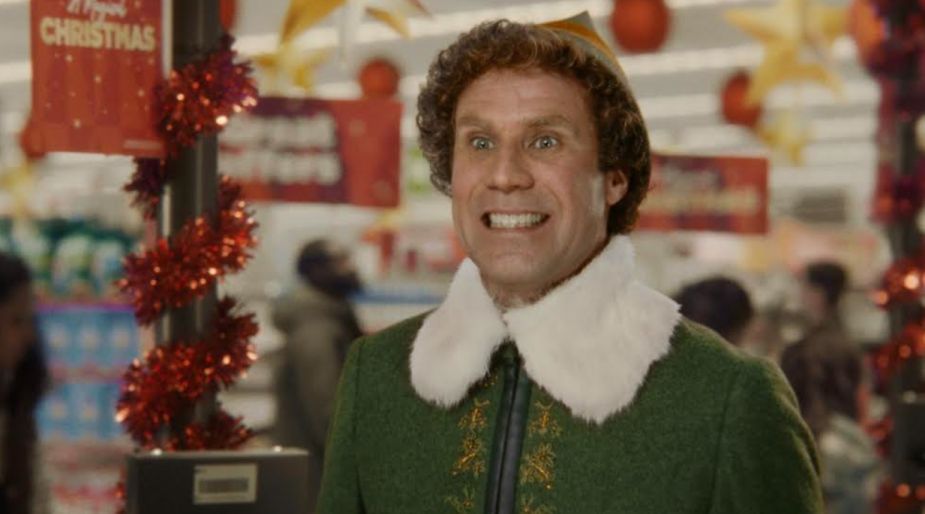
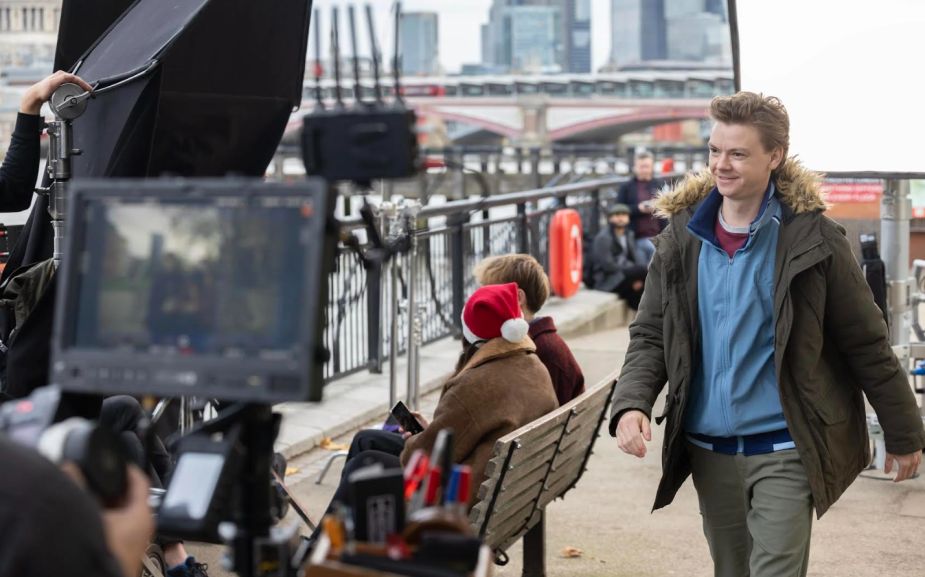
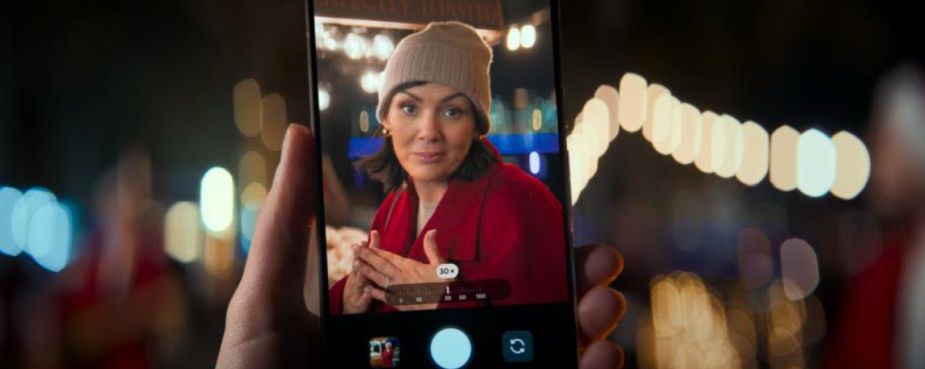
We’ve seen this first-hand in campaigns like ASDA x Buddy the Elf and Google Pixel x Love Actually. Neither partnership was about chasing the newest entertainment release; instead, both tapped into properties that have become part of the cultural fabric of Christmas, bringing decades of recognition, nostalgia and audience affection to the creative.
For ASDA, Buddy’s personality and unmistakable Christmas spirit fitted naturally into the supermarket environment, helping the campaign achieve the maximum 5.9-Star score on System1’s Test Your Ad platform. Google Pixel similarly used the enduring love for Love Actually, reuniting original cast members and referencing familiar moments from the film to showcase the Pixel 10 – generating over one million organic views within its first 24 hours.
Both demonstrate an important point: cultural relevance doesn’t have to mean current. Sometimes, an IP audiences have loved for decades can be much more powerful than whatever happens to be trending right now.
So, When Does Pop Culture Feel Desperate?
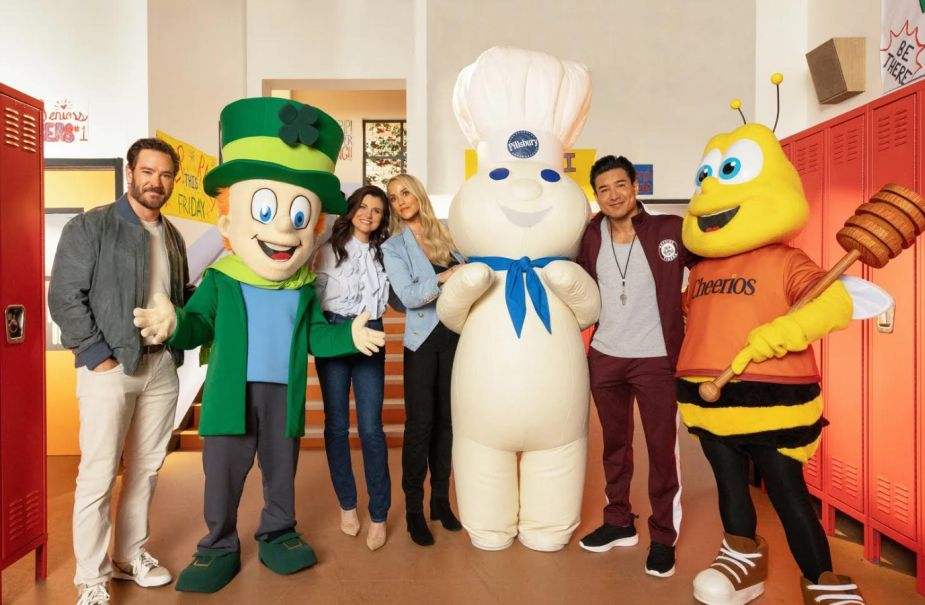
Probably when the audience can see the strategy before they see the idea.
Using entertainment IP simply because it’s having a moment risks making a campaign feel like it’s borrowing somebody else’s cultural relevance. Using it because the character, story or world unlocks something genuinely interesting about the brand is very different.
That distinction matters even more as advertisers compete within an increasingly crowded cultural landscape. The goal shouldn’t be to identify whichever celebrity, character or franchise currently has the highest profile. It should be to find the one that makes people understand – and hopefully remember – the creative idea.
At Born Licensing, we’re obviously biased towards the power of famous characters. But after more than a decade of helping brands and agencies bring entertainment IP into advertising, one lesson comes up again and again: recognition gets you attention, but relevance makes the partnership work.
So no, using pop culture doesn’t make a brand look desperate.
Using the wrong pop culture might.

Thought Leaders in association withLBB Events
More News from Born Licensing
Born Licensing Turns 12: Celebrating Our Biggest Year Yet18/08/2026
Late-Summer Blockbusters: 6 Franchises That Owned the Conversation07/08/2026

Born Licensing Expands to the US in a Move Driven by Advocacy and Ambition21/07/2026
ALL THEIR NEWS
Work from Born Licensing
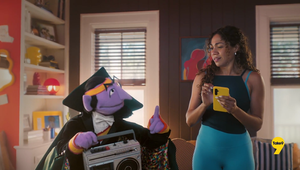
Count Before You ClickTake9 x Count von Count
02/06/2026
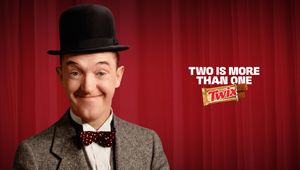
Iconic DuosTwix x Rick, Wallace, Laurel
20/03/2026
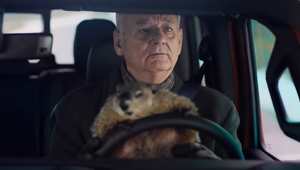
Bill Murray Super BowlJeep
12/02/2026
ALL THEIR WORK
SUBSCRIBE TO LBB’S newsletterEnter your email
FOLLOW US
Events
DPA + SLA (+ US Add.)
MyLBB Score
About Us
Contact
Editorial Toolkit
Help & FAQ
Privacy Policy
Main Terms & Conditions
Newsletters
Create your own LBB icons
How it works
Plans & Pricing
LBB’s Global Sponsor

