

Watching a live-action adaptation of a movie, video game, or book you’re a fan of is a perpetual Goldilocks gamble that will have you lying in one of three beds from your foolhardy decision to defy the definition of insanity. They’re either too hard, dogmatically coloring inside the lines, recreating you favorite thing beat-for-beat into a derivative photocopy; too soft, veering off in so many directions it barely resembles what you loved in the first place; or they’re in the mythical third option sweet spot of being just right.
That last one might as well be a unicorn, given how rarely it happens in spite of how many new live-action projects we have on the horizon. They’re hard not to be cynical about, given their odds of being something beyond a morbidly curious hate-watch. While we’re still far from live-action adaptations being a total crapshoot on a conceptual level, I’ll never turn down the opportunity to check out an adaptation by my man Takashi Miike.
Takashi Miike is a prolific director known for his propensity for gritty, gory, and wildly interesting films. Of them, Miike is arguably best known for his 1999 revenge epic Audition and his 2001 ultraviolent mobster movie Ichi the Killer.I won’t be the last person to give these films their flowers as the director’s completely unhinged masterpieces. They’re Exhibit A and B of auteurship from a guy who knows what he’s about and isn’t afraid to show it. What might surprise folks is that neither work popped out of his head like Athena from Zeus’ skull; they’re live-action adaptations.
More specifically, they’re adaptations of Ryu Murakami’s 1997 novel and Hideo Yamamoto’s 1993 manga, respectively. And honestly, it’s that quality that makes Miike so goated as a director. Save for Evangelionanime creator Hideaki Anno’s banner live-action escapades, no other director has mastered the art of adaptations so deftly that audiences fail to recognize they’re an adaptation in the first place.
Much of that stems from the fact that Miike’s films aren’t like the contemporary live-action projects that evoke embarrassment in the source material. This leads to austere, self-serious, dark reimaginings or adaptations that are too cute to have teeth. By now, you’re probably thinking the following paragraphs are going to be a victory lap where I wax poetic about all the many ways every director and streamer who promised and failed to break the live-action adaptation curse pales in comparison to Miike’s work on Audition and Ichi the Killer.
Nope!
If you thought that, I’m gonna be so real with you: you’ve been clickbaited. Jebaited. Smeckledorfed. I’m not here to talk about those unequivocally awesome films in an apples-to-oranges shakedown with today’s flops. I’m here to talk about Miike’s exceedingly obvious live-action adaptations of video games, anime, and manga: works directors seasoned or green behind the ears would avoid like the plague for how out of their gourd they’d have to be to even attempt making them.
Yet, despite their mixed-bag qualities as “faithful adaptations,” they still kick ass because they’re not trying to be as sacrosanct as today’s live-action adaptations. Miike’s adaptations kick ass not because he’s broken down fan expectations into a science—he doesn’t give a damn about that. They rule because he enjoys making them, and you can tell.
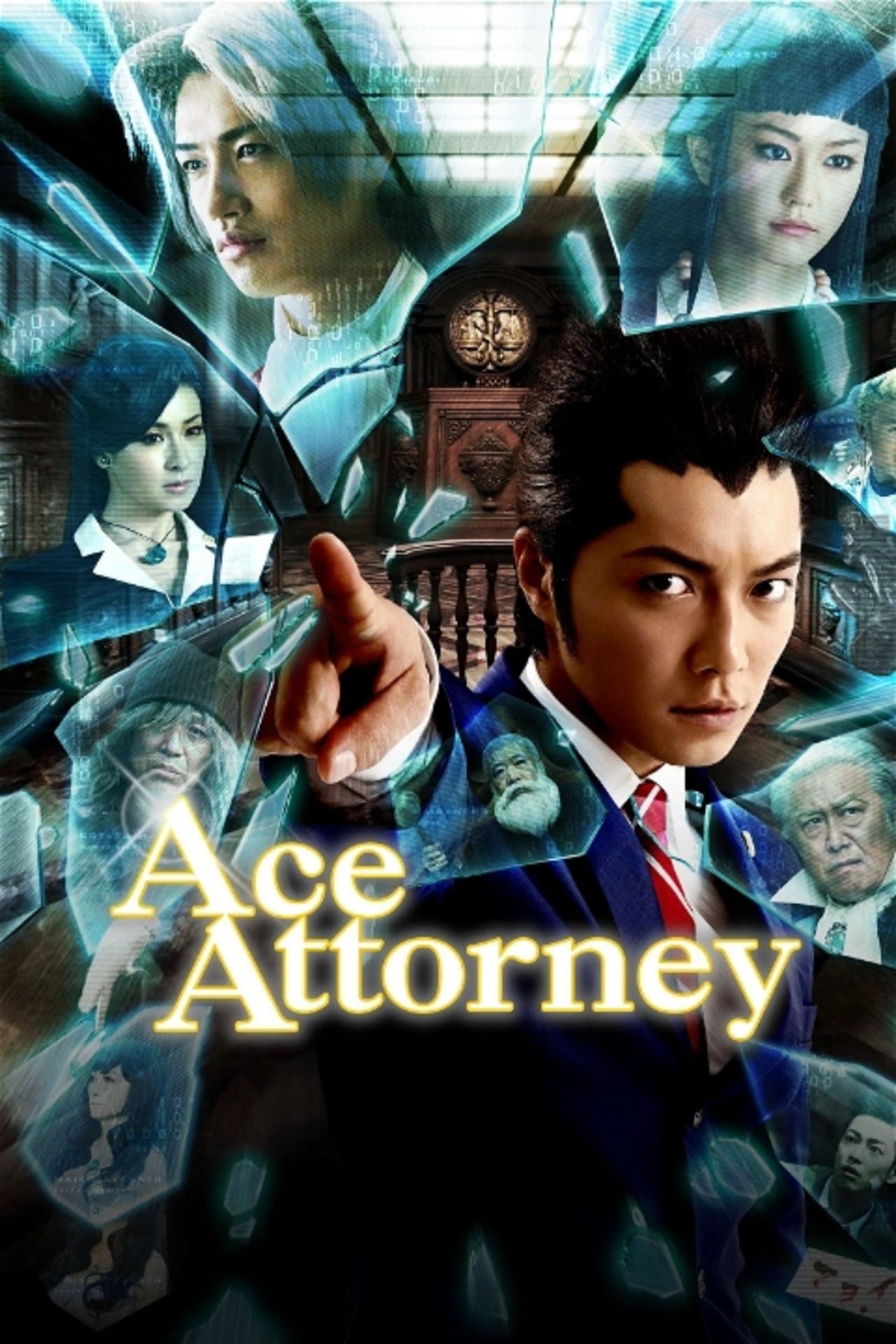
Unlike directors like Stanley Kubrick, whose every film is treated as a choosey, bespoke event chronicling his evolution as a filmmaker, Miike treats moviemaking like a job. The man has 128 directorial credits for Christ’s sake—seven of which were released between Audition and Ichi the Killer. I like to imagine Miike clocks in to work, does his thing, and cues up the next thing that piques his interest. Sometimes that’s a film adaptation that says, “Fuck it, we’re doing Ace Attorney, and yes, we’re keeping the porcupine hair.”
Granted, not all Miike’s live-action adaptations are winners. Anyone with a work rate like that is bound to have a few misses. The reputation of his 2009 adaptation of Yatterman precedes it as the biggest miss in what is essentially a career-long effort to make as many live-action adaptations as original works.
We’ve seen time and time again that the justified dog-walking of failures like Dragon Ball: Evolution and The Last Airbender has not only done irreparable damage to the concept of live-action adaptations; it’s also prompted writers and actors to apologize and swear never to pursue them again. Yet, despite those primo examples of failures, Miike keeps trucking when others would call it quits.
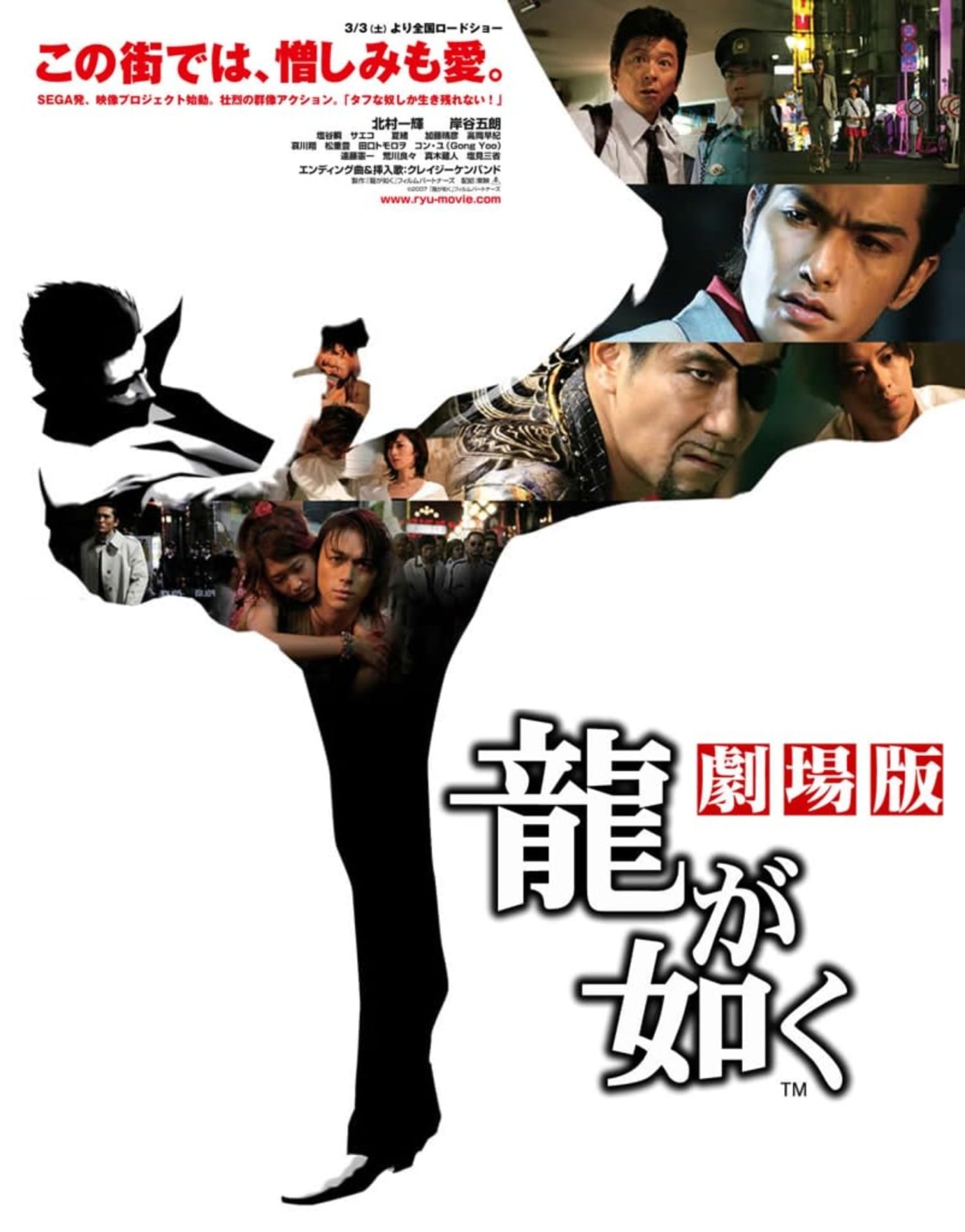
I think no film hammers that point home better than Miike’s live-action adaptation of Sega’s gangster franchise Yakuza/Like A Dragon. Contrary to Prime Video’s more self-serious drama series (that no one is talking about) that ditches much of the whimsy that makes Yakuza Yakuza, Miike’s film preserves the supreme unseriousness of the long-running franchise. Granted, he also muddles the plot of the first game, but that’s peanuts put next to the magic Miike and actor Goro Kishitani find in their portrayal of fan-favorite character Goro Majima.
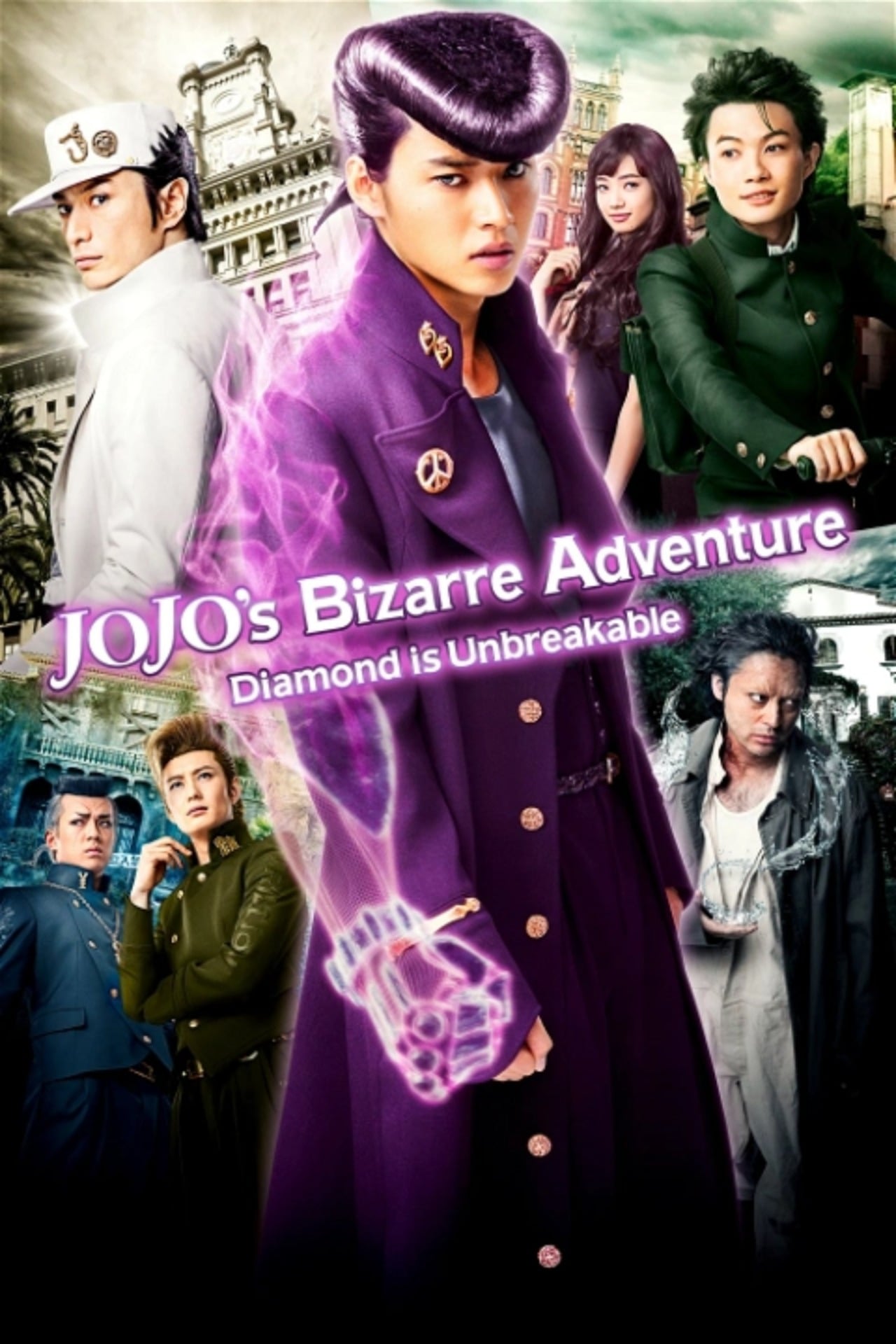
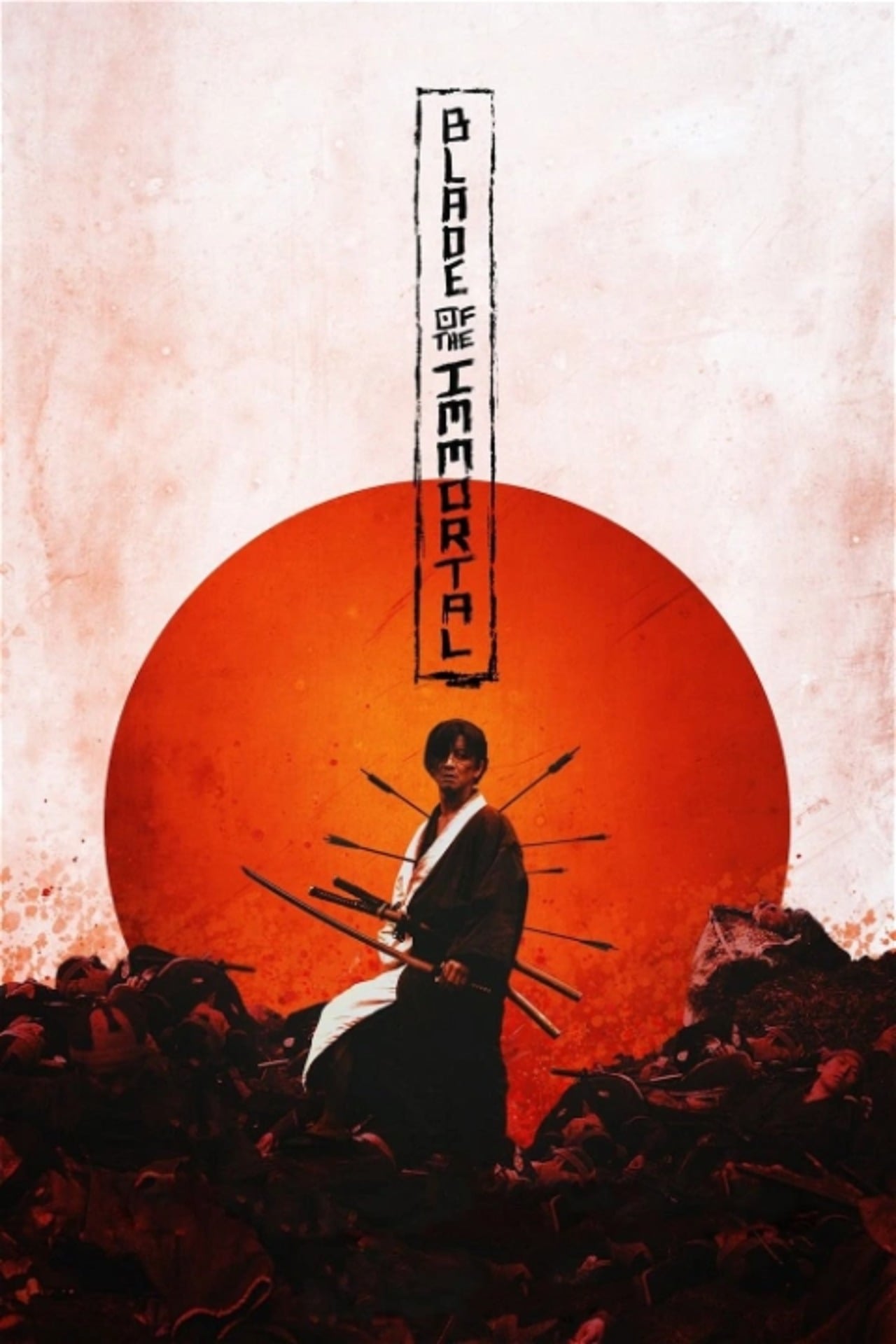
Other times he goes completely off the beaten path and decides a Netflix anime adaptation of Capcom’s Onimushaand Crunchyroll’s madcap Nyaight of the Living Cat is the type of vibe he’s on. Case in point: Miike’s list of live-action adaptations also includes the Crows Zero duology, As the Gods Will, Terra Formars, For Love’s Sake, Ninja Kids!!!, theMole Song duology, Over Your Dead Body, Salaryman Kintaro, JoJo’s Bizarre Adventure: Diamond Is Unbreakable, and Blade of the Immortal.
The fact that most of his catalog is adaptations of anime and manga that would otherwise be a death sentence for directors who don’t churn out unicorns like Netflix’s One Piece is a ballsy gamble. In a 2017 interview with io9, Miike revealed the secret sauce behind his anime adaptations. There’s no trick to how he breathes life into so many formative classics through his adaptations. He’s simply repaying the sense of fun and wonder the
“In post-war Japan, it was very, very poor. The very first <a href="https://comicvibe.com/zee-entertainment-allots-%e2%82%b92639-crore-fully-convertible-warrants-to-promoter/” title=”Zee Entertainment allots ₹2,639 crore fully convertible warrants to promoter”>entertainment we got was kind of black and white TV. So once parents had finally secured enough food for the kids, the next step was ‘let’s give our kids some entertainment, some fun.’ For most kids in that era, the most accessible and cheap and easy to find and easy to use entertainment was really manga. So you had manga, and you would exchange manga with your friends, and it became a communication tool. It became a social element. A social thing. And honestly, that was my salvation,” Miike told io9.
“That was the salvation for many Japanese kids. Because it’s what made life fun again, for the first time in a really long time. And everyone wanted to be a manga writer at that point. Everyone. Every child. ‘I want to be a manga writer’, or, ‘I want to be a manga artist.’ Because we all thought, ‘Wow, I would love to do a job where I was just giving people enjoyment. Where my job is to give people this fun.’ So, in terms of manga, there is no manga that I’m reading right now because there is no manga that can reproduce that feeling of satisfaction and fun I got from reading manga as a child.”
While he’s been turning heads among cinephiles with the pomp and circumstance of a dragon leaving his cave in the lead-up to his upcoming NEON neo-noir crime thriller, Bad Lieutenant: Tokyo, which is the first film in a long while that looks like Miike had house money to play with, given its Hollyywood cast and cinematography, I think the director deserves his flowers as a stalwart purveyor of anime, video game, and manga adaptations that aren’t so bad they’re good; they’re guilty pleasures worth watching.
Want more io9 news? Check out when to expect the latest Marvel, Star Wars, and Star Trek releases, what’s next for the DC Universe on film and TV, and everything you need to know about the future of Doctor Who.
