

Updated / Wednesday, 19 Aug 2026
07:00
Teenagers of the 80s had the oeuvre of filmmaker John Hughes to school them through the most painful moments of their adolescence. Teens in the 90s had pop adaptations of classics like Clueless (based on Jane Austen’s Emma) or Ten Things I Hate About You (a sexy version of Shakespeare’s The Taming of the Shrew).
For those coming of age in the early naughties, however, there was only one film in town: Mean Girls, the movie that launched the career of its stars Lindsay Lohan and Rachel McAdams, as well as its writer and co-star Tina Fey.
I had already finished college when Mean Girls was released, but its anatomisation of the rigid social hierarchies were recognisable – and cathartically appealing – to anyone who had survived the brutal years of adolescence since teenagehood was first recognised in popular culture, in the post-World War Two period. Tina Fey herself was in her 30s when she wrote Mean Girls, catapulting her from small-screen supporting roles on and off theSaturday Night Live circuit into the glaring limelight of Hollywood.
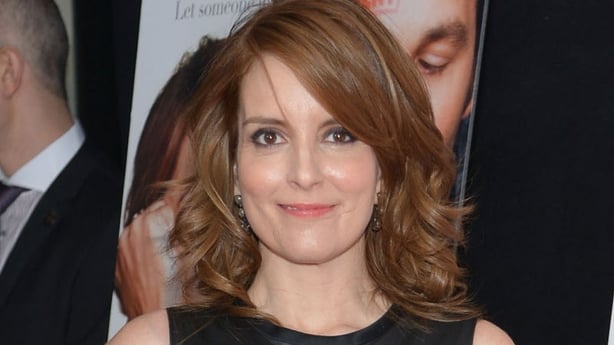
Formally, the film was an adaptation of a popular self-help title, Queen Bees and Wannabesby Rosalind Wiseman, which was written as a supportive guide for parents navigating the dangerous playground of the middle years with their teenagers, but Fey also drew heavily on her own experience of high school in Pennsylvania in the 1980s. The intermittent voiceover, narrated by Lohan, who plays Cady – a homeschooled maths-whizz who finds herself thrown headfirst into the savage ecosystem of her peers when she enrols in her local high school – might well be the voice of Fey herself.
One of the true measures of success for teen dramedies like Mean Girls is the extent to which their codes and vocabularies infiltrate popular culture.
Ask any girl who has experienced an environment like North Shore High School, where everyone – from Art Freaks to Asexual Band Geeks – is categorised by the cliques they are sorted into, often on day 1: the scars can last well into adulthood. As Fey commented in an interview in the New York Times celebrating the ten year anniversary of Mean Girls’ release: “I revisited high school behaviours of my own – futile, poisonous, bitter behaviours that served no purpose.” One of the reasons the film works so well is that Fey was writing ruthlessly from the unexpected side of the classroom: she wasn’t a Desperate Wannabee ostracised by the Plastics: she was, as Cady becomes, a Mean Girl herself.
We need your consent to load this rte-player contentWe use rte-player to manage extra content that can set cookies on your device and collect data about your activity. Please review their details and accept them to load the content.Manage Preferences
Listen: Mean Girls star Faye Tozer talks about coming to Dublin
One of the true measures of success for teen dramedies like Mean Girls is the extent to which their codes and vocabularies infiltrate popular culture. Where Ferris Bueller continues to inspire extra-curricular adventures and dodgy tattoos – “Life moves pretty fast. If you don’t stop and look around once in a while, you could miss it” – Mean Girls gave us October 3rd, Pink Wednesdays, ‘You go Glen Coco’ and ‘fetch’, despite the derision of the film’s Plastic protagonist, Queen of Cool Regina George. Best of all, understanding the significance of the memes is a measure of how cool you are. In their break-out single, Chaise Longue, the punky Wet Leg pay tribute to some memorable Mean Girls banter: “Is your muffin buttered? Would you like us to assign someone to butter your muffin?” If you know, you know, and if you don’t well… loser.
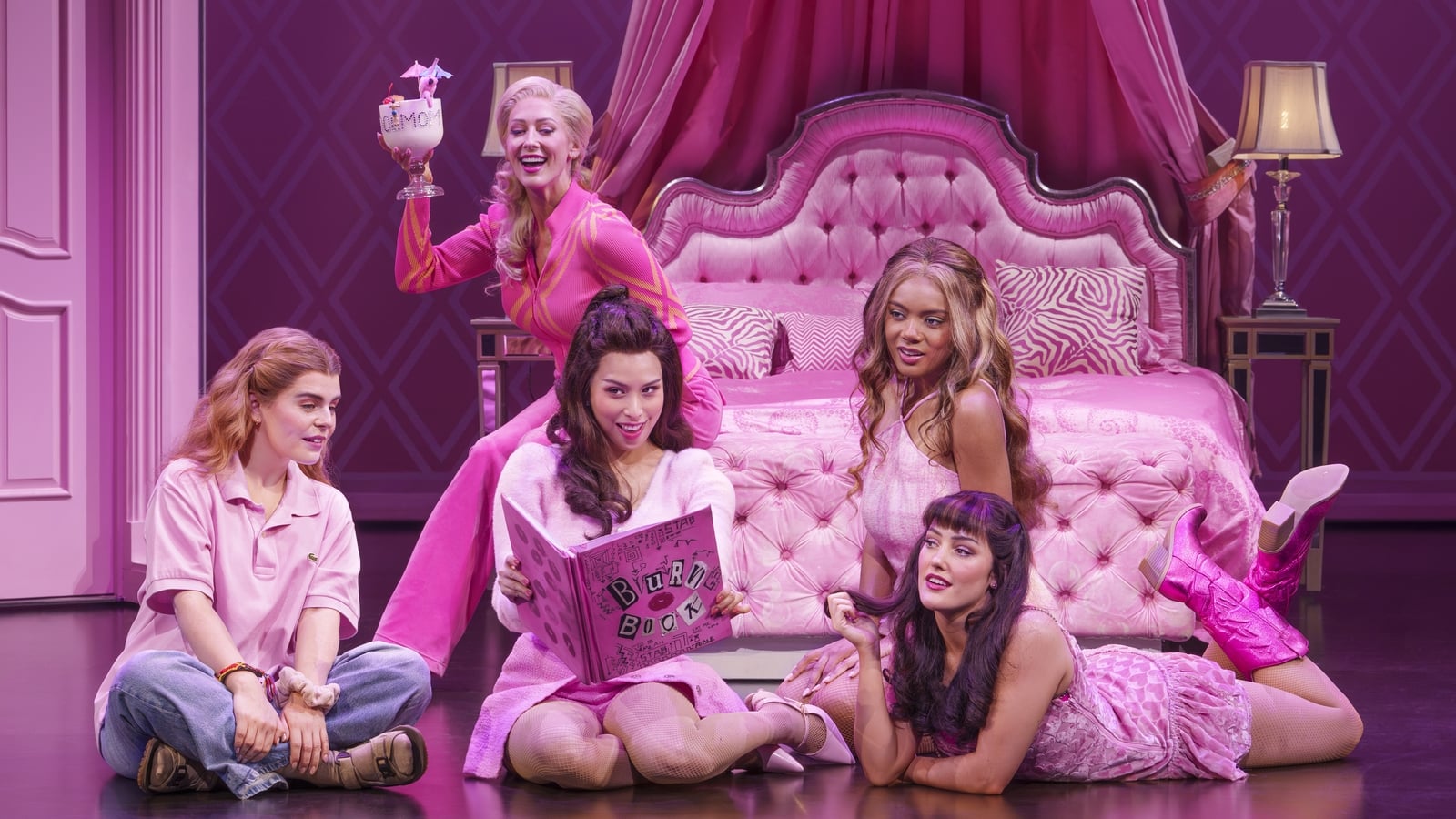
Another measure of the movie’s continued significance is its reinvention in multiple forms. A decade after Mean Girls was released, Fey partnered with her husband Jeff Richmond to adapt the film into a stage musical, bringing the story up to date for the social media generation. Spoiler alert: the mean girls get meaner. After debuting at the National Theatre in Washington D.C., the successful stage confection transferred to Broadway in 2018, winning a Drama Desk Award for Fey’s book and dozens of award nominations for its performers and designers. Although there were few commendations for the rock-pop score, which is serviceable rather than show-defining, the lyrics by Nell Benjamin – sample song-bite from the deliciously dark ditty Revenge Party: “a party that ends with entrails all over the lawn” – are worth picking out from the guitar-heavy orchestration. And yet the not-so-memorable score made no difference to the musical’s success.
Just as the film cemented stardom for its lead actors, the musical also gave main stage platform to stars-in-the-making, including one Sabrina Carpenter, who played the role of Cady on Broadway in 2020. In fact critics have argued that the musical was better than the original film: the histrionic heft of musical theatre makes it the perfect vehicle for reflecting the intensity of teenage emotions. If there was any doubt as to Mean Girls: The Musical’s success, the 2020s offered a new opportunity to reach another generation of teens and tweens (and their parents). Instead of remaking the film, Fey adapted the stage musical for cinema release in 2024, with Fey reprising her role as the influential maths teacher, Ms Norbury.
And just as school starts again after the long summer, a new touring production of the musical comes to the Bord Gáis Energy Theatre this month for a 2-week run. So grab the nearest teen and get them to pull out some pink preppy clothes from their bedroom floor, or some grungy goth gear, to show the world who they are. Seeing their struggles sung large on the stage will elevate your own status, but don’t try too hard. Every adolescent – think of Regina rolling her eyes at her wannabe mom – knows there is nothing worse than an adult who thinks they are cool.
Mean Girls is at the Bord Gáis Energy Theatre, Dublin from 25th August – 05th September – find out more here
