

On August 4 an answer turned up. It is a fan mod of a game from 2004, it is free, and it is now Steam Frame Verified.
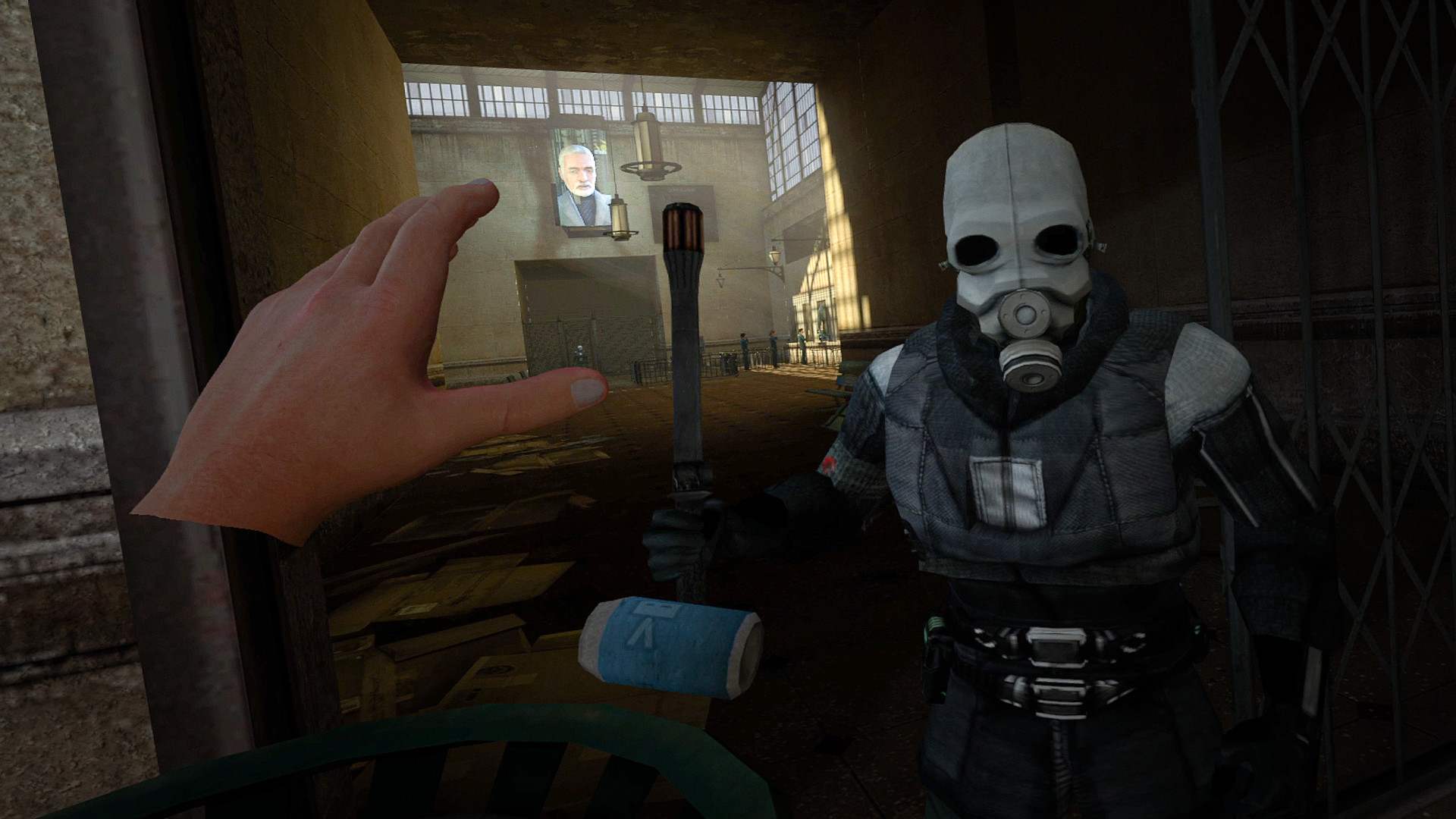
Half-Life 2: VR Mod has been on Steam since September 2022.costs nothing if you already own Half-Life 2. I have written before about the hundreds of hours I put into the original, so understand that I am not a neutral party here
Read what it actually took
The announcement is not a victory lap. It is a list of things that did not work.
“It was not a straight-forward journey; when we began our testing on the Frame, it would not start at all. Then we managed to boot it up, but performance was poor and the experience riddled with bugs.”
So they fixed the bugs and optimized their frame timing, which got them to what they describe as “a playable build with decent performance,” and even that was not enough, because Verified is a threshold rather than a vibe and the build was, in their own words, still some way from hitting the required frametimes consistently. Careful selection of performance settings closed part of the gap. Further optimization closed a little more. What finally pushed it over the line was eye-tracked foveated rendering.
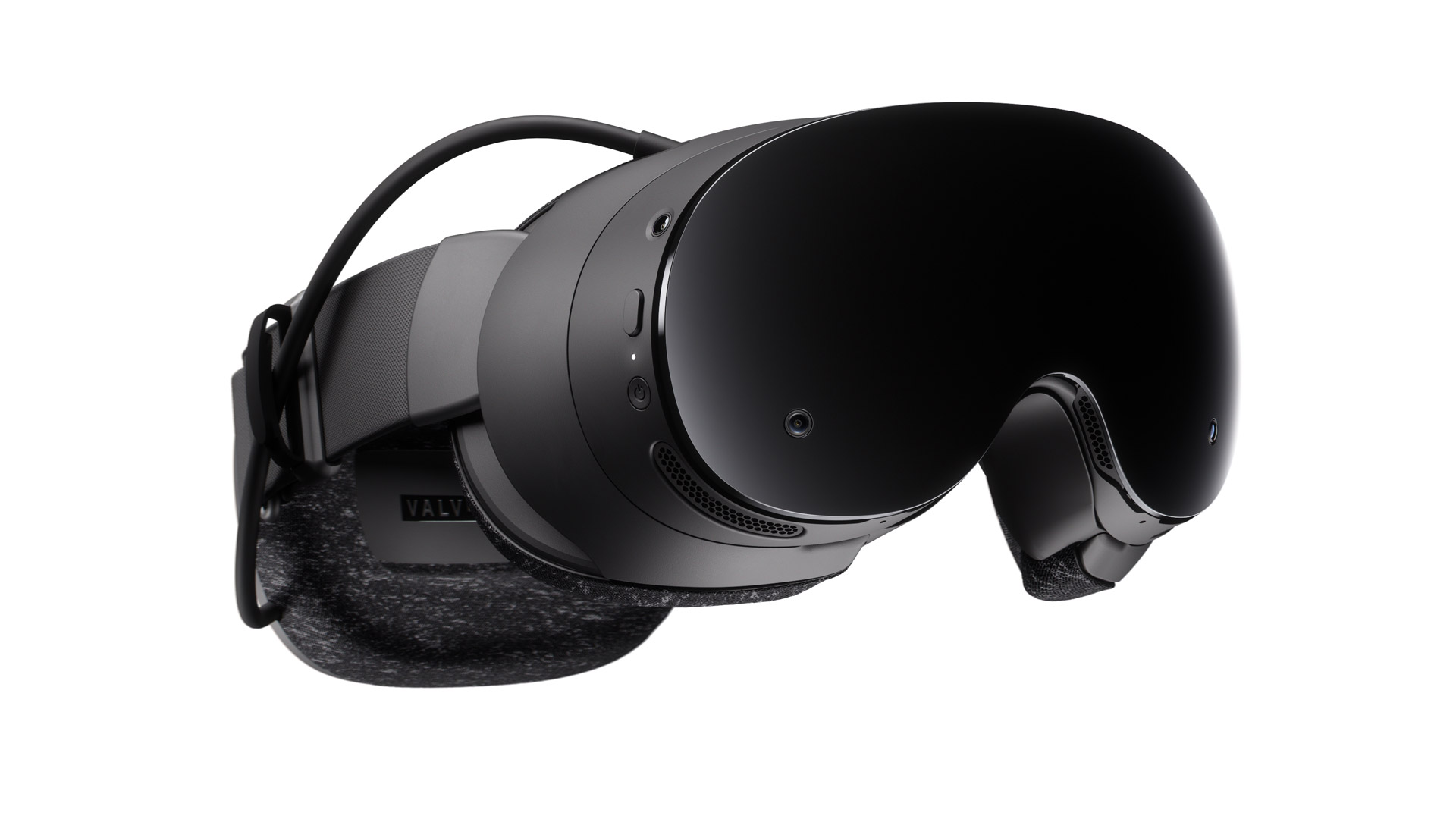
Sit with that for a second. An unpaid mod team shipped eye-tracked foveated rendering to hit a certification target on a headset that still does not have a release date.
The bar is lower than the one I wrote about
Worth being precise here, because we got this wrong ourselves and corrected it yesterday. Valve’s partner documentation now asks for 72 fps at 1728×1728 per eye. Not the 90 FPS the company announced at GDC in March. The Frame’s panels are 2160×2160, so certification gets measured at roughly 64 percent of the pixels.
That does not make the mod team’s work easy. It makes it possible. There is a real difference between those two things, and the difference is the whole reason a volunteer project could take a run at this at all.
Translation most of the way down
Here is the part I keep turning over.
