

||
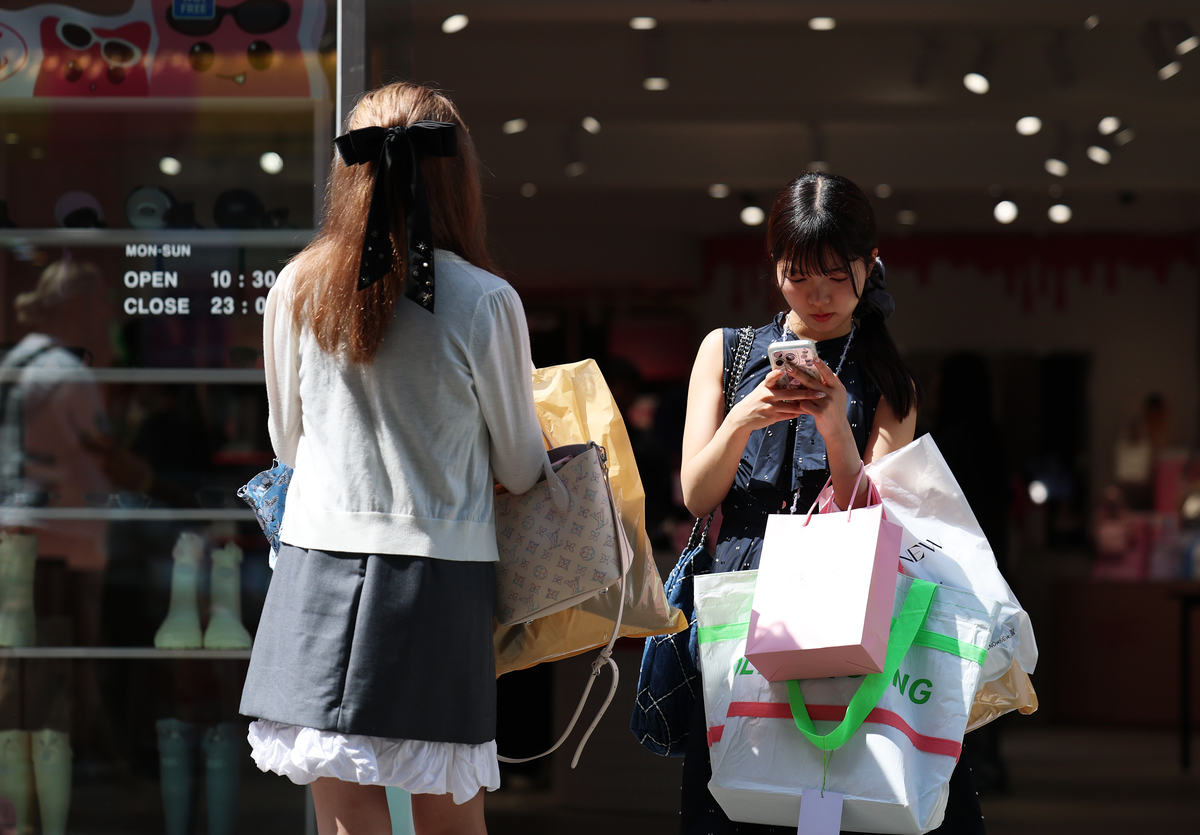
Shopping bags, once regarded as practical household items for carrying groceries, are emerging as a new product driving consumer trends. Adorned with retailer logos and distinctive designs, they have gained popularity as limited-edition merchandise and have even expanded into resale products that fetch prices higher than their original retail value.
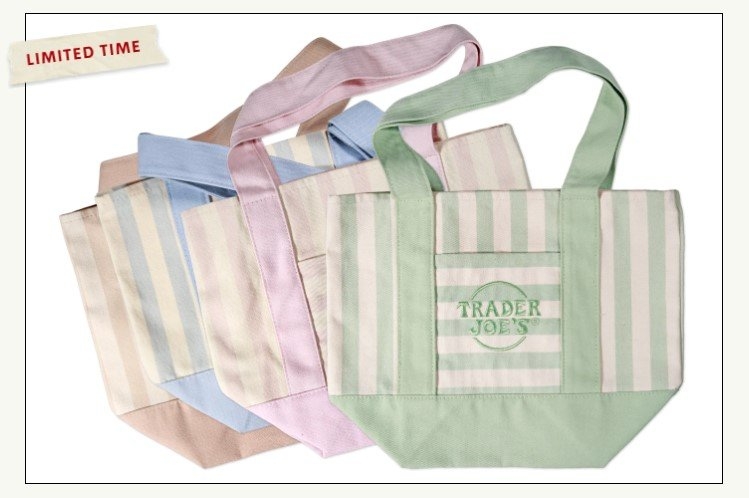
Overseas, U.S. retailer Trader Joe’s has led the shopping bag craze, followed by Costco and Whole Foods. In Korea, Olive Young’s tarpaulin bag has sold nearly 1.8 million units within a year and a half of its launch, establishing itself as a signature shopping item for foreign tourists.
According to the retail industry on the 7th, Trader Joe’s mini tote bag is traded mainly in the 20,000 to 30,000 won range on Korean resale platforms. Given that its retail price in the United States is $2.99 (about 4,000 won), the markup amounts to several times the original price.
Prices climb even higher on overseas purchasing agency sites. With international shipping costs added to the product price, some items are sold in the 80,000 to 90,000 won range. As ordinary shopping bags transform into popular, scarce merchandise, transactions are taking place at prices far above the original retail value.
As Trader Joe’s shopping bags gained significant popularity, other retailers have introduced bags featuring their own brands one after another.
Costco released a limited-edition reusable tote bag illustrated with the signature products sold in its stores. Whole Foods, the U.S. organic grocery chain, partnered with seafood brand Fishwife to release a limited-edition mini tote bag, stimulating consumers’ desire to own it.
The representative product showing this trend in Korea is Olive Young’s tarpaulin bag. Sold for 3,000 won, the bag recorded cumulative sales of 1.78 million units within a year and a half of its launch.
The tarpaulin bag is currently sold at about 150 stores nationwide, including in Seoul’s Myeongdong, Hongdae, and Seongsu areas frequented by foreign tourists. As foreigners who bought K-beauty products also purchased the bags to carry their cosmetics, they naturally became a souvenir for trips to Korea.
While overseas travel souvenirs were once mainly luxury goods or regional specialties, an increasing number of consumers are now seeking products that let them experience the everyday life of a travel destination. By purchasing bags from marts or drugstores frequented by locals, they consume the region’s living culture and travel experience as well.
The relatively low price is also cited as a factor behind the popularity. The bags can be purchased without much burden, yet carry brand logos and regional characteristics, giving them symbolic value as souvenirs.
The retail industry analyzes that shopping bags are evolving beyond mere containers for goods into products that convey a brand’s image and experience. Combined with seasonal limited-edition designs and the culture of posting proof on social networking services (SNS), they are being recognized as merchandise that offers practicality, scarcity, and collectible value all at once.
#ShoppingBag#TraderJoes#OliveYoung#KBeauty#ResaleTrend#TravelSouvenir#LimitedEdition
Original reporting by Cho Su-yeon for Seoul Economic Daily.
AI-translated from Korean. Quotes from foreignxact original wording
View Korean originalTranslation Policy
Most Read This Week
- 1KOSPI Reverses to 1% Loss as Samsung, SK hynix Drop 3%
- 2Bloomberg Warns Korea Becoming ‘Uninvestable’ Like China
- 3CEO Cha Ga-won Arrested Over 30 Billion Won Fraud Allegations
- 4Bayern Munich Beats Jeju 2-1 in Preseason Friendly in Korea
- 5China’s Chip Output Jumps 350% in a Decade, Legacy Chips Already Dominated by Red Fabs
