

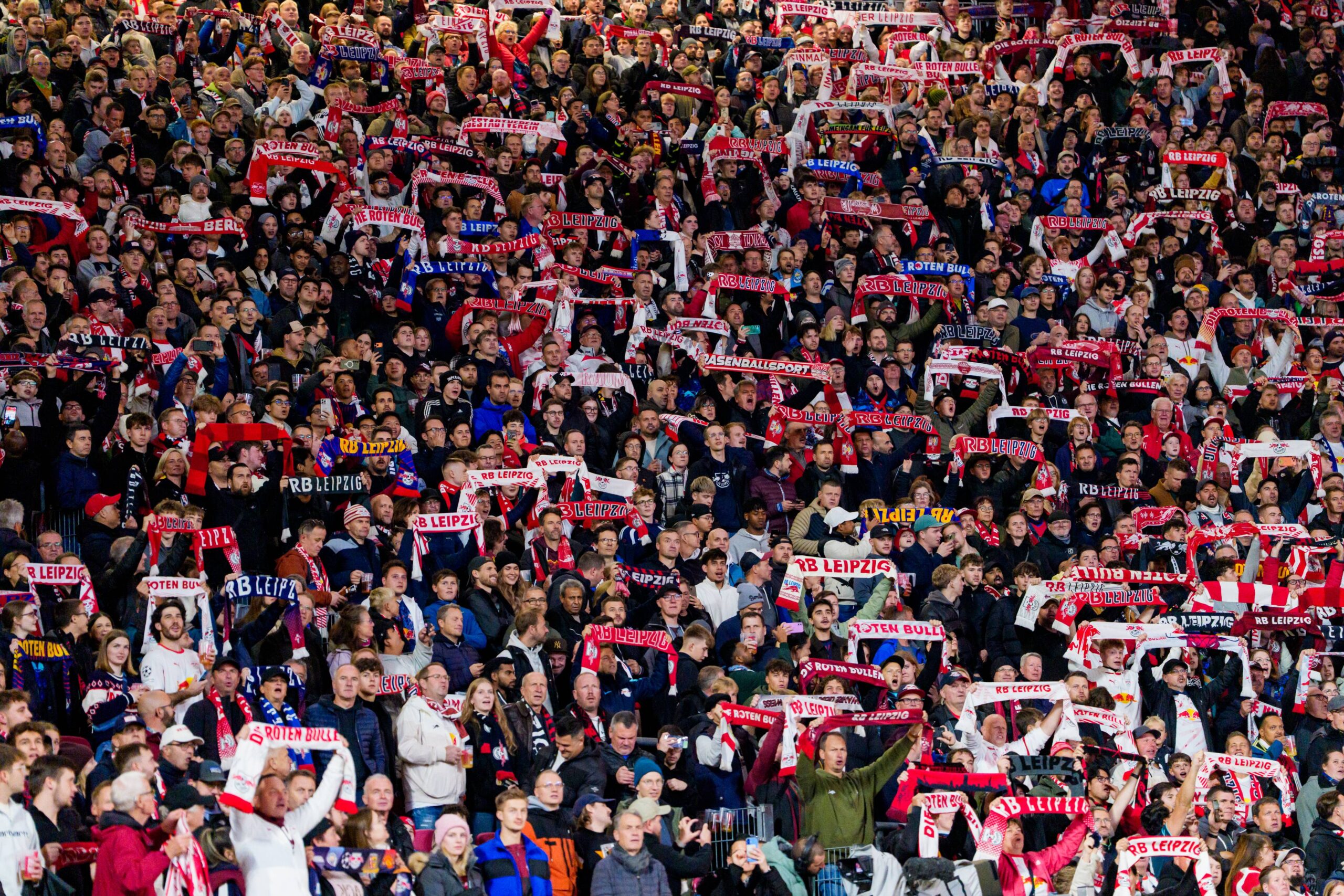
Football fandom has changed dramatically over the past couple of decades. Matchday remains at the heart of the experience, but supporting a club is no longer something that begins at three o’clock on a Saturday afternoon and finishes when the final whistle blows.
For many supporters, football now fills almost every day of the week. There are transfer stories to follow, press conferences to watch, tactical discussions to debate and an endless stream of statistics, podcasts and videos to consume.
That change has been driven in large part by the growth of digital media. Supporters can now follow their club more closely than ever, whether that means watching training footage, listening to interviews with players or debating the latest team selection online.
The matchday experience is changing too
Going to a game remains difficult to replicate. The walk to the stadium, meeting friends beforehand and experiencing the highs and lows of 90 minutes together continue to make attending football special.
But what supporters do around the match has evolved.
Mobile phones mean fans can check scores from elsewhere in the league, follow statistics and replays and stay connected with friends who have not travelled to the game. Before and after kick-off, supporters have an enormous range of entertainment options available to them.
Some might play fantasy football, complete quizzes or predict scores with friends. Others may choose football themed gaming or casino entertainment online, such as slots at Mrq casino which boasts a range of games and offers 100 free spins with your first deposit.
Football never really stops
The modern fixture calendar has also contributed to the feeling that football is constantly happening.
Premier League and EFL clubs regularly move between weekend and midweek fixtures, while European competitions and international breaks ensure there are few extended periods without matches.
That gives supporters more football than previous generations could ever have imagined, but it has also changed how people consume the sport. Many fans no longer watch only their own team. A Saturday might include an early Premier League fixture, an afternoon spent following multiple games and another televised match in the evening.
Sunday brings another programme before European football takes over during the week.
Even when there are no games, the discussion continues. Transfer windows have become entertainment products in their own right, while social media ensures every managerial quote, injury update and team selection can immediately become a talking point.
The traditional appeal remains
Despite all those changes, the fundamental attraction of football has remained remarkably consistent.
Supporters still want their team to win. They still experience the frustration of conceding a late goal, the excitement of a last-minute winner and the anticipation that builds before an important fixture.
Technology has simply expanded everything surrounding those emotions.
Football is now television, social media, statistics, podcasts, gaming and online discussion as much as it is the 90 minutes on the pitch.
Yet when the whistle goes and the game begins, all of that becomes secondary. For supporters, the result still matters more than anything else.
